For example, your baby may say ’meow’ when they see a cat or when you show them a picture of a cat. Through this process, your baby will associate the animal sound with the source of the sound.
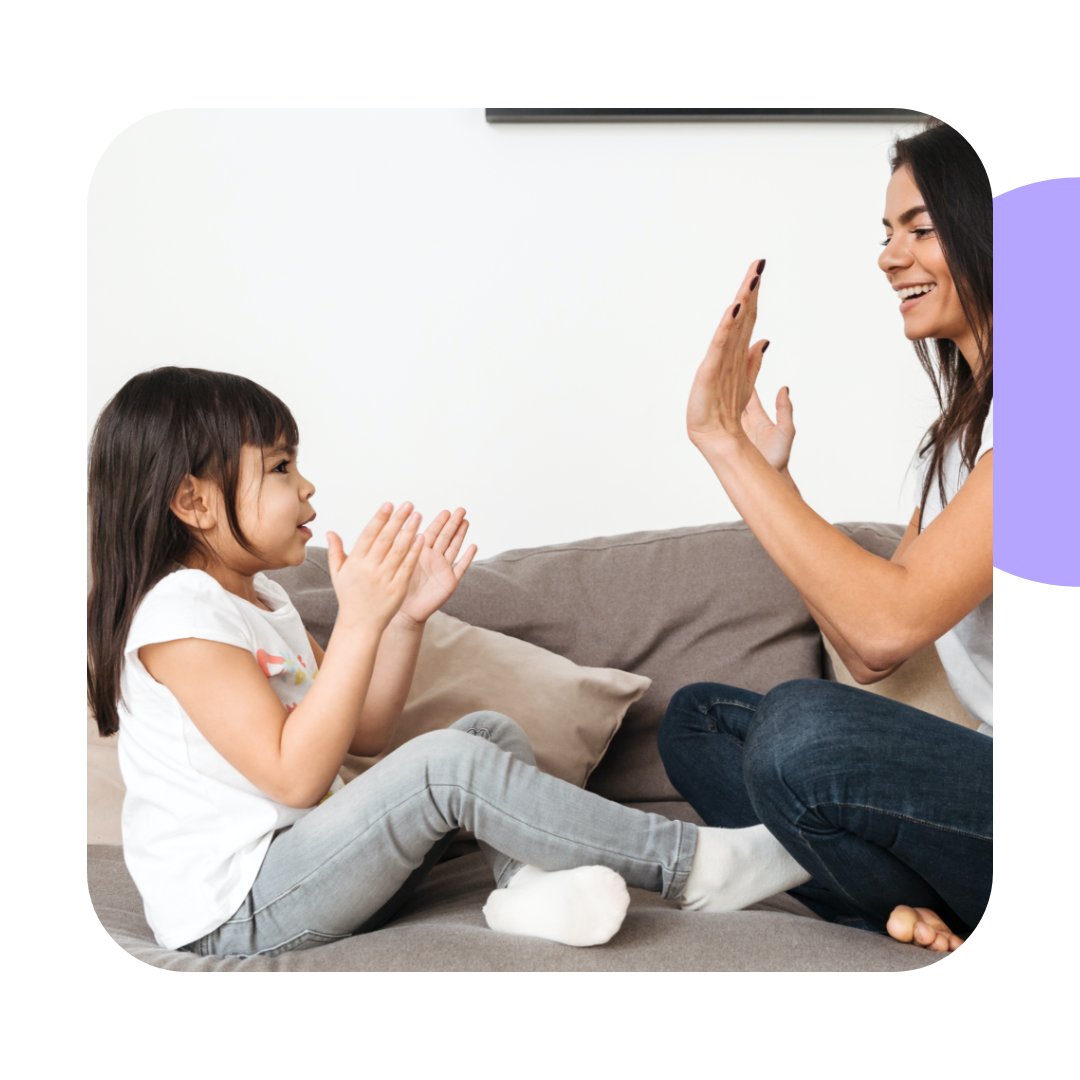
Between 12 to 18 months, your baby will play the basic version of Pat-A-Cake or Hi5 either with you or their siblings. These games also help in learning to coordinate between words and actions.
DID YOU KNOW ❓
Between 12 to 18 months, you may notice your baby becoming more active and engaged with their surroundings. They may start to accomplish tasks that require hand-eye coordination and refined fine motor skills.
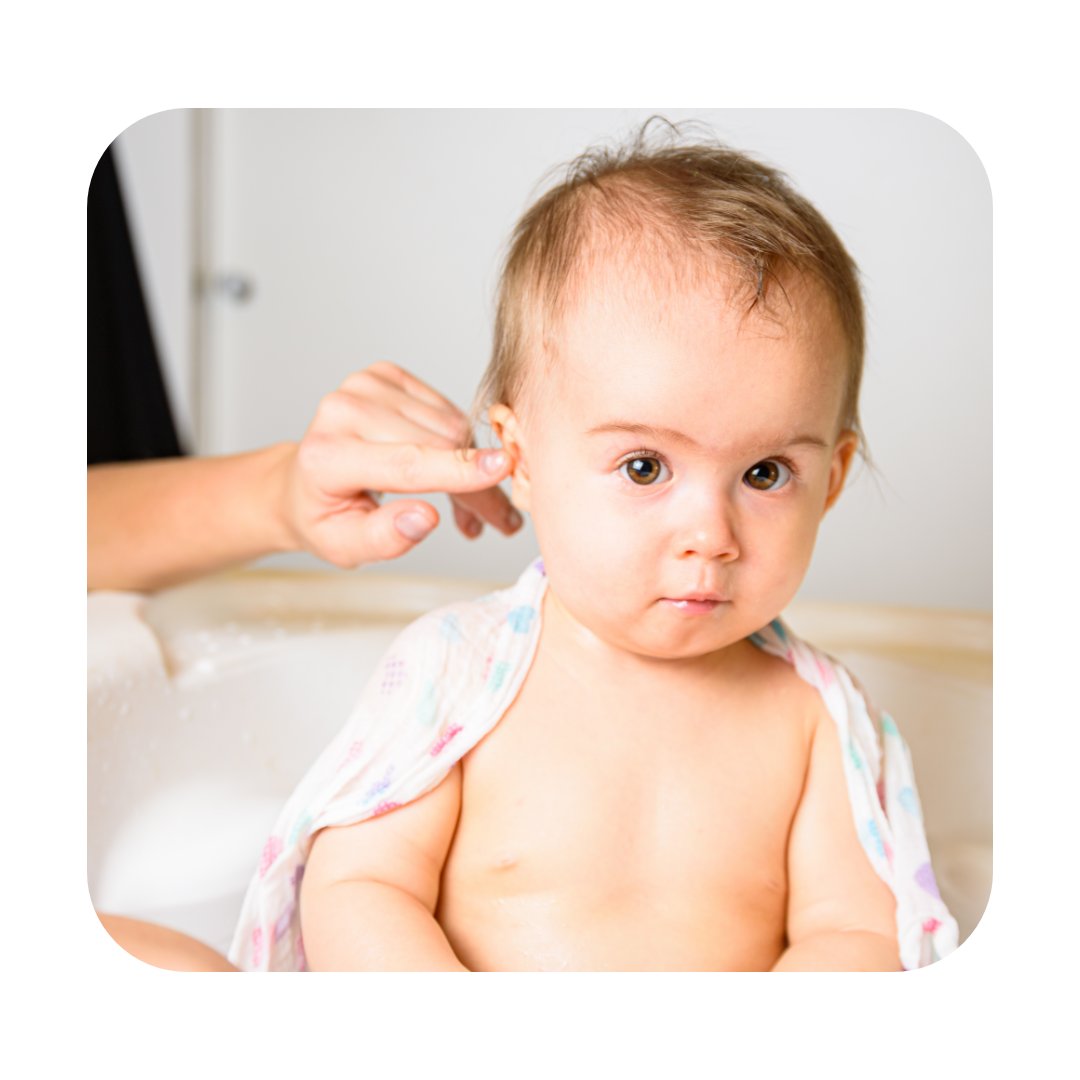
Babies can hear sounds inside the womb, as early as around the 18-week mark. From birth, babies pay close attention to voices, especially familiar, high-pitched ones.
When you talk to your baby or play music, your baby will understand there are sounds in their immediate environment.
Read our latest blog on " Sound & Hearing Development in Infants."
https://t.co/uKkI8qJ0Wt
The coordination and balance required for quicker leg movement will take most of your child’s effort when they first attempt to run, so they might appear clumsy. Despite falling or bumping into things, running attempts constitute a significant achievement!
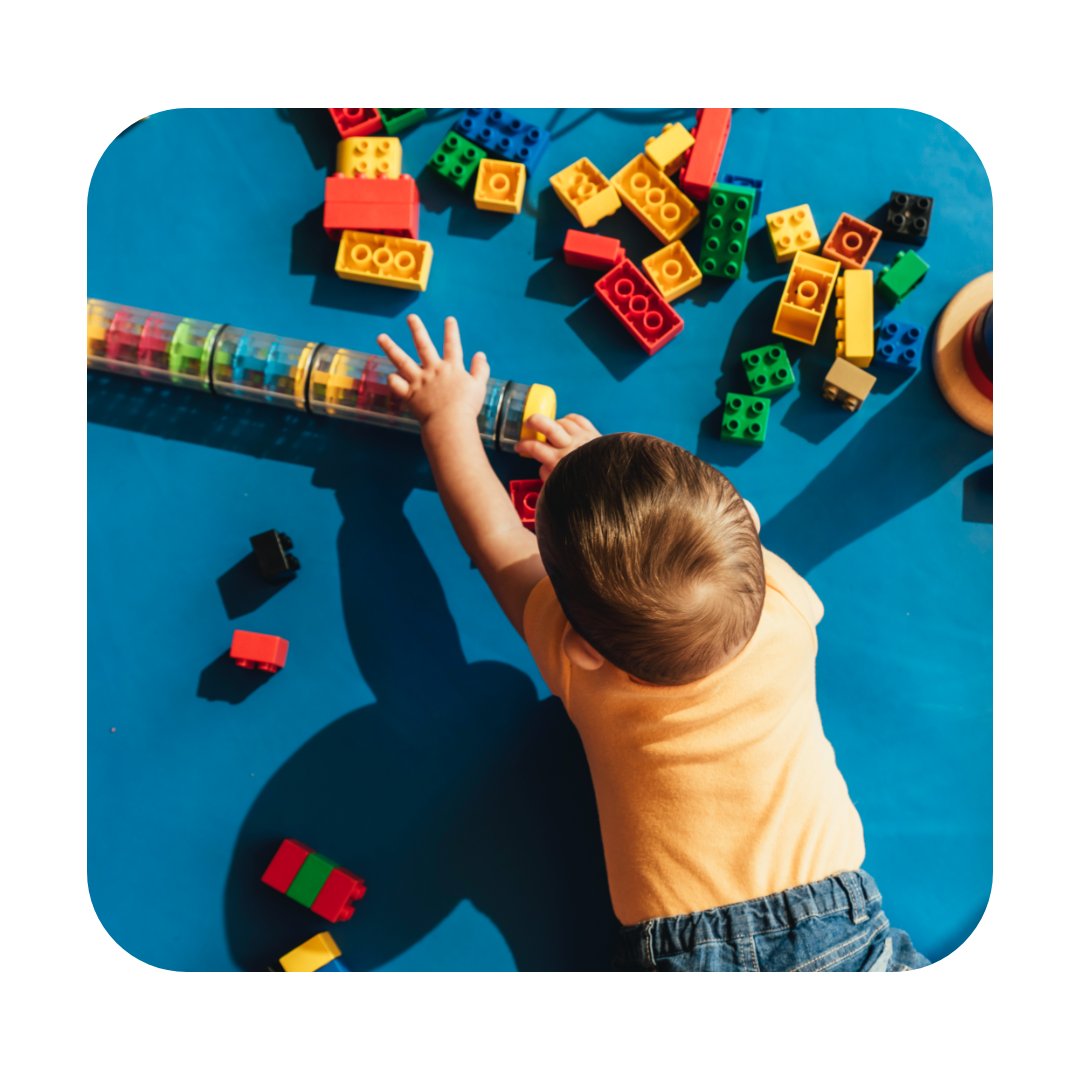
Poking their fingers through holes will be an all-time favourite for your baby between 6 to 9 months of age. As the motor skills improve significantly, babies will be fascinated by grabbing all sorts of objects within their reach.
Your baby may even poke their index finger or thumb through holes in toys, although not with much precision just yet.
This promotes your baby's cognitive development as they establish patterns of interaction with specific toys, shapes, and textures.
The ability to transfer objects from one side to the other across the midline occurs in conjunction with sensory and gross motor skills development.
These skills help your baby maintain balance and coordination while transferring objects from hand to hand.