@PicWeGlobal The real unlock is interoperability. A common settlement layer lets AI agents move value as seamlessly as they move across markets and chains. 🔥
Imagine a future where AI agents can operate across multiple markets and multiple chains.
They need a settlement layer that can move value with them.
WEUSD is designed for a multi-chain world — helping create a common settlement layer for the emerging RWA economy.
🤙 JGGL video just got an upgrade 🤙
We rebuilt how video generation works. Here’s what you can do now.
What changed:
🔸 Set a first and last frame, and the model figures out everything that happens in between
🔸 Upload up to four reference photos, and the video builds itself around you or the style you showed it
🔸 Drop in a video reference, and the model picks up its camera movement and its mood
🔸 A simple photo finally comes to life the way it should
⚡️ Open JGGL, describe your scene, and hit generate. If you’re new here, grab the app first.
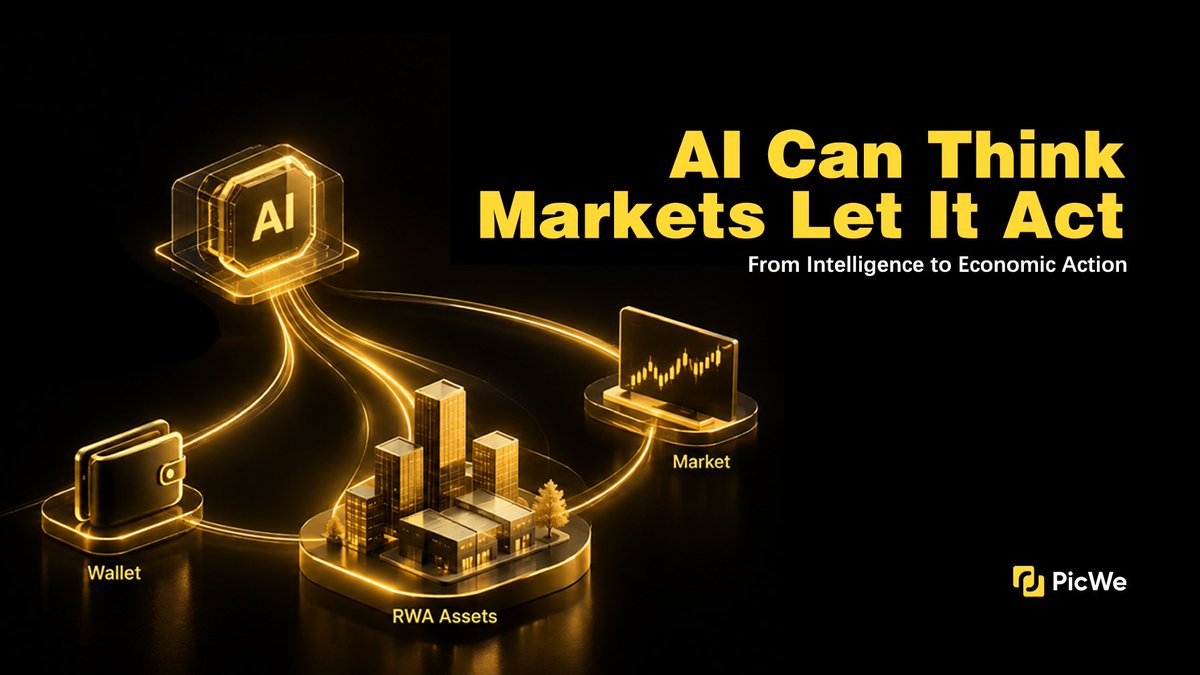
An AI agent doesn't become an economic actor simply because it has a wallet.
It needs:
Assets to interact with.
Markets to participate in.
Infrastructure to execute.
Verification to build trust.
PicWe is exploring what that infrastructure looks like when AI meets RWA.
GPT-Image 2.5 is now UNLIMITED on PixVerse
The most capable image model yet: consistent characters, clean multi-angle turnarounds, and production-ready detail across any style.
Zero credit cost for the next 2 weeks
Repost in the next 72 hours and we'll send 150 free credits to your DMs
AI can analyze information.
AI can generate strategies.
AI can automate decisions.
But intelligence alone doesn't create economic participation.
AI needs assets, wallets, markets, and verifiable execution.
That's where blockchain infrastructure meets RWA.
@eddiecrypt1@EverValueCoin The breakout is interesting, but the real story is whether EVA can sustain that momentum beyond the chart. The Bitcoin-backed model and Burn Vault make the tokenomics worth watching too. 👀
We said this deserved a full piece rather than a headline. It is now published.
Since then ESMA set out what wrapped tokenized equities are missing: no on-chain source of truth, indirect custody, more intermediaries rather than fewer, settlement that is not atomic.
The instinct is to blame the wrapper for being synthetic. That misses it. Some are one-for-one redeemable, with real shares held against them, and it changed nothing.
What decides it is not backing. It is transfer control.
A token can be re-paired with anything by anyone. A permissioned security cannot, because the transfer fails inside the transaction.
That is the difference between an instrument and a component.
(See link below)
https://t.co/5agMD3W08d
Own more. Risk less.
When liquidity improves, more than trading changes.
Businesses gain new ways to unlock capital.
Investors gain broader access.
Markets become more connected.
That's the bigger opportunity behind RWA.
@PicWeGlobal This is the part people often overlook with RWAs. Tokenizing an asset is one problem. Figuring out how that asset should actually trade and access liquidity is another.
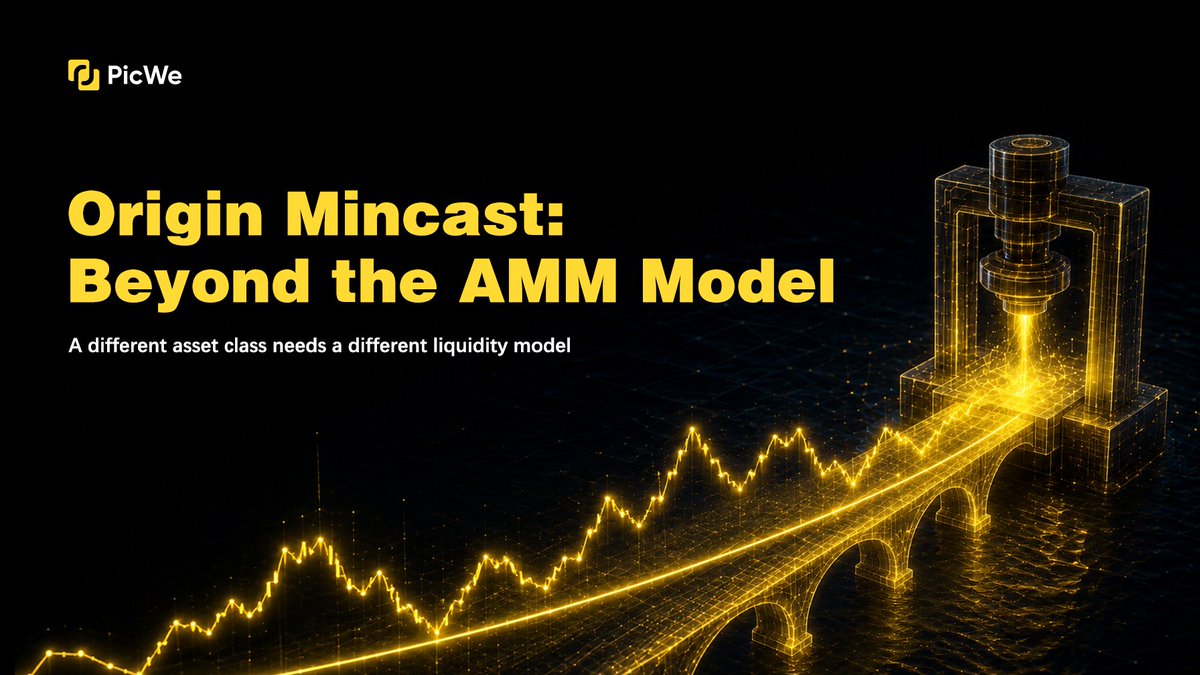
Most people know how AMMs work:
Liquidity sits in pools.
Traders interact with the pool.
Origin Mincast approaches RWA liquidity differently — using on-demand minting and market mechanisms designed specifically around real-world assets.
A different asset class needs a different liquidity model.