The standard of proof (fully convincing evidence) is confirmed.
The Gambia generally bears the burden of proof, but Myanmar must establish the facts it alleges, and Myanmar's denial of access to evidence may be taken into account.
Consistent with past cases. 1/🧵
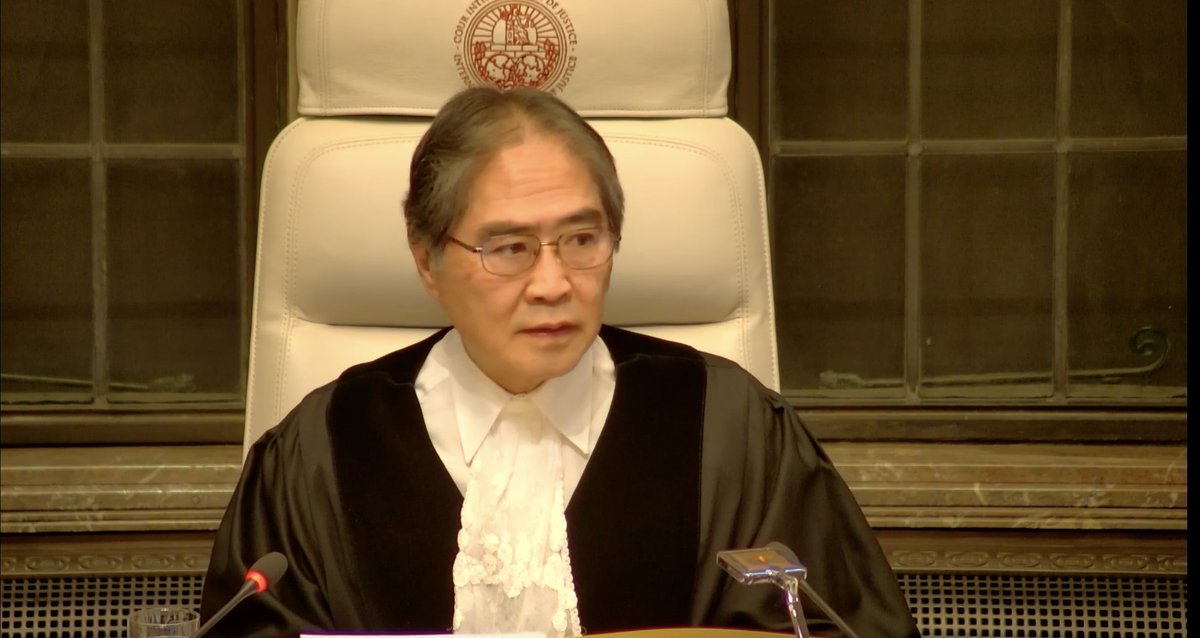
PRESS RELEASE: The #ICJ today delivered its Judgment in the case concerning Application of the Convention on the Prevention and Punishment of the Crime of Genocide (The #Gambia v. #Myanmar: 11 States intervening).
Read more: https://t.co/u34i58PKSa
PRESS RELEASE: the #ICJ will deliver its Judgment in the case concerning Application of the Convention on the Prevention and Punishment of the Crime of Genocide (The #Gambia v. #Myanmar: 11 States intervening) on 19 November at 10 a.m.
Live @UNWebTV
https://t.co/Mj00rLQcSZ
5/ Art. 65 discretion is one answer. Another is procedural: Art. 68 of the Statute lets the Court apply Art. 50 (enquiries, expert opinions) in advisory proceedings. The tools exist. The Court has just never used them.
1/ Thoughtful post by Ori Pomson on fact-finding in the ICJ's Presence and Activities opinion. The tension between the Court's Kosovo rhetoric and its practice is real. But I'm not sure "deference" is the right word for what the Court did. 🧵
Some observations on the #ICJ’s approach to fact-finding in advisory proceedings, in light of its opinion last year on humanitarian assistance to Gaza and UNRWA. Thank you very much to the team at Articles of War for publishing! Link below.
4/ Where I agree: the advisory procedure (simultaneous filings, one round, no cross-examination) is poorly suited to contested facts. If findings feed into GC IV Art. 59 or the scope of occupation duties, the Court should say what standard of proof it applies, and why.
Completely unhinged. The WSJ editorial board is calling for U.S. sanctions against the International Court of Justice and its judges.
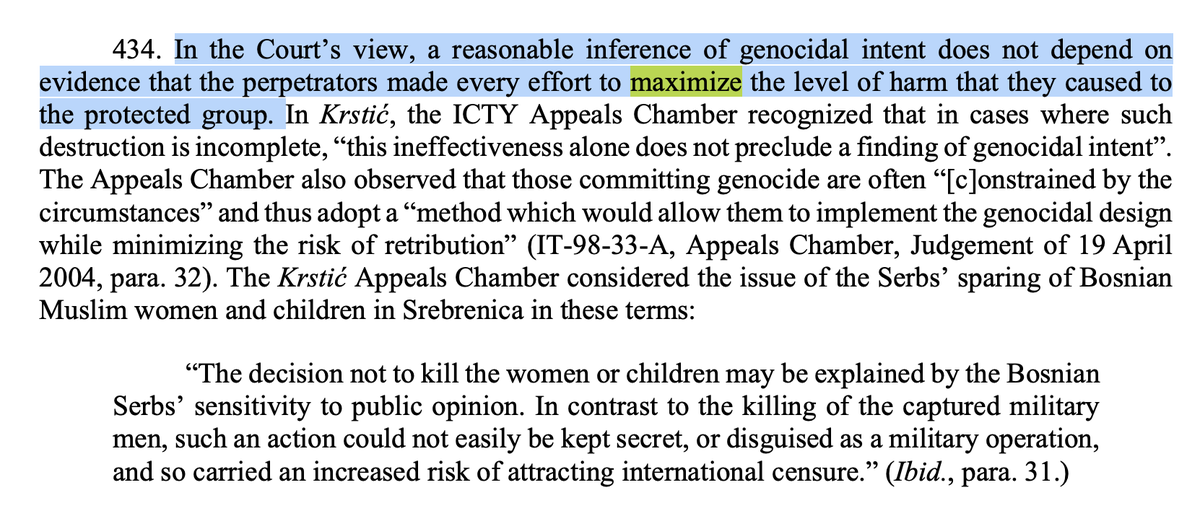
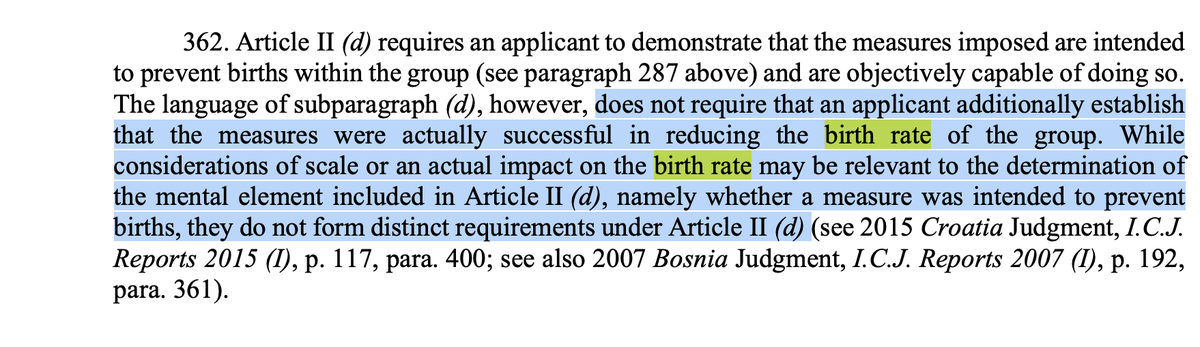
All over the nonsensical idea that the Court "is poised to lower the threshold for proving genocide" in Gambia v. Myanmar.
1/3
Public threats of sanctions against the International Court of Justice and its judges, as reported in the media, raise serious concerns about judicial independence and the ability of international courts to discharge their mandates free from political pressure, intimidation, or reprisals. International judicial institutions must be able to carry out their work without threats or interference.
Rilascio Youssef Siher, comunicato del tribunale di Milano: "Le dichiarazioni di alcuni esponenti politici di rilievo ricoprenti anche cariche istituzionali rilasciate all'esito della decisione della giudice sono irricevibili ed evidenziano una scarsa conoscenza – reale o mascherata – degli istituti giuridici di uno Stato di diritto [...]. La vergogna riguarda altre categorie della vita sociale, non il responsabile e difficile esercizio della giurisdizione"