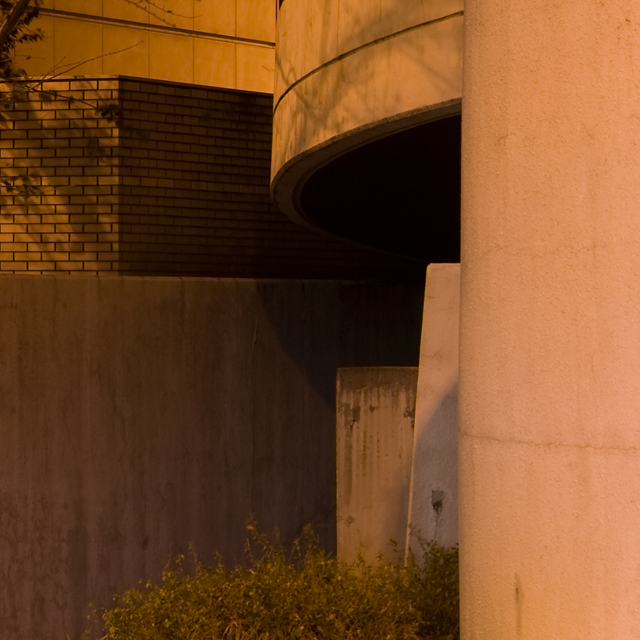
Somewhere in Sumida-ku, Tokyo (28 December 2025) *黄金湯 Koganeyu (2020) by 長坂常+スキーマ建築計画 Jo Nagasaka + Schemata Architects **Captured by iPhone (retouched)
Somewhere in Sumida-ku, Tokyo (28 December 2025) *黄金湯 Koganeyu (2020) by 長坂常+スキーマ建築計画 Jo Nagasaka + Schemata Architects **Captured by iPhone (retouched)
Robert Rauschenberg: Important Early Works from the Cy Twombly Foundation / Gagosian New York https://t.co/Ha4UbSfJY2 Rauschenberg and Twombly met in 1951 at the Art Students League of New York, later studied at Black Mountain College, and traveled together through Italy, Morocco, and Spain in 1952–53. The exhibition includes a 1950 assemblage, among Rauschenberg’s earliest surviving sculptures and preserved by Twombly; a 1950 life-size photogram made with Susan Weil; and works from the Black Painting, Elemental Sculpture, and Combine series. They document his engagement with Duchamp and the relation between art and life.
Tweet after Sol Lewitt (2010, Dimensions Variable)
-
▤▥▧▨▦▩▧▨▤▥▧▨▦▩▧▨▤▥▧▨▦▩▧▨▤▥▧▨▦▩▧▨▤▥▧▨▦▩▧▨▤▥▧▨▦▩▧▨▤▥▧▨▦▩▧▨▤▥▧▨▦▩▧▨▤▥▧▨▦▩▧▨▤▥▧▨▦▩▧▨▤▥▧▨▦▩▧▨▤▥▧▨▦▩▧▨▤▥▧▨▦▩▧▨▤▥▧▨▦▩▧▨▤
Louise Nevelson: City on the High Mountain / Storm King Art Center https://t.co/rAvrKvotLR Storm King Art Center features several prominent works by American sculptor Louise Nevelson in its permanent collection and special exhibitions, most notably the monumental black-painted steel sculpture City on the High Mountain (1983) installed near the Museum Building. It measures about 20 ft. 6 in. high, 23 ft. wide, and 13 ft. 6 in. deep. The whole structure is painted matte black—the color Nevelson treated as a “total” color rather than the absence of color. The sculpture was not designed as a single new object from scratch. Nevelson often recycled parts of earlier pieces. Here she joined models from several earlier sculptures with large curved steel forms, then scaled a roughly ten-foot maquette up to more than twenty feet. Extra elements include a grill-like “lace” that she associated with childhood doilies, a hanging gong-like form, and, at the very top, a sphere of railroad spikes she described as “the period that finished that sentence.” It was fabricated at Lippincott in North Haven, Connecticut, the shop where she produced much of her large outdoor metal work. Storm King acquired it in 1984 and marked the purchase with the exhibition Louise Nevelson: Outdoor Sculptures, 1971–1983. Nevelson visited and approved the site in front of the Museum Building. In the landscape it reads like a black city silhouette—architecture, ornament, and scrap welded into one vertical “skyline.” A 1984 New York Times review called it a “sculptural world” that brings “the sooty, disjunctive, dreamlike nobility of New York City” into the Hudson Valley setting. Storm King has since given it major conservation, including a full treatment and experimental paint system—the first large-scale restoration since it was made. It remains on view as one of the park’s signature works by the entrance to the museum building.