New article by @nacca_eu's @dotted_ant and Dusan Barok with @aaaannet, @ju_bschtthrz and David Gauthier outlines system for collaborative archiving of complex digital artworks 👉🏽 #OpenAccess in the Journal of the Institute of Conservation @Conservators_uk https://t.co/oBULt2M2SC
Get your tickets now to our April 16 workshop in collab w/ @UCL_Culture: “Conservation ethics: Reviewing the context and use through the lens of contemporary art” chaired by @SonofCane with talks by Jonathan Ashley Smith, @HeliaMarcal, and @briancastriota! https://t.co/qdYdLewQr0
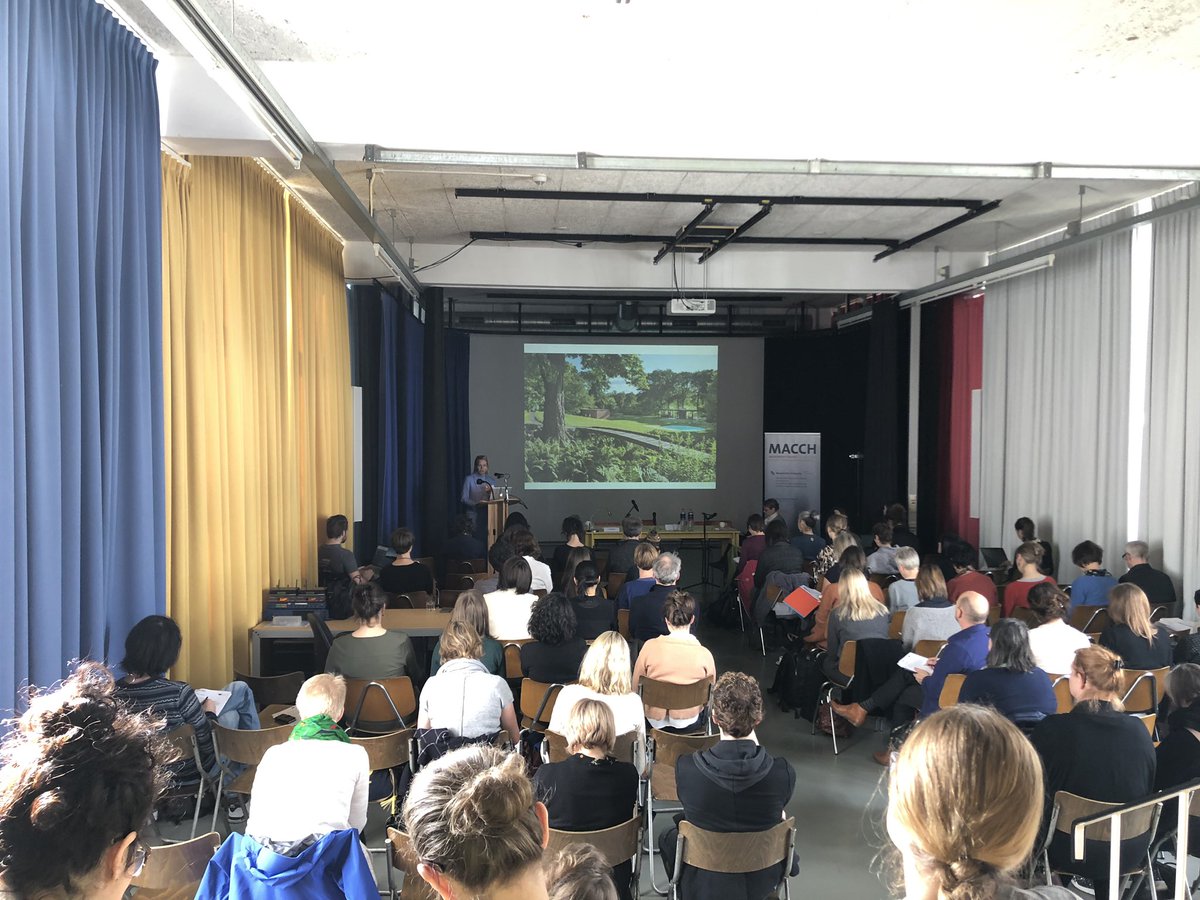
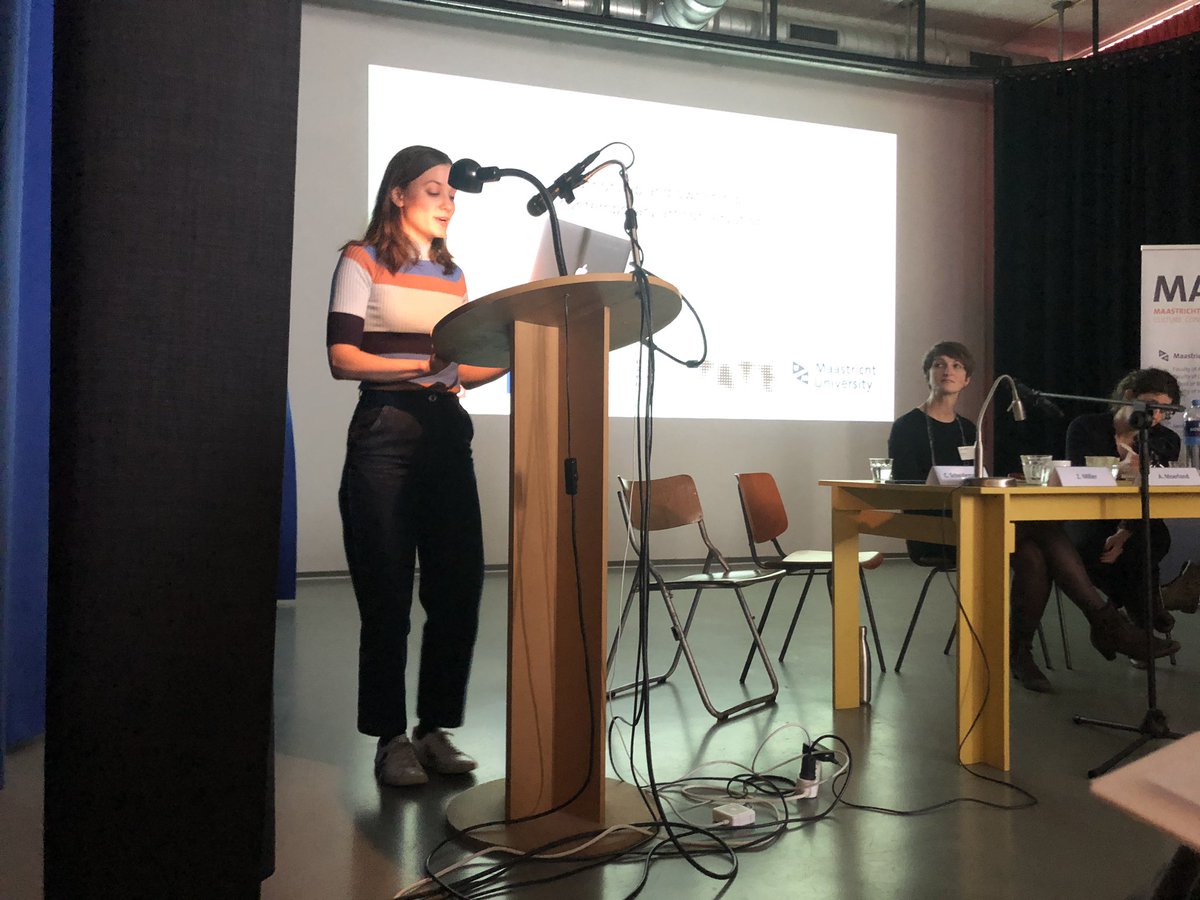
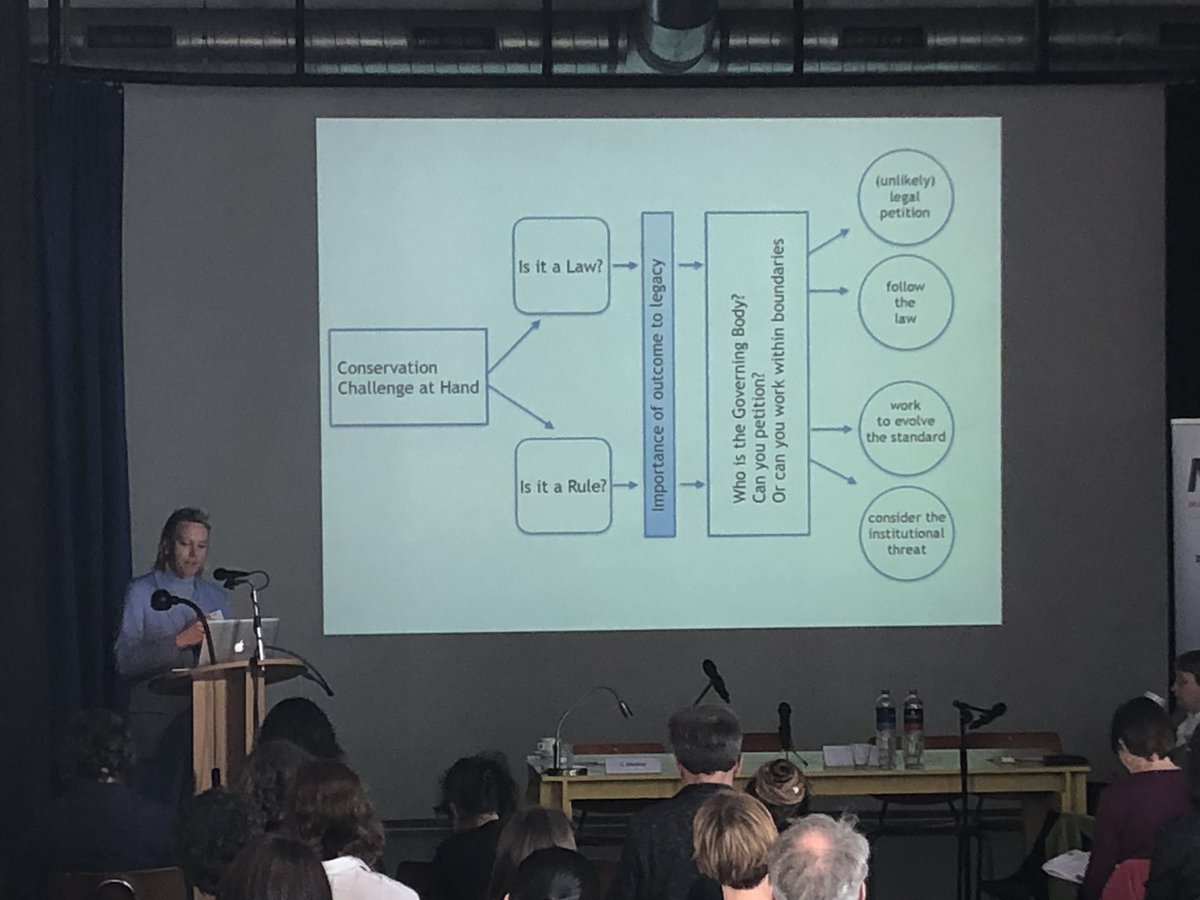
A huge thank you to all the speakers and attendees of our conference this week in Maastricht! It was thrilling to discuss with all of you the many future directions for theory and practice. Although this marks the end of #NACCA, it is only the start of so many new approaches...
What are the significant research priorities now? Who is our research for and who are we listening to? What are some of the crucial bridges we need to build now?
Caitlin Spangler-Bickell: terms like “museum” and “university” are not monolithic; each are different and unique. Understanding this can lead to more fruitful collaboration.
When and in what ways can care be oppressive? Pip: When competing senses of ownership become barriers. Panda: One person’s caring can be oppressive to other people’s interests. Maria: Not oppressive if there is transparency and self-reflection around motives.
@PipLaurenson advocating for a richer understanding of research, a widening of the scope of what it can achieve and who it can serve in and beyond the museum.
Panda de Haan discussing the frequent exhibition model, where exposure is a preservation strategy. Quoting Rinhehart and @jonippolito, such an approach, implemented in the museum, “allows memory to seep through its pores both ways.” Artworks become part of a broad social memory.
Maria Theodoraki explains how we have to “study, manage, and debate an artwork’s identity and ontology, continually, over time, both through and in the archive as well as through and in the exhibition space.” This requires a new professional role: the artwork identity researcher.
Nina Quabeck asks about “ossification” of artworks through moral rights frameworks which focus on the artwork’s integrity; Zoe Miller notes there civil law frameworks in some jurisdictions can be interpreted to recognise works as more than their material instantitions.
If artists disavow their work due to conservation interventions - even if there is no legal basis in a given jurisdiction - the market follows and a work will lose its value.
Anna Schäffler observes how the lack of artwork institutionalisation during the lifetime of artist Anna Oppermann prevented the premature formalisation of her works’ enactment.
Dr. Anke Moerland discusses the limits of copyright law and how some broad concepts (e.g. idea-expression dichotomy) leave discretion for interpretation. What is actually protected? Often only the “expression”...
Zoe Miller considers the multiplicity of authorship in law & artistic practice. Contracts could be reframed as foundational documents for an ongoing relationship between artists & collectors, social artefacts rather than legal documents that define the work & risk ossification.
Artemis Rüstau considers the role of private collectors in contemporary art conservation. She notes how collections – like the artworks they contain – have a biography that evolves over time.