@apple: considering that #biometric authentication can be used against us when not fully conscious (e.g: at night), why not add a "do not disturb" like mode to #TouchID/#FaceID, switching back to passcode at that time?
@trq212 This is good; most of the time, the context isn't long enough to answer properly. Prompting the user to go "chat" about something when a bit more observability would have been sufficient.
I got quite a few questions on the Pump-Rake from the last video and wrote a quick writeup on how to make them. These take about 15 minutes to make and are irritatingly effective. Under $10. https://t.co/x4X2C7j8Ew
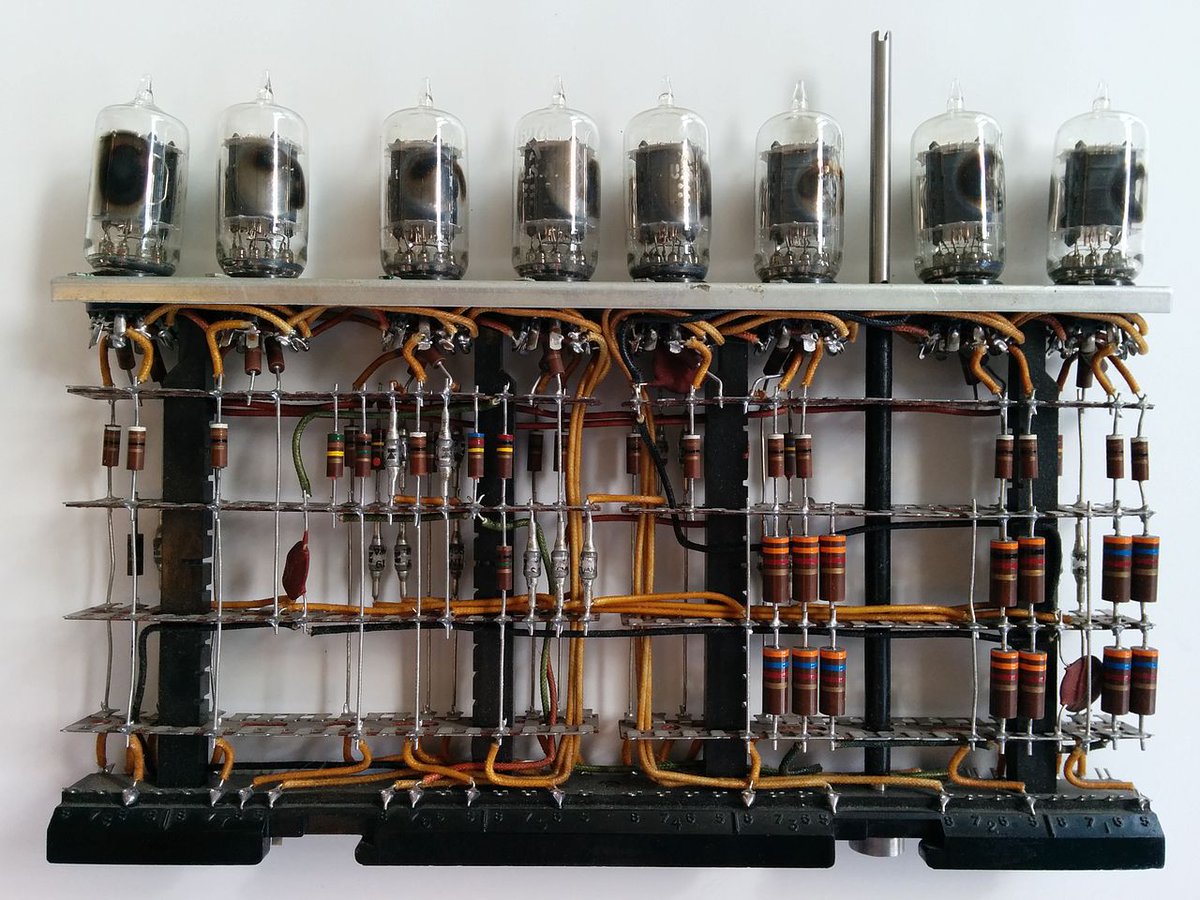
For anyone not familiar with /dev/null, bit of a history lesson. Originally the null device was used to deal with null pointers, although these days that’s all handled in software. Here’s an old IBM null device.
Got this asked several times via DMs, answering here:
if you want to maximize security of your Mac (with or without T2), please do enable both FileVault and firmware password. T2 and SecureBoot are additional layers, but they can't and don't magically cover everything at once.
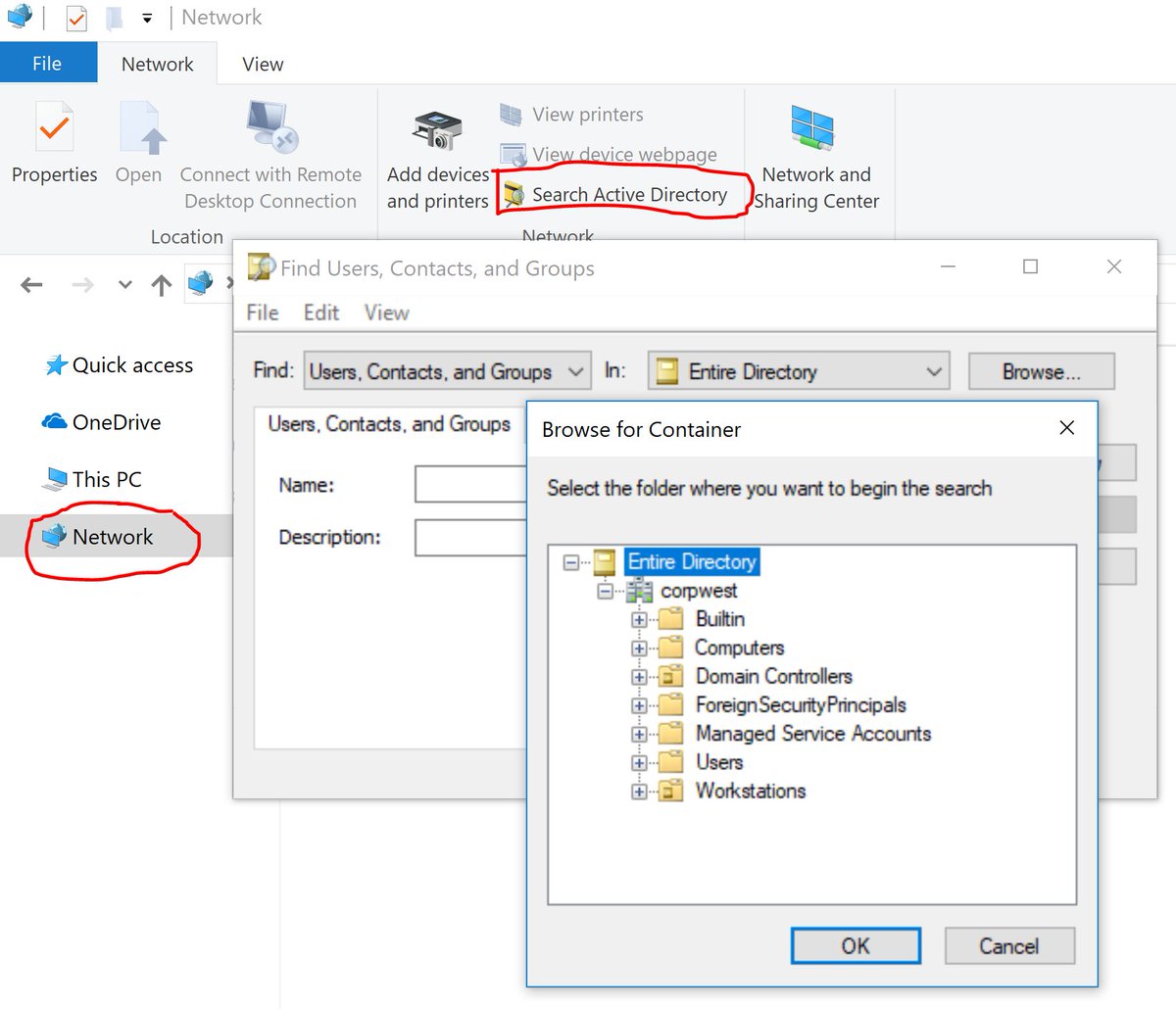
Dumb trick of the day we got to use again recently in case you didn't know about it: Search AD with a GUI via built in tools. Command line: "C:\Windows\System32\rundll32.exe" dsquery.dll,OpenQueryWindow
@MarwanBurelle Nice, I recognize some of the content here haha. Although I don’t like very much comparing pointer parameters with reference call semantics.
@MarwanBurelle I think it’s less confusing and more true to understand that a pointer parameter is just a pass by value where the value is an address — that can be used in that new scope in the very same way as the first example you gave.
I asked a password reset for them since it hasn’t been done in three years and my data are probably on that drive. Good news is that they changed it since then.