We're a finalist for the @KPMG_UK#techinnovatoruk competition. Cheer us on as we take the stage at the NEXUS Innovation Centre for the UK final on 21 July! You can register to watch us deliver our perfect pitch virtually here:
https://t.co/U3s6u3FSuW
#innovation#2dmaterials
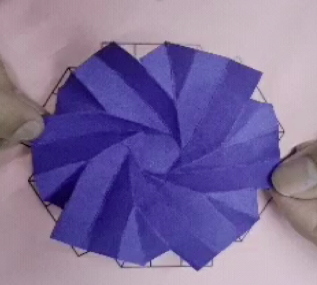
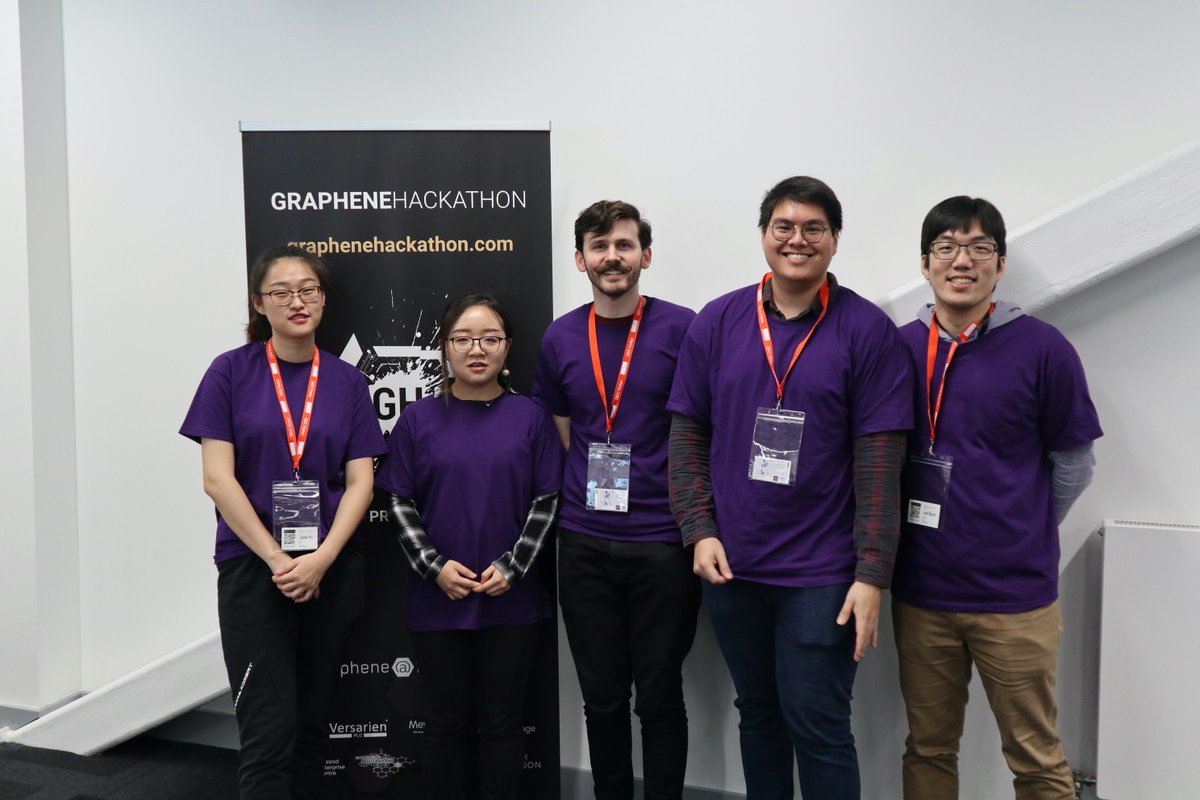
Team 1️⃣ from @Nano_3D_ / @NOWNANO_CDT created Softsolar, a lightweight, electro-thermally programmable shape-memory scaffold for satellite ��solar power ☀️arrays. They could actuate movement in origami structures by passing a current through #graphene tracks.
Read here how we're funding a graphene nanocomposites research project with the Graphene Engineering Innovation Centre at @OfficialUoM@UoMGraphene#graphene#innovation
https://t.co/JKxQMHec9C
Contrasting its delicate nature, graphene aerogels can support up to 11,000X its own weight! Its strength comes from the intrinsic properties of graphene which will help with the creation of innovative composites.
#graphene#aerogel#technology#science#engineering#uom
2019 has been deemed the year of "unprecedented momentum" in the world of #hydrogen#energy. Worldwide, more than 50 policies and targets have been set in place to support hydrogen development. Let's keep it up ➡️ 2020! Read more in @FT https://t.co/j5QafwN5VJ
Using #hydrogen to heat homes and power vehicles will play a vital part in UK's efforts to meet stringent #climatetargets and can’t be dismissed as an expensive pipe dream. That’s the conclusion of @nationalgriduk’s annual Future Energy Scenarios outlook. https://t.co/oFI31DSTwI
📌🇲🇾Malaysia debuts its first #hydrogen buses in cities throughout the country. Chief Minister Abang Johari says the buses are "beneficial for the city as they are cheaper to operate and friendlier to the environment." #HydrogenNow#H2News https://t.co/SUMVtOFtEe
Two @UoMGraphene teams won £70,000 award for #graphene in 2D materials producing hydrogen to generate energy, & designing polymer hydrogels to increase food production. #NGAgraphene https://t.co/Buc754TsMg
A team of researchers from the National #Graphene Institute and @UoMMaterials have formulated inks using the 2D material MXene, to produce 3D print electrodes that can be used in energy storages devices such as supercapacitors.
https://t.co/0LJys6f2q8
https://t.co/lsQ0hxqQsK