Hello and welcome to Nara to Norwich: an international, collaborative research project that aims to re-define the Silk Roads beyond its usual limits of the Chinese and post-Roman worlds. #naratonorwich#websiteexhibition. Read more here: https://t.co/87lNWU9Thj
Following the IASSRT symposium, we are publishing a series of posts showcasing the papers most relevant to the Nara to Norwich project. This abstract is by Frances Pritchard on an unusual piece of silk thought to have been produced in Central Asia but discovered in Dublin. 🔗⬇️
Following the IASSRT symposium, we are publishing a series of posts showcasing the papers most relevant to the Nara to Norwich project.
This abstract is by Charlotte Hedenstierna-Jonson, on silk fragments from the eastern Mediterranean found in Scandinavian burials. 🔗⬇️
The Strickland Brooch. AD 800s.
A fabulous example of Anglo-Saxon creativity and craftsmanship.
This large silver disc brooch is inlaid with gold and niello, and decorated with an intricate pattern of intertwined, puppy-like, ‘Trewhiddle style’ animals.
📷 British Museum
Read more: https://t.co/R5NV1Ip7Iz
#Archaeology
A good article on the importance of #Rendlesham and the connection to #SuttonHoo. The resemblance of Rendlesham to #Uppåkra in the south of Sweden is rather striking even if Uppåkra has yet to reveal any important burial site.
https://t.co/Ya7EtQYKq5
Following the IASSRT symposium, we are publishing a series of posts showcasing papers relevant to the Nara to Norwich project. This abstract is by Orit Shamir and her colleagues, on silk fragments from south and east found in the eastern Mediterranean.
https://t.co/EbKm28EJpk
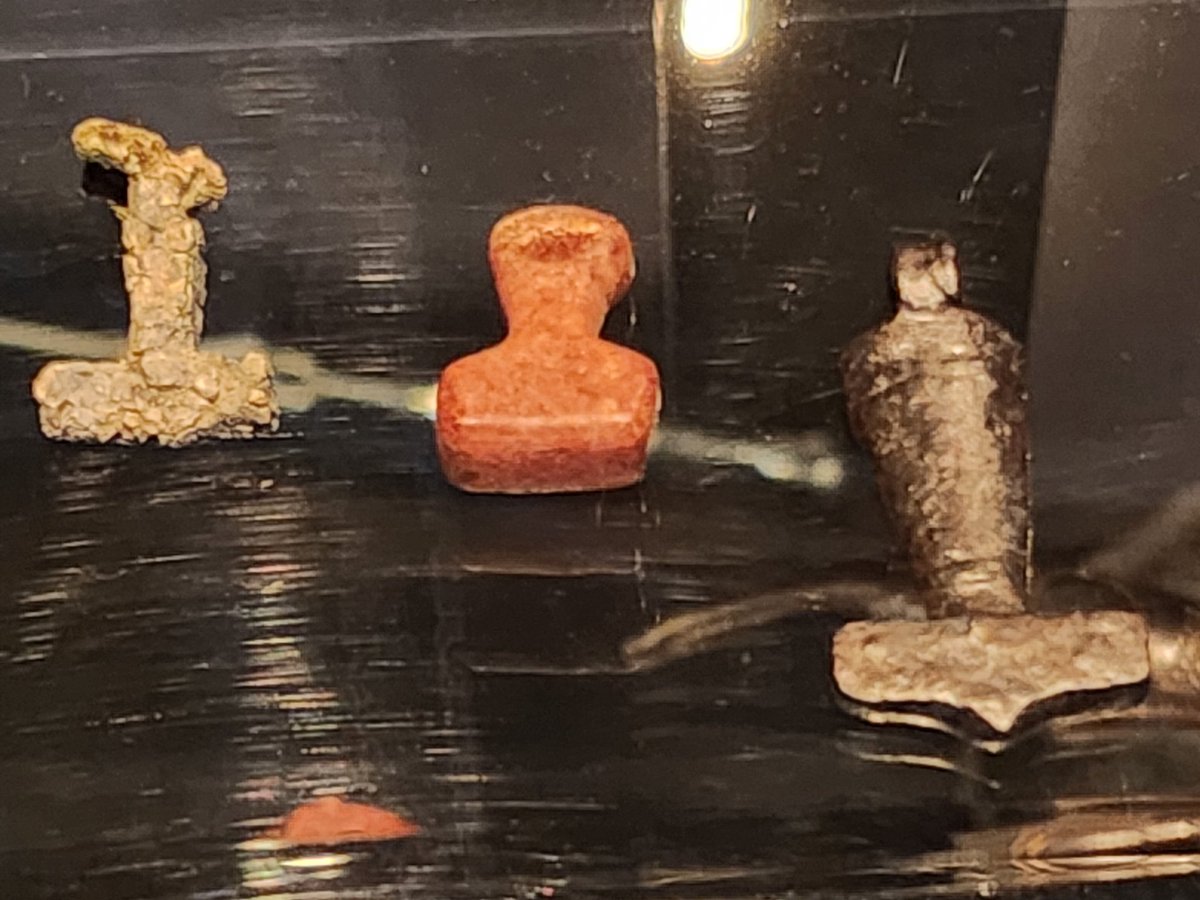
At the Iron Age exhibition @museet deities and their symbols are on show. This is three #VikingAge Thor's Hammers found in Skåne, Sweden. These were worn by individuals, suggesting a personal connection to the God.
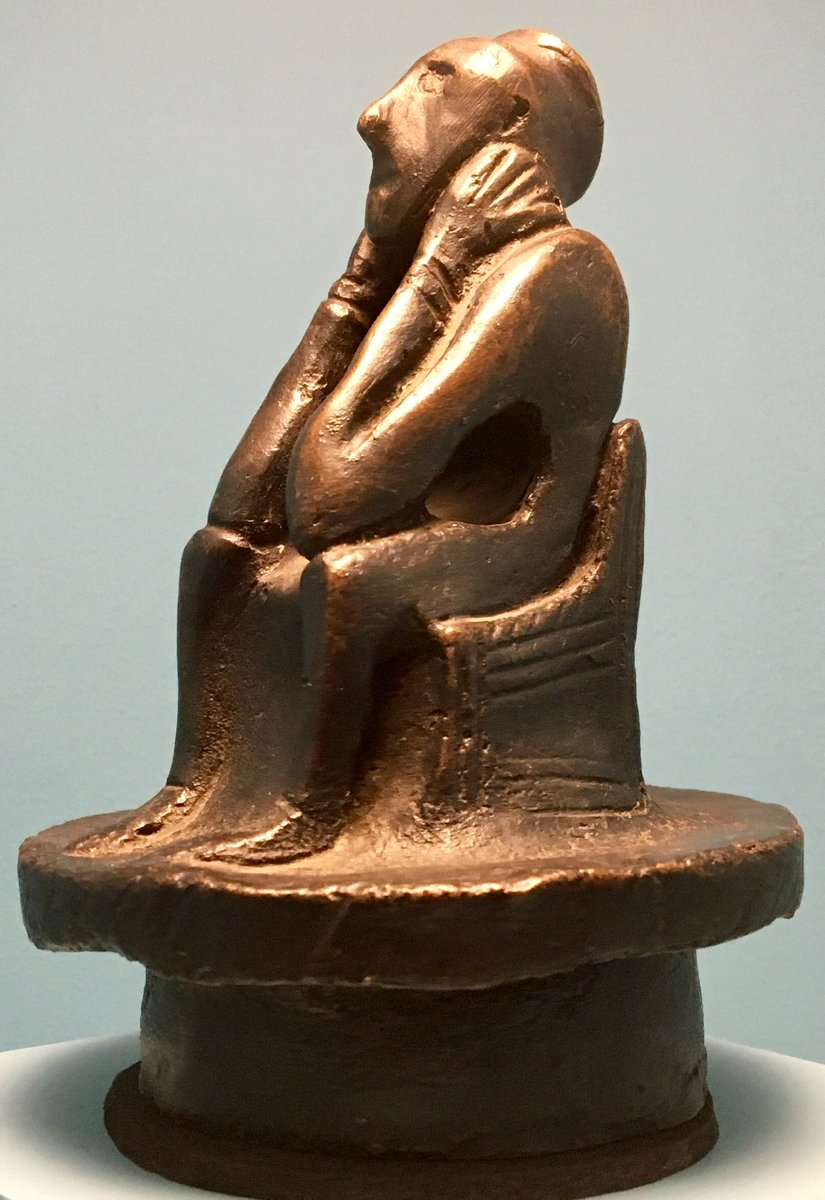
‘Spong Man’ - the lid of a burial urn which dates to the 5th century AD. The piece was discovered during excavations in 1979 at Spong Hill - a large Anglo-Saxon cemetery, near North Elmham in Norfolk. Now part of the collections @NorwichCastle#FindsFriday 📷 My own.
Following the IASSRT symposium, we are publishing a series of posts showcasing the papers most relevant to the Nara to Norwich project. This paper, by Hero Granger-Taylor, considers the hypotheses about in what form the Romans acquired silk.
https://t.co/rpsdfhCarL
Read the post here: https://t.co/xTTbozcqMj
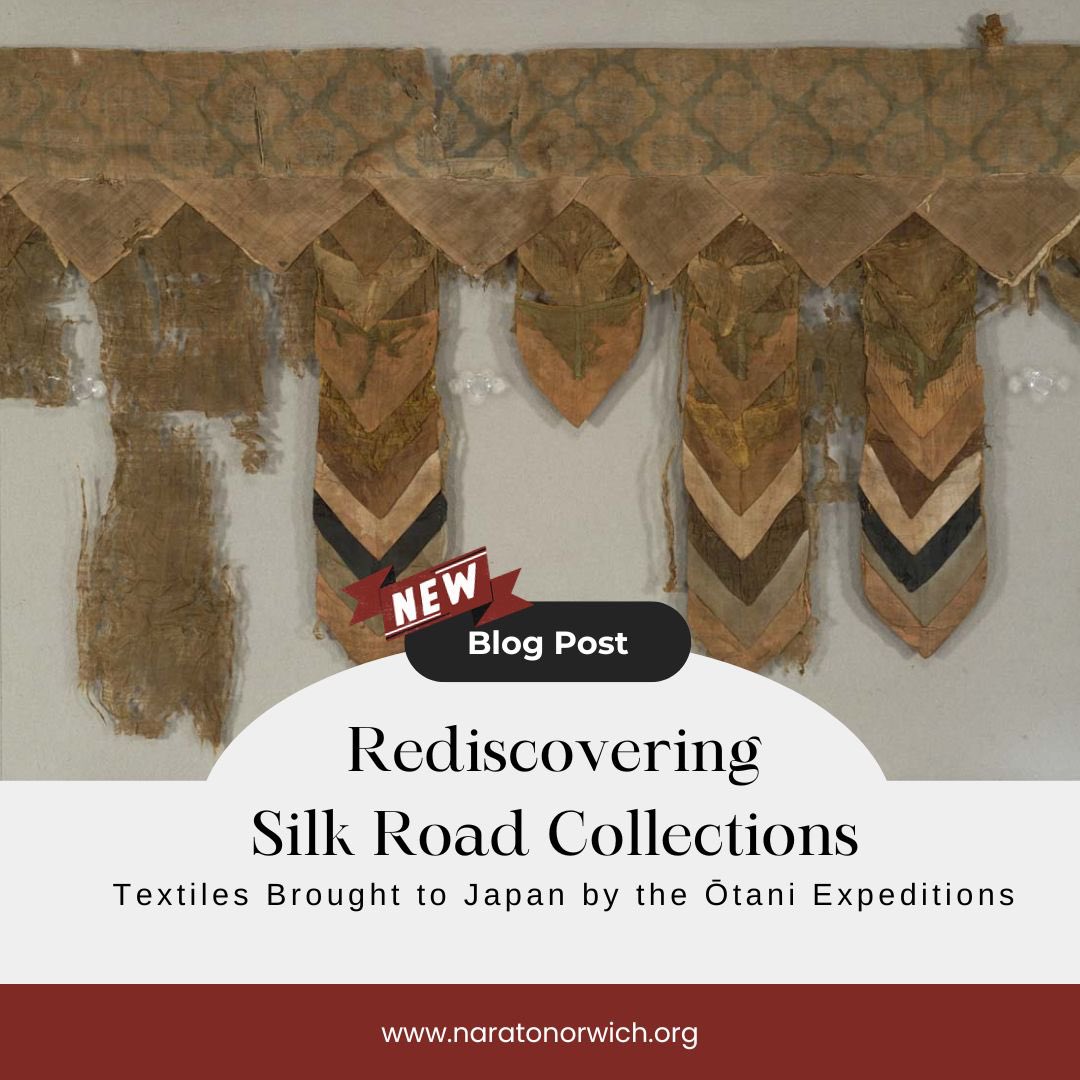
Images of Altar Valance (TI-505-50). Images provided from the Digital Research Archives of Tokyo National Museum https://t.co/0u2iVkNw8m.
Following the IASSRT symposium, we are publishing a series of posts showcasing the papers most relevant to the Nara to Norwich project. This week’s paper, by Hiroya Himeka, is on Silk Road textiles in Japan and was translated by Melissa M. Rinne. 🔗⬇️
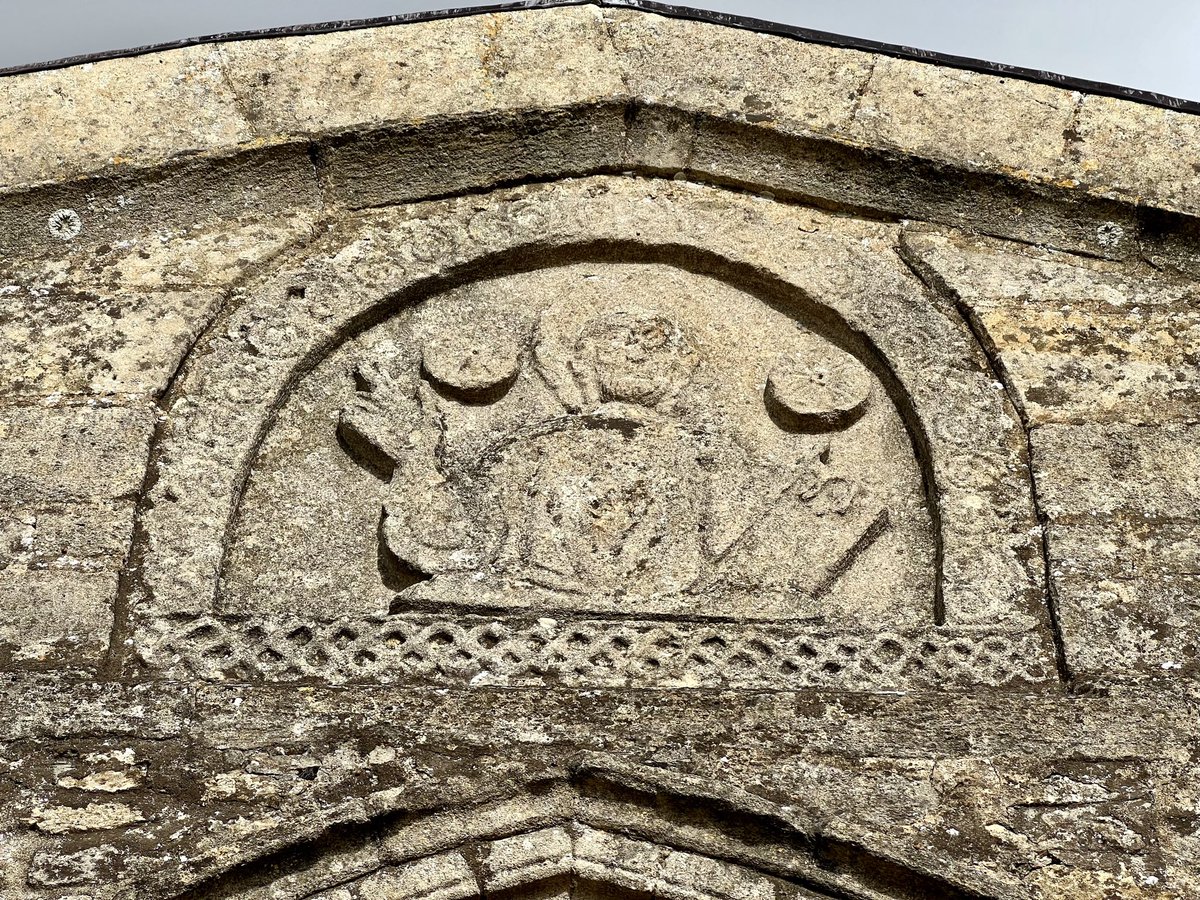
Hexham Abbey's #SaxonSunday crypt is part of Wilfrid's original church of c. 674, conceived as a shrine to contain relics he brought from Rome and elsewhere.
Church may have been entirely built from #Roman#SundayStonework from nearby Corbridge, much in evidence in the crypt.
But the church is built on the carcass of a much earlier, 7th century Saxon abbey burnt down by Viking raiders in 870 CE.
Around are chunks of Saxon sculpture, while to the north east sits part of a Saxon door set in a wall which was reincorporated into the Norman church /3
This magnificent eyebrow guard from #Uppåkra is made of gilded bronze and was once part of a resplendent helmet like the one from #SuttonHoo in England or from Vendel and Valsgärde in Sweden. It dates to the #VendelAge ca 550-750 and might have been worn by the ruler of #Uppåkra.
Did you know we have one of the world's most important collections of Hogback grave markers?
These stones are special as the Vikings didn’t usually use grave markers. It’s something we only see around the 10th c. You can see the stones in the Museum, in the Monks Dormitory
If you are in Dublin tomorrow don’t miss this event! Our museum has loaned objects back to Ireland (they are back for the first time in a thousand years!) for an exhibition on links between Norway and Ireland in the Viking Age. #museum#heritage 🇳🇴🇮🇪