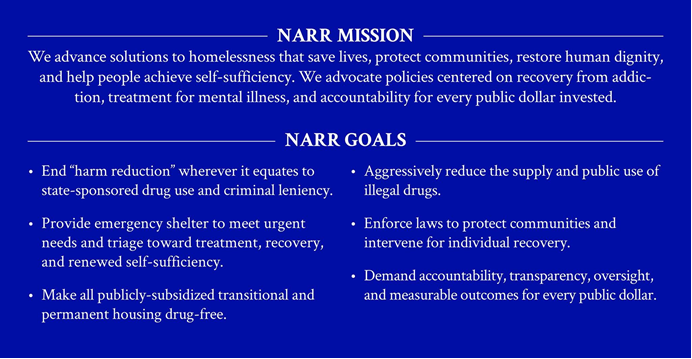
Congress has mandated that homeless aide programs "optimize self-sufficiency" among recipients (McKinney-Vento Homelessness Assistance Act). Yet a Rhode Island judge has just barred the federal government's efforts to do just that.
https://t.co/vPbIXBgTwV
"Real compassion has expectations." — @jasonrantz
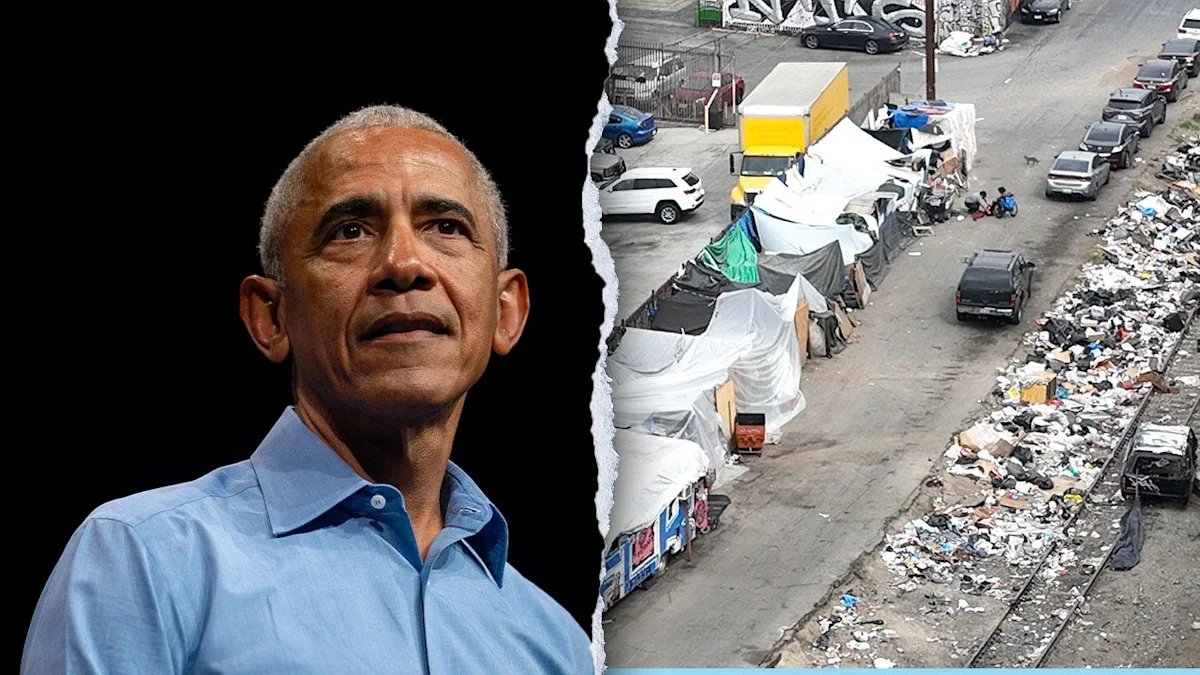
Rantz: Mayor Katie Wilson’s Seattle means I stepped in human waste on a sidewalk, and there’s no plan to fix the mess https://t.co/mFZKZGGod0
In this month's good news: "Homelessness nonprofit Bread of Life Mission will open a thrift store at the former Seattle Lighting flagship building in Pioneer Square on Thursday. Proceeds from the nonprofit’s first thrift store, called Bread of Life Thrift, will fund the nonprofit’s services, including shelter, daily meals, addiction recovery counseling and housing placement support."
https://t.co/SIqMn9p21Q
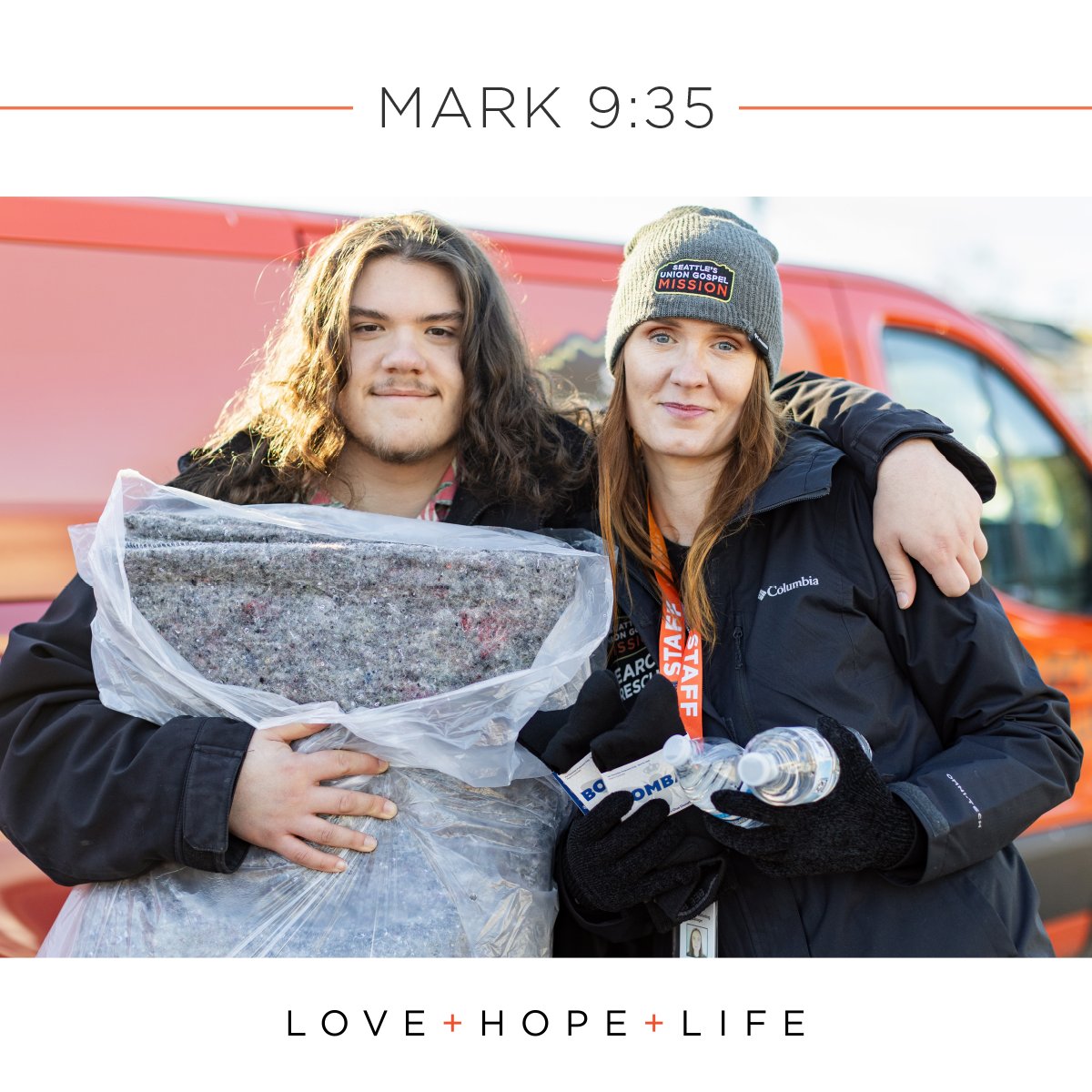
"Sitting down, Jesus called the Twelve and said, “Anyone who wants to be first must be the very last, and the servant of all.” —Mark 9:35
🙏 How can we #pray for you this week? Visit https://t.co/qOqT6MQr75 to share how we can lift up your needs.
In Seattle's recently unveiled "More of the Same, But Better!" homelessness plan, we have the new and expanded Behavioral Health Bridge, formerly known as the Mental Illness and Drug Dependency Behavioral Health Sales Tax. I asked Google to explain the differences between the new and old, and it replied candidly:
1) Name and framing (ah.)
2) Timeline and renewal phase (the old plan was for last decade, this one is for next decade)
3) Projected funding levels (increase from $134 million per biennium to $180 million)
4) Strategic priorities (new wrapping paper on same old: law enforcement diversion, "low-barrier" housing and treatment, more public employees, etc.)
King County’s $180M plan focuses on diversion, equity, expands drug use recovery services https://t.co/keSlgjwUgj
Integrating faith, medicine, and recovery is a winning combination in addressing homelessness and addiction.
The Trump Administration is welcoming faith-based organizations to combat the homelessness crisis that has worsened under Housing First.
Why Was MAPDA Action Formed?
Awareness is essential, but awareness alone cannot change laws or close gaps in accountability.
When lives are lost to illicit and harmful substances, families are often left searching for answers.
MAPDA Action was formed to confront these challenges.
We advocate for stronger laws addressing deaths involving illicit substances, greater accountability, and policies that protect families and communities.
We believe families affected by these devastating losses deserve a voice in the decisions that shape our laws.
Our mission is clear: Stronger laws. Greater accountability. Safer communities.
We Find Fights. We Win Them.
Learn more at https://t.co/LKJV8vjlo0
#MAPDAAction #DrugAccountability #LegislativeAdvocacy #DrugPolicy #PublicSafety #FamilyVoices
In this ongoing court case, a federal court in Rhode Island ruled that HUD can't fund things like drug-free and recovery housing and must maintain the status quo of low barrier supportive housing where 30% of overdose deaths occur. This will be appealed and @HUDgov will prevail.
This is what special interest lawfare looks like, and it's costing human lives. The public housing industry is fighting viciously to protect the billions in federal dollars that have streamed into their human warehousing projects. The Trump Administration wants recovery-based homelessness programs that measure success in lives transformed and restored.
https://t.co/EZJcn2uY2F
!!! Congress is about to undo the most serious attempt in a decade to fix federal homelessness policy. It is doing so in three short provisions buried in the Transportation-HUD Continuing Resolution.
These provisions are short, but their effect is not. Together they turn a competitive grant into an entitlement, freeze the money where it has failed, and blind the agency charged with oversight. HUD’s efforts to increase accountability, oversight, and outcomes will be trashed. @InstituteCicero
https://t.co/sQ62pSDfxh
Nearly 1 in 3 poison center calls for hemp THC products involved a child under 6.
Calls jumped 88% in a single year. Children under 6 made up 58% of the critical care admissions.
"Many people don't realize how toxic these products can be, especially to young children," the poison center's medical director said.
The ban on these products takes effect Dec. 11, and the industry wants a delay. What changes: https://t.co/pGXIxtsbpZ
Tell Congress, no more delays: https://t.co/YD1csCUP6d