After 15 Year of posting about my passion for NASA and specifically the DSN, I'm finding it harder posting as an individual within the new NASA media framework. Its been a pleasure sharing my experiences and hopefully people have enjoyed them. All the best 😀
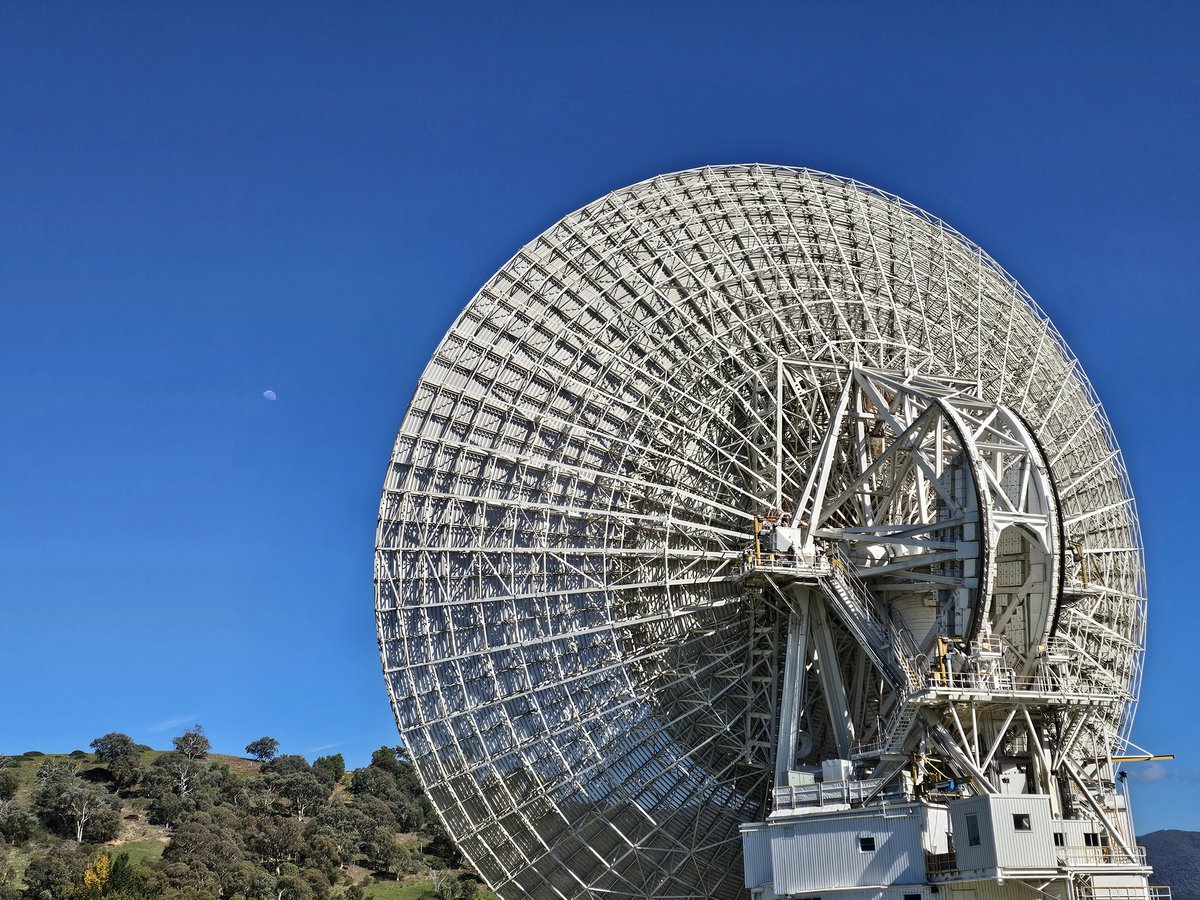
Canberra's DSS43 tracking Artemis 2 with the moon in background. The DSN has done a brilliant job maintaining communications with Orion over the last week. I'm very proud of the Operations teams at Goldstone, Madrid and Canberra.
Thanks everyone 😢. I'll keep the account active, some of my posts will still be relevant into the future. I might start posting about my other passions... I just have to find one 😉
@alpha_adhito We aim in between the two, both see a small loss. For Ka uplink/downlink supports we use an aberration table, which physically offsets the uplink pointing, so no lose.
@VU3BIZ There are 4 bit rates generally used, increasing as the elevation increases and also dropping with elevation to maintain the 2db margin. The highest is 333,333b/s
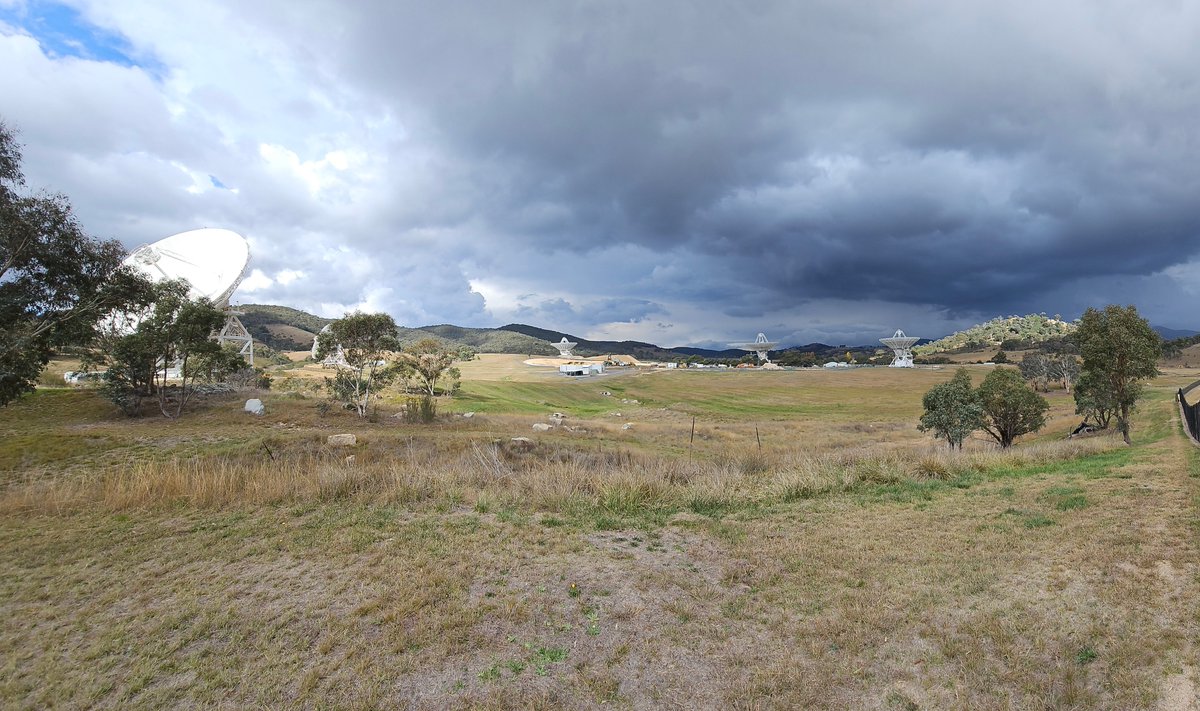
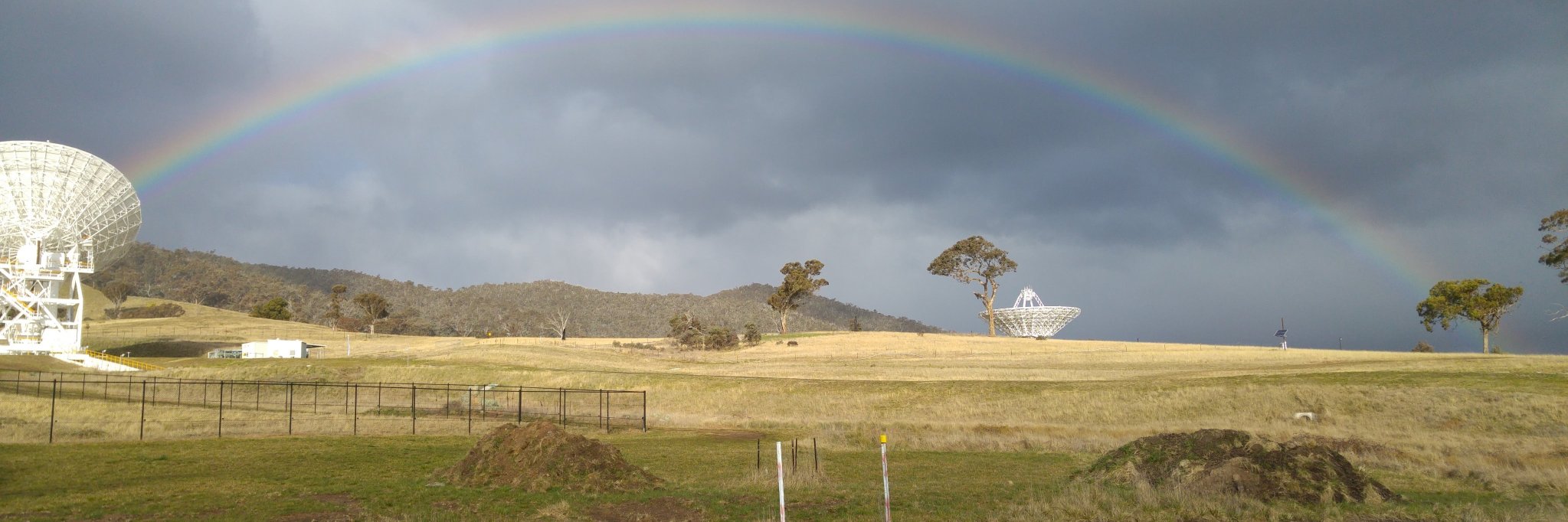
Some nasty weather starting to hit the complex. Just made it back to the ops room before the rain started. Luckily only DSS36 SOHO so S-band which is OK but the DSS35 on Juno both X/ka Band will see an impact from the weather. DSS34,43 are on maintenance.
@xjamesmorris@NASAPersevere The round trip light time makes any real time ARQ impractical. Usually it's a repeat of the data on another support if it's science data. Engineering data is generally lost.
@realstealthcow@NASAPersevere The DTE is for real time low level engineering, they don't have to wait for an orbiting spacecraft to be overhead. All science data goes via our relay spacecraft.
We’re celebrating two milestones for @CanberraDSN!
The complex, which operates four radio antennas for our Deep Space Network, recently marked its 60th anniversary. Now, preparations are underway for a fifth dish that will increase the network's capacity. https://t.co/9KYFN7muUt
No its not a DSN Now issue. Currently our network is down for mission net maintenance. Every man, women and their dogs are piggy backing on this time to get jobs done around the network that could have a mission impact if done at any other time.
Now fully "awake" after its little nap its back to its normal configuration for the DSN. Identical telemetry transmitted on both Right and Left polarization and combined on earth to provide a 3db (doubling) gain. New Horizon is still the only spacecraft configured this way.
Just roused from hibernation, New Horizons starts six months of active operations that will include long-distance looks at Kuiper Belt objects and close-up data gathering on the dust and radiation environment in this remote part of our Sun’s heliosphere. https://t.co/HropgUD74r