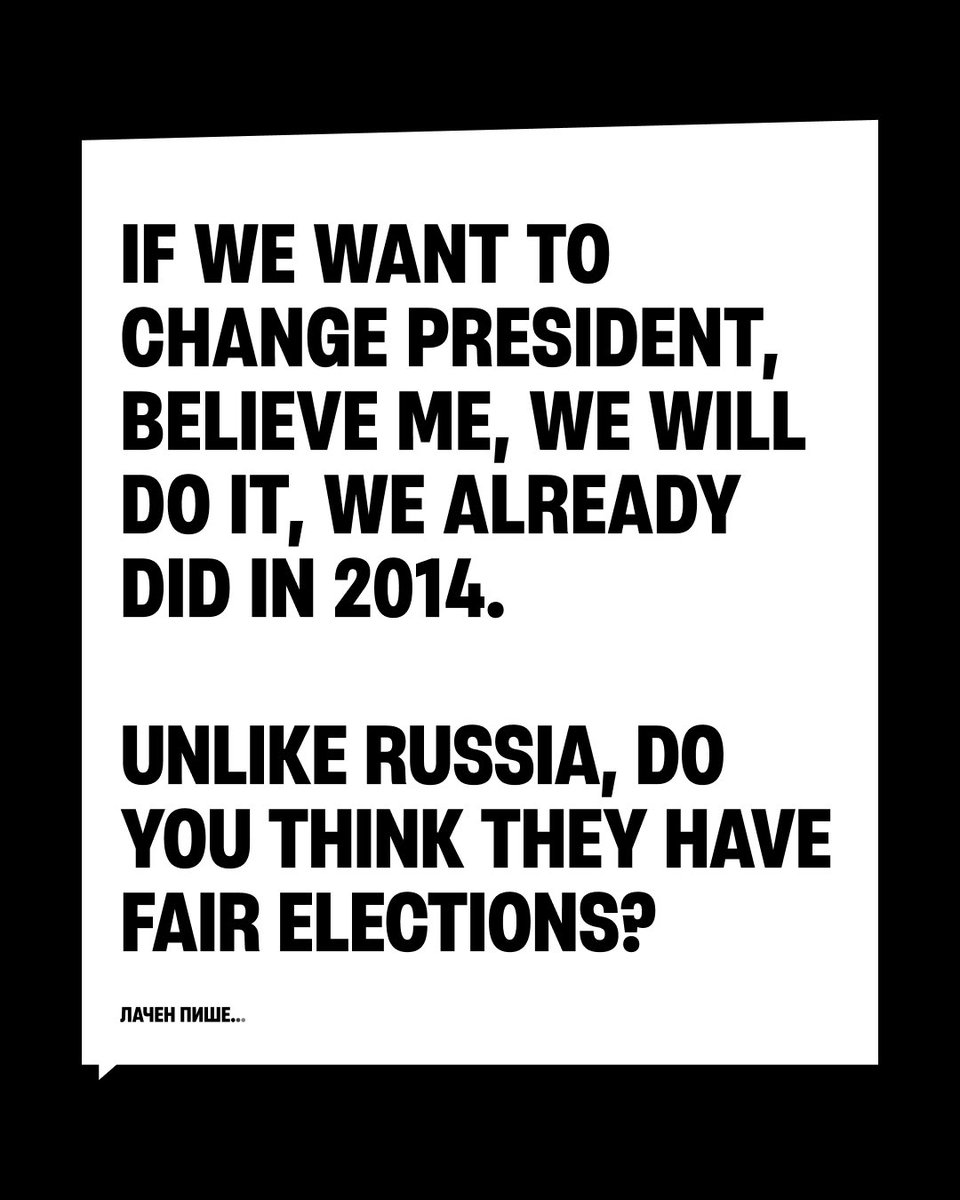
The irony is that even Elon Musk’s own AI can fact-check him and explain why he’s wrong.
Russia hasn't launched another mass mobilization since 2022. Instead, it relies heavily on paid contract soldiers.
In 2025 alone, Russia recruited an estimated 364,000 contract soldiers. In 2026, it's still recruiting around 20,000–30,000 a month, offering signing bonuses averaging over $20,000, plus salaries and benefits.
By claiming Russians “have no choice,” Musk once again shows how little he understands Russian society. Widespread corruption, bribery, and draft evasion have allowed many Russians to avoid military service for years.
Many Russians aren't being forced to fight. They're signing up for money.
Coercion exists, but so does financial motivation. Hundreds of thousands are signing contracts to fight for money.
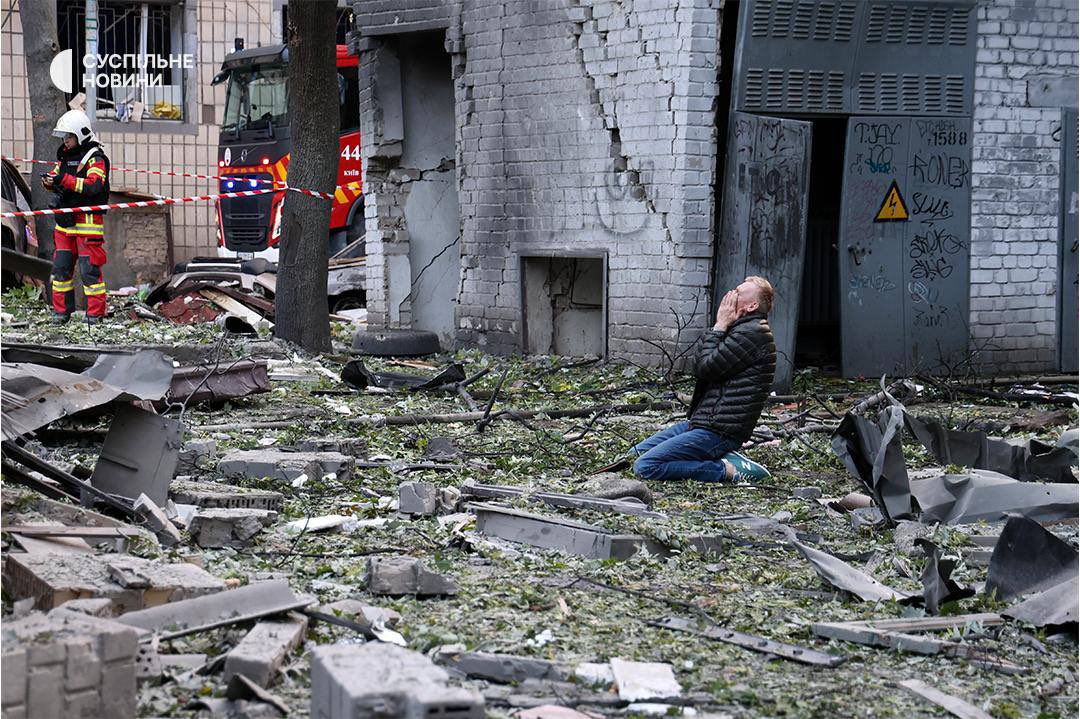
This is how the headquarters of Ukraine’s government now looks after this morning's Russian attack. Our whole team works in this building daily. Fortunately, no one was injured. Russian barbarism will not halt the work of Ukraine’s government.
The walls will be repaired, they are only bricks, but the lives of our people can’t be restored. In this night’s Russian attack 4 people killed and 44 injured.
What is clear is that Russia does not want peace.
I urge the world to turn outrage over Russian crimes into concrete support for Ukraine. Not for the walls of this building, but to protect our people and communities across the country.
We need stronger air defense – more systems and more ammunition – to shield our cities and our energy system as winter approaches. We need tougher sanctions that will deprive the aggressor of oil and gas revenues, the very resources funding its terror.
Only by standing strong and united can we bring an end to Russian aggression and secure peace.
Today, the Russians launched a stone-cold, combined attack on our energy infrastructure. This is a spit in the face of everything the international community is trying to do to stop this war.
It happened right after Putin’s conversation with Trump. After the Americans asked us not to strike Russian energy facilities. At the same time as Putin tries to portray himself as a mediator for the Middle East and attempts to somehow assist his accomplices in Tehran. The level of cynicism is staggering.
This war would have ended long ago if the world had reacted with principle and refused to fall for Russian propaganda. I thank everybody in the world who now pushes for the necessary sanctions against Russian oil, and a proper price cap, one that actually hurts the Russian budget.
Without that, Putin will continue to ignore everything the world is doing to bring peace. He doesn’t personally need peace, he himself is the war. Only a real cash shortage can convince Russia to be less dangerous to its neighbors.
In today's Vatnik Soup, I'll discuss extensively why the West is losing the information war. The format is a bit different from earlier ones, but here goes:
The West is losing the information war
Countries like Russia and China have spent years turning disinformation into a central pillar of statecraft. They don’t just lie—they lie loudly, constantly, and across every available platform. They’ve mastered the art of sowing confusion, undermining trust, and deepening political divides inside democratic societies. This isn’t done by accident—it’s done through well-funded, highly coordinated campaigns that blend state media, covert troll farms, social media influencers, and manipulated algorithms.
At the same time, they maintain an iron grip on their own information environments. In Russia, independent media is silenced, dissenters are jailed, and the internet is censored through so-called “sovereign” infrastructure that can block or throttle unwanted content. In China, the state filters all online speech through the Great Firewall, bans platforms like YouTube and Twitter, and floods domestic social media with tightly controlled propaganda. Algorithms are not tools for engagement—they are instruments of obedience.
That’s the key to their advantage: they control what their citizens see while exploiting the openness of our societies. We can’t inject truth into theirs—but they can inject lies into ours. Their disinformation can reach our phones in seconds, while our facts can’t even get past their digital borders. It’s a deeply asymmetrical fight, where authoritarian states operate with speed, scale, and impunity—while democracies struggle to respond without undermining our own values of free speech and transparency.
These regimes don’t wait around for approval. They don’t worry about press freedom or public debate. If they want to launch an influence campaign, they do it—quickly and quietly. They have entire networks producing and spreading their messages in dozens of languages, 24/7.
Worse still, they’ve gotten very good at grabbing attention. They use social media superspreaders, conspiracy influencers, and flashy TikTok videos to package their propaganda into something that feels exciting, rebellious, or funny—even when it’s completely false. They tell simple, emotionally charged stories that spread like wildfire. And all this is supercharged with AI.
And what do we counter that with? Dry press releases from EU officials. Long reports. Monotone statements from diplomats. Detailed debunking articles hidden behind paywalls, or buried deep in PDF reports that almost no one reads. Good intentions—delivered with all the flair of a tax form. Most of it never reaches the people actually being targeted by disinformation. It’s not that we don’t have the facts—it’s that we’re terrible at making people care about them.
Meanwhile, the information battlefield has already shifted. In Finland, half of teenagers between 13 and 18 now get their news from TikTok. And it’s not just influencers and entertainment—even North Korea is now publishing propaganda on the platform. That’s the level of reach and adaptability we’re up against. Authoritarian regimes are speaking directly to the next generation, using their language and their media. And we’re still whispering from behind paywalls and official podiums.
We’ve already seen how devastating information warfare can be when left unchecked. In January 2014, 60% of Russians had a positive view of Ukrainians. Then the Kremlin launched a relentless defamation campaign on national TV and social media—painting Ukrainians as Nazis, traitors, or puppets of the West. By 2015, the numbers had flipped: 60% of Russians now had a negative view of Ukrainians. This is how propaganda works. And when you control the entire information ecosystem, it works terrifyingly well.
But at the same time, Ukraine learned to fight back. Since 2014, and especially after Russia’s full-scale invasion in 2022, Ukrainians have treated information like a front line. They’ve built partnerships between government, civil society, and creative communities. They’ve used humor, memes, music, and viral videos to expose lies and boost morale. They work around the clock—not because it’s trendy, but because they understand just how destructive these manipulation campaigns can be. In Ukraine, disinformation isn’t an abstract threat—it’s a weapon that softens targets before the bombs fall.
Take Russia: it’s spending nearly $2 billion a year on state propaganda. China’s media operations are even more extensive and opaque. Meanwhile, the European Union is spending a tiny fraction of that trying to defend the truth.
It’s not just about money—it’s about mindset. We’ve been playing defense, trying to fact-check lies after they’ve gone viral. That’s not enough. We need to get ahead of the problem.
And we can’t just focus on short-term fixes. Both Russia and China plan their information strategies decades ahead—and we should too. That means giving more resources and support to modern media creators—influencers, podcasters, digital artists, futurists, analysts, visionaries. These are the people shaping how millions think and feel. We need to invest in the platforms, voices, and formats that actually reach people today.
We also need to build long-term resilience. We need to build a vaccine against online disinformation. And that vaccine is education.
That means warning people before the lies start spreading. It means teaching media literacy in schools, so young people know how to spot manipulation. It means putting clear, truthful, engaging content in the places where people actually spend time—YouTube, TikTok, Instagram—not hiding it away on obscure government and EU websites.
But defense alone won’t win this war. We must take the fight to the adversary’s doorstep. Authoritarian regimes have real vulnerabilities—corruption, repression, inequality, and elite hypocrisy. These are pressure points we should be targeting with truth-based messaging that empowers dissent, exposes abuse, and undermines their control over public perception. This isn’t about regime change—it’s about using facts to challenge the myths they rely on to stay in power. Just like they exploit our openness, we must be willing to expose their rot.
This isn’t about copying authoritarian tactics. It’s about defending the values we care about—freedom, transparency, democracy—with creative and bold strategies.
Do we really need to wait until Russia is sending drones and troops across our borders to finally take this seriously?
The information war is here. We don’t get to choose whether we’re part of it. But we can choose to stop losing.
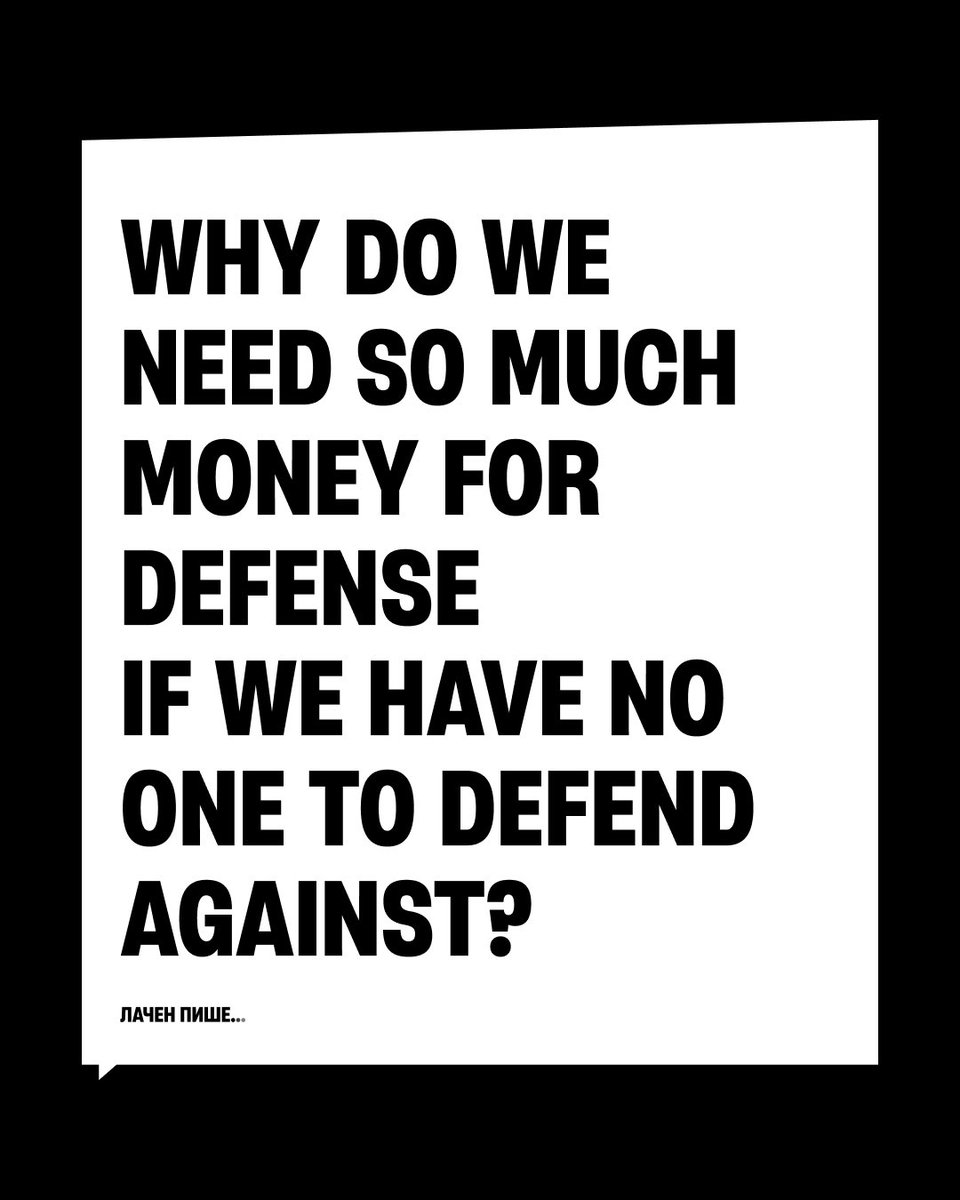
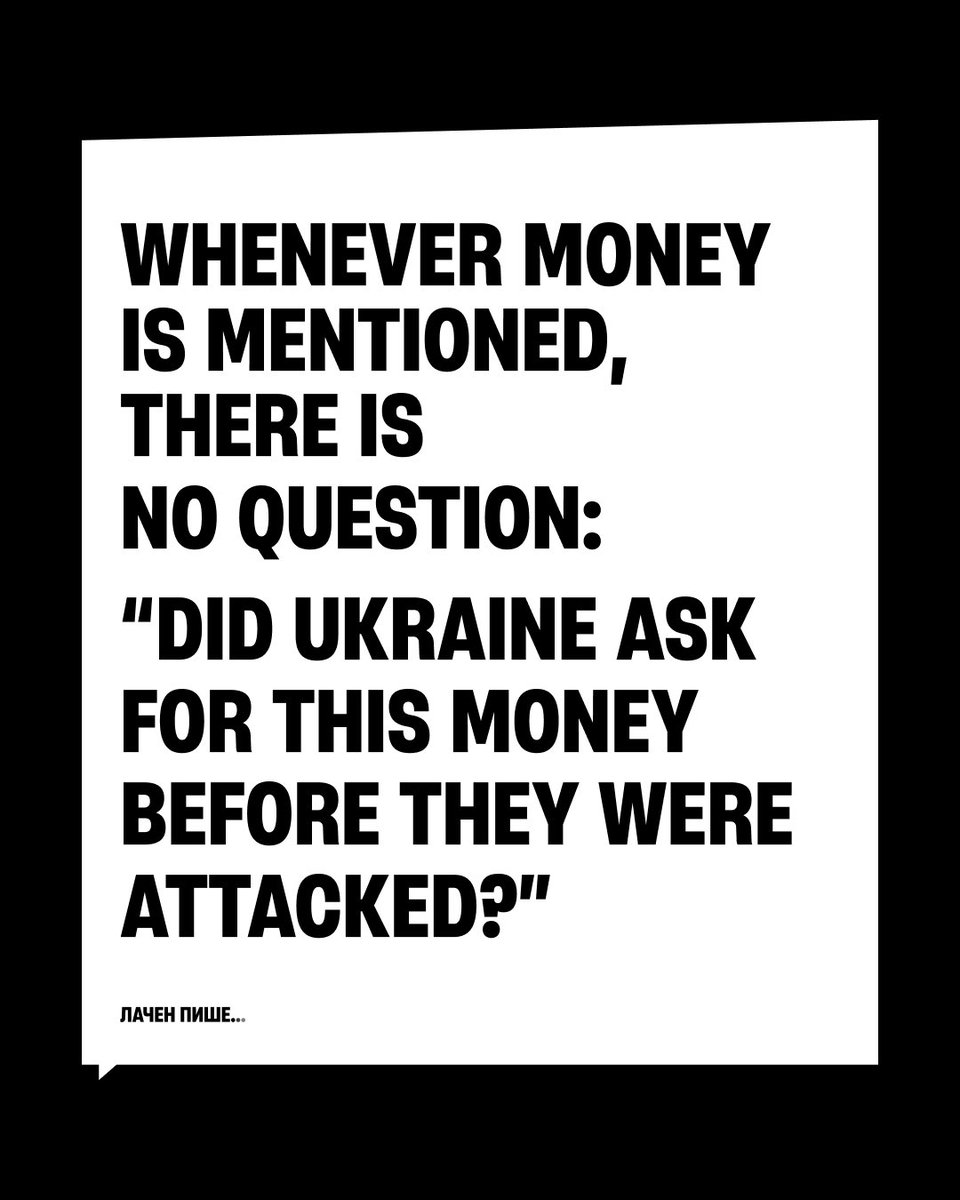
Let us understand: the United States has given us $106 billion in support against Russian aggression. And now we have to sign a deal where we give back $500 billion to continue receiving aid and deter Russian aggression?
Ukraine have already paid with everything we had, money, territory, resources, and most importantly, people. When will Russia pay for their aggression?
Volodymyr Zelensky is NOT a dictator.
Vladimir Putin IS a dictator.
Zelensky didn’t start the war in Ukraine.
Putin did.
Hope this clarifies things for anyone who is confused.
Holy shit. Trump says Zelenskyy “should have never started” the war with Russia.
Putin started the war by invading Ukraine. He is literally spreading Putin talking points from the podium. What a disgraceful asshole.
Remember Bucha.
Remember Izium.
Remember Mariupol.
Remember Volnovakha.
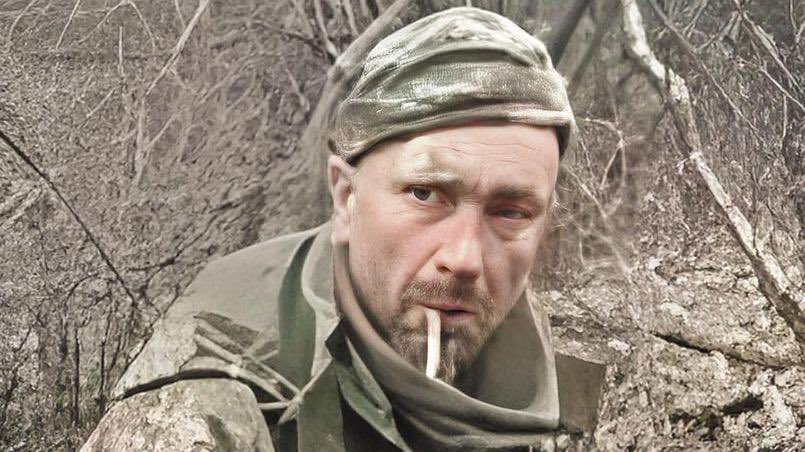
Remember the Ukrainian POW’s executed by ruSSia.
Remember the stolen Ukrainian children.
Remember that the US President extended the hand of friendship to the man responsible for all of that terror and more.
When are we Europeans going to stop being scandalised about Donald Trump and start helping him to end this war?
Of course Ukraine didn’t start the war. You might as well say that America attacked Japan at Pearl Harbor.
Of course a country undergoing a violent invasion should not be staging elections. There was no general election in the UK from 1935 to 1945.
Of course Zelenskyy’s ratings are not 4%. They are actually about the same as Trump’s.
Trump’s statements are not intended to be historically accurate but to shock Europeans into action.
In particular the US can see $300bn of frozen Russian assets - mainly in Belgium. That is cash that could and should be used to pay Ukraine and compensate the US for its support.
Why is Europe preventing the unfreezing of Putin’s cash?
The US believes Belgium, France and other countries are blocking. It’s absurd. We need to get serious and fast.
Russians hit the sarcophagus of the Chornobyl nuclear power plant.
This is a peace signal. Putin simply wants peace. Look, russia is for peace. Peace, isn't it clear?
During his interview with Piers Morgan, @TuckerCarlson made some pretty bold claims about Ukraine that have no basis in fact, and we’re here to set the record straight for you.
(1/10)
Dnipro, an ordinary city in Ukraine, became the center of another alarming event overnight. Russia reportedly launched an intercontinental ballistic missile, likely the RS-26 "Rubezh," weighing 40-50 tons. This missile is primarily designed to carry nuclear warheads.
The attack appears to be part of a broader strategy of "power demonstration" and psychological pressure against Ukraine and its people. The use of such a weapon, even without its nuclear payload, escalates fears and highlights the ongoing risks faced by civilian populations amid the war.