He’s sitting in the chair in the photo. Bullet to the head. This is how the Israeli drone operator saw him and decided to kill him. Anyone still denying civilians are targeted is lying and guilty of war crimes denial. At worst, terrorism supporters.
If you’re not enraged, what are you waiting for.
Hi @imccinemas any chance you'll re-release the LoTR Trilogy (extended version) - ideally in your Ballymena branch. ODEON have it in Belfast but the screen quality was dire - worse than DVD quality.
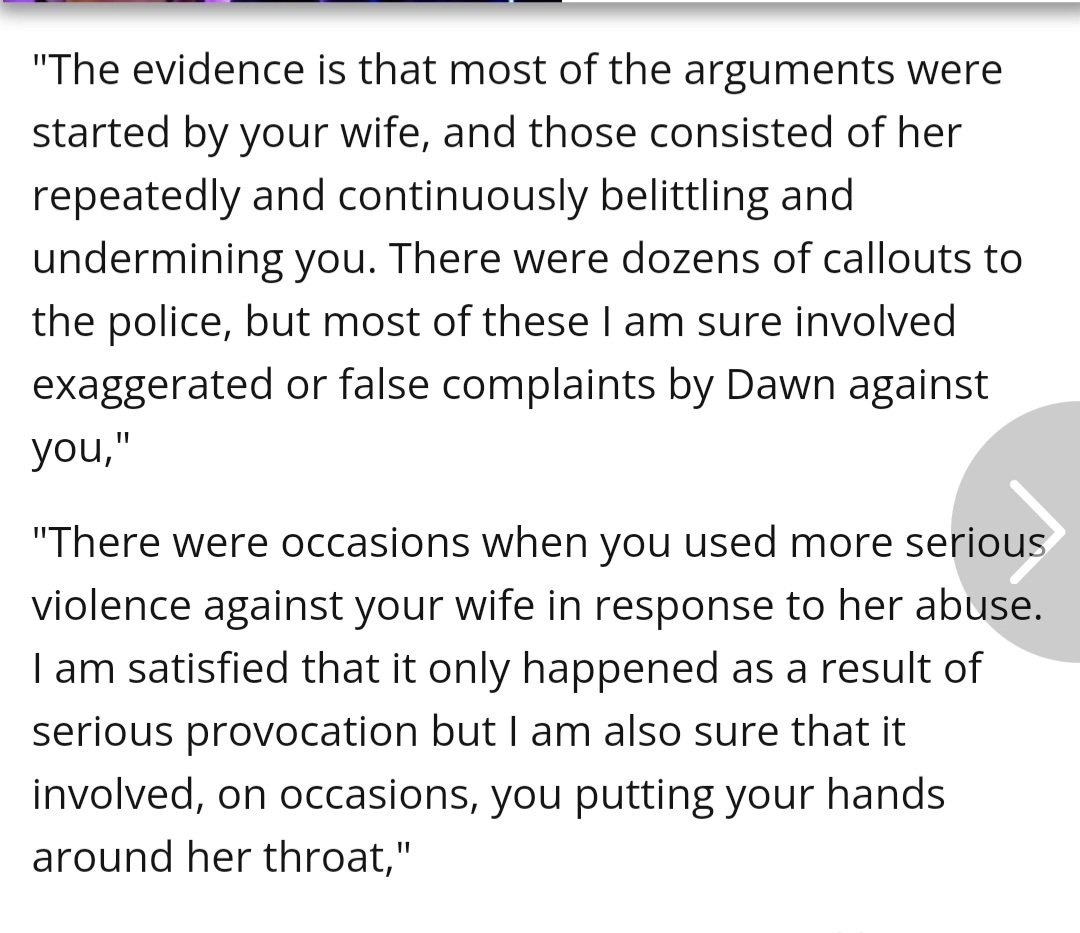
I bet there are loads of women reading this - a judge sentencing a man to six years for killing his wife - thinking "if my partner ever kills me, that's the story he'd tell people about me"
Fantastic news that @carnloughcips has become the third school this term to gain their Excellence in Integrated Education Award. A huge well done to everyone involved! #IntegratedEthos
Earlier this week, a journalist in Gaza made one of the war's grimmest discoveries: four dead babies, their bodies decomposing on the beds in Al-Nasr Hospital where they had been left. This is the story of what happened: https://t.co/Dy7SJqrN1A [paywall free]
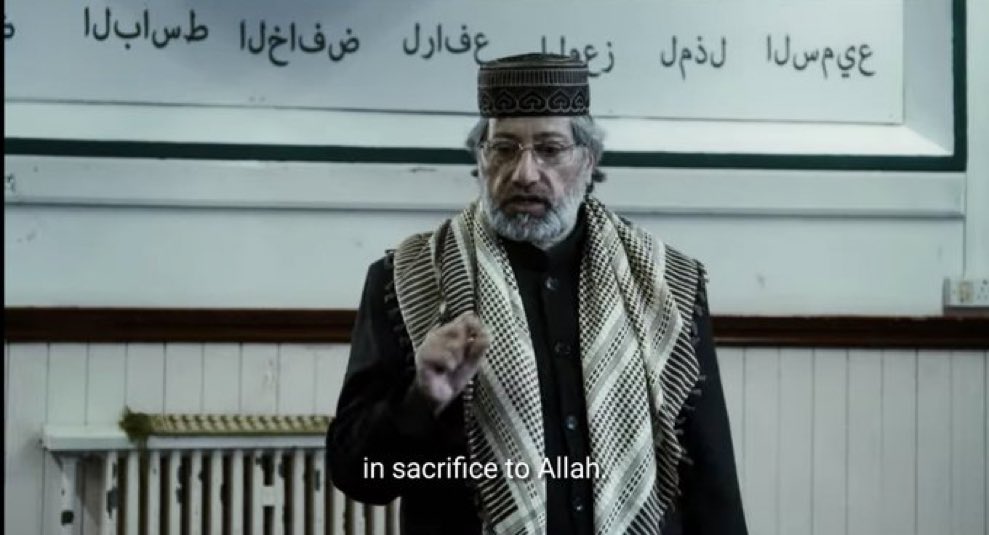
You know when sometimes Arabic writing is shown in movies and TV shows, and Arabs immediately know it’s wrong but non-Arabs think it’s legit? That’s how those Hamas Gaza recordings sound like (the one where they supposedly admit that hospital bombing was Palestinian)
More Palestinian children have been killed in the first week of this month’s Israel-Gaza war than in the entire first year of Russia’s war in Ukraine, according to numbers from the Office of the UN High Commissioner for Human Rights (OHCHR)
Idgf about who Ukraine stands with b/c I’m a Bosniak genocide survivor & not just a researcher too! Collective punishment is illegal under intl law. Cutting off water, electricity, aid, and access to food is illegal under international law. Bombing indiscriminately is illegal.
the united states votes against the rest the rest of the UN Security Council opposing food & humanitarian aid for Palestinians
vetoed a pause, not even a ceasefire, a pause. How does @USAmbUN sleep at night
We at @UNFPA are deeply concerned for the safety and wellbeing of women and girls in Gaza, which is home to 50,000 pregnant women currently unable to access essential health services.
Some 5,500 of these women are due to give birth in the coming month.
https://t.co/YDze7orftz
No electricity, no food, no fuel for 1 million children. Straight from the horse's mouth. That can't be the civilised world's answer, whatever differences we may have on who did what to whom first or last.
@Riz_1@mssophiaakram I hope so because its hard to believe there is literally no options for a Shariah complaint mortgage on the entire island of Ireland. It is disheartening, going through the providers' FAQs to see "excluding Northern Ireland" over and over again.
"The Society did not admit women but her work was too significant to ignore, so it granted her a concession. Nina was allowed to sit behind a curtain while a man presented her findings."
I am in awe of how women persevered.
Woman of the Day archaeologist and poet Nina Layard (1853-1935) of Essex who, rather remarkably for a woman in those days, directed a number of important archaeological excavations from 1898 onwards. In 1921, she became the first woman President of the Prehistoric Society of East Anglia.
Nina’s only formal education was at a dame school - a school run by elderly women, usually in their own homes - but as a child, she collected shells and eggs and later became a “flint hunter” with a lifelong interest in natural history. Her meticulous work and records were unusually detailed for the period.
She located the foundation walks of Blackfriars monastery in Ipswich in 1898, her first major excavation; but from 1902, her most significant discoveries were at the Palaeolithic (Old Stone Age, before the Ice Age) site at Foxhall Road, Ipswich, where her detailed analysis of the stone tools found there broadened understanding of stone tool manufacture. She found knives, chisels and bores: “I have succeeded in boring a hole through hard wood with this implement, which is still sharp.”
In 1905/1906, Nina excavated an Anglo-Saxon cemetery in Ipswich which was under threat from road expansion, documenting 159 graves and their grave goods. Her finds were sent to the Ipswich Museum and she submitted a paper to the Society of Antiquaries in London. The Society did not admit women but her work was too significant to ignore, so it granted her a concession. Nina was allowed to sit behind a curtain while a man presented her findings.
Fifteen years later, the Society caved to the inevitable; Nina and three other women were admitted as Fellows, paving the way for greater acceptance of women in archaeology.






![evanhill's tweet photo. Earlier this week, a journalist in Gaza made one of the war's grimmest discoveries: four dead babies, their bodies decomposing on the beds in Al-Nasr Hospital where they had been left. This is the story of what happened: https://t.co/Dy7SJqrN1A [paywall free] https://t.co/BHWPLqVkrP](https://pbs.twimg.com/media/GAbwKMsWkAAxp6W.png)