Co-creator @TempleRun. Urbanism, politics, poetry, games. Raleigh, via DC/Boston/Miami/Moscow. Dream: Get around Raleigh without a car, no more leaf blowers
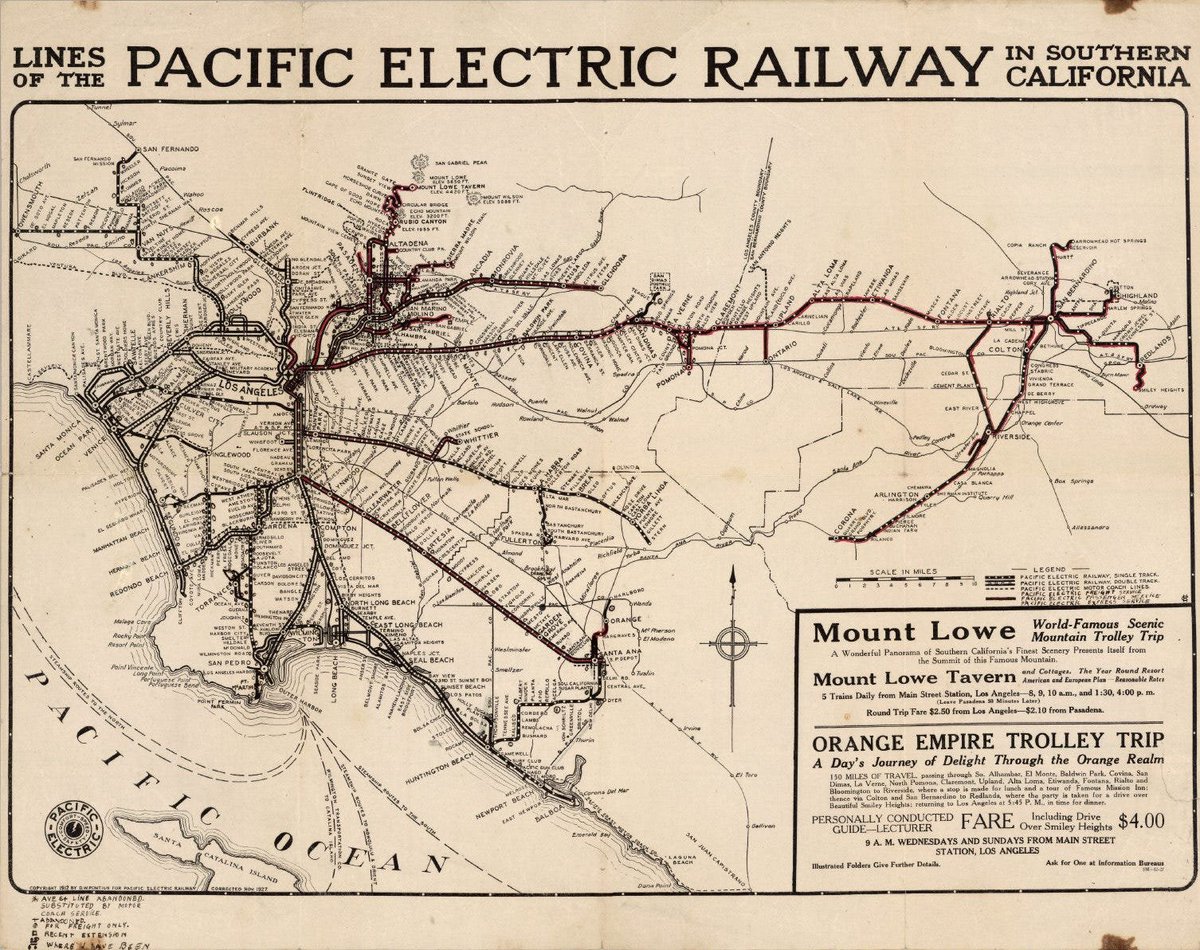
In 1910, Los Angeles had one of the most extensive mass transit systems in the US. Over a thousand miles of electric railway connected Los Angeles commuters to the surrounding suburbs. But by 1940, nearly all transit in Los Angeles was via car.
A recent study from NC’s Outer Banks showed that the one-time investment of $6.7 million for a network of bike lanes has yielded an annual nine-to-one return thanks to increased bicycle tourism.👇 https://t.co/zBSYLiMno7
More than 7,500 pedestrians were killed by a vehicle in 2022, the highest number in 40 years. But experts say, more than the design of vehicles, the design of the roads themselves is to blame for the alarming rise in pedestrian fatalities. https://t.co/bfkXjbfHLE
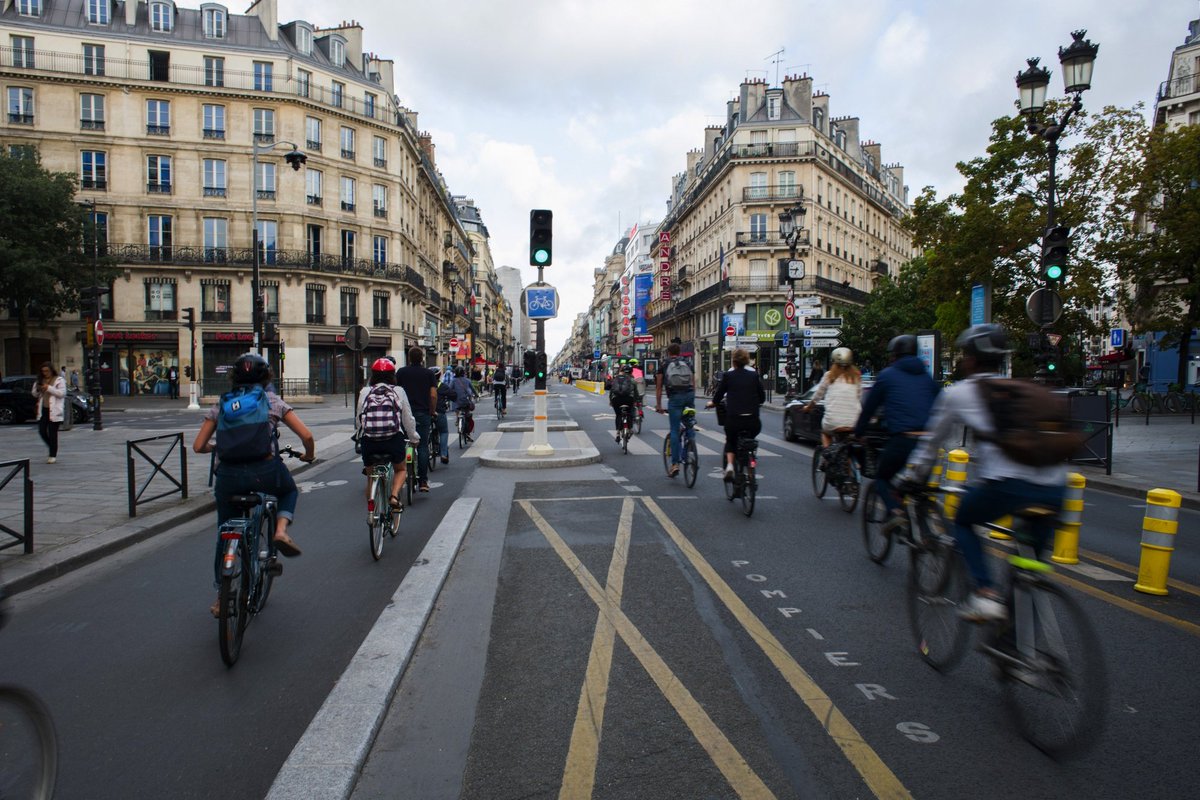
Paris is slashing car lanes from 8 to 4 on one of its most congested, polluted thoroughfares. They're turning what was a nasty arterial into a place people will actually want to be.
I'll say it again: Fare-free transit won't shrink the number of cars in your city, and it won't reduce emissions.
If you want to encourage more people to ride, focus on making service faster, more abundant, and more reliable.
https://t.co/TzMOFQy5NT
Remember, the next time an objector points out an “empty bike-lane,” it’s because they’re efficient. “This stretch in #Copenhagen conveys 8 times as many people on bikes compared to cars - still it's mostly cars we see.” — @urbanthoughts11 HT @anderspreben
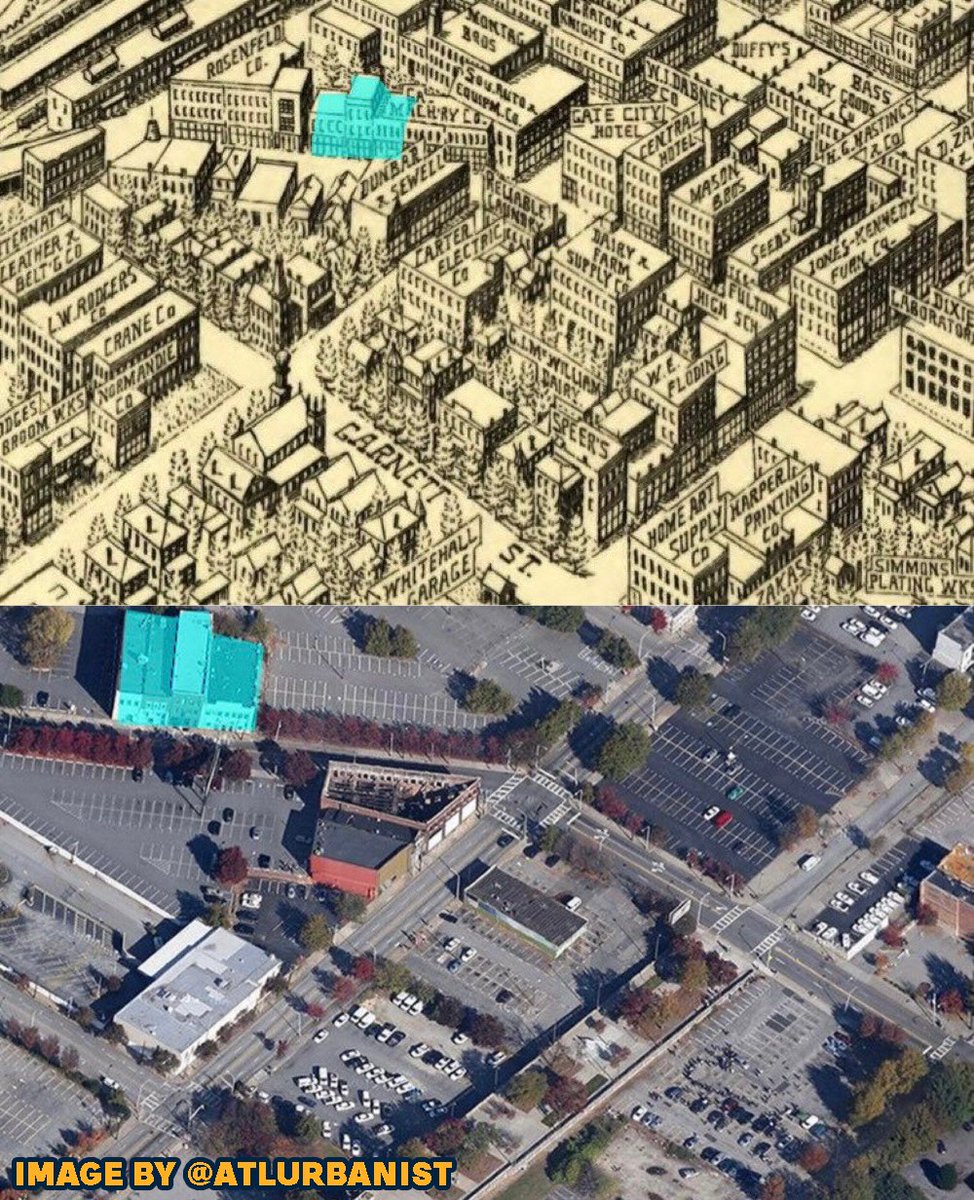
The top image is from a 1919 map of downtown Atlanta and the bottom is a photo of the same area from 2014.
Only one 3-building cluster of this entire multi-block area remains today. Most of the productive architecture has been replaced by wealth-sucking parking lots.
With pedestrian deaths in the U.S. at their highest point in four decades, advocates and urban residents across the nation are urging lawmakers to break from car culture. https://t.co/T0RZCM91uj
Absolutely immense road space reallocation in Barcelona on Avinguda Meridiana.
From 12 lanes for private vehicles down to 2 lanes for private vehicles, with bus lanes, cycle lanes and widened pavements. As well as significant greening.
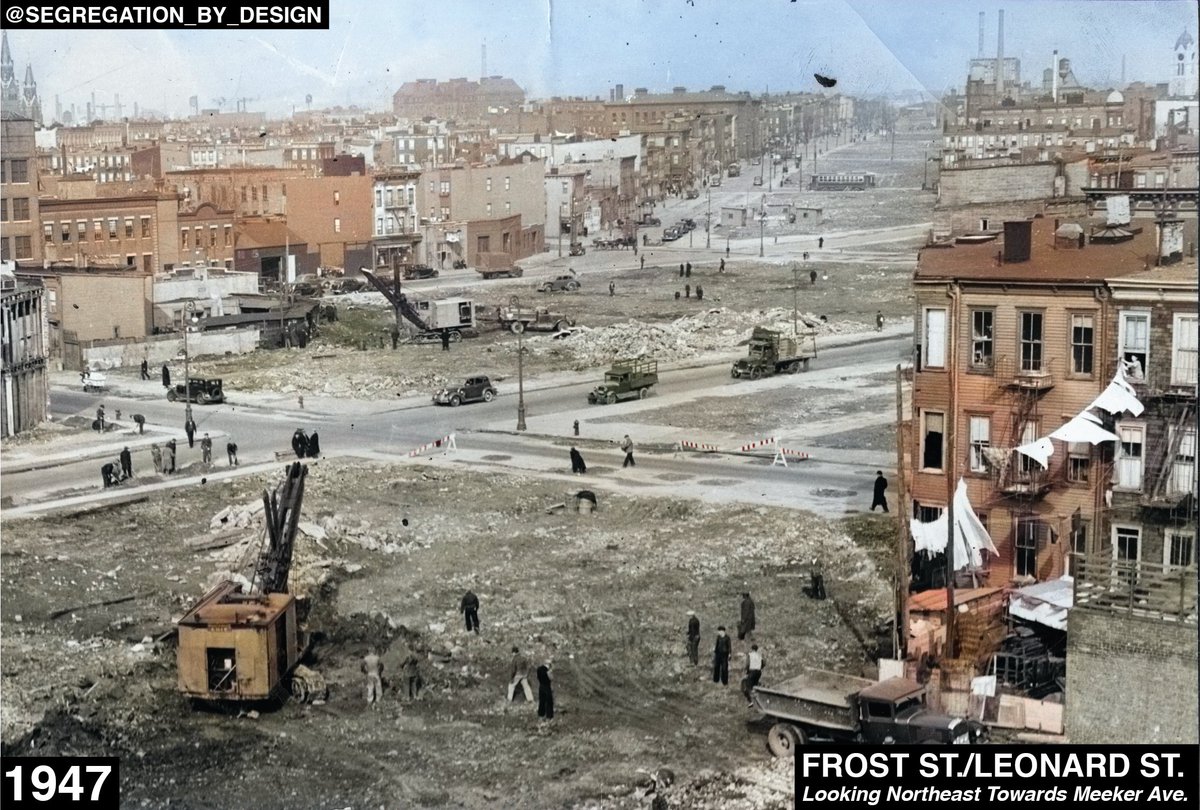
Construction of the Brooklyn-Queens Expressway, required the forcible displacement of tens of thousands of people across the two boroughs. Planned by Robert Moses, the highway cut a nearly 15-mile gash through some of the most densely populated neighborhoods on the planet.
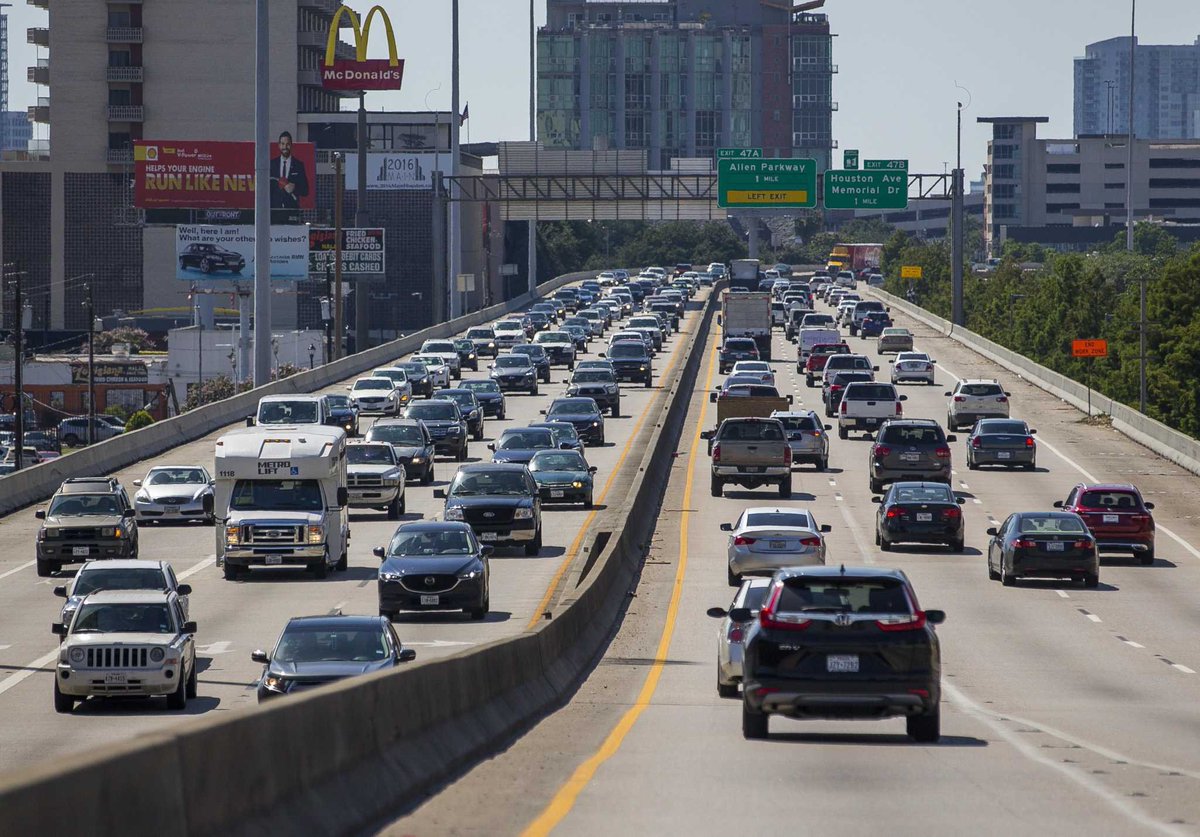
The only true long term solution to traffic congestion is getting cars off the road.
Provide viable alternatives like public transit, safe bike lanes and pedestrian facilities. Encourage more housing production in walkable neighborhoods.
Anything else is snake oil.
In Houston, Texas, plans call for widening 24-miles of I-45 at an estimated cost of $9 billion. 🚗
In France, plans call for building 32,000 miles of bike lanes across the country at an estimated cost of $2.2 billion. 🚲