Magdalena Mrokowska @MrokowskaM from the Institute of Geophysics, Polish Academy of Sciences, will be our next guest speaker (03/25) and she will talk about the Non-intuitive effects of exopolymer gels dispersed in seawater on the sinking dynamics of solid particles.
Do apply! You will be working with Subha (https://t.co/lswchHOFg9) and me. We'll study swim kinematics of mosquito larvae of different species to develop automated tools for their surveillance. It should be a super fun project! Check out the details: https://t.co/jrLVrxPFgo
Glad to have collaborated with @NayakLab1@Srinivas_a1@aalokelab in this study published in @iScience_CP and highlighted how citizen science with policy framework can also contribute towards monitoring of harmful algal bloom across aquatic ecosystems of India @ITMERG1
A comprehensive database of all documented HABs in Indian coastal/estuarine waters to date available here: https://t.co/oOT4ilyZNA. Thanks to @Srinivas_a1 for painstakingly combing through the literature for this - hopefully a useful dataset for the Indian HAB community!
Our article (@Srinivas_a1@aalokelab@BhadPunyasloke) on an integrated approach to monitor and study harmful algal blooms in India is out in @iScience_CP.
https://t.co/91vMjmQ6yW
On a personal note, a first foray into India-centric research topics - hopefully more to come!
I am looking for a PhD student to start in fall of 2025 at MSU. Potential topics include trait-based approaches to plankton community resilience, temperature effects on communities, harmful algal blooms, etc . Please get in touch if interested. More info: https://t.co/GEuuT5KHDq.
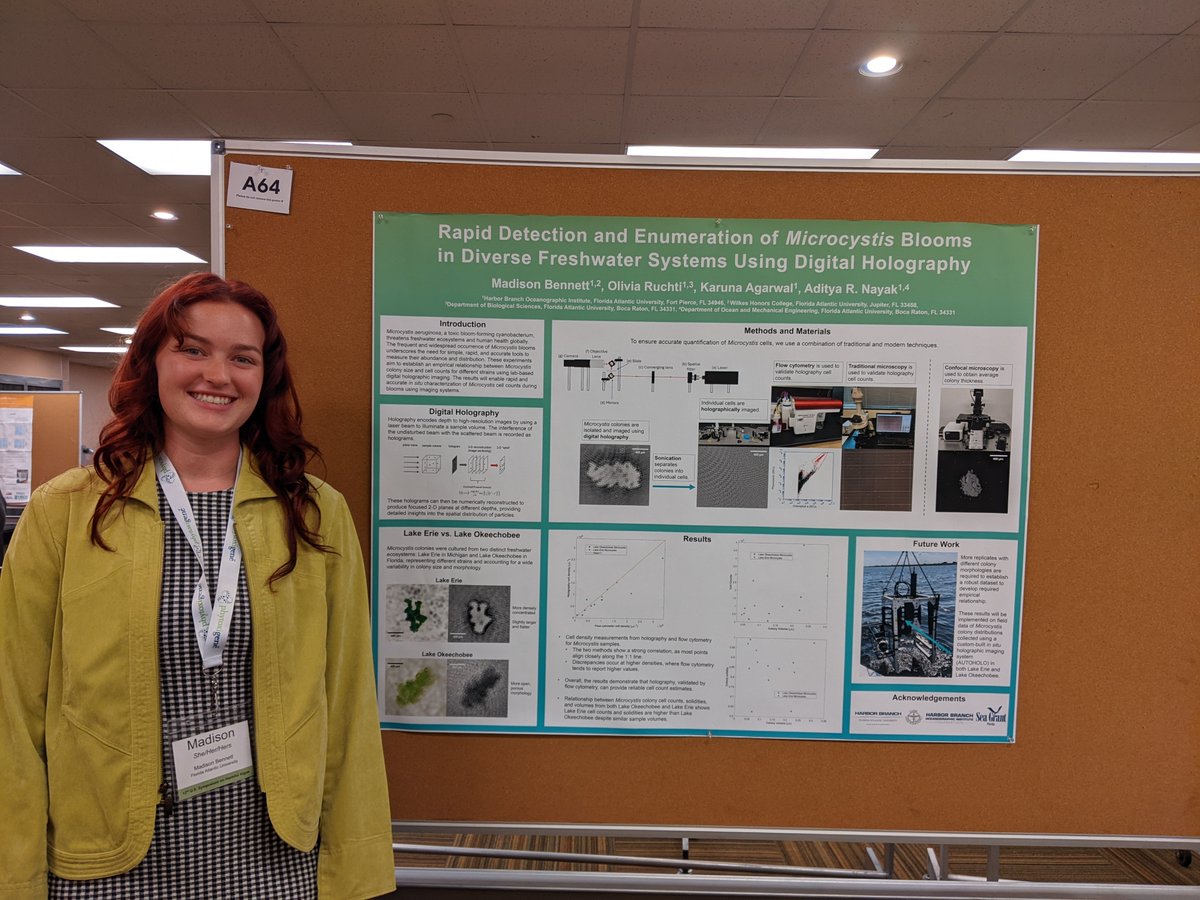
Had a fantastic time at the 12th US Symposium on Harmful Algae in Portland, ME last week. Excellent presentations (Lightning talk+poster) by lab UG Madison Bennett on her holography for Microcystis work, which were well-received! ICHA in Chile next year?:)
Thoroughly enjoyed my visit to Tacoma, WA yesterday. Great audience, beautiful campus and a lovely city! Thanks for the invite Rachel Pepper and team!@NayakLab1
Our results indicate that oceanic mixotrophs could be widely underestimated and their biomass misattributed to autotrophic plankton by non-imaging based methods (e.g., fluorometry), thus highlighting the importance of pairing high-res imaging with traditional approaches.
3/3
https://t.co/bjzidmIDmL
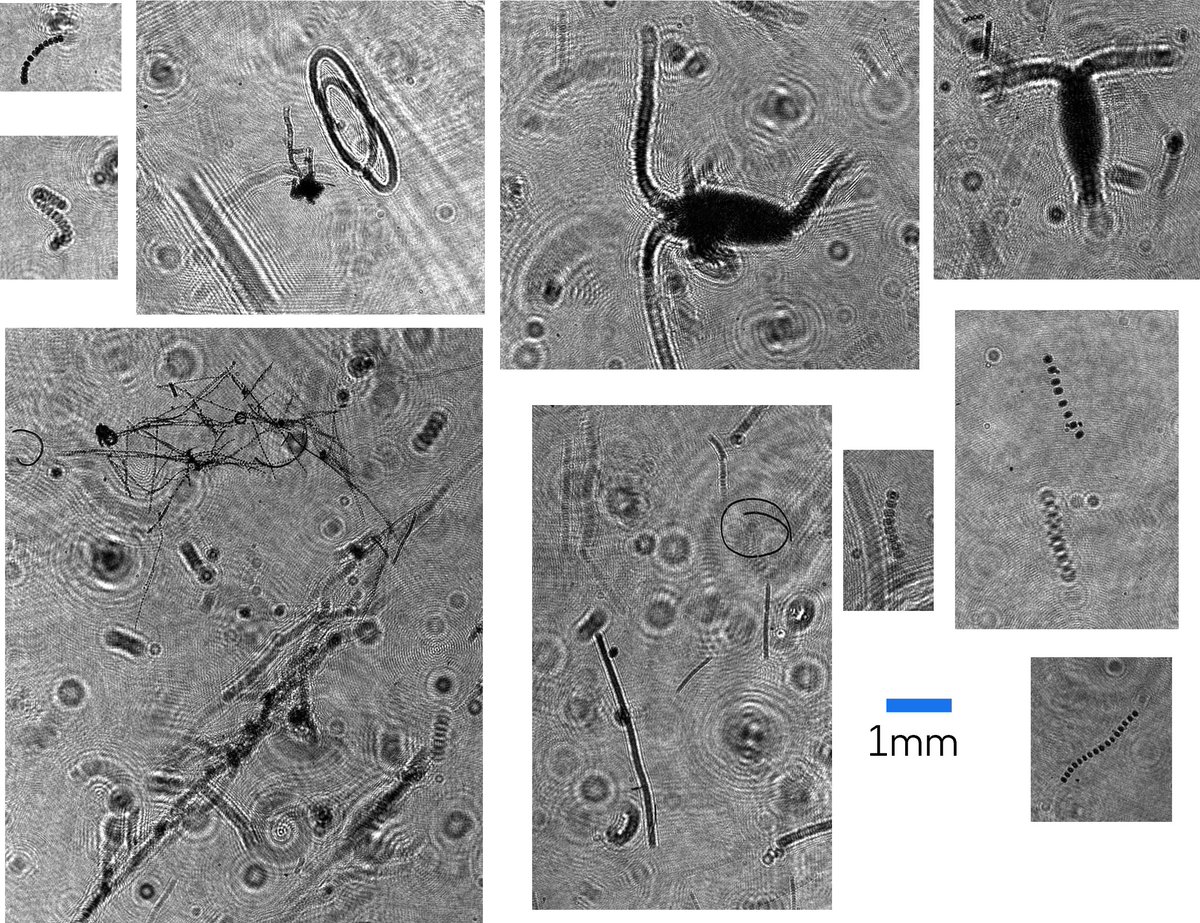
Our paper (@AdamTGreer@JhongflowImg@AnvitaKerkar) on in situ marine ciliate observations is now out in @CommsEarth
Here, we characterize evolution of a subsurface thin layer of a mixotrophic ciliate using high resolution in situ holography.
1/3
Highest documented abundance of the mixotroph, Laboea strobila, seen within the thin layer. Additionally, L. strobila indulges in klepoplasty (stealing and retention of algal chloroplasts!), which leads to chlorophyll a in the water column to be dominated by this mixotroph.
2/3
Pleased to be a part of the organizing committee (with @FBaidouri and Marika Takeuchi) of the Microscale Ocean Biophysics virtual seminar series - talks also posted on YouTube for posterity. Folks can sign up to the mailing list in the link below for notifications.
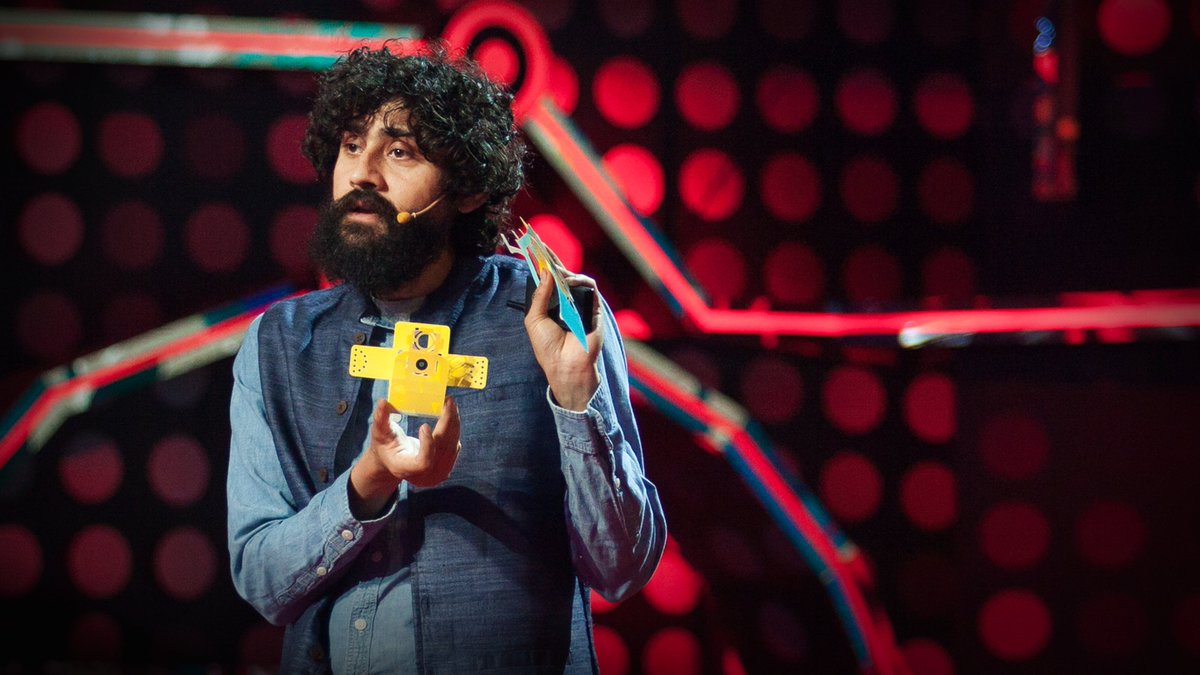
This week's talk by Prof. Manu Prakash @ManuPra18599785 from Stanford University is now online: https://t.co/gxjRYVnEGj
Register to our mailing list for upcoming seminars: https://t.co/ZtOWcmmEev
Exciting news! Tomorrow, Tuesday 24th at 8AM PDT / 11AM EDT / 5PM CEST, we welcome Manu Prakash @ManuPra18599785 as our first guest speaker!
For more information, email the MOB committee @FBaidouri, @NayakLab1 and Marika Takeuchi at: [email protected].
Our lab participated in a successful cruise in the frigid waters of the Baltic Sea off Finland last month. Lots of cool data to sift through! Thanks @KristianSpillin for the invite and the fantastic crew of R/V Aranda! (Some pics courtesy @SYKEint)
@lohithrao As an Ankola native, I can vouch for this. Terrible state of affairs - not a single square inch seems free of plastic or broken glass shards, including once-pristine hillsides along the beaches.
@Iyervval Juggernaut would have been perfect for a couple of reasons - (i) etymologically, derived from Jagannath, so sets the Indian context; and (ii) one might anyway feel like the 'Lord of the Universe' (Jagan-nath) looking down at us mere mortals from space:)
Presentations by lab postdoc Sumit Dass (in situ stereoimaging system for zooplankton observations) and PhD student Alexis Base (mysid-flow interactions) on Day 1 at the Ocean Sciences Meeting in New Orleans! Great start to one of my favourite conferences.
We are hiring a physical oceanographer to join us @UGA_MarineSci @SkIOinSavannah - beautiful campus and city - along with a thriving ocean science community here https://t.co/bjY8JhCedI