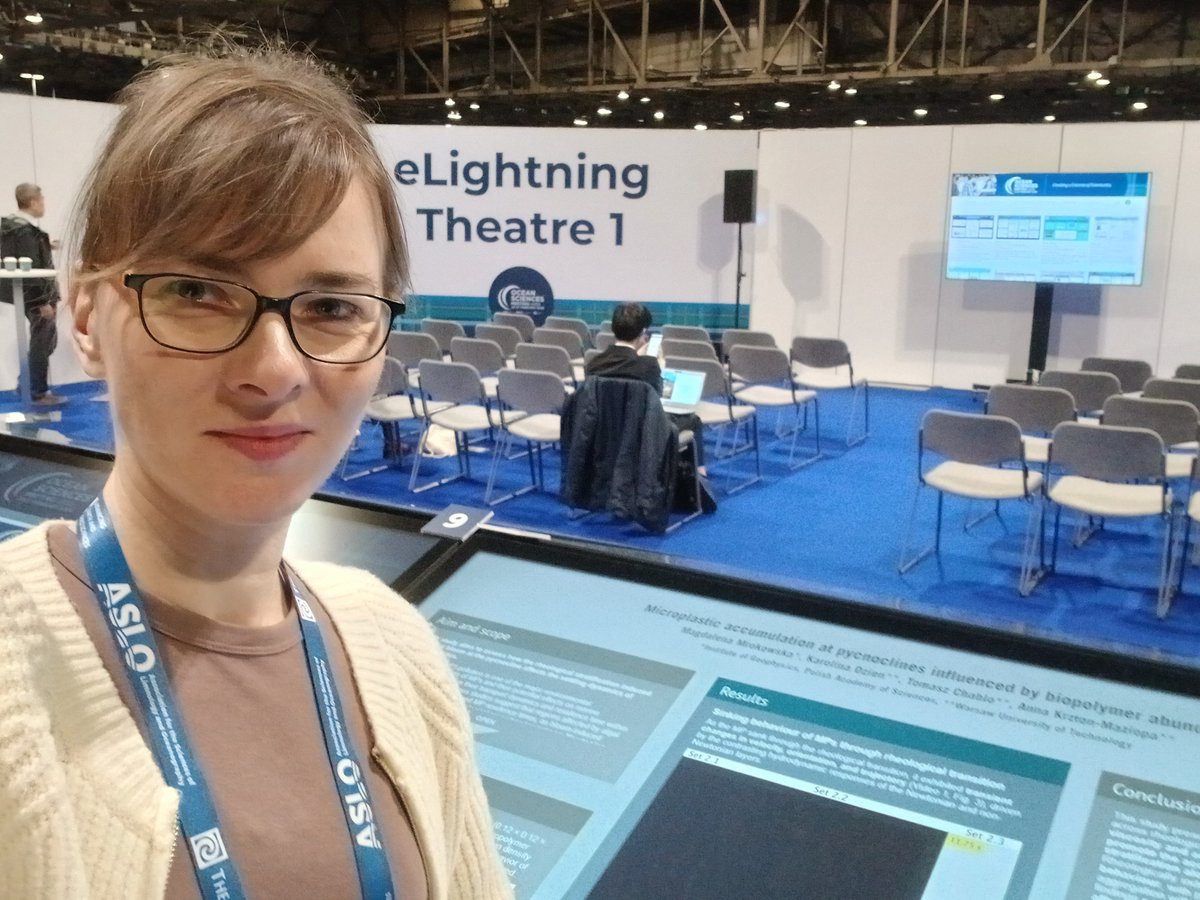
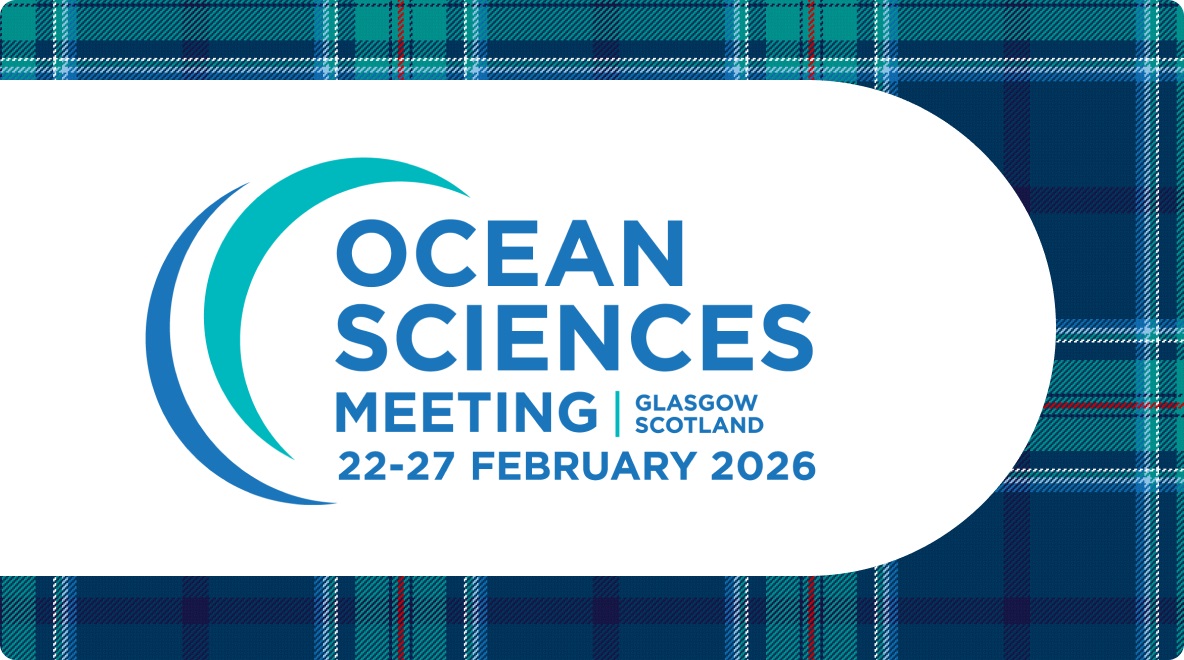
Inspiring week at #OSM2026!
Presented on microplastic accumulation at pycnoclines influenced by biopolymer abundance and co-chaired a session on microbes in viscous environments.
Exciting progress in understanding how biopolymers and rheology shape aquatic processes 🌊
A fully funded, 4-year PhD student position is available in my lab with start date of 1st Oct, 2026 on settling dynamics of marine aggregates. Candidates with the background in physics or chemical engineering are welcome to contact me. https://t.co/LMikqLeEUK
Exopolymers at the pycnocline may influence the dynamics of marine particles. "Effects of rheologically stratified seawater during algal bloom on sinking dynamics of microplastics"
Mrokowska M, Dzień K, Krztoń-Maziopa A, Water Research, 280, 123487, 2025 https://t.co/ZOnavXXanH
📢Call for abstracts: Ocean Sciences Meeting 2026. We invite you to submit an abstract to our session focused on "Interactions of microbes with their viscous environment".
We welcome your abstract submissions until Aug 20, 2025!
https://t.co/sisyKaGECz
@AGU_OS#OceanScience
Non-intuitive hydrodynamics of #microplastics at the periphery of the #algalbloom region revealed in “Effects of rheologically stratified seawater during algal bloom on sinking dynamics of microplastics” https://t.co/4Muz0wzUZV just published in Water Research.
@LABPLAS_H2020 Great images! Polymers secreted during algal blooms can modify water properties, and thereby affect the movement of microplastics, as shown in the recent experimental study from my lab. https://t.co/DdFwMJET40 Happy to see the potential in field studies.
Check out our new paper on the dynamics of #microplastics in mucus-rich seawater published in #STOTEN (https://t.co/NykEsjnxJ8). By combining hydrodynamic and rheological tests, we showed how #exopolymers secreted abundantly during #algalblooms affect sinking of #microplastics.
#MarineGels - mucous substances secreted by phytoplankton and bacteria may change properties of seawater in a non-intuitive way. How it may affect sinking of #MarineParticles e.g., during #MucilageEvents or #AlgalBlooms, you can learn from this text: https://t.co/Pp1NAdooHb
Incredible nature: spectacular view of the mixing boundary layer where fresh water meets seawater at a distance of 5 km from the shore off Kollidam estuary (Kaveri river) observed by NCCR scientists onboard CRV Sagar Anveshika @DrJitendraSingh @moesgoi
If you are curious how #microalgae#exopolymers can completely change properties of seawater and what is the link with ketchup and shampoo you might be interested in (in Polish):
https://t.co/oObjVmaBEk
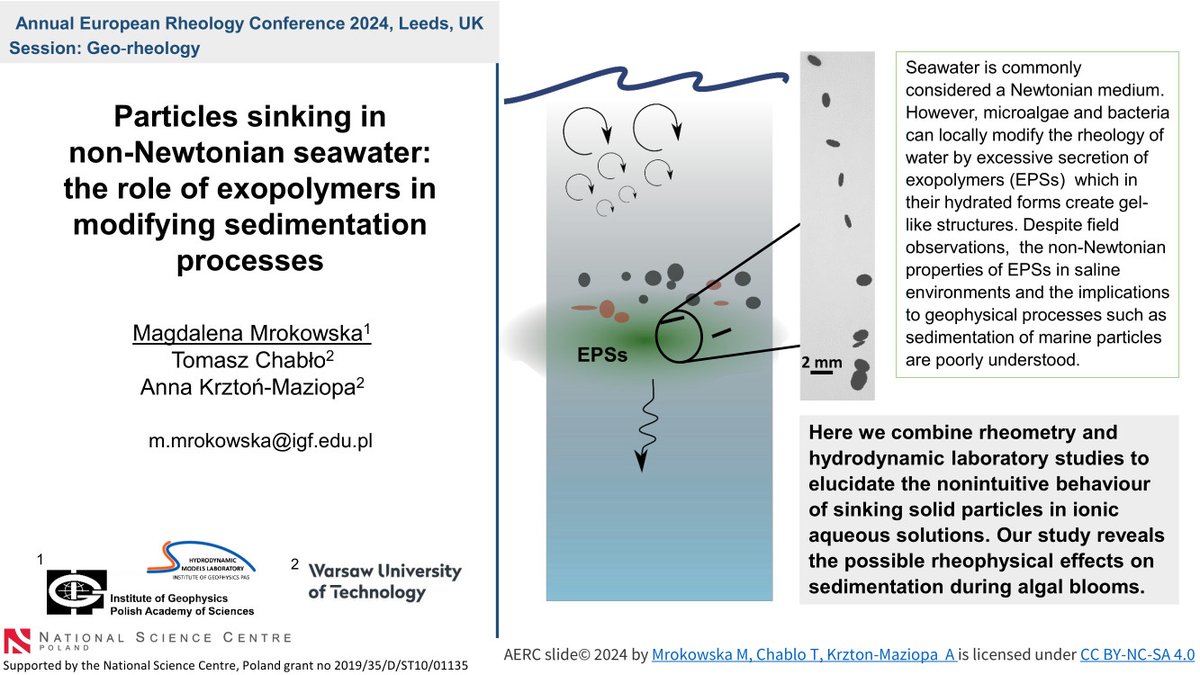
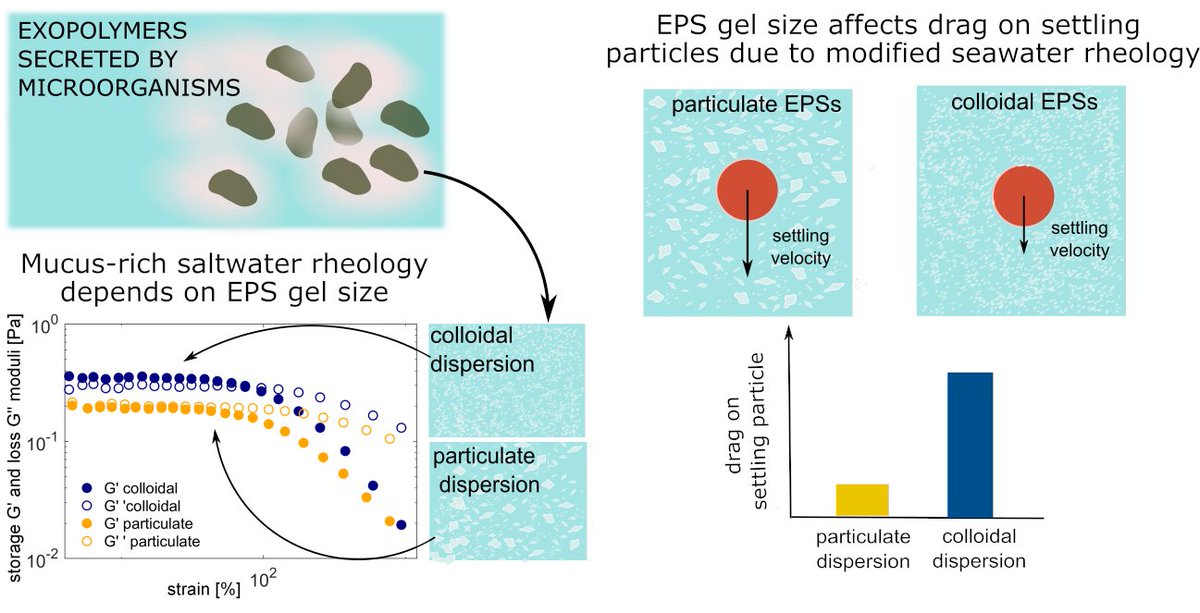
Structure of saltwater with gelatinous exopolymers secreted during algal blooms seriously affects dynamics of fast-sinking marine particles. Lab study addresses the effects of modified rheology of saltwater on marine sedimentation processes. (1/4)
https://t.co/BjnztgPYj1
So what are implications for marine processes? Exopolymer network structure formed locally in seawater may be inhomogeneous in rheological properties possibly inducing variation in settling dynamics of particles, completely different than known in typical seawater. (4/4)
Structure of saltwater with gelatinous exopolymers secreted during algal blooms seriously affects dynamics of fast-sinking marine particles. Lab study addresses the effects of modified rheology of saltwater on marine sedimentation processes. (1/4)
https://t.co/BjnztgPYj1
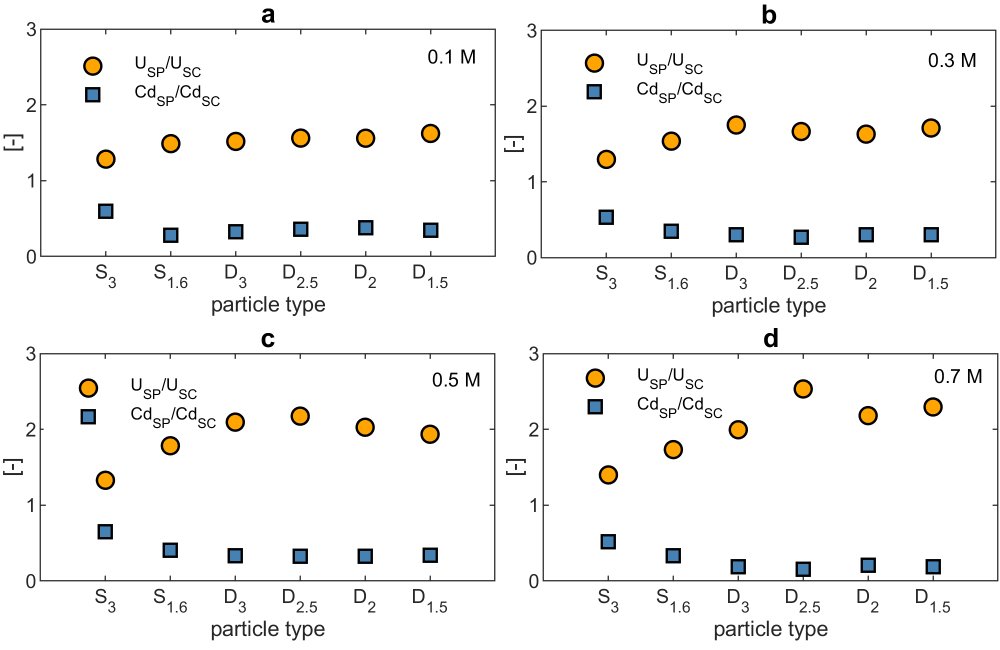
Settling experiments showed that saltwater with colloidal gels (SC) has stronger inner structure and retards settling particles more effectively than saltwater with particulate gels (SP). Note ratio of settling velocity, U, and drag, Cd. (3/4)