🚨 YOU’VE BEEN CITED. 🚨
What makes an arthroplasty RCT rack up citations?
This study investigated 566 hip and knee arthroplasty RCTs published from 2014–2023 to find out. 👮♂️📄
https://t.co/U6lKQutP0Y
Have we been lied to? This study would suggest it.
Until there is stronger evidence to establish a causal link between cement use and BCIS, avoidance of BCIS does not appear to be a strong argument against cementation.
https://t.co/sMJEaY2m0o
Everyone talks about physician compensation.
Almost no one talks about overhead.
We debate how much CMS pays.
Why procedural specialties are paid more.
How physicians are reimbursed.
But that misses the real driver of dysfunction:
The single most expensive, least addressed force in U.S. healthcare is overhead.
Since 2000, the cost to run a medical practice has exploded—not because of waste, but because of structural demands:
•Labor inflation: Support staff wages up 20–30%
•IT requirements: EHR systems cost $100K+ to implement, plus ongoing fees
•Administrative burden: Prior auths, audits, quality metrics, and regulatory reporting—all requiring more staff and more unpaid physician hours
Today, 60–70% of practice revenue goes to overhead.
And that’s just at the practice level.
At the national level?
Administrative costs now exceed $1.4 trillion—about 25% of all U.S. healthcare spending.
Let that sink in.
Compare that to peer nations:
•Germany: 5%
•France: 6.5%
•Switzerland: 6.2%
•Canada: 3.8%
•U.K.: 3.5%
When we spend 3-5x more on bureaucracy than comparable countries, it’s no wonder we’re struggling.
And yet, the federal government continues to pour tax dollars and subsidies into hospital systems—without addressing the underlying cost drivers.
Now combine that with revenue trends:
•Medical Economic Index (MEI): +76%
•General Inflation (CPI): +70%
•Practice Overhead: +100% or more
•Medicare Conversion Factor: –5.5% (nominal)
•Inflation-adjusted CMS payments: ~26% decline
Rising costs. Flat and falling revenue.
This is the math problem that’s breaking medicine:
•Independent practices are disappearing
•Physician burnout is soaring
•Access in underserved communities is collapsing
This is what I mean when I say Medicare, Medicaid and healthcare need structural reform.
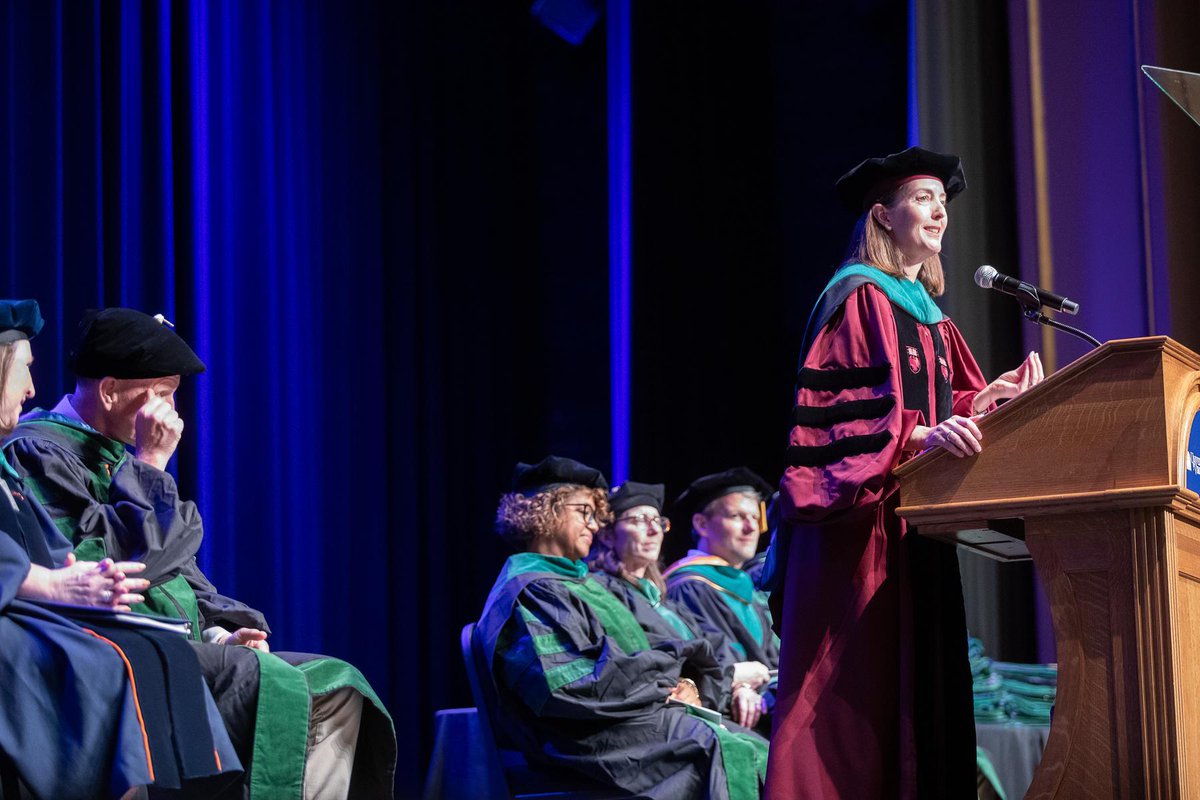
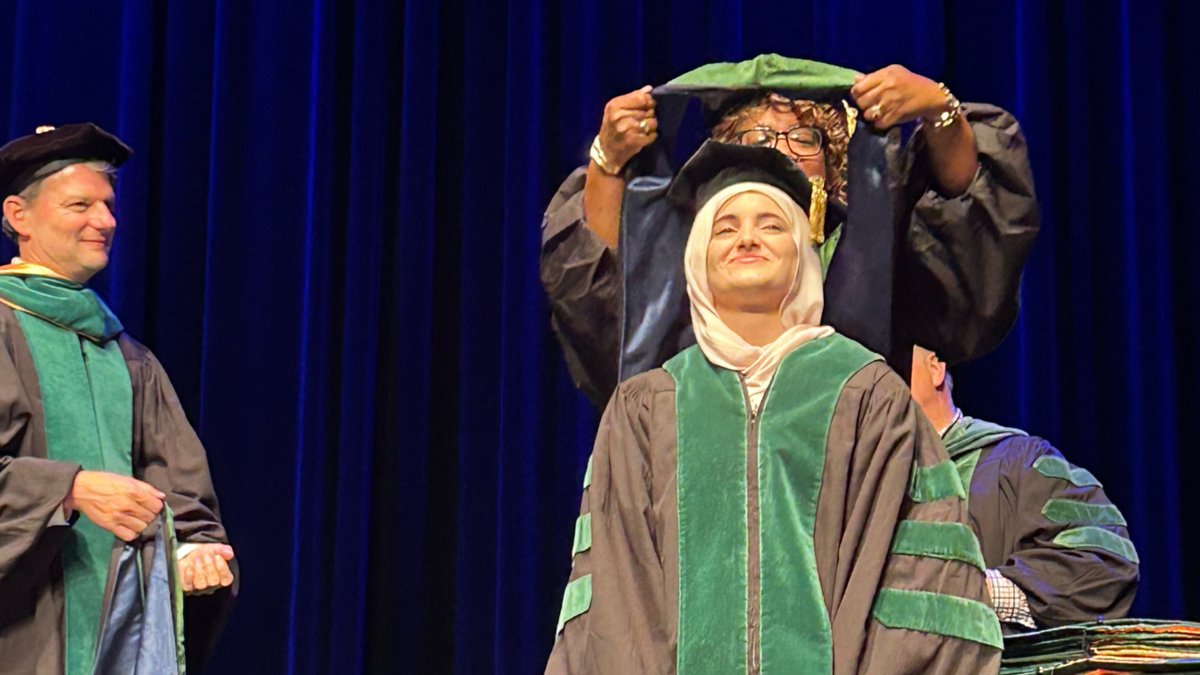
Yesterday was an exciting day for the UVA School of Medicine graduates! I am so proud of our students and the faculty and staff who supported them through their journeys.
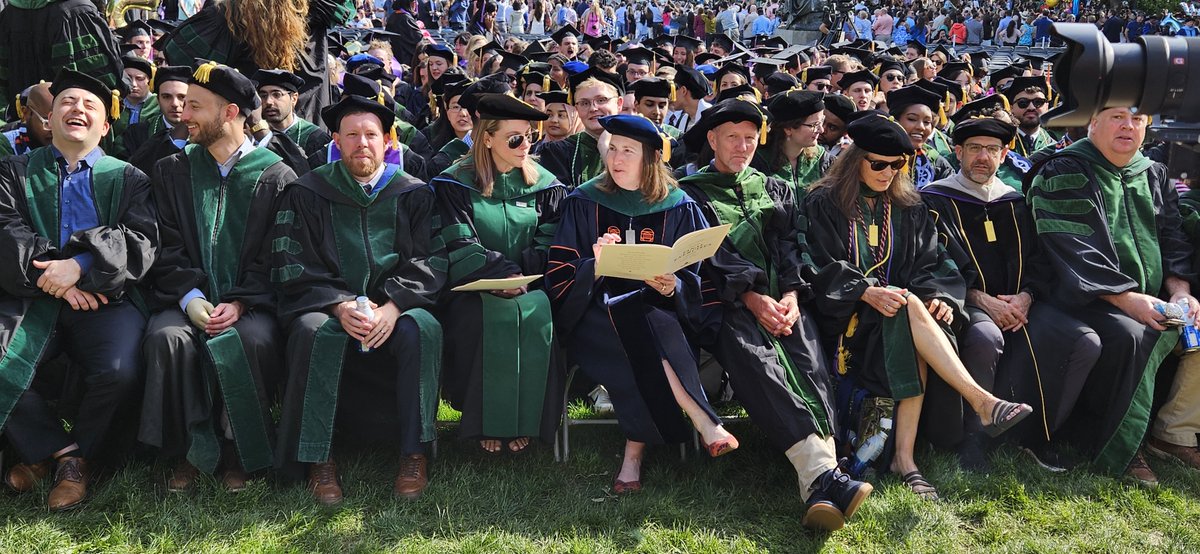
This morning, before the official ceremonies began, we gathered in front of the historic Old Medical School to honor the next generation of physicians and scientists. Here’s to the class of #UVA2025 and the bright future ahead of them🥂
The Virginia Journal of Medicine is back with a new vision that reaches beyond UVA! Led by Aaron D. Smith and Catherine Lyons, submissions are now open to medical students nationwide.
📗 Read the Spring 2025 issue: https://t.co/YiBvbqX5sd
Graduating @uvamedicine student Krystyna Cios Phillips celebrates with her fiancé after learning she’ll do her residency in neurology at the @MayoClinic. “I’m feeling so much joy, love and appreciation. My time here was phenomenal. This community is phenomenal. Just great friends, great people and I’ve learned so much.” https://t.co/jm2Fy9t16A
#MatchDay #UVA25
Congratulations to @uvamedicine Class of 2025 on your #MatchDay yesterday!
#UVA25 matched into 21 different specialties across 34 different states. 19 matched here at UVA Health. We are so proud of this incredible group. Their journeys as doctors begin now, and we can’t wait to see the impact they’ll make. 💙🧡