Official account of the National Cancer Institute of Kenya, established under the Cancer Prevention and Control Act, 2012 to coordinate cancer prevention.
@DrEliasMelly highlights the importance of recognizing childhood cancer early and ensuring children receive timely medical attention and appropriate care.
🎗️ This Childhood Cancer Awareness Month, let’s raise awareness, recognize the signs and act early. Every child deserves a chance.
#ChildhoodCancerAwarenessMonth #ChildhoodCancer #CancerAwareness #CancerInKenya #NCIKenya #EarlyDetection #ChildHealth
Ovarian Cancer Awareness Month
This Ovarian Cancer Awareness Month, the National Cancer Institute of Kenya @ncikenya, joins the global community in raising awareness about ovarian cancer.
Ovarian cancer can be difficult to detect in its early stages. Knowing the signs and seeking medical attention early can make a difference.
Be alert to persistent symptoms such as:
i) Persistent bloating or abdominal pain
ii) Changes in appetite or feeling full quickly
iii) Frequent urination
iv) Unexplained weight changes
v) Symptoms that persist or worsen.
If you experience persistent or unusual symptoms, do not ignore them. Seek medical attention and speak to a healthcare professional for appropriate assessment and advice.
Know the signs. Act. Early detection can save lives.
Let’s support, encourage, and spread awareness—because timely medical attention matters.
#OvarianCancerAwarenessMonth #OvarianCancer #CancerAwareness #NCIKenya #EarlyDetection #CancerControl
It's #OvarianCancerAwarenessMonth🎗️🤍,
Know the symptoms;
❕ Persistent bloated tummy
❕ Always feeling full
❕ Tummy pain
❕ Needing to pee more
Open conversations, share information on symptoms and support those affected.
#OCAM
Dr. Elias Melly @DrEliasMelly, has urged cancer patients to take their follow-up appointments seriously and return to the hospital whenever they are asked to do so.
Speaking on Citizen Television, Dr. Melly highlighted the importance of continuity of care, noting that a study conducted at Moi Teaching and Referral Hospital (MTRH) on loss to follow-up found that it contributed to 23% of mortalities.
#CancerCare #CancerAwareness #CancerInKenya #EarlyDetection #CancerControl
Prostate Cancer is one of the leading cancers affecting Kenyan men. Early detection can save lives and improve treatment outcomes.
If you are aged 45 years and above, have a family history of prostate cancer, or experience urinary changes, talk to a healthcare provider about screening.
🎥 Learn about the symptoms, risk factors, and importance of early detection in our latest YouTube video:
🔗https://t.co/bZq8Ovz5jK
Together, we can raise awareness, encourage screening, and reduce the burden of prostate cancer in Kenya.
#ProstateCancer #MensHealthKE #CancerAwareness #EarlyDetection #NCIKenya #TowardsACancerFreeNation #ProstateCancerAwarenessKenya #KnowYourRisk
World Radiotherapy Day | September 7
Today, NCI-K joins the global community in recognizing the critical role of radiotherapy in cancer care.
Radiotherapy uses advanced technology to target and destroy cancer cells with precision, helping improve treatment outcomes and giving patients renewed hope.
Through its mandate to strengthen cancer control in Kenya, NCI-Kenya has played a key role in supporting the sourcing and deployment of radiotherapy machines to regional cancer centres, including Nakuru and Coast General Teaching and Referral Hospital. These investments are helping bring specialised cancer treatment closer to patients and expand access to radiotherapy beyond Nairobi.
As Kenya strengthens access to quality, affordable, and comprehensive cancer care, NCI-K remains committed to strengthening cancer treatment infrastructure, expanding equitable access to services, and building a stronger cancer care system for all Kenyans.
Radiotherapy. Precision in treatment. Hope for tomorrow.
Towards a Cancer-Free Nation.
#WorldRadiotherapyDay #Radiotherapy #CancerCare #CancerAwareness #NCIKenya #towardsacancerfreenation
Childhood Cancer Awareness Month - September
Every child deserves the opportunity to grow, learn, and live a healthy life. Yet childhood cancer remains an important public health challenge in Kenya, with an estimated 2,300 new childhood cancer cases diagnosed each year.
Childhood cancer is treatable, and many childhood cancers can be cured when diagnosed early and managed appropriately. However, delays in recognizing symptoms, diagnosis, and referral, limited access to specialized care, and gaps in cancer data continue to affect outcomes.
The National Cancer Institute of Kenya @ncikenya, is strengthening the national response to childhood cancer through evidence, data, research, coordination, and capacity building.
A key priority is the development of a National Childhood Cancer Registry to strengthen paediatric cancer surveillance across the country. NCI-K is bringing together cancer registrars and healthcare stakeholders from across Kenya to support standardization of data variables, strengthen digital data systems and establish a more comprehensive national picture of childhood cancer.
The registry is expected to generate reliable evidence to inform policy and planning, improve early diagnosis and treatment planning, strengthen follow-up and survival monitoring, support research, and guide resource allocation and improvements in care.
NCI-K is also supporting efforts to improve early recognition and referral of childhood cancers. Through a partnership with the University of Nairobi @uonbi, and The Hospital for Sick Children @SickKidsnews, in Toronto, an adapted Early Warning Signs and Symptoms intervention is being implemented across seven pilot counties: Machakos, Garissa, Meru, Embu, Nyeri, Murang’a and Nairobi, to strengthen healthcare providers’ ability to recognize childhood cancer and facilitate timely referral.
Parents, caregivers and healthcare providers should take persistent or unexplained symptoms seriously, including:
💛 Prolonged or unexplained fever
💛Unexplained weight loss
💛Unusual lumps or swelling
💛Persistent headaches or vomiting
💛Persistent bone or joint pain
💛Unusual bleeding or bruising
💛Changes in the eyes or vision
💛Any persistent or unexplained change in a child’s health
Childhood cancers can present with symptoms that resemble common childhood illnesses. A high index of suspicion, timely assessment and prompt referral can make a critical difference.
Improving childhood cancer outcomes in Kenya requires more than treatment alone. It requires strong data, early diagnosis, timely referral, quality diagnostics, effective treatment, research, trained health workers and sustained investment in childhood cancer care.
Through the development of the National Childhood Cancer Registry, early recognition and referral initiatives, and broader efforts to strengthen cancer control, NCI-K is helping build a stronger evidence base for understanding childhood cancer in Kenya and improving outcomes for children and their families.
#ChildhoodCancerAwarenessMonth #ChildhoodCancer #NCIKenya #CancerControl #EarlyDiagnosis #CancerResearch #CancerData #CancerRegistry #Kenya #EveryChildCounts
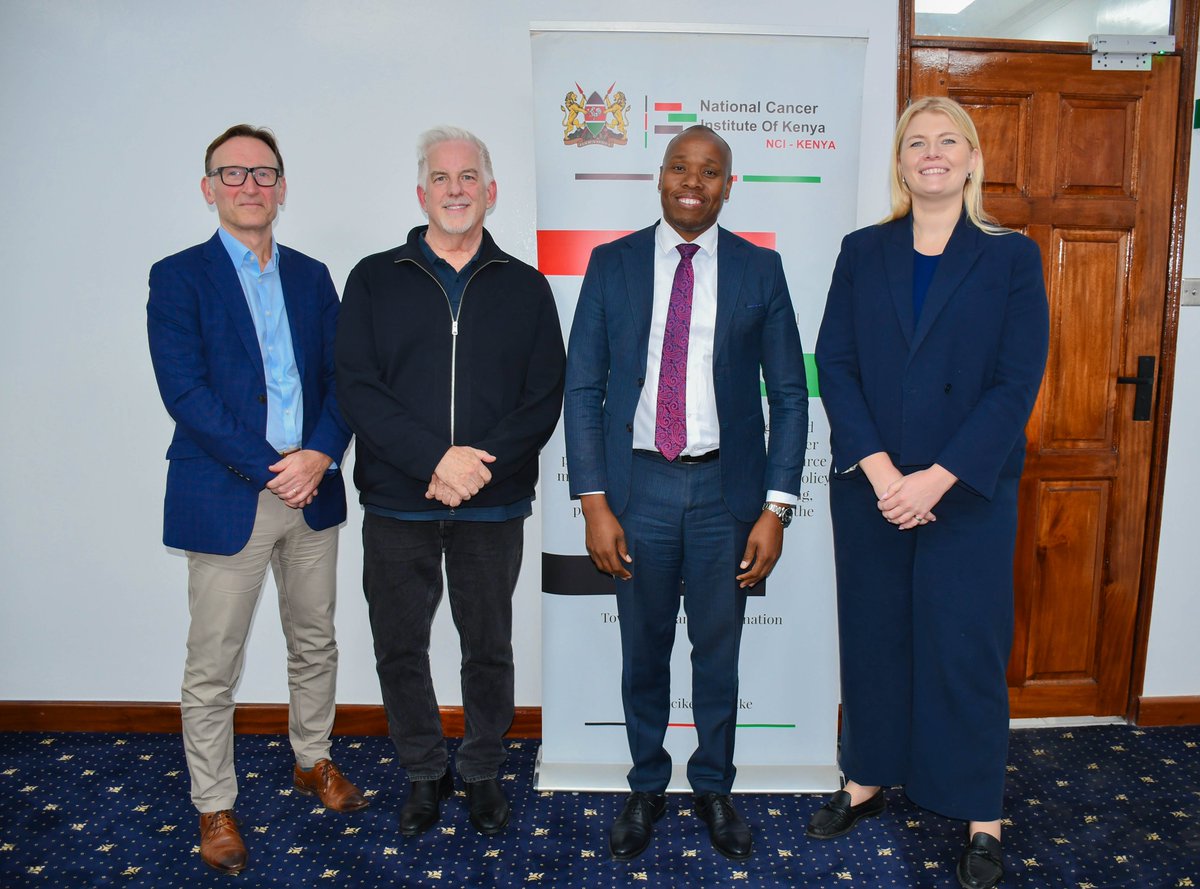
The National Cancer Institute of Kenya hosted Dr. Satish Gopal, M.D., M.P.H., Director of the Center for Global Health at the U.S. National Cancer Institute (NCI), for a high-level engagement focused on strengthening collaboration, knowledge exchange and advancing cancer prevention, treatment, research and cancer control.
Dr. Gopal is a physician-scientist and global oncology expert whose work has focused extensively on strengthening cancer research and care in low- and middle-income countries.
The engagement highlights NCI-Kenya’s commitment to building strong international partnerships that bring together expertise, innovation, research and resources to strengthen Kenya’s cancer control ecosystem.
Through strategic collaboration with institutions such as the U.S. National Cancer Institute, NCI-Kenya continues to create opportunities for knowledge exchange, research partnerships, capacity building and the adoption of evidence-based approaches that can improve prevention, early detection, diagnosis, treatment and patient outcomes across the country.
NCI-Kenya remains committed to connecting Kenya with global expertise and partnerships that advance a stronger, more resilient and equitable cancer care system.
Towards a Cancer-Free Nation.
University of Manchester Team Visits NCI-K to Explore Opportunities for Cancer Research, Training and Capacity-Building Collaboration
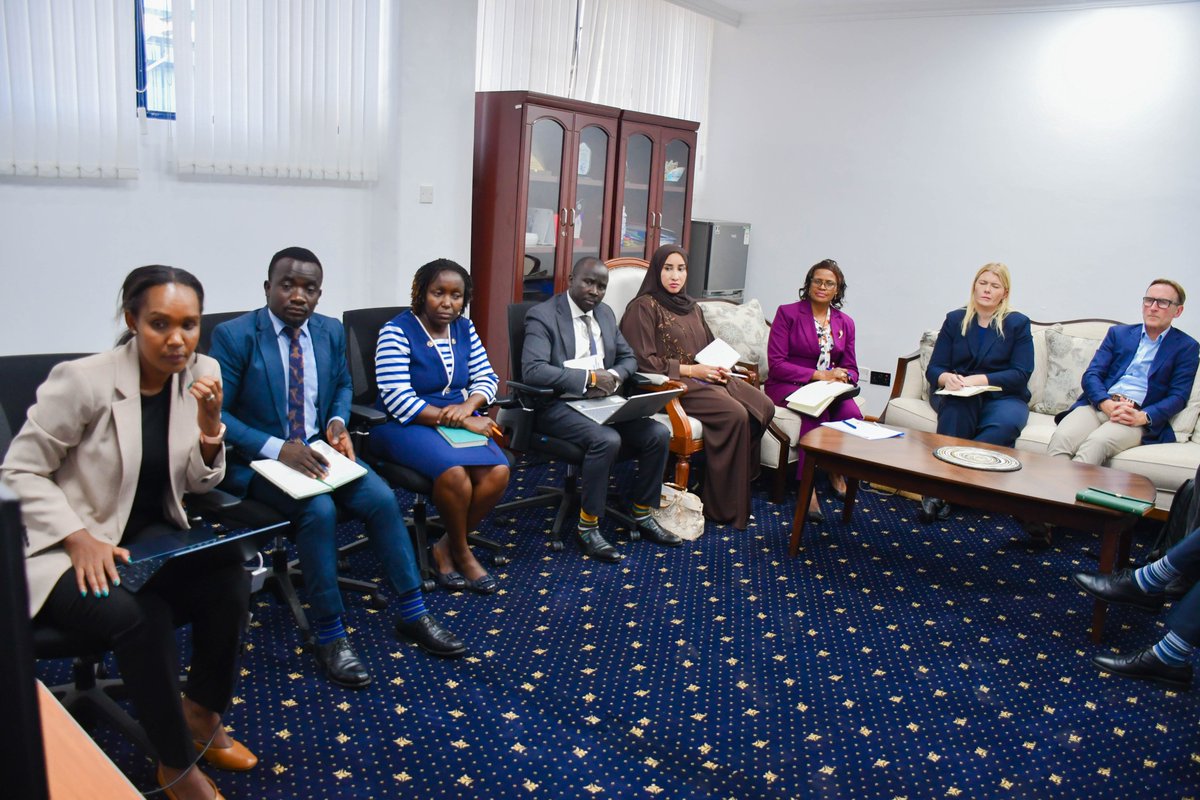
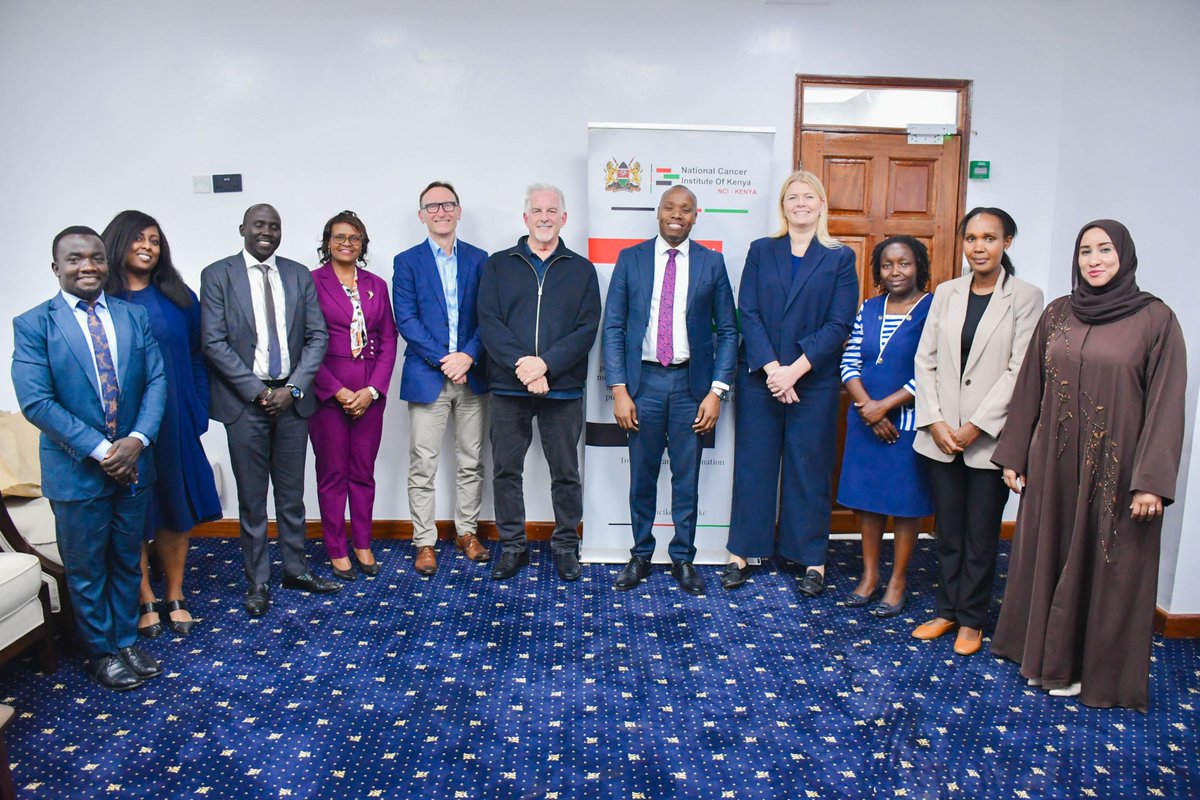
The National Cancer Institute-Kenya @NCIKenya, hosted a delegation from the University of Manchester @OfficialUoM, and its cancer research and clinical partners for an engagement focused on strengthening collaboration in cancer research, screening, diagnostics, training, mentorship and capacity building.
The visiting team was received by the NCI-K Chief Executive Officer, Dr. Elias Melly @DrEliasMelly, who highlighted the Institute’s mandate and its ongoing efforts to strengthen cancer control through research, evidence generation, innovation and strategic partnerships.
During the visit, the delegation was briefed on the National Cancer Registry (NaCaRe), including cancer data collection, analysis and reporting in Kenya. The team also received a presentation on the NCI-K Cancer Data Dashboard, showcasing the latest available 2024 cancer data and its role in informing cancer planning, policy, research and service delivery.
The delegation was further taken through research projects supported by NCI-K through its Seed Grant Programme, highlighting the Institute’s commitment to promoting locally relevant research and building Kenya’s cancer research capacity.
Discussions focused on areas where the complementary strengths of NCI-K and the Manchester cancer research ecosystem could support advances across the cancer care and research continuum.
A key area was breast cancer screening and imaging, including strengthening national mammography services, improving screening uptake in rural and urban settings, and exploring the application of artificial intelligence and machine learning in mammographic image interpretation and cancer detection.
The teams also explored opportunities for collaboration in lung cancer screening, with a focus on generating evidence to inform appropriate screening approaches and strengthening early detection.
Other areas identified included histopathology and diagnostic capacity, particularly through assessing skills gaps and developing targeted approaches to strengthen specialist expertise, laboratory capacity and cancer diagnostics.
Strengthening Training, Fellowships and Mentorship
The engagement also explored opportunities for fellowships, mentorship and structured training programmes for Kenyan researchers and healthcare professionals. Discussions included the development of online learning modules, short-term training programmes and other flexible professional development opportunities.
These areas align with Manchester’s established strength in cancer education, clinical research and workforce development. The Manchester Cancer Research Centre @MCRCnews, brings together The University of Manchester, The Christie NHS Foundation Trust and Cancer Research UK @TheChristieNHS, creating an integrated environment in which basic science, translational research and clinical practice are closely connected. The Centre’s research strategy spans multiple cancer types and links basic, translational and clinical research through a wider network of externally funded institutes, centres and research programmes.
Genomics, AI and Precision Cancer Research.
The discussions further identified opportunities for joint research in genomics, artificial intelligence and machine learning, including the use of advanced technologies to improve cancer diagnosis, understand disease biology and support data-driven cancer research.
Manchester has significant expertise in cancer genomics and data science, with ongoing international research programmes examining the genetic basis of cancer and opportunities to improve early detection and treatment. Importantly, Manchester already has an active research collaboration in Kenya on oesophageal cancer, led by Professor Rob Bristow in partnership with Kenyan researchers, focusing on early detection and the genetic changes associated with oesophageal squamous cell cancer.
The teams also discussed opportunities to explore the application of AI in research methodologies, including innovative approaches to study design and participant randomisation.
The engagement highlighted the potential for NCI-K and Manchester to build on complementary strengths: NCI-K’s national cancer data, research mandate and understanding of Kenya’s cancer landscape, alongside Manchester’s expertise in cancer genomics, precision oncology, imaging, artificial intelligence, clinical research, translational science, education and multidisciplinary cancer care.
The Manchester Cancer Research Centre is a world-leading cancer research partnership that brings together scientists, clinicians, and research institutions to accelerate the translation of discoveries into improved cancer prevention, diagnosis, and treatment. Its strong international outlook and existing collaborations in Kenya provide a valuable foundation for expanding research and capacity-building partnerships.
NCI-K and the University of Manchester will continue discussions to translate the areas identified into practical programmes that can contribute to strengthening cancer research, innovation, early detection, diagnostics, workforce development and cancer control in Kenya.
University of Manchester Delegation
The delegation included:
1. Professor Robert Bristow — Director, Manchester Cancer Research Centre (MCRC); University Professor of Cancer Studies, University of Manchester; and Senior Group Leader in Translational Oncogenomics at the Cancer Research UK Manchester Institute. Professor Bristow's research includes cancer genomics, tumour biology, DNA damage and repair, and treatment response.
2. Professor Sacha Howell is a professor in the Division of Cancer Sciences at the University of Manchester and a leading breast cancer clinician-researcher. His research focuses on breast cancer treatment and prevention, breast cancer risk prediction, imaging and mammographic density, with links to research in artificial intelligence and mammographic imaging.
3. Rachel Chown — Associate Director, Integrated Research and Education Strategy, The Christie NHS Foundation Trust. Rachel previously served at the Manchester Cancer Research Centre, where she led training and education and supported international links, academic collaborations, and research-related education programmes.
For too many cancer patients, the cost of medicines can determine whether they start or complete treatment. That is why reducing the cost of cancer care matters.
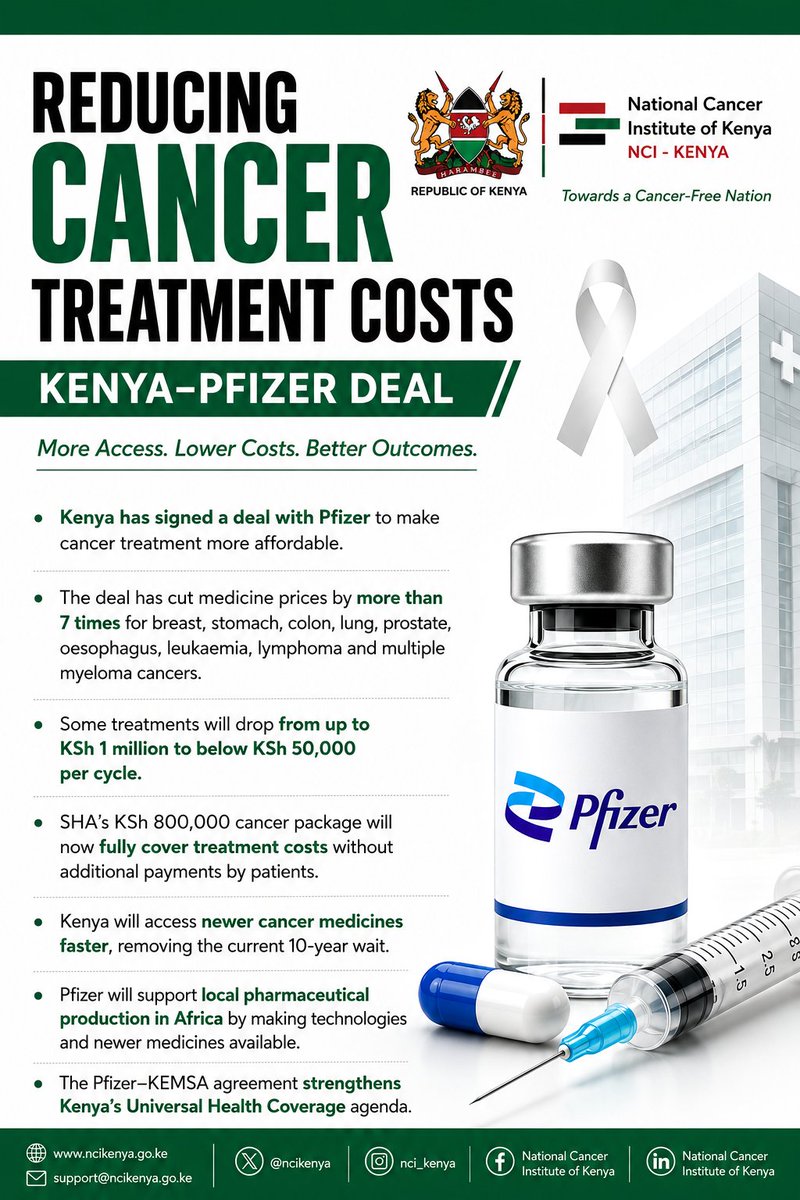
The Kenya–Pfizer partnership is set to bring significant reductions in the cost of selected cancer medicines, with some treatment costs expected to fall from up to KSh 1 million to below KSh 50,000 per treatment cycle.
In line with its mandate under the Cancer Prevention and Control Act, 2012, the National Cancer Institute of Kenya @ncikenya continues to champion efforts that promote access to quality, affordable and timely cancer treatment, putting the needs of patients and families at the centre.
Lower treatment costs mean fewer financial barriers, greater access and renewed hope for cancer patients.
Towards a Cancer-Free Nation
@pfizer@kenconetwork@MOH_Kenya@MOHMedServices@ntvkenya@citizentvkenya@C_NyaKundiH@johnnjenga
#NCIKenya #PatientFirst #AffordableCancerCare #CancerTreatment #CancerFreeKenya #KenyaPfizer
Major Breakthrough in Affordable Cancer Treatment Through Pfizer Partnership.
Kenya has secured a major breakthrough in reducing the cost of cancer treatment following an agreement between the Government of Kenya and global pharmaceutical company Pfizer, aimed at lowering the cost of selected cancer medicines.
The National Cancer Institute of Kenya (NCI-K) is pleased to announce that the agreement could reduce the cost of treating several cancers by more than seven times, with the cost of some medicines expected to fall from as much as KSh. 1 million to below KSh. 50,000 per treatment cycle.
The development follows discussions between President William Ruto and Pfizer Chairman and Chief Executive Officer Albert Bourla during their meeting at State House, Nairobi.
The agreement covers medicines used in the treatment of breast, stomach, colorectal, lung, prostate and oesophageal cancers, as well as leukaemia, lymphoma and multiple myeloma.
“Today, Kenya has made a breakthrough in the treatment of several cancers,” President Ruto said.
The arrangement brings together Pfizer and the Kenya Medical Supplies Authority (KEMSA) under Pfizer's Accord for a Healthier World, a global initiative through which the company provides medicines to lower-income countries on a not-for-profit basis. Kenya joined the Accord in June 2025.
The significant reduction in medicine costs is expected to improve access to cancer treatment and ease the financial burden faced by patients and their families. According to the President, the lower prices will enable the Social Health Authority (SHA) to fully cover the KSh. 800,000 cancer package to fully cover treatment, substantially reducing the need for additional out-of-pocket payments.
The agreement will also give Kenya access to newer cancer therapies, helping address delays patients have historically faced in accessing innovative and potentially life-saving treatments.
In addition, Pfizer is expected to make relevant technologies and newer medicines available to support local pharmaceutical manufacturing in Africa, contributing to efforts to strengthen the continent's capacity to produce essential medical commodities.
This development comes at a critical time as cancer continues to pose a major public health challenge in Kenya. The high cost of diagnosis and treatment has for years placed a significant financial burden on patients and families, with some patients unable to complete their prescribed treatment.
The National Cancer Institute of Kenya (NCI-K) welcomes this landmark development as an important step towards advancing equitable access to quality, affordable and timely cancer care. The partnership reinforces Kenya's commitment to reducing the financial barriers to cancer treatment and strengthening the country's broader cancer control efforts.
Towards a Cancer-Free Nation.
Human papillomavirus (HPV) vaccines are safe!
WHO has concluded that the available data do not support an association between HPV vaccination and infertility.
Make sure that your son or daughter between 9 to 14 years receives the HPV vaccine. It will protect them from HPV infection, which may lead to cervical cancer and HPV-related cancers.
@DrEliasMelly, CEO @ncikenya, highlights the importance of strengthening cancer prevention and control efforts while ensuring that every Kenyan has access to timely information, screening, diagnosis, and quality care.
As Kenya advances its cancer control agenda, sustained collaboration, innovation, and evidence-based action remain essential to reducing the burden of cancer and improving health outcomes.
#NCIKenya #CancerPrevention #CancerControl #HealthForAll #KenyaHealthSummit #TowardsACancerFreeNation
Risk Factors for Appendix Cancer
🔸 Age
Appendix cancer is more commonly diagnosed in adults between the ages of 40 and 60, although it can occur at any age.
🔸 Family History and Genetic Conditions
Individuals with a family history of certain cancers or inherited syndromes may have a higher risk.
Conditions such as Lynch syndrome and Familial Adenomatous Polyposis (FAP) have been linked to an increased risk of gastrointestinal cancers, including appendix cancer.
🔸 Certain Medical Conditions
Chronic inflammatory conditions affecting the digestive system may increase the risk of some gastrointestinal cancers.
🔸 Neuroendocrine Tumors
Some appendix cancers arise from neuroendocrine cells, and factors associated with neuroendocrine tumors may influence risk.
🔸 Gender
Some types of appendix cancer are reported more frequently in women, while others occur equally in both sexes.
🔸 Smoking
Smoking has been associated with an increased risk of several gastrointestinal cancers and may contribute to the development of certain appendix tumors.
Can Appendix Cancer Be Prevented?
There is currently no known way to completely prevent appendix cancer. However, maintaining a healthy lifestyle, avoiding tobacco use, seeking prompt medical attention for persistent abdominal symptoms, and discussing family cancer history with a healthcare provider may help reduce overall cancer risk and support early detection.
🎓 Congratulations to Our CEO, Dr. Elias Melly! @DrEliasMelly
The National Cancer Institute of Kenya celebrates the successful completion by our CEO, Dr. Elias Melly, of the prestigious “Building Strong Health Systems for the Future” programme at Harvard T.H. Chan School of Public Health, Harvard University.
The programme brings together health-sector leaders to explore innovative approaches to strengthening health systems, advancing effective health policies, improving healthcare delivery, promoting sustainable financing and building resilient health systems for the future. It combines academic perspectives, real-world case studies and peer learning among leaders from different parts of the world.
Harvard's global legacy speaks for itself. Its distinguished alumni include former U.S. Presidents Barack Obama and George W. Bush, among numerous other influential leaders, scholars, innovators and changemakers who have shaped the world.
For Dr. Melly, this achievement adds another valuable dimension to his leadership and commitment to transforming cancer care and strengthening Kenya's health systems.
Congratulations, Dr. Elias Melly! 👏🎓🎉