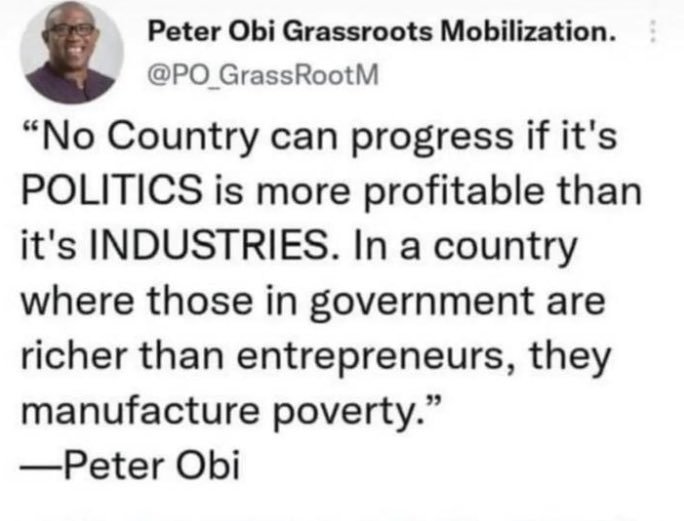
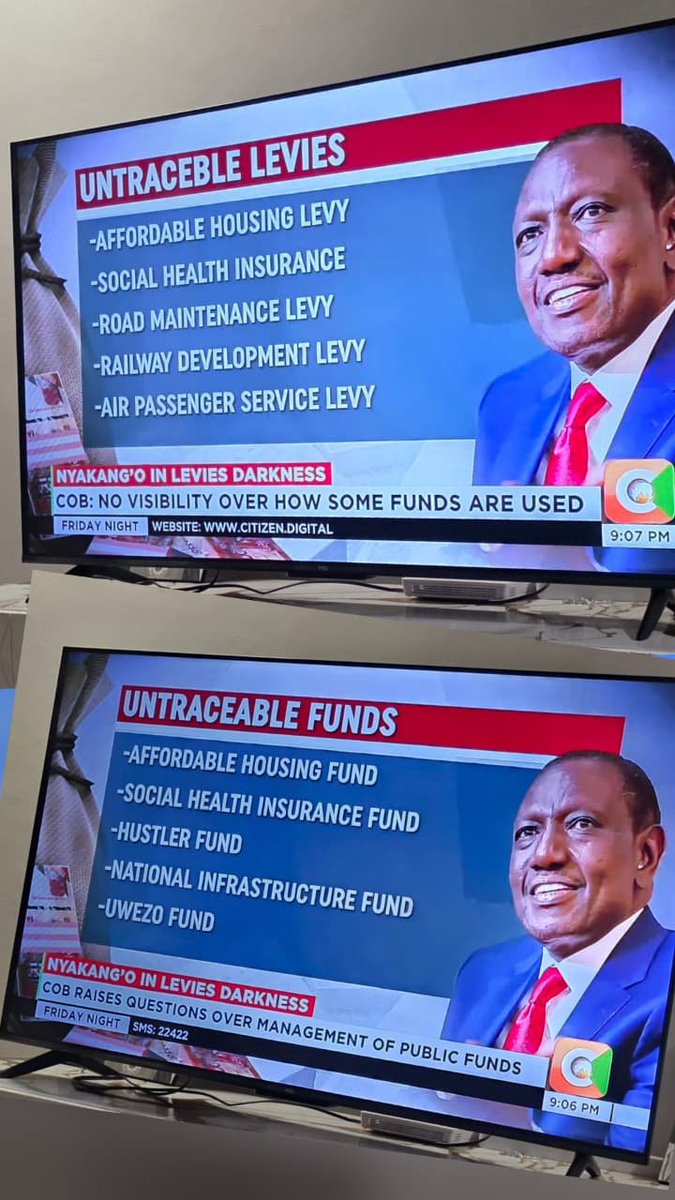
This is not 1992 to mistake duty for favor,
Government fundamentals are not ornamentals,
We will not romanticize infrastructure.
The president has not built roads, our taxes have.
The president did not pay for Talanta stadium, loans that Kenyan will pay for have.
Every time the president says ametenga,
You need to remember,
Huge spending doesn’t mean service delivery,
Especially when every project costs way, way more than it’s supposed to.
We do not call that development..
Everywhere in the world they call that embezzlement.
#poetictuesdays
How exactly are we supposed to industrialize Kenya with electricity costs like this?
EPRA has added KSh22.31 per unit in just five months:
May: KSh4.40
June: KSh3.87
July: KSh5.18
August: KSh4.70
September: KSh4.16
Compare that with our neighbours.
Tanzania: TZS292 per kWh for general users, roughly KSh 14.5 per unit. Cost for industrial users is even cheaper.
Ethiopia: about KSh2.45 per kWh (this is subsidized but still).
And Kenya has increased its cost by KSh22.31 in FIVE MONTHS ONLY. The increased cost is more than the cost of electricity for our neighbours.
Then they stand on podiums and talk about industrialization.
With what power? At what cost?
Factories need electricity. Manufacturing needs electricity.
Ama the best this 'leadership' can offer ni kazi ya mjengo?
Dear EPRA (@EPRA_KE ) , Kenyans deserve electricity bills they can afford and explanations they can understand.
September’s fuel, forex and water charges alone amount to about Sh4.16 per unit, on top of the base electricity tariff. Consume 100 units and roughly Sh416 goes to those three charges alone.
That burden travels far beyond the token meter. A posho mill needs electricity. So does a bakery, a salon, a welding workshop and the fridge keeping a small trader’s stock fresh.
Expensive power squeezes their earnings and puts pressure on the prices everyone pays. Even households using very little electricity can feel the pain at the shop.
Yes, these charges are lower than August’s. But a reduction does not settle the bigger question: why must keeping a home lit and a small business running remain such a financial struggle?
EPRA must explain what it is doing to challenge avoidable costs and protect consumers. The Energy Ministry must deliver a credible plan for cheaper power. Kenyans cannot build businesses, create jobs and feed families when the cost of simply staying operational keeps swallowing their income.
As a nation, we have to make a decision about our future. Let politicians politic, but as Kenyans let us decide that we shall regain control of our future.
Things can't continue like this.
At Embu University, there is a Bottle recycling machine that gives students Ksh 2 for every plastic bottle they recycle.
A very smart way to help recycle, students win, plastic waste get recycled.