@maliniranga @srikarrrrrr Great article! Though not from Bengaluru, my work also highlighted how private contractors prey on migrants for waste work in Tiruppur: https://t.co/P2zZ4kZ4cg Intersections of anti-Hindi but pro-dalit politics in TN begs further investigation
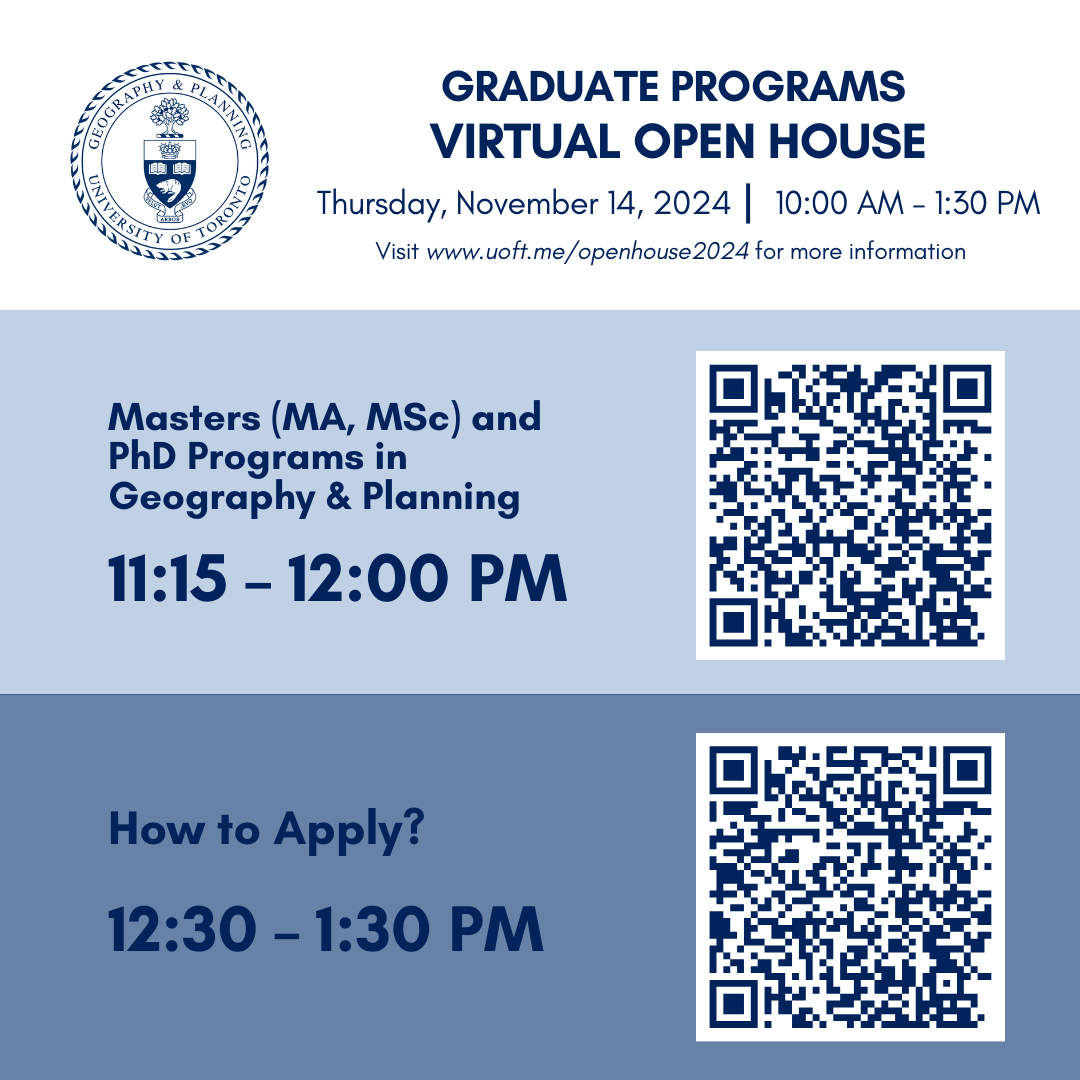
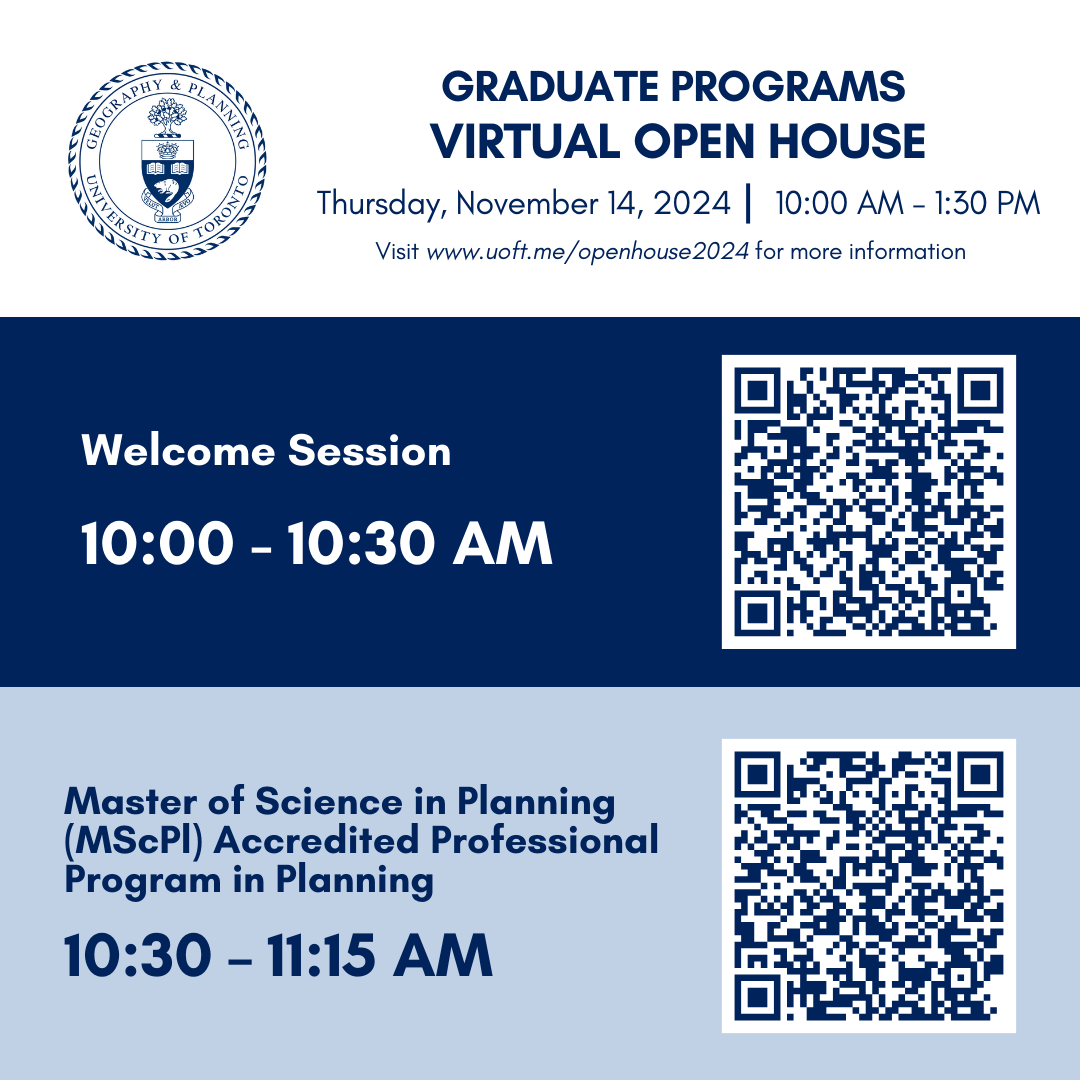
🏙 🌎 Interested in Geography & Planning Graduate Programs? Join us for a Virtual Open House to learn more about our graduate offerings!
Learn more and register here: https://t.co/5nZs6FTu57
We’re accepting proposals for papers on AI and the City. Are you a researcher, practitioner, policymaker with an idea on AI + governance, mobility, healthcare, policy & planning, cybersecurity or employment? Apply now & present it in Bangalore (Jan. 2025)! https://t.co/eMxDgLXqdI
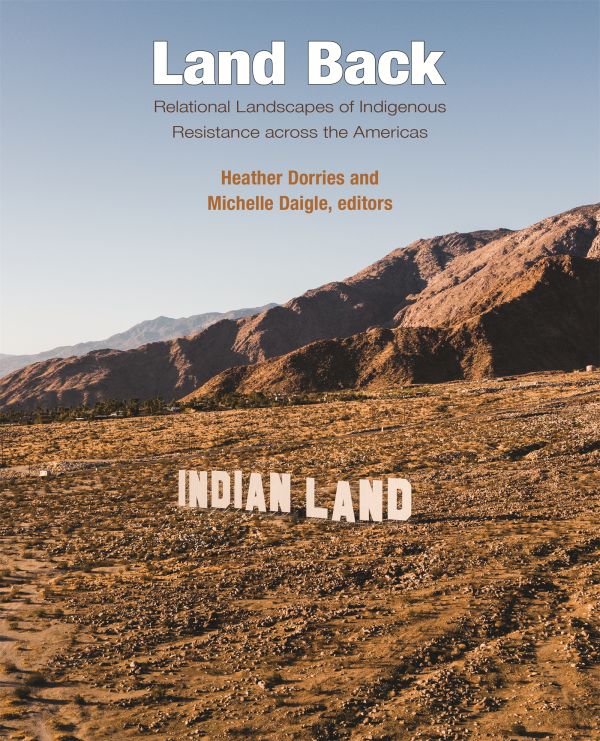
Summer read🏖️ Land Back - Relational Landscapes of Indigenous Resistance across the Americas. Edited by Heather Dorries & Michelle Daigle, Assistant Professors at the Centre for Indigenous Studies and Department of Geography and Planning @UofT@Harvard_Press
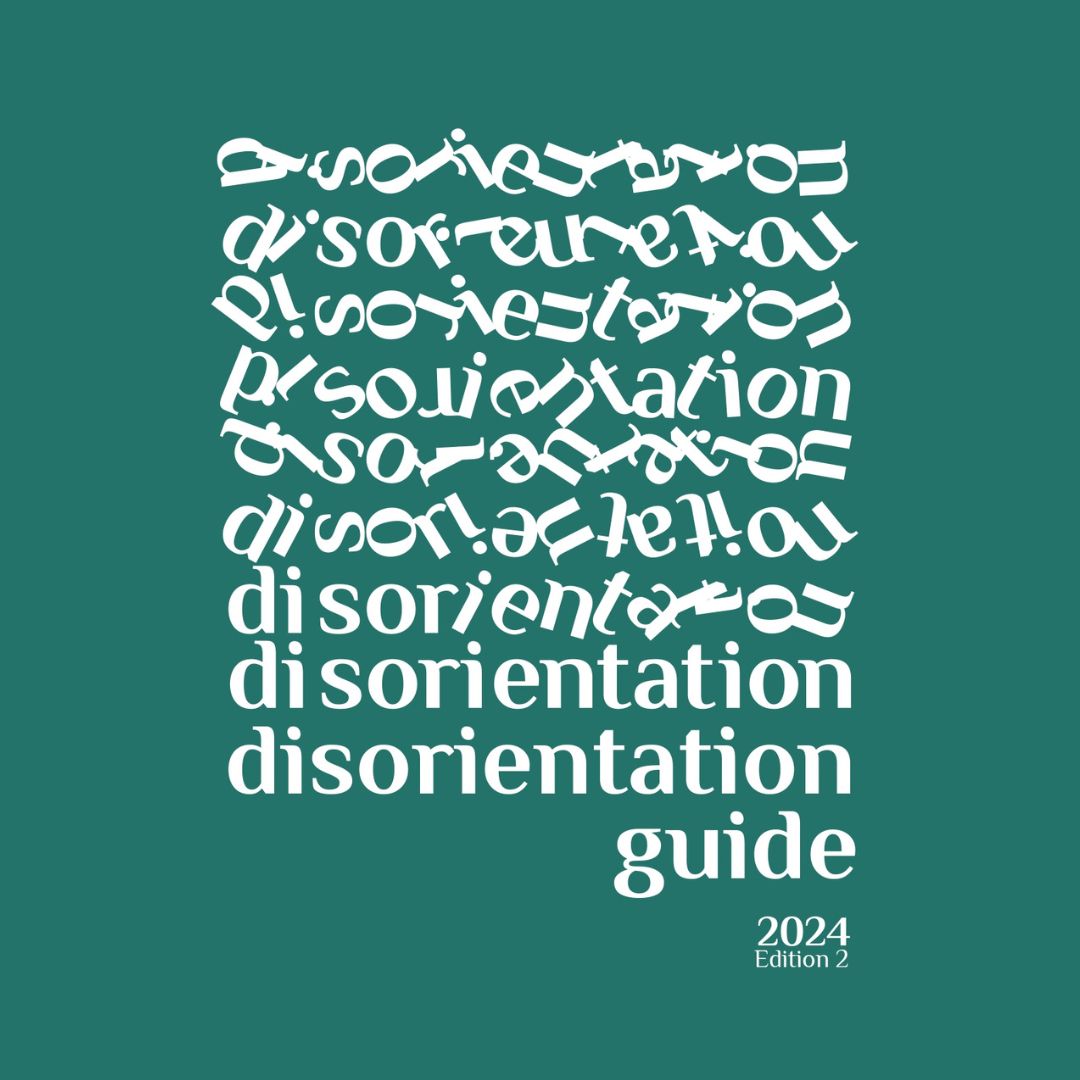
What does it mean to be a “progressive” or “radical” planner? And what kind of power do planners have to enact change?
The #PlannersNetwork Disorientation Guide attempts to orient folks new to the field of urban and regional planning to ideas, concepts, and practices linked to progressive or radical planning traditions.
Reimagined 20 years after its first iteration, the Disorientation Guide features a range of articles, interviews, and excerpts sourced from progressive planning academics and practitioners. In addition, the guide includes additional resources with links to grassroots organizations, non-profits, and academic research groups involved in progressive city-building practices.
It is our hope that this guide can help to inspire positive ways forward amid present challenges and offer a lens into the kinds of alternative visions and practices that planning can be.
Download the guide (PDF) at:
https://t.co/UnYN5lLgAX
Please print, share, and distribute!
New article out in @Planning_theory analyzing how the planning of everyday water supply schedules improves water access outcomes in cities w/o 24x7 supply. Very thoughtful and constructive anonymous reviewers -- wish we could grab coffee :)
In this article, Nidhi Subramanyam @needycities conducts an in-depth study of how "frontline planners" make everyday decisions under conditions of uncertainty and information scarcity to provide water supply services to residents in Tiruppur, India. https://t.co/9wFlHflN3V
Calling all PhD students, esp. in India! Apply now for Summer Workshop on Urban Mixed Methods across the Disciplines. Come to TO from July 28-30 (expenses paid) to explore innovative research methodologies that engage with the theme of urbanism and cities: https://t.co/3zTg2KiD0p
@gregspierce Amazing! I have an accepted manuscript touching upon some of these themes... really hoping it comes out soon. Yes, there should be more work across sectors
TL;DR: "Climate-induced displacements" need to be understood and addressed in relation to uneven histories of regional development that lock caste communities in precarity & how caste mediates adverse incorporation into urban livelihoods and linked housing for migrants
In addition to giving discount coupons for books, journal publishers should provide discount coupons for APCs to reviewers. They are making money from our free reviewing labor and making us pay to publish our hard work in open access format!