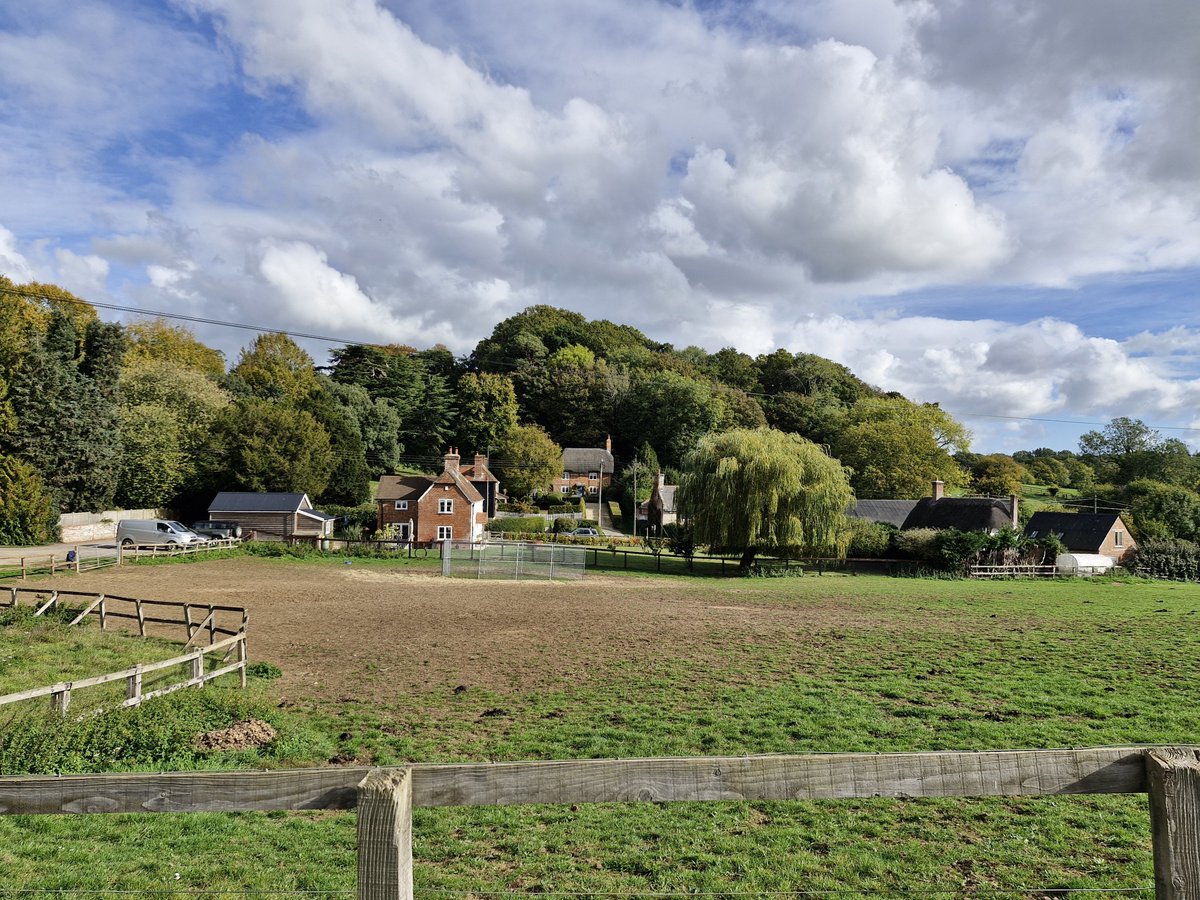
England is a land of stories.
Some are true are true and some are not; many are a delightful mixture of myth and reality. But it's these stories that create a sense of what England was, is and will be.
We find them in ancient earthworks, strange local traditions and odd place names. They surround the local pub. Wherever you look there is a tale to be told.
I write about them at Tales of England.
I hope you will join me as I work on uncovering them, one place and one story at a time.
Finally finished reading 'Pendulum' by John Christopher.
Written in the 60s, it's a story of Britain's financial collapse and descent into revolutionary anarchy. Then there is a grim counter reaction. John Christopher, it is safe to say, did not do happy endings.
A thriller in the old sense of the world. Not great literature but a great story.
Feels quite relevant today.
I was this many years old when I discovered yob is just boy spelt backwards.
Turns out it's an example of 19th century 'back slang', which was used amongst London market traders of the period.
The Union Jack.
Contrary to a modern myth you can call it the Union Jack wherever it is, on land or on sea.
Anyone who tells you it has to be called the Union flag is wrong.
Yes, you can call it either.
But most Brits who lived before the 2000s would have given you a funny look for calling it the Union flag.
Great to see, but Union Jack please.
Calling it the Union flag is one of those ahistorical 21st century obsessions someone dreamt up as a way to make our history a little less interesting.
It's then wrapped it up in the 'you're clever if you call it the Union flag not Union Jack' nonsense.
The moment Lord Collingwood's Union flag from the Battle of Trafalgar is revealed at Newcastle's Discovery Museum. It's on public display for the next two weeks (permanent exhibition coming next year). @HeritageFundUK and lots of donors have supported this.