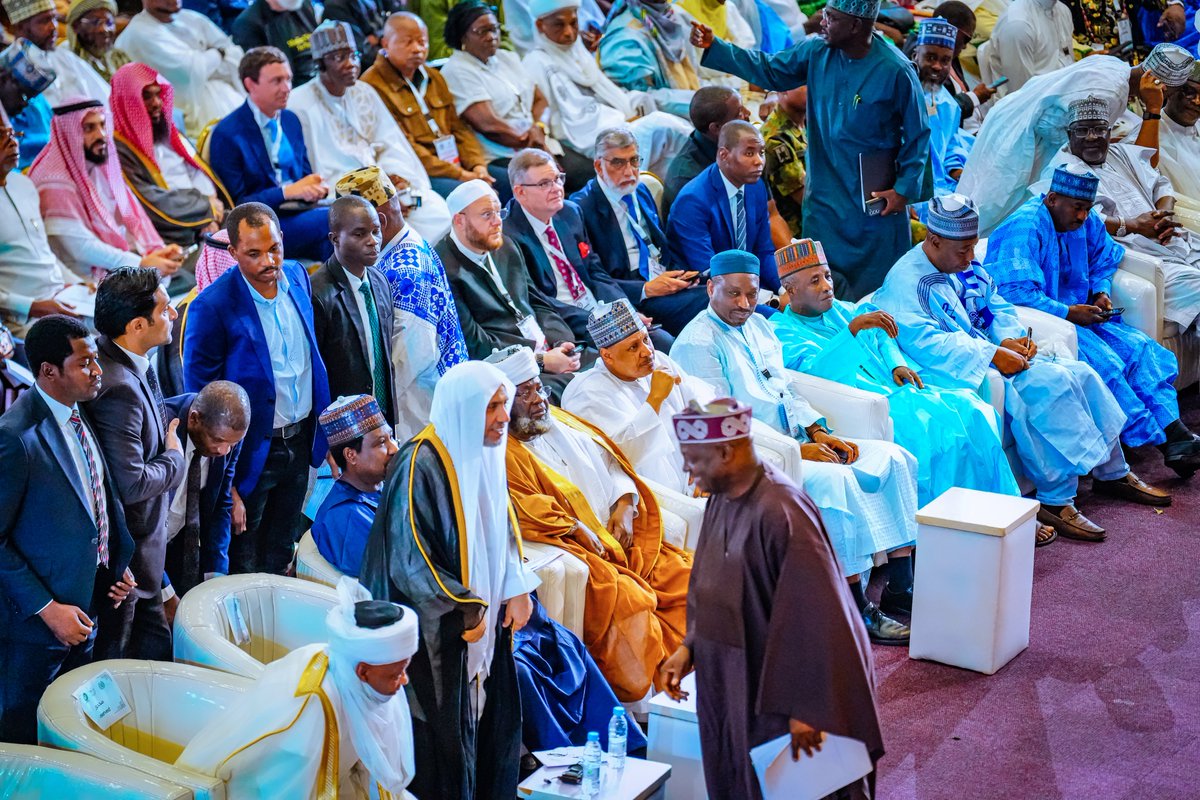
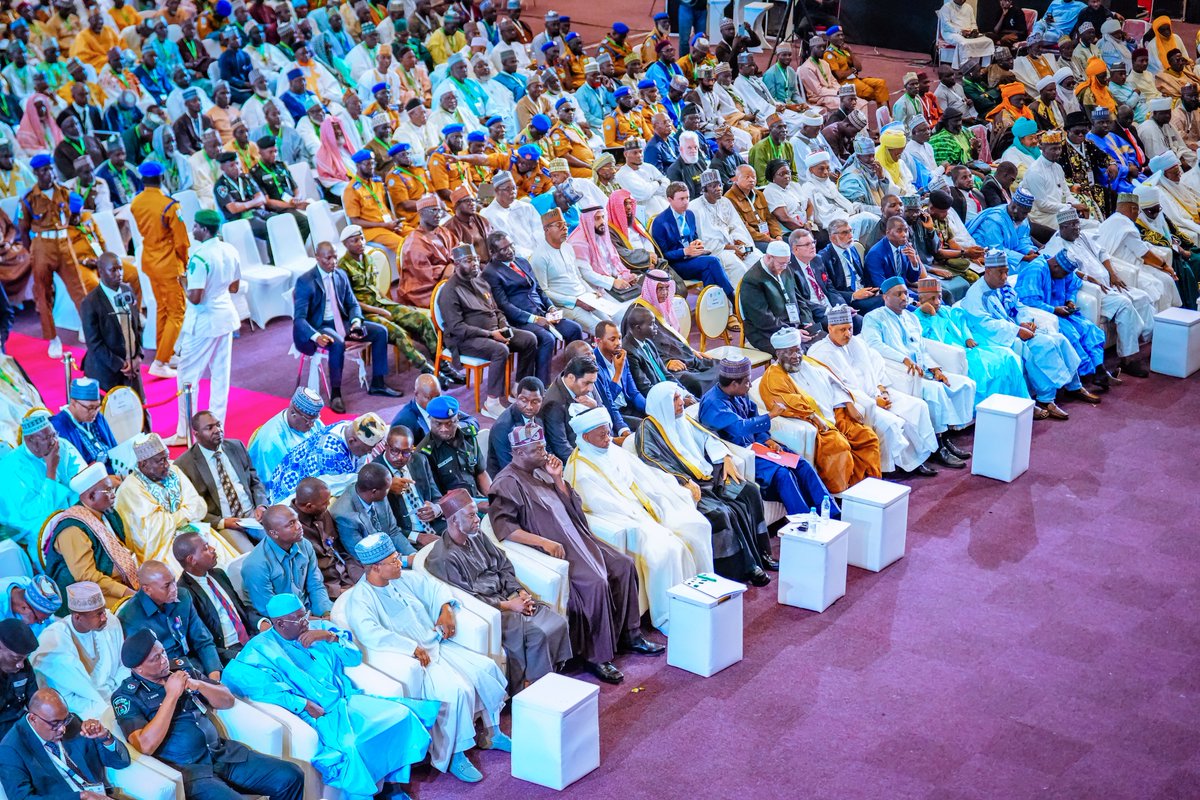
I was deeply honoured to join the Muslim community today at an important gathering dedicated to a subject that goes to the very heart of Nigeria’s future: “Diversity and Social Peace: A Partnership for a Promising Future.” The theme is not only timely; it is profound. For Nigeria, diversity is not an abstract concept. It is the reality of our national existence. We are a nation of different faiths, ethnicities, languages, cultures and traditions, woven together by a shared history and a common destiny. The question before us is therefore not whether Muslims and Christians can live together, but what kind of Nigeria are we building by the way we live together?
I spoke from the heart and from experience. I grew up in Yobe State as the son of a pastor, and as a young boy, I witnessed the beautiful friendship between my father and the Chief Imam of Nguru. They were men of different faiths, but their humanity came before their differences. They visited one another, respected one another and stood together as neighbours, friends and Nigerians. That experience taught me a lesson I have carried throughout my life: religious difference does not have to produce human distance. Sadly, I later witnessed in Plateau State the other side of Nigeria—conflict, suspicion, displacement, destruction and the tragic loss of innocent lives. I saw what happens when we stop seeing our neighbours as human beings and begin to see them only through the narrow lens of religion or ethnicity.
Today, I asked some difficult but necessary questions: When did our differences become reasons to fear one another? When did being Christian or Muslim become more important than being Nigerian? When did ethnic identity become more powerful than our shared humanity? Nigeria faces terrorism, banditry, communal violence, hate speech and the manipulation of identity for political purposes. We must confront these challenges, but we must also confront the hatred and dehumanisation that often lie beneath them. Security is necessary, but lasting peace requires justice, education, responsible leadership, economic opportunity, dialogue and moral courage. Our churches and mosques must become centres of peace; our traditional institutions must become instruments of reconciliation; and our political leaders must never weaponise religion or ethnicity for temporary political advantage.
Nigeria does not need less diversity. We need greater wisdom to manage our diversity. We do not need to become the same; we need to learn to live together as different people with a shared destiny. Let us choose dialogue over confrontation, reconciliation over revenge, justice over vengeance, and humanity over identity. Let us build a Nigeria where a Christian can protect a Muslim, a Muslim can defend a Christian, and every Nigerian can stand for another Nigerian—not because we share the same faith, ethnicity or political affiliation, but because we share the same humanity. One day, our children will ask us: “When Nigeria was divided, what did you do?” Let our answer be simple: We chose peace. We chose unity. We chose humanity. We chose Nigeria.
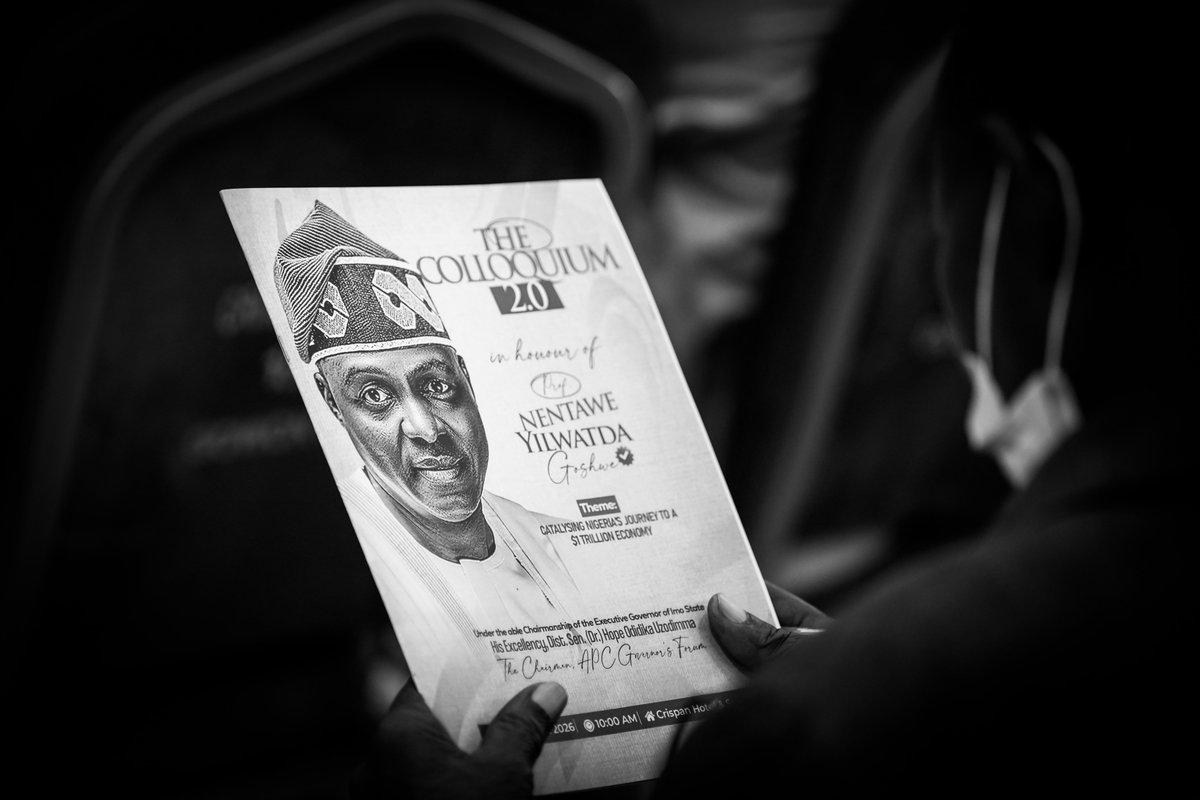
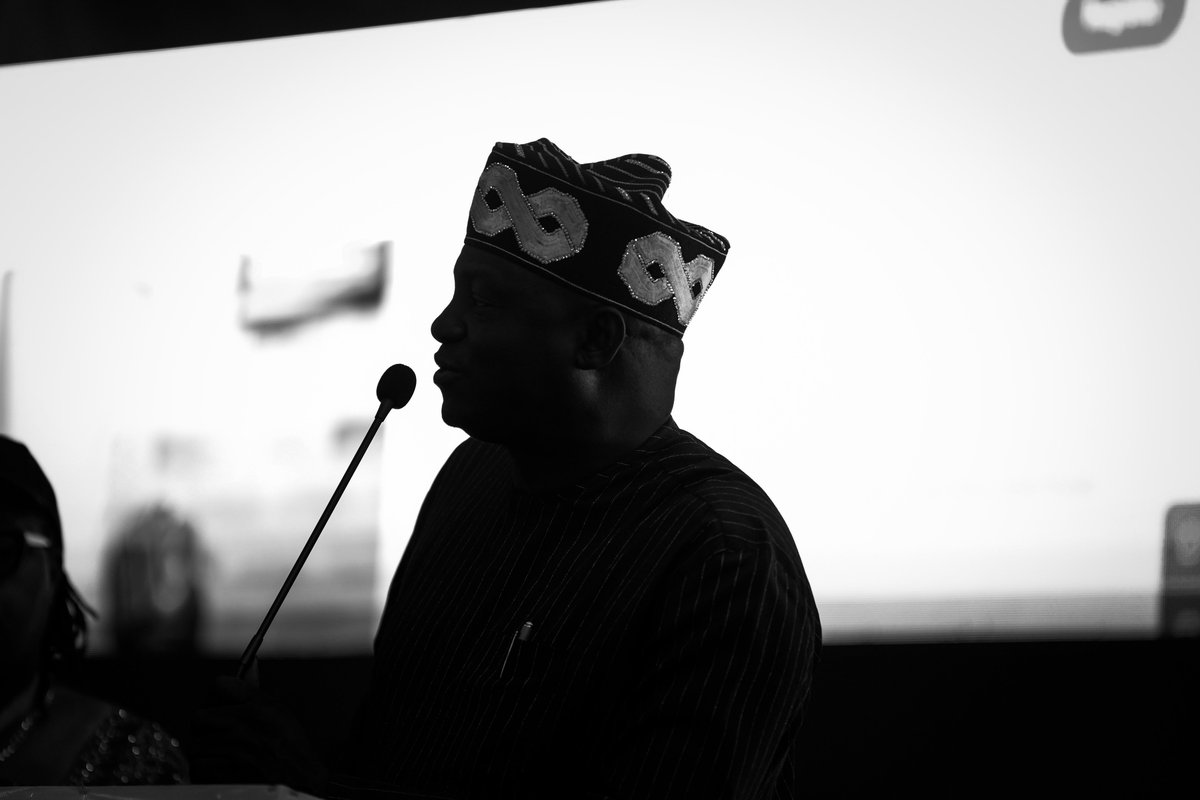
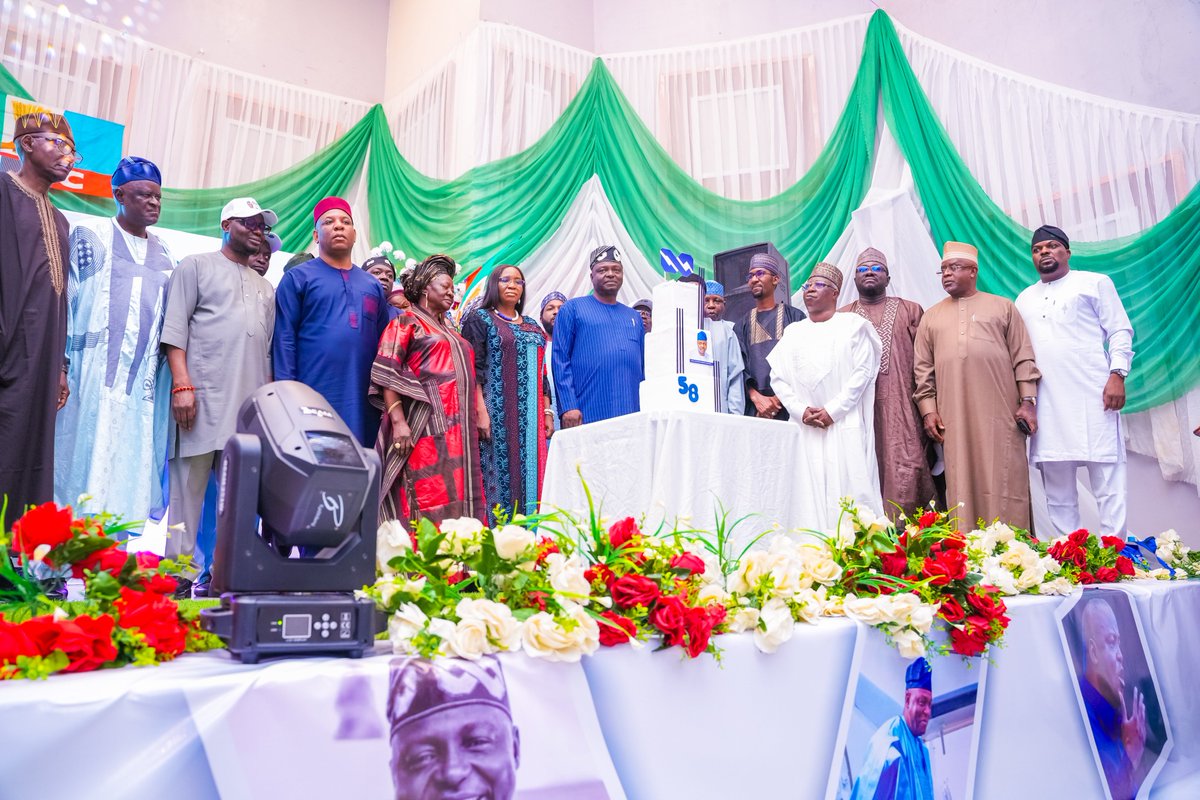
Today marks another turning point in my life as my family, friends, Plateau youths and well-wishers, including members of the National Working Committee of our great party, the APC and the Plateau State government gathered in Jos to witness a colloquium organised by Plateau youths to celebrate me.
I am deeply humbled. I never imagined that young men and women would come together to celebrate the journey of the son of a pastor and the son of a farmer in this manner. My story is a testimony that destiny can lift anyone, regardless of where they come from. I was one of those who never passed a Common Entrance Examination. I attended a government secondary school, faced difficult circumstances and, by God’s grace and the support of remarkable women who played an enormous role in my upbringing, I made it through. I owe so much to them.
Destiny took me from those humble beginnings to INEC, to becoming an APC candidate in 2023, and ultimately to the leadership of our great party. I remain profoundly grateful to President Bola Ahmed Tinubu for believing in me and giving me the opportunity to serve first as a Minister and today as National Chairman of the APC. I am equally grateful to the youths of Plateau who stood firmly with me during my campaign. You were there when it mattered, and I will never forget it.
As I celebrate this birthday, my greatest commitment remains building a better future for our people. I believe strongly in President Tinubu’s vision of a $1 trillion Nigerian economy and the massive investments in infrastructure, transportation, ports, railways, airports and other sectors that are laying the foundation for a stronger Nigeria. I have chosen to mark this birthday through medical outreach in Taraba because, for me, the greatest celebration is service. To every young person who celebrated me today: your story can be greater than mine. Never give up on your dreams. Destiny has no respect for humble beginnings.
The frontline candidates of the political parties exchange ideas with the electorates on the platform provided by Plateau Business Community.
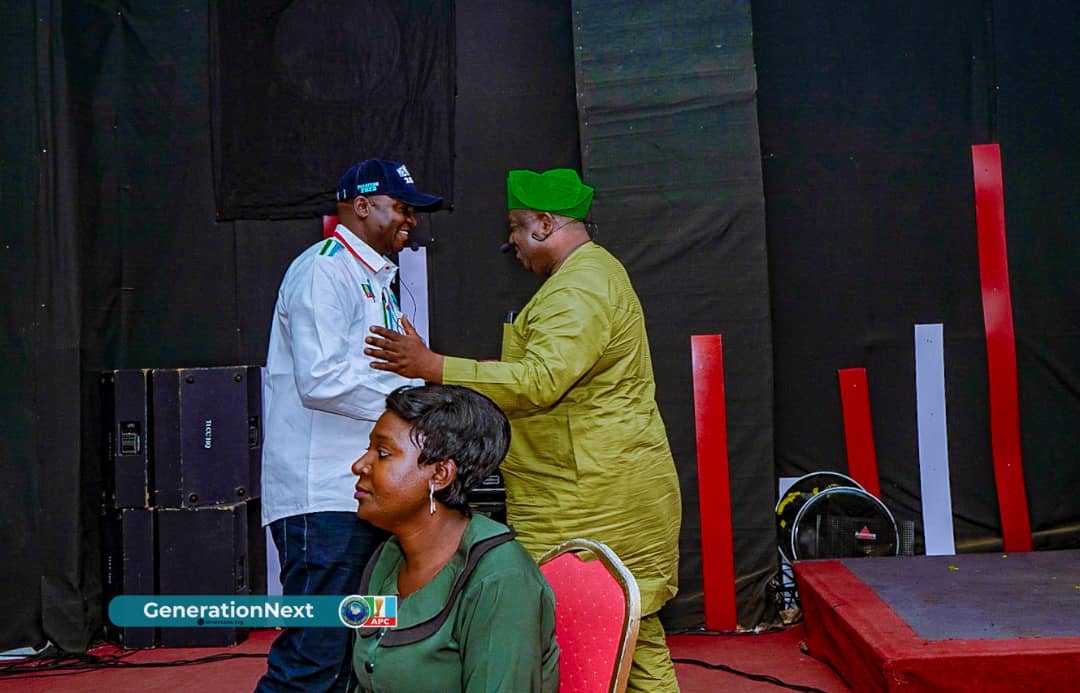
Above all, we exchanged pleasantries among ourselves and got the atmosphere beautiful with smiles, jokes, and friendly moments.
/1
"I put a call to Hon Caleb Mutfwang to congratulate him on his emergence as the flag bearer of PDP. We agreed to drive an issue-based campaign and place the people above our interests."
Dr. Nentawe Yilwatda
#GenerationNext#Thefutureisnow
Vision plus desire equals reality. Winners must have two things: definite goals, and a burning desire to achieve them.
Brad Burden.
The Generation Next team started the familiarization tour of the party delegates and stakeholders in the southern senatorial zone.
We will have a Plateau of our Heritage that is Secured, United and Prosperous.
#GenerationNext#TheFutureIsNow
GENERATION NEXT is a resolve that aims to bring the future within the reach of the emerging generation by bringing new ways of doing old things.
Using 21st century solutions for 21st century problems.
#GenerationNext#TheFutureIsNow