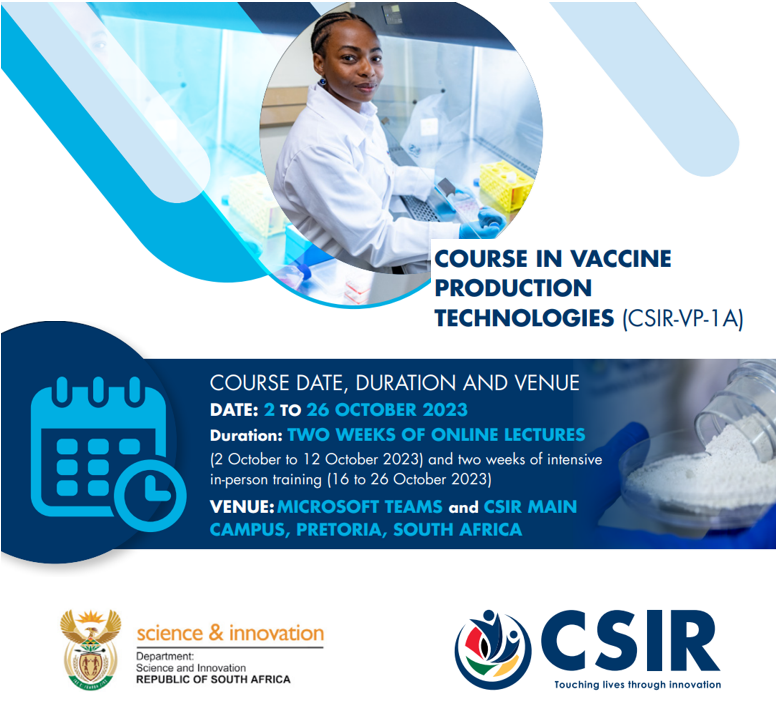
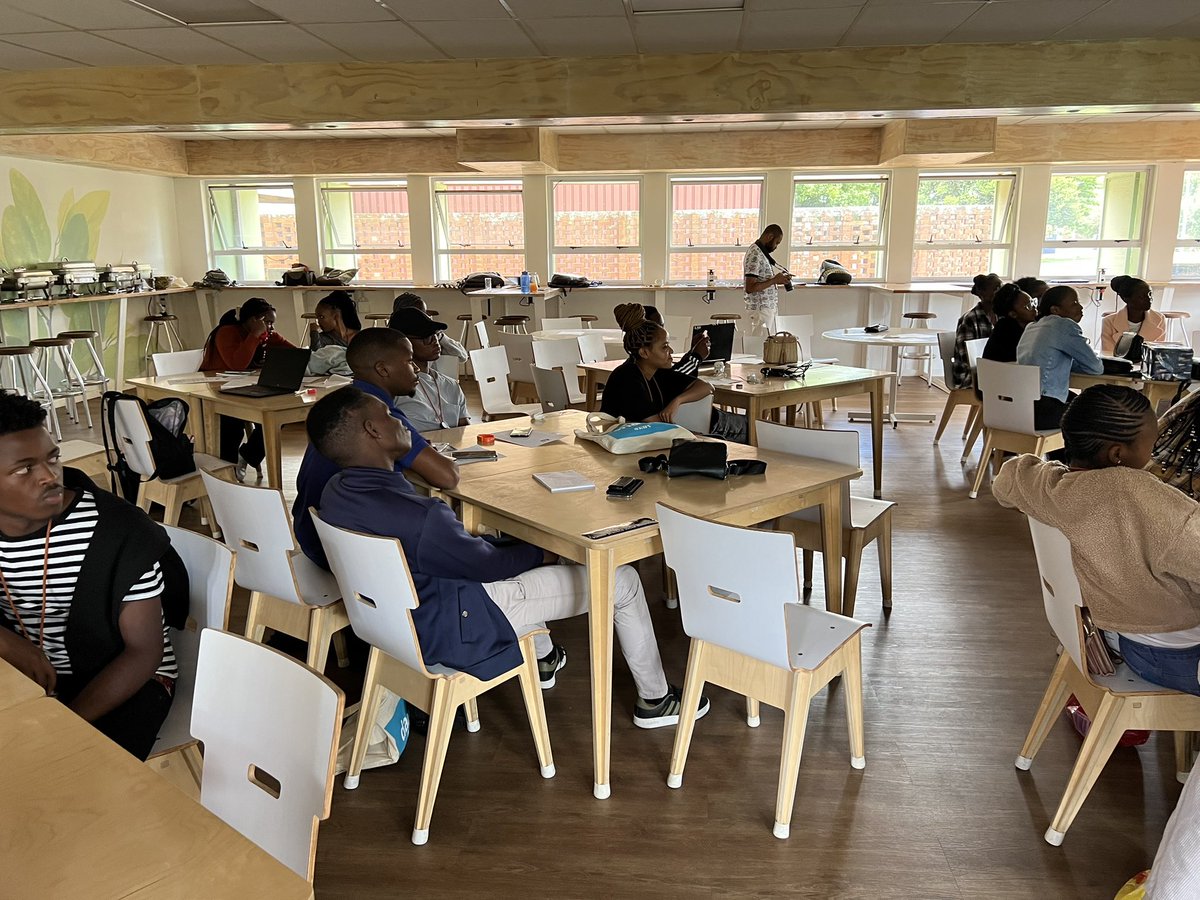
#TeamCSIR introduces the second training course of the African #Biomanufacturing Workforce Training Programme, focusing on #vaccine production technologies (CSIR-VP-1A).
For more info: https://t.co/9xdhS2becP
Apply here: https://t.co/L6fivxfUGe
Closing date: 19 July 2023
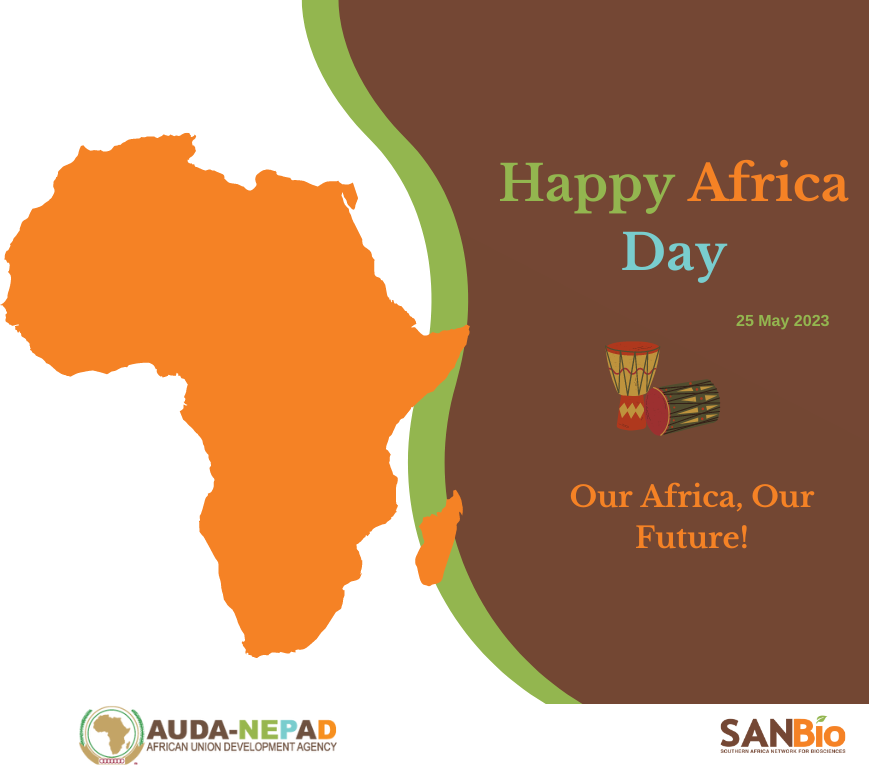
Happy Africa Day!
#NEPADSANBio is honoured to support Africa's efforts to advance science, technology, and innovation.
We pledge to develop creative solutions to strengthen the African continent as we commemorate Africa Day with the theme: #OurAfricaOurFuture
Lab-grown meat could be 25 times worse for the climate than regular beef unless scientists find ways to overhaul energy-intensive steps in its production https://t.co/TEm8CxIY4B
@INASPinfo@authoraid 2) Most contracts are 75% teaching and 25% research, in reality teaching is 125% and research is not funded that well except salaries. So I believe reality and what the researchers especially in Africa says, seems not aligned.
@INASPinfo@authoraid 1) Majority in LMIC do research because its their job and want to send their kids to school and survive. That is why they teach at a number of colleges and universities. Moreover, research is sometimes an after thought (a by-the-way) but teaching is priority number 1.
Genetic engineering has the potential to transform how we raise animals for food and other products. However, this all depends on gaining consumers’ trust through a regulatory system that people can count on.
My latest in @statnews with Beth Ellikidis.
https://t.co/7mwkosgQOW
Investment in science and innovation is crucial to address challenges plaguing Africa such as infectious diseases and food insecurity. #AfricanScience#ScienceInnovation
https://t.co/mGClSLvs2T
If the average global temp rises 2.5 degrees C due to climate change (it's risen 1.1 degrees), the Andes will face low-to-no-snow winters in about 25 yrs, according to @BerkeleyLab. That would have huge impacts on water resources. #ClimateScienceSunday https://t.co/hBGc24jvIG
Natural body odors are also important cues for mosquitos when choosing a host. Some Anopheles mosquito species, for example, are attracted to specific components of foot odor. @thephillyvoice
https://t.co/Ob9riNSVWj
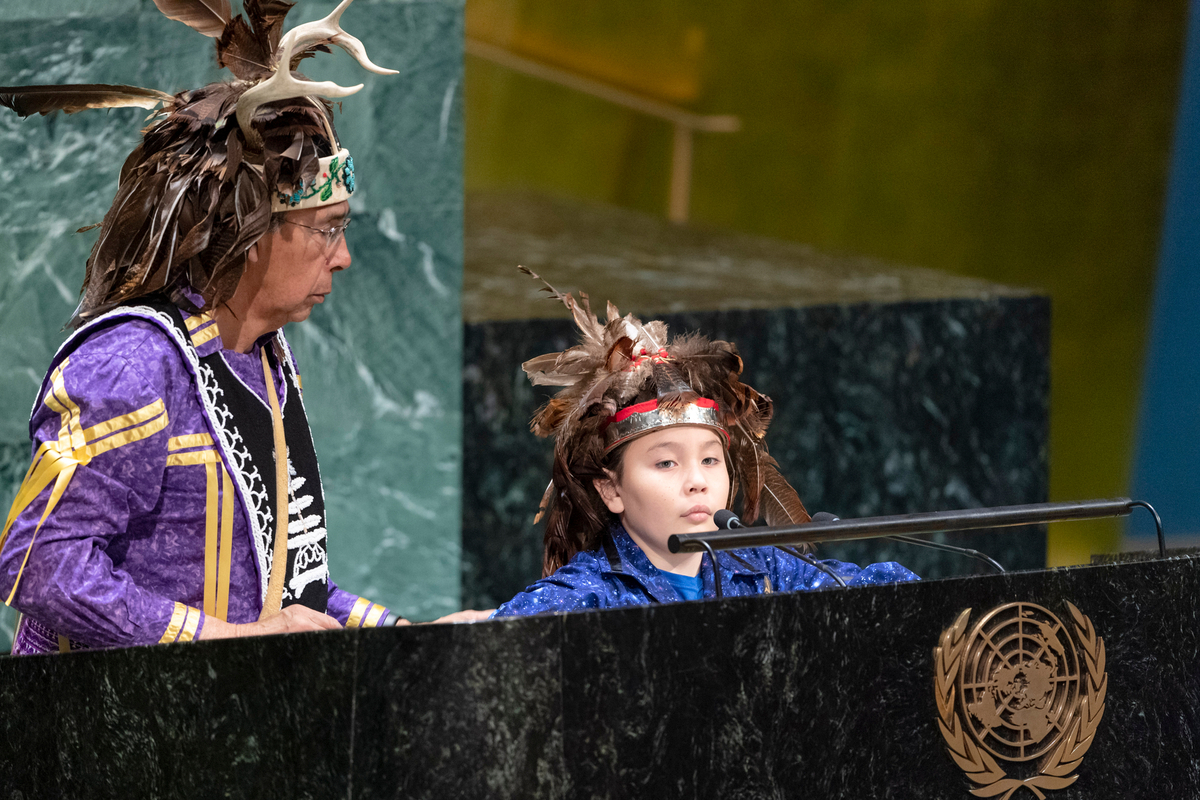
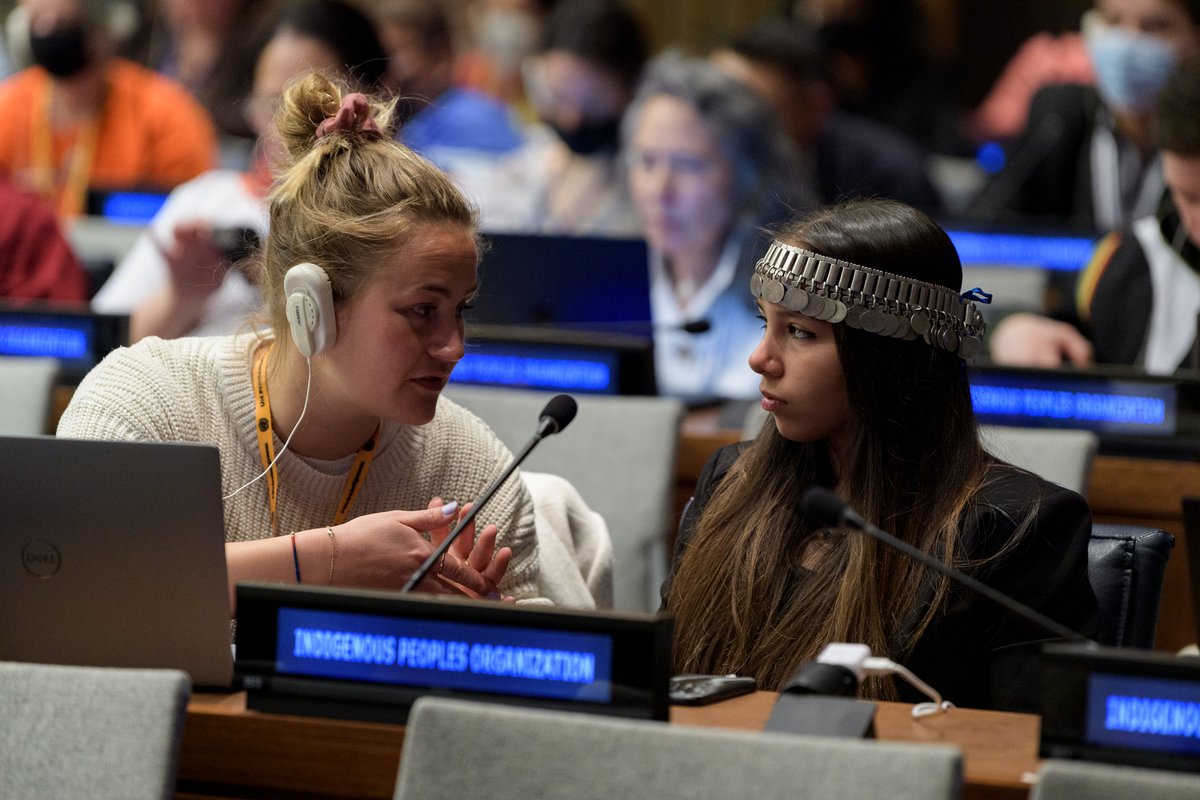
The Decade of Indigenous Languages will help us safeguard traditions, knowledge and unique ways of thinking to guarantee a better future which is built by & for indigenous peoples.
To achieve a more equitable & sustainable world we must amplify their voices.