Building on the ESCC Hub we're providing improved Earth systems and climate information for Australia. Supported by the National Environmental Science Program.
There's still time to submit your questions to our #NESP expert panel for next weeks webinar: Answering your questions about climate science and adaptation practice
Register now
https://t.co/nIqU3Ouvwi
@DCCEEW
Ever wanted your climate questions answered by an expert?
Well now's your chance.
The hub's next webinar will be answering your questions about climate science and adaptation practice.
Register and submit your questions now
https://t.co/RELsDJSsJO
Just published a new paper demonstrating a method to explicitly include observational uncertainty (and error) in model evaluation. Are you evaluating a model? You might find this method useful. @ccrc_unsw@nespclimate https://t.co/QKy0UmeqK6 via @IOPenvironment
What can you do when an area has been cleared for farming that's no longer there and is now flooding?
You can restore it.
Read more about the Sunshine Coast's #BlueHeart in July of our #NESP 2024 Calendar
https://t.co/7lwCfZewP1
@DCCEEW
Our Enablers of Best Practice Adaptation project team are working to understand how the concepts of best practice adaptation might help build a well-adapted Australia.
This means learning from experts across disciplines and countries.
https://t.co/kHeeI4P6rF
#NESP@DCCEEW
"I'm enjoying bringing together my experience in management & strategy development, along with my climate science background and passion for climate communication. "
Meet our new hub leader @Jaclyn_N_Brown & learn more about her plans for the hub
https://t.co/Ff47dHzTcm
@DCCEEW
Yesterday's webinar ACCESS: Australia’s climate and earth systems model had more questions asked than any other hub webinar.
Now you can watch it back to see why climate models are so important in answering questions about our future climate
https://t.co/9Ejbm2MX9W
@DCCEEW
After selling out we've just added another 100 tickets to our webinar: ACCESS: Australia’s climate and earth systems model
Join us today at 1pm to learn what all the fuss is about
https://t.co/cviFbhesvQ
#NESP
ACCESS (Australian Community Climate and Earth System Simulator) is a state-of-the-art climate and earth system model.
Learn all about how it can be used to understand our changing climate at our next webinar
https://t.co/HoJCUQxFGr
#NESP@DCCEEW
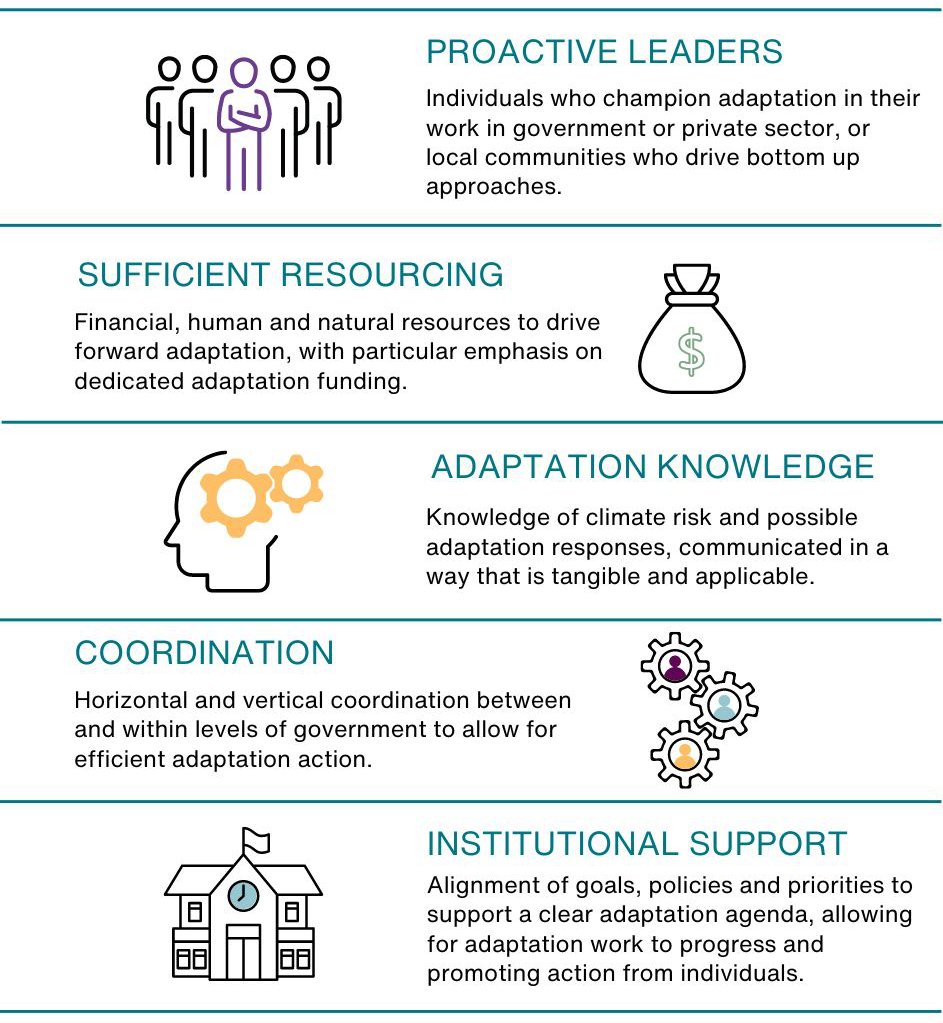
As we continue to see the impacts of #climatechange, #adaptation is more important than ever.
But what enables adaptation? #NESP and @UniMelb Tia Brullo has found 5 enabling factors.
https://t.co/THpDCDns1P
@DCCEEW
Less than 1 week until our next webinar!
Learn about Australia's climate model and all the incredible things it can do with #NESP and CSIRO scientists.
https://t.co/HoJCUQydvZ
@DCCEEW
1/10
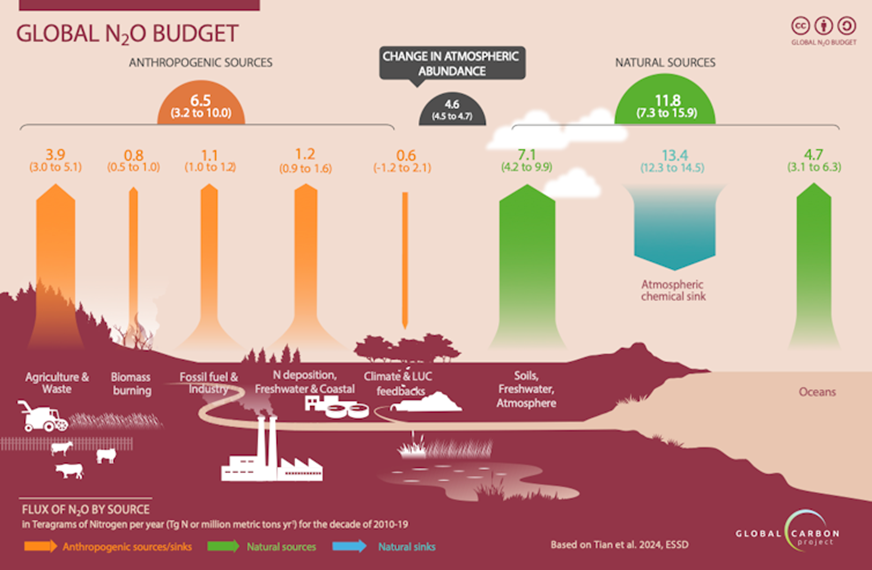
@gcarbonproject has just published the most comprehensive Global Nitrous Oxide Budget to date.
Global N2O emissions continue to grow largely driven by the increase in the use of chemical nitrogen fertilizers and the production of animal manure.
https://t.co/psrNFwYrqB
What’s 300 times more powerful than CO₂ and remains in the atmosphere for more than 100 years? Nitrous oxide or N₂O.
The global N₂O budget has been released by the @gcarbonproject@CSIRO and #NESP scientist @pepcanadell.
Read more
https://t.co/vnZpXPvXv9
@DCCEEW
@CSIRO@ClimateGrose may not have a crystal ball but he still is an expert in what our future climate may look like.
In our next webinar, Michael will be looking at the value of ACCESS in projecting Australia’s climate future.
Register now
https://t.co/HoJCUQydvZ
@DCCEEW
Tilo Ziehn is leading the #NESP project Towards the next generation earth climate model.
Join Tilo and other ACCESS experts to learn from their experience about the value of Australia’s climate model.
Register now
https://t.co/HoJCUQydvZ
@DCCEEW
The latest addition of our newsletter features an editorial by our acting hub leader @CSRIO scientist @Jaclyn_N_Brown
Read Jaci's editorial on our website:
https://t.co/Xh4QVwyfAP
#NESP@DCCEEW