AI trained with input from experts: scientists, clinicians and patients, very carefully and cautiously may solve problems instead of creating new ones. See our paper.
@netphys1 et al. argue that AI and machine learning could transform chronic pain care by identifying objective biomarkers and patient subtypes, though rigorous validation and clinical integration remain essential. Learn more in #PAIN https://t.co/ULIU3w2wFN
@netphys1 et al. argue that AI and machine learning could transform chronic pain care by identifying objective biomarkers and patient subtypes, though rigorous validation and clinical integration remain essential. Learn more in #PAIN https://t.co/ULIU3w2wFN
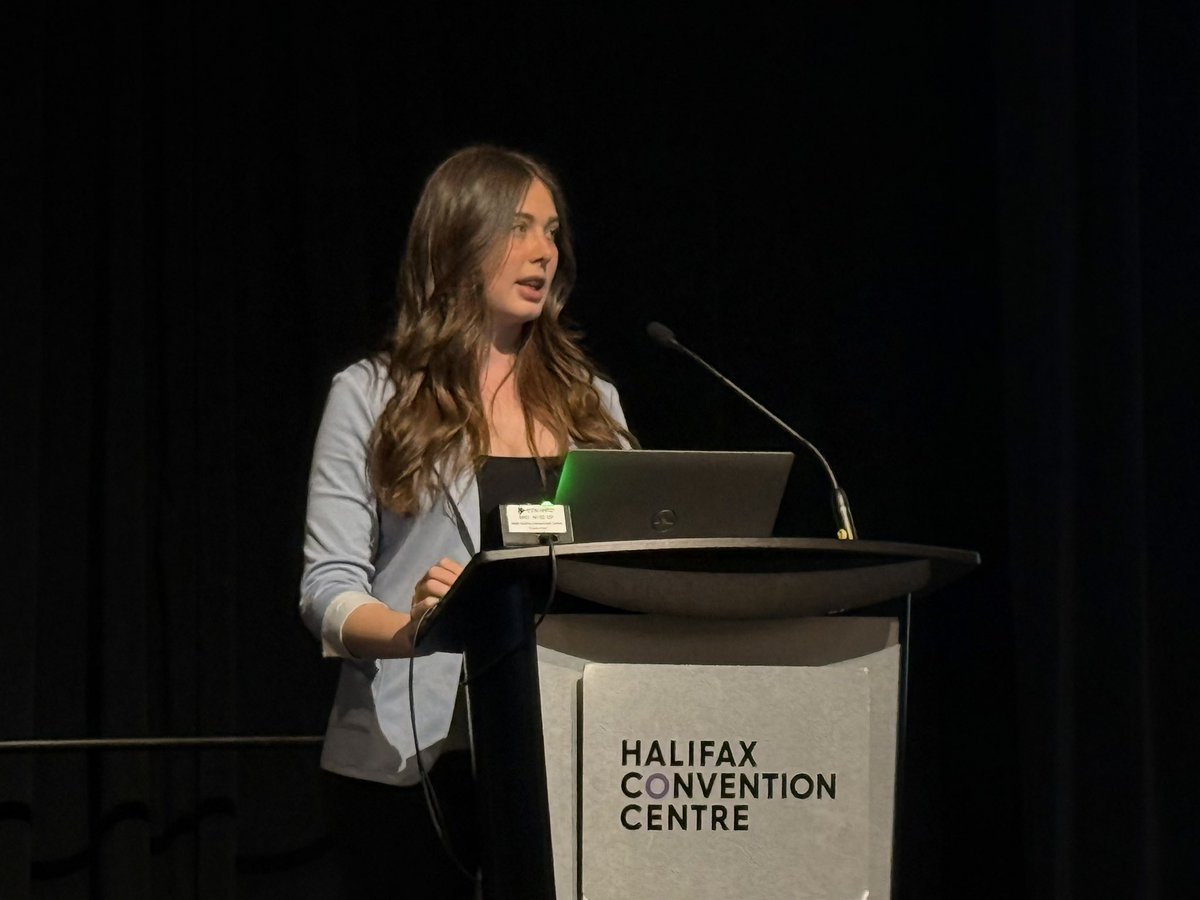
< Trainee Presentation>
Jennika Veinot “Working Memory and PostTraumatic Stress Contribute to Different Chronic Pain Symptoms but Share a Common Pain Modulation Mechanism”
#ANESRD26@DalAnesthesia@DalhousiePain
Awards for #ANESRD26 presented by Drs. Christian Lehmann and Jessica Spence
Graduate:
1st Jennika Veinot
2nd Cameron Calder
Pain Research: Katie Clark
Undergrad:
1st Katie Clark
2nd Kaela Fraser & Olivia Pappin
@DalAnesthesia@DalhousiePain
Awards for #ANESRD26 presented by Drs. Christian Lehmann and Jessica Spence
Graduate:
1st Jennika Veinot
2nd Cameron Calder
Pain Research: Katie Clark
Undergrad:
1st Katie Clark
2nd Kaela Fraser & Olivia Pappin
@DalAnesthesia@DalhousiePain
< Trainee Presentation>
Dr. Janlyn Hoffman “ICD-11-based Phenotyping of Chronic Primary versus Secondary Pain using Electronic Medical Records reveals Distinct Pain Profiles”
#ANESRD26@DalAnesthesia@DalhousiePain
< Trainee Presentation>
Aarushi A “Resilience Profiles in Chronic Pain: The Role of Trauma Exposure & Symptoms”
#ANESRD26@DalAnesthesia@DalhousiePain
-Transdisciplinary teams are a necessity, not a nicety, for equitable pain care
-AI/ML can help us move toward personalized, scalable pain care, but needs to be built with human oversight to be most effective
New article:
Chronic pain and the limits of artificial intelligence: why expert knowledge matters
Hashmi MA & Hashmi JA, PAIN (2026)
https://t.co/xdDBIkIXFO
-Explainable AI is essential; black-box systems undermine clinical trust and patient autonomy
-Transdisciplinary teams are a necessity, not a nicety, for equitable pain care
Congratulations Daphne Lim for being awarded the prestigious Prof Joseph Forgas PhD travel award to visit Prof Javeria Ali Hashmi @netphys1 at @DalhousieU Thanks for the support @SylviaGustin2@UNSWScience
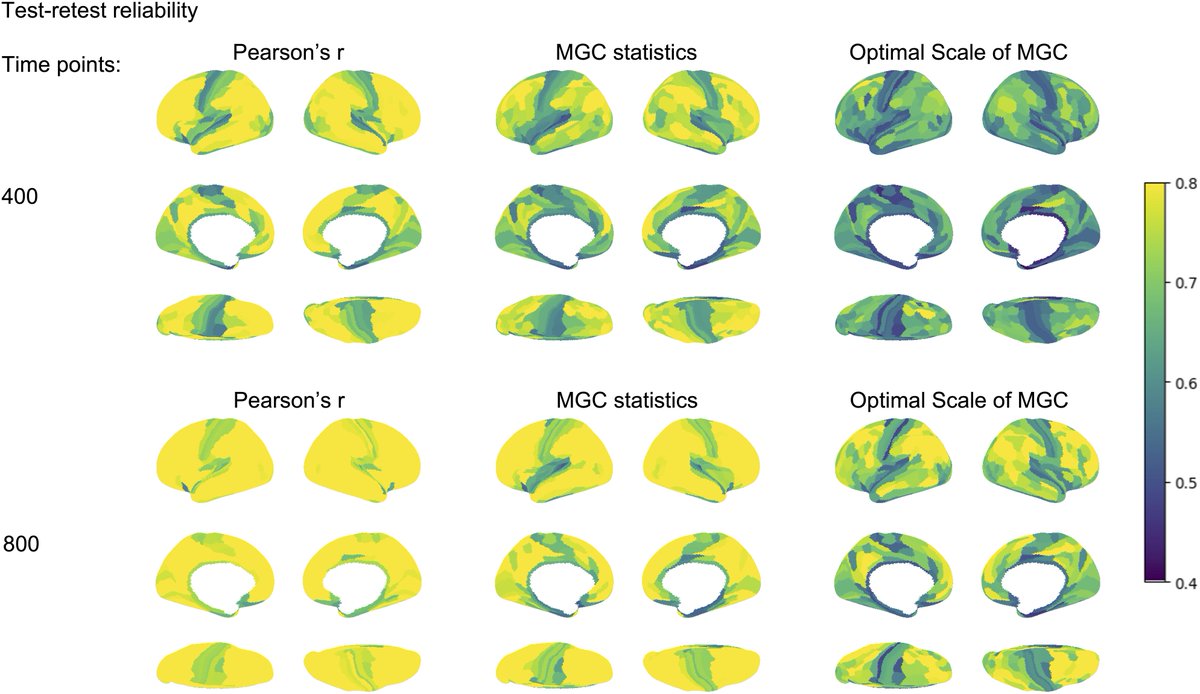
New paper in Imaging Neuroscience by Hecheng Jin, Ting Xu, et al:
Is Pearson’s correlation coefficient enough for functional connectivity in fMRI?
https://t.co/ZG4F3jvdoh
@PeterSjostedtH@theodorus5@AhQFish No one knows enough about the brain to dismiss any signal as epiphenominal. When someone says "epiphenominal", I hear "doesn't fit my theory". If a theory can't explain data, the theory is the problem, not the data.
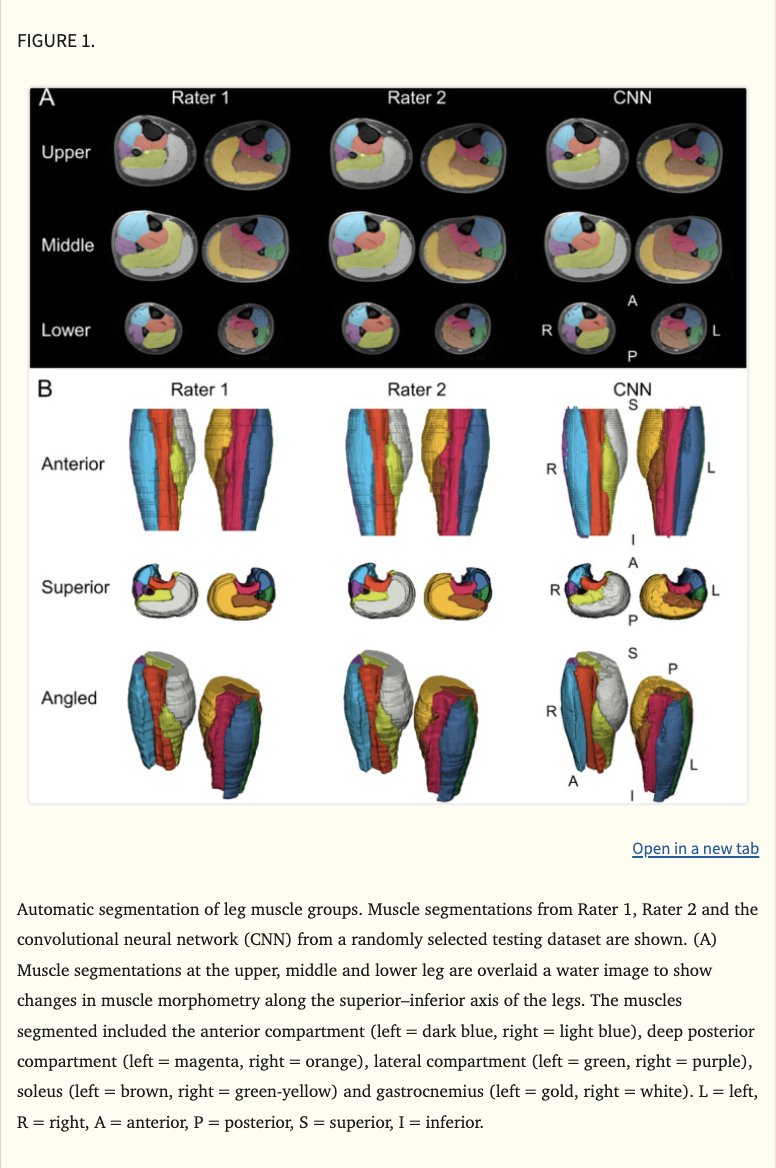
New research using AI and MRI on the lower leg points to a simple takeaway: bigger calf muscles can push down harder at the ankle—think a stronger push when pointing your toes or pushing off when you walk. Extra fat inside the muscle doesn’t.