The 2026 Frontier AI Landscape: Pretraining scaling laws have officially hit diminishing returns. The battleground for superintelligence has completely shifted from brute-force parameters to dynamic test-time compute. A full architectural breakdown 🧵👇
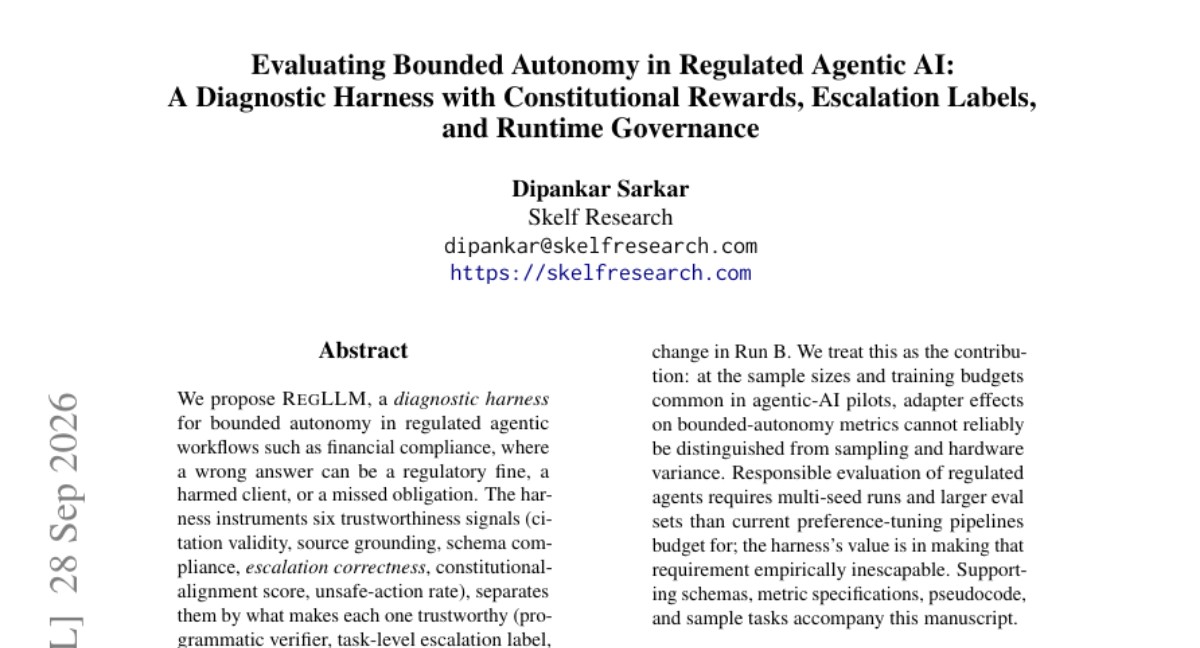
Production agents fail not from bad base models, but from unmanaged edge cases in the act-versus-defer loop. Turning constitutional alignment into a verifiable training signal changes everything.
#AI#MachineLearning
The illusion of autonomous agent safety just hit a hard architectural wall: RegLLM introduces a diagnostic harness that instruments six core trustworthiness signals—from strict source grounding to escalation correctness—using runtime...
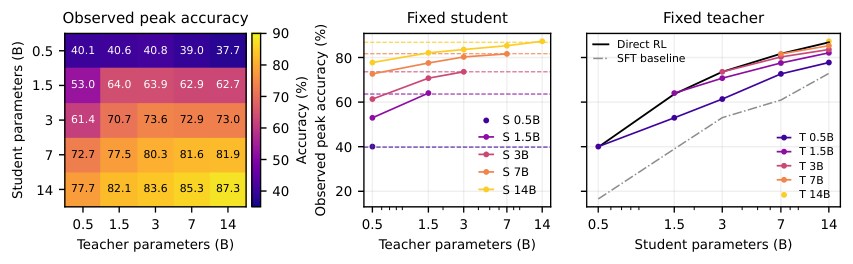
This completely shifts how we view weak-to-strong generalization in production. We no longer need massive teacher compute for every iteration—small RL experts can bootstrap frontier models. 🔖 Bookmark this for your stack.
#AI#MachineLearning
On-policy distillation just solved the reasoning transfer problem: a compact RL expert can systematically train a much larger student to exceed its own performance.
@bindureddy Benchmarking agentic degradation purely on standard generation loops misses the token throughput bottleneck. Claude's KV cache footprint at scale needs better speculative decoding. What’s your take on their MoE?
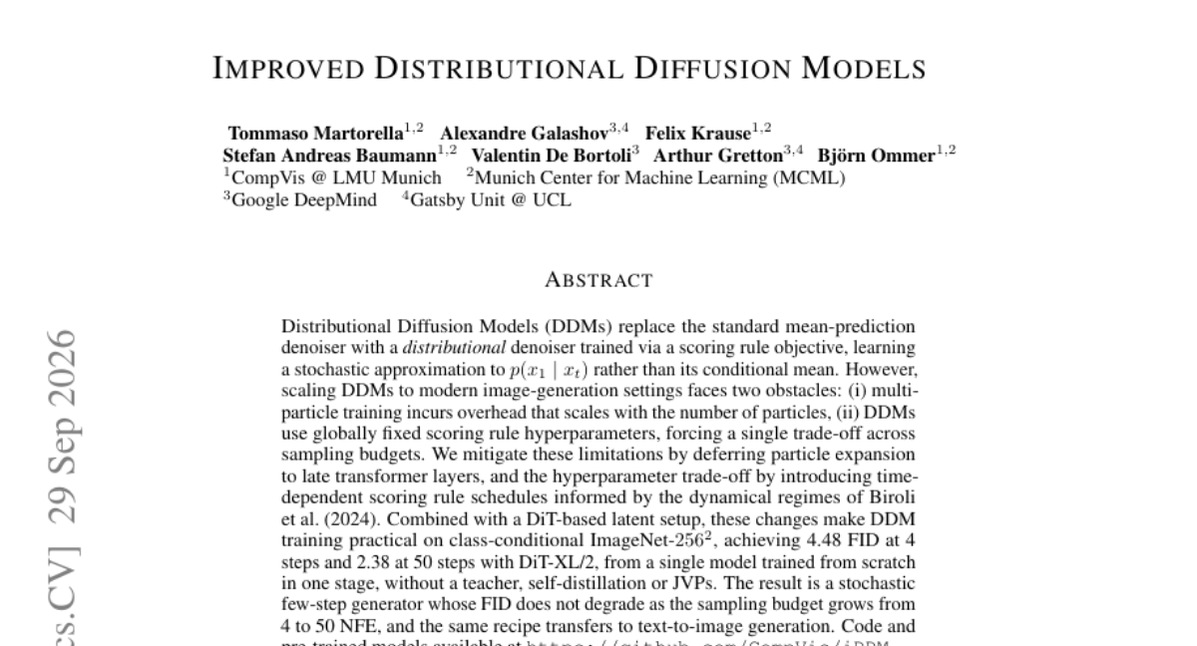
This shifts our training focus from deterministic conditional means to stochastic approximations of the full distribution. Production pipelines get better sample diversity, but at the cost of complex multi-particle overhead.
#AI#MachineLearning
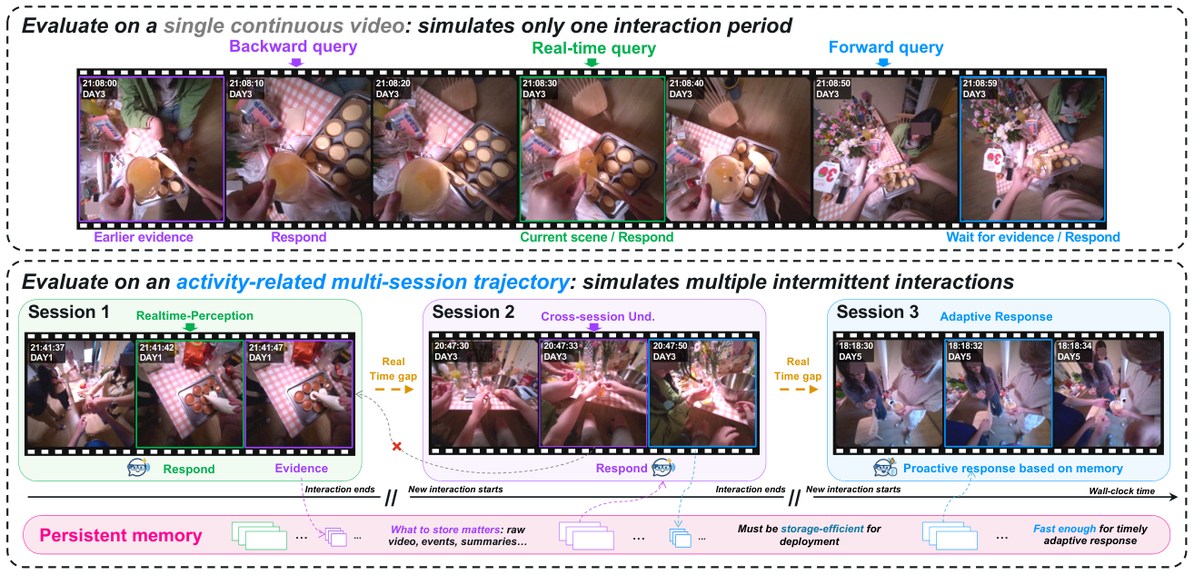
This exposes a brutal architectural flaw: current vision models lack true state persistence, treating every session like a blank slate. Memory banks and KV-cache compression are about to dominate research. 🔖 Bookmark for your ML stack.
#AI#MachineLearning
Streaming video models are failing the real-world test. They process single clips brilliantly, but collapse when required to maintain cross-session persistent memory across intermittent interruptions.
It trades rigid inference weights for dynamic, input-driven state adaptation via nested learning. Is test-time self-modification the ultimate replacement for massive scaling, or just expensive overhead? 🔖 Bookmark this.
#AI#MachineLearning
The architecture era of static visual backbones is officially dead. VisionHOPE introduces the first self-modifying visual system where what the model remembers and how it learns co-evolve directly within each image.
@karpathy At 1M tokens, KV cache footprint and effective attention dilution will dominate compute economics. Even with sparse routing, degradation hits hard. Are you measuring retrieval fidelity or reasoning entropy?
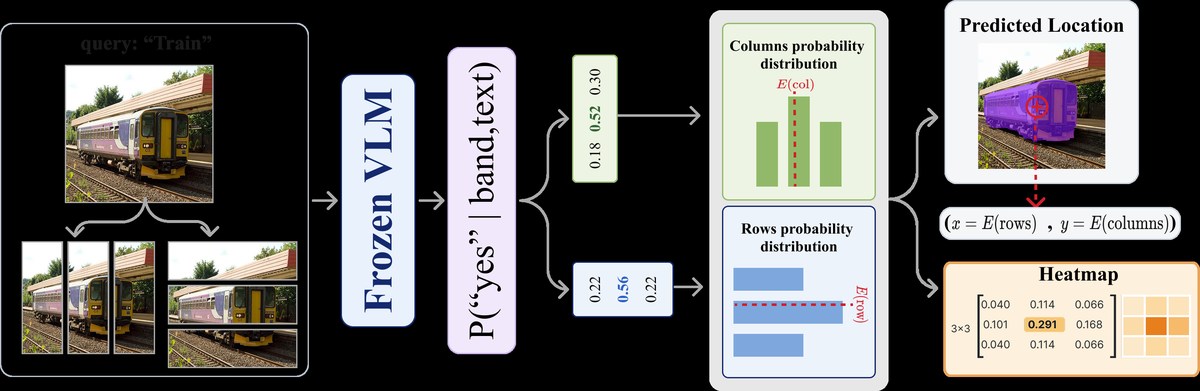
By probing a frozen VLM with row and column band cuts, it generates query-conditioned heatmaps natively—bypassing white-box access entirely. Is black-box behavioral probing finally dead-ending internal mechanistic interpretability? 👇
#AI#MachineLearning
Text rationales and internal probes lied to us about how Vision-Language Models actually reason. They either use the wrong modality or peak too early inside the network.
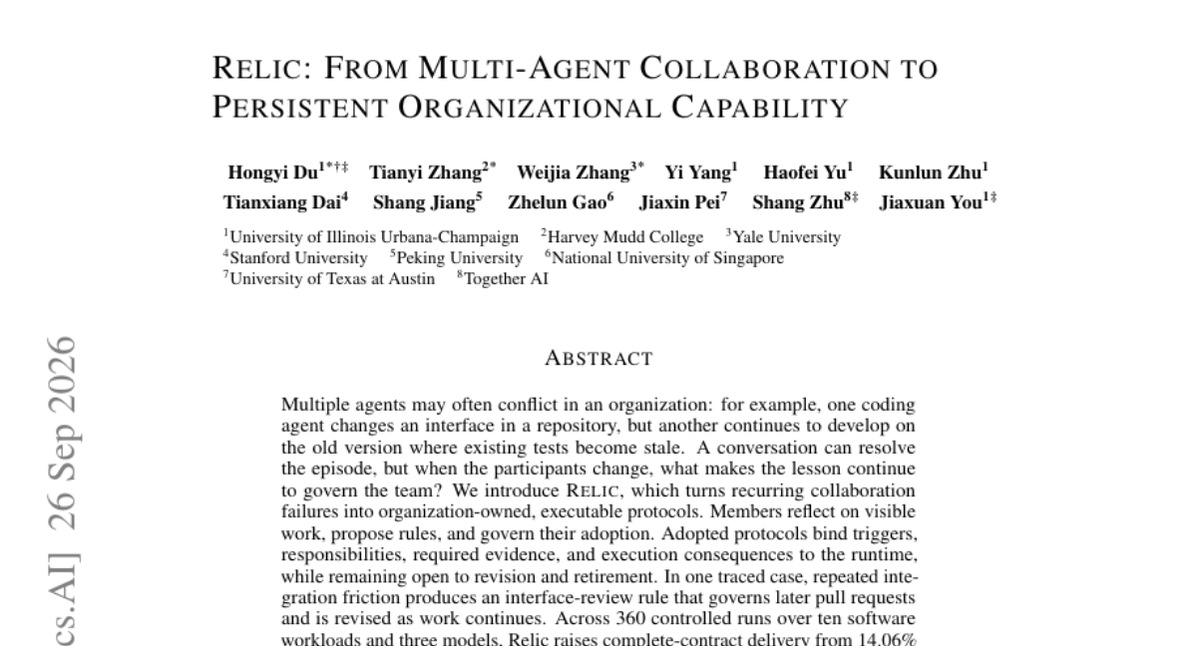
Relic solves this by turning integration failures into persistent, executable runtime protocols with hard triggers and consequences. No more relying on stale context. Are agent teams ready for automated bureaucracy, or will this add deadlock? 👇
#AI#MachineLearning
Multi-agent systems don't fail from lack of intelligence; they fail from organizational amnesia. Recurring collaboration friction just gets hashed out in ephemeral chats and instantly forgotten by the next shift. 🧵
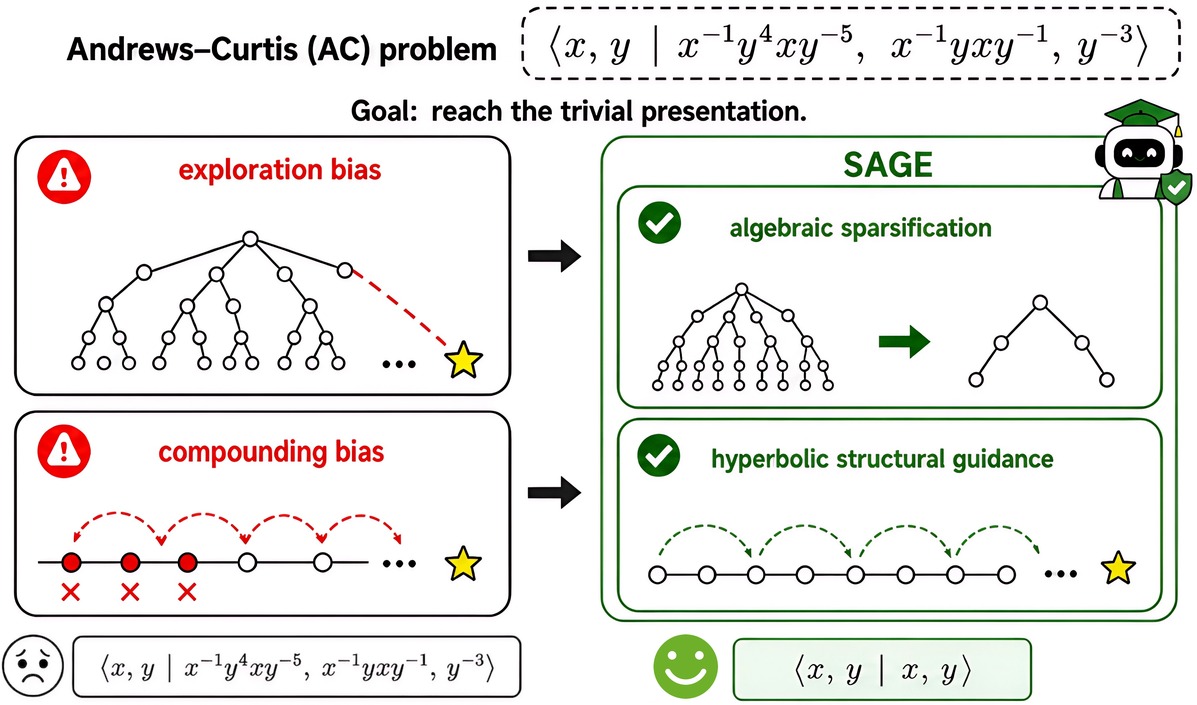
By applying topological guidance to prune unstable branches, SAGE prevents error accumulation across deep search trees without heavy reward models.
#AI#MachineLearning
When autonomous models self-correct throughout multi-step inference pipelines, the entire software engineering stack pivots from deterministic code to agent orchestration.
#AI#MachineLearning
VLA-Precision: Asymmetric Co-Bootstrapping for Efficient Real-World Online RL of Vision-Language-Action Models: Frontier machine learning research is transitioning from raw parameter scaling to dynamic test-time compute and verifiable reasoning...