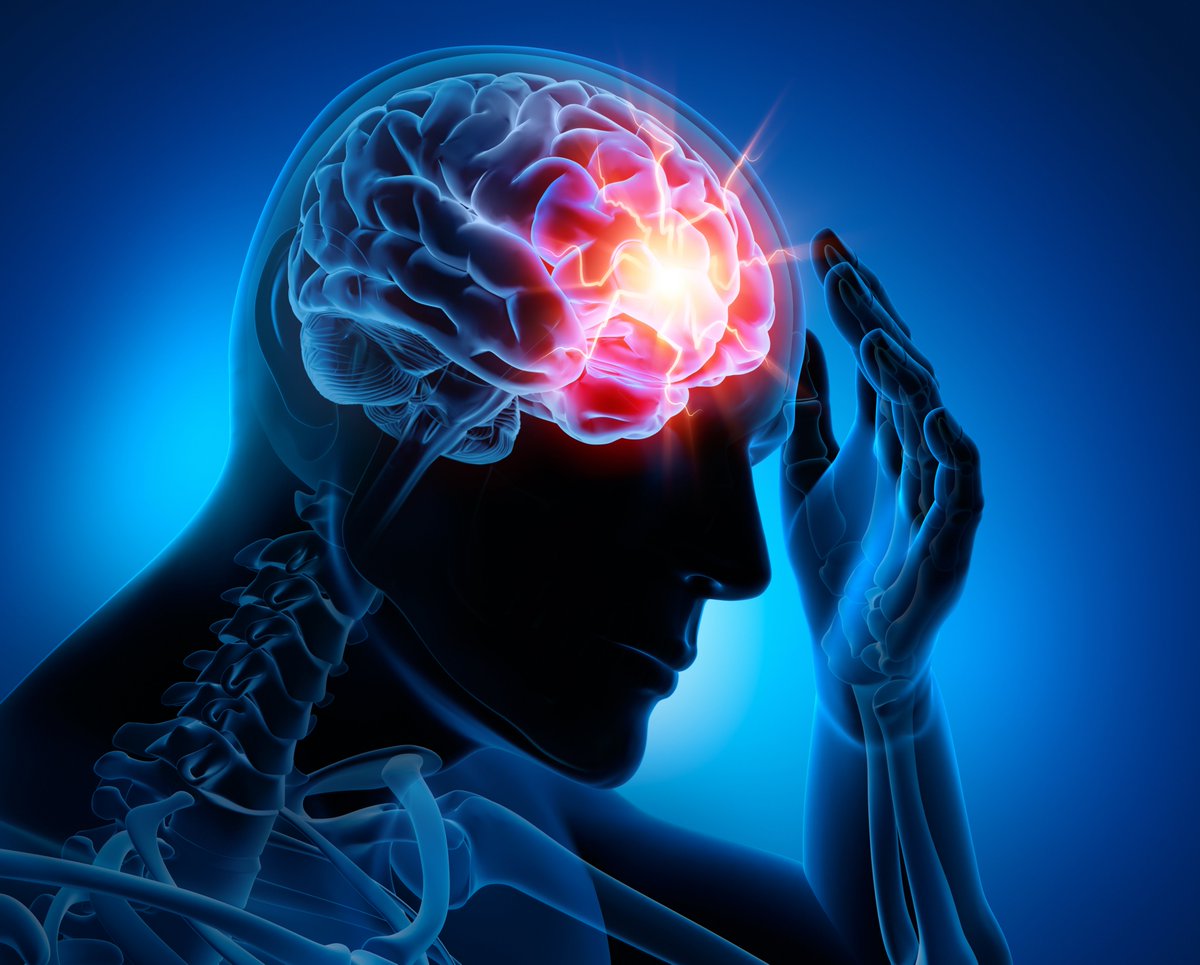
US researchers have reported promising phase 1 clinical trial results for a personalised DNA vaccine for GBM. The findings add to growing evidence that personalised vaccines and cell therapies may have a role in future glioblastoma treatment.
Read more: https://t.co/IilWcLiY5i
Condition Spotlight - Motor Neurone Disease affects the nerve cells that control movement, leading to progressive muscle weakness and difficulties with speech, swallowing and breathing. There is no cure, but support can improve quality of life. Learn more: https://t.co/1w8L7AJ7dW
World Brain Tumour Day: Around 300,000 people are diagnosed with brain & nervous system tumours annually. Early diagnosis matters. Anything weird - get it checked! Treatments are improving & early detection gives the best chance.
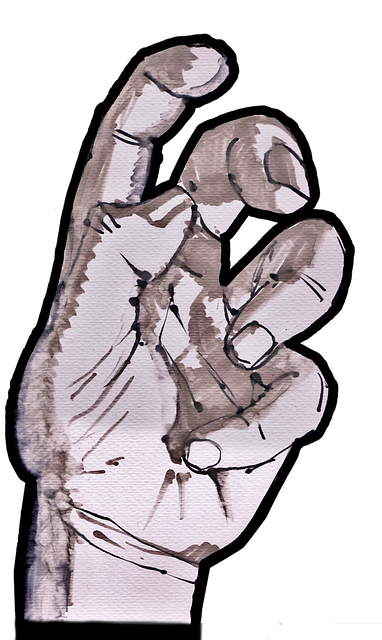
Condition Spotlight: Dystonia is a movement disorder causing involuntary muscle contractions, leading to twisting movements or abnormal postures. It can affect the neck, face, or hands & often worsens with stress or fatigue. It’s managed with medication, physical therapy & DBS.
Do you have questions about brain cancer? Join @IconCancerCtre for a free online Q&A session in an open, supportive environment. Our own neurosurgical nurse practitioner, Vivien Biggs, is ready to answer your questions. Tonight at 6:30pm (AEST). https://t.co/JKbkOPXdzd
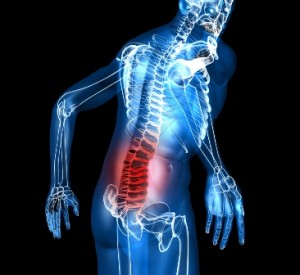
Today is World Ankylosing Spondylitis Awareness Day. This chronic inflammatory condition affects the spine causes ongoing pain, stiffness, fatigue and reduced mobility. A moment to recognise those living with this often misunderstood condition. Learn more: https://t.co/D4kJN1FB14
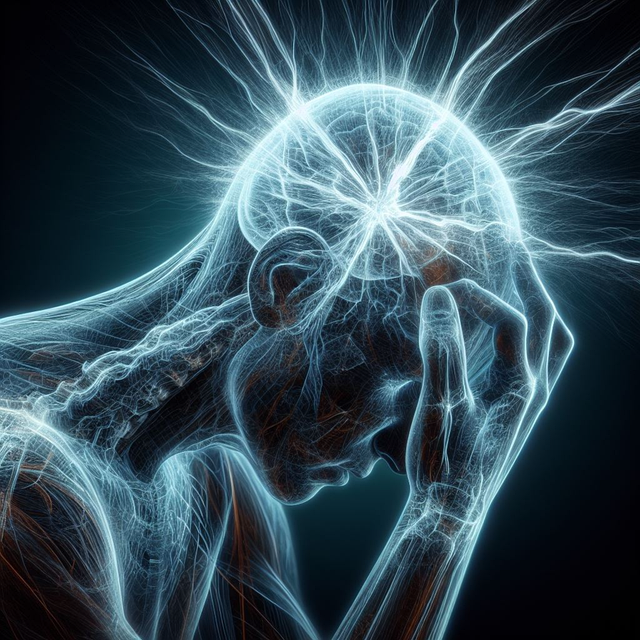
Condition spotlight – Migraines are severe headaches accompanied by nausea, light or sound sensitivity, and/or visual aura. Attacks can be short-lived or last days. Triggers include stress, hormones, disrupted sleep, foods, even weather. Medications & lifestyle steps can help.
Tonight we Spark the Night for the 12 million people worldwide living with Parkinson’s. Brisbane landmarks will glow blue in honour of the 150,000 Australians affected — a reminder that no one walks this journey alone. Let’s shine together and #SparkTheNight.
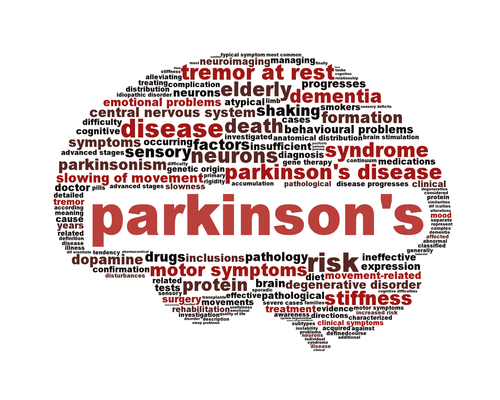
Condition Spotlight - Parkinson’s disease is a progressive condition affecting movement as dopamine producing brain cells decline. There’s no cure, but medication, physio, exercise and DBS can help manage symptoms and support quality of life.
In an early-stage small trial, ~⅓ of patients with recurrent astrocytoma survived over 3 years — far longer than the typical 4–5 months.
https://t.co/4ATrkb8cvP
The blood–brain barrier protects the brain but also blocks many medications, making brain tumours hard to treat. New research suggests laser interstitial thermal therapy (LITT) can temporarily open the barrier, helping immunotherapy drugs like Pembrolizumab reach the brain.
Condition Spotlight: Multiple Sclerosis (MS) is an autoimmune disease where the immune system attacks the myelin around nerves in the brain & spinal cord, disrupting communication. Early signs include numbness, tingling, vision changes & fatigue. No cure, but treatments can help.
Event season has begun...and all for a great cause! Join our friends from All in the Mind - a Craig Hannam Foundation at “A Night of Hope” Gala on 16 May 2026. A night of realistic hope and support for families facing brain cancer. Book your tickets now! https://t.co/efDGyGhRw6
Condition Spotlight - Epilepsy is a neurological condition caused by abnormal activity in the brain that causes recurrent seizures. Generalised seizures involve the whole brain while focal ones affect one area. Treatment options - medication, lifestyle strategies or surgery.
Condition Spotlight - a stroke occurs when blood flow to the brain is blocked or a vessel bursts. Sudden symptoms include face drooping, arm weakness, speech or vision changes. Maintaining a healthy lifestyle helps prevent stroke. Remember FAST: Face, Arms, Speech, Time.
Condition Spotlight - brain tumours are abnormal growths that can be benign or cancerous. Symptoms vary: headaches, vision changes, seizures. Treatments include surgery, radiation, chemo, or targeted therapies like CAR T-cell therapy. Early detection is key to the best outcomes.