🌍💧 NGI is bringing safe water to Ngeribalya Village!
Today, we begin a life-changing journey with the people of Ngeribalya, Gomba District. For too long, families here have walked long distances to fetch unsafe water, facing daily risks of waterborne diseases.
With your support, we’re installing a solar-powered borehole, rehabilitating broken water points, and introducing rainwater harvesting & WASH programs. This project will directly benefit 2,500+ residents, reducing disease, saving time, and empowering women and children to thrive.
Wetlands are vital for human survival!
Addressing the crisis of plastic pollution in our most productive and sensitive ecosystems is essential, not just for the ecosystems themselves and the natural life that they support,but for our own health.
#StopPlasticPollution#INC5.2
Today, we celebrate the resilience, dedication, and innovation of workers across Uganda and the world. From farmers nurturing our land to young innovators building climate-smart solutions—your labor shapes our future.
This Earth Day, NGI stands united with communities across Uganda and the world to protect our only home.
From Kampala’s wetlands to the Rwenzori glaciers, climate change is real and happening now. But together, we can change the story — through innovation, youth empowerment.
We celebrate hope, values that mirror our commitment to building a greener, more sustainable future. As we reflect on the promise of new beginnings, may we also recommit ourselves to protecting our environment, empowering communities, and nurturing the planet we all call home.
Just one of the benefits of living on a tree-lined street is a feeling of peace and calm, something sponsor Jonathan picked up on:
"Having trees on the street gives a much more tranquil feel."
April is Stress Awareness Month, the perfect time to make your street a sanctuary! 🧘🌳
Yesterday, @IGENEastAfrica held green jobs fair at Makerere University.The fair attracted over 90 participants. Purpose of the fair was to raise youth awareness of employment opportunities and the potential in key green economic sectors such as forestry,agriculture, clean energy
🌍 The Epic Saga of Trees and Biodiversity 🌿
In a world where the phrase "variety is the spice of life" isn't just a catchy saying but an ecological imperative, let's dive into the grand narrative of biodiversity and its guardians, the trees.
Why Biodiversity Matters:
Biodiversity is like the universe's own library of life, holding the keys to resilience, health, and beauty. It's the variety of life forms on Earth, from the smallest microbe to the towering redwood, all playing roles in an intricate ecological symphony. Without it, our planet would be as bland as a plate of plain rice at a galactic gourmet event. #BiodiversityMatters
Trees: The Unsung Heroes:
- Guardians of Diversity: Trees are not just the lungs of the planet; they're also the green guardians of biodiversity. They provide habitats for countless species, from birds to beetles. Each tree is like a high-rise apartment building for wildlife. #TreesForLife
- Carbon Sequestration: By sucking up carbon dioxide, trees help combat climate change, making them the unsung heroes in the fight against global warming. Imagine each tree as a tiny, leafy vacuum cleaner for greenhouse gases. #CarbonCaptureHeroes
The Dark Side: Deforestation
- The Clear Cut Catastrophe: Deforestation is like hitting the delete key on nature's hard drive. It's not just about losing trees; it's about dismantling entire ecosystems. When we cut down forests, we're evicting species from their homes, leading to a domino effect of environmental loss. #StopDeforestation
- Erosion and More: Without trees, soil washes away in floods, taking with it the fertility that supports life. It's like pulling the rug out from under biodiversity's feet. #SoilErosion
The Hero's Return: Reforestation
- Bringing Back the Green: Reforestation is our planet's redemption arc. Planting new trees isn't just about replacing what was lost; it's about restoring balance, bringing back habitats, and giving life a second chance. Each tree planted is a step towards healing. #ReforestationRenaissance
- Ecosystem Revival: By reforesting, we're not just planting trees; we're rebooting entire ecosystems. It's like hitting the refresh button on planet Earth. #EcosystemRebirth
Why It Matters:
Our survival is intricately linked to Earth's biodiversity. Trees are the backbone of this biodiversity, supporting life in ways that are as profound as they are complex. They're not just part of the environment; they are the environment.
So, let's pledge to plant more trees, protect our forests, and promote biodiversity. Because at the end of the day, saving trees isn't just saving nature; it's saving ourselves. 🌳✨
Join the Movement:
- Plant a tree. No time or space check out https://t.co/wqhTVGE6rV where they will plant a tree on your behalf for less than a cup of coffee.
- Support conservation efforts.
- Educate others about the importance of biodiversity and trees.
#SaveTheTrees #PlanetHealth #BiodiversityForLife #NatureLovers
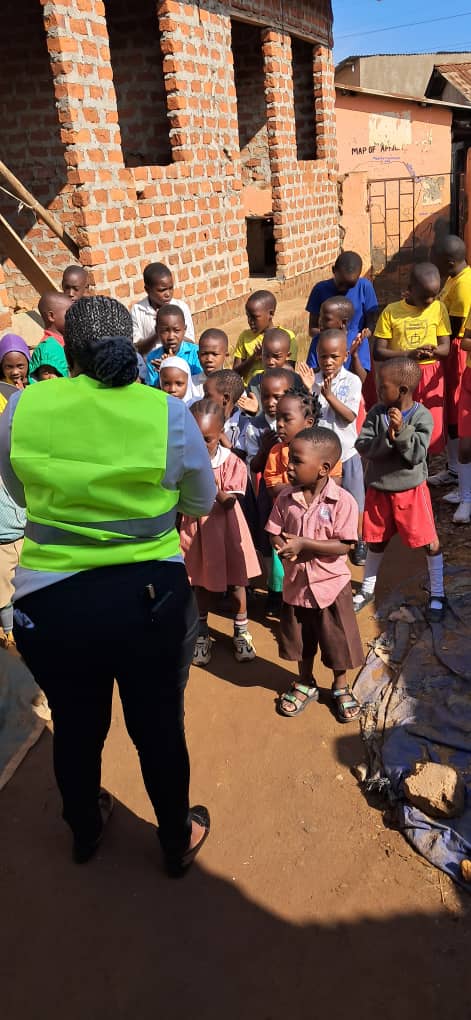
Empowering young minds with these habits ( sanitation, hygiene) not only promotes good health but also builds a foundation for responsible community living. Together, we can nurture a generation that values cleanliness and environmental care!
#GVI#EnvironmentalResponsibility
#30DaysOfEarthMonth | Day 17
Plastic pollution is choking Kampala.
Over 600 tons of plastic waste are generated daily, with less than 40% properly collected or recycled. The rest ends up in drainage channels, wetlands, and Lake Victoria. We need urgent action on plastic waste.
#30DaysOfEarthMonth | Day 16
Flooding is not just rain—it's a result of lost wetlands. Kampala has lost over 70% of its wetlands to encroachment and unplanned development, worsening flash floods and displacing vulnerable communities.
Protect wetlands. Protect lives.
#30DaysOfEarthMonth | Day 15
Heatwaves in Kampala are rising.
In the past decade, average temperatures have increased by 1.3°C, making urban heat islands like Kampala Central hotter and more dangerous—especially for the elderly and children.
#30DaysOfEarthMonth | Day 14
Kampala’s Flooding Crisis
Over 60% of Kampala's wetlands have been degraded, turning natural water buffers into high-risk flood zones. Areas like Bwaise, Ntinda, and Bugolobi face constant flash floods due to poor drainage and wetland reclamation.
#30DaysOfEarthMonth | Day 13
Urban Heat Rising. Kampala’s green cover has dropped by over 25% in the past decade, leading to a rise in urban heat island effects. Concrete is replacing trees making city temperatures soar, especially in central divisions like Nakawa,and Central.