⭐ Leadership starts long before someone wears stripes. Every conversation an FTO has either builds confidence or chips away at it. Future supervisors are shaped as field training. Who was the FTO that influenced you the most?
#NextgenFieldTraining#FTO#PoliceTraining
🧠 Your recruit's brain isn't a hard drive. It doesn't store information just because you said it once. Learning sticks when people retrieve it, apply it, and connect it to real experiences. What learning technique has worked best with your trainees? #NextgenFieldTraining
🚔 Stop teaching for today's shift. Start teaching for the next five years. The best FTOs aren't creating officers who can repeat procedures—they're developing officers who can think through problems they've never seen before.
#NextgenFieldTraining#FTO#PoliceTraining
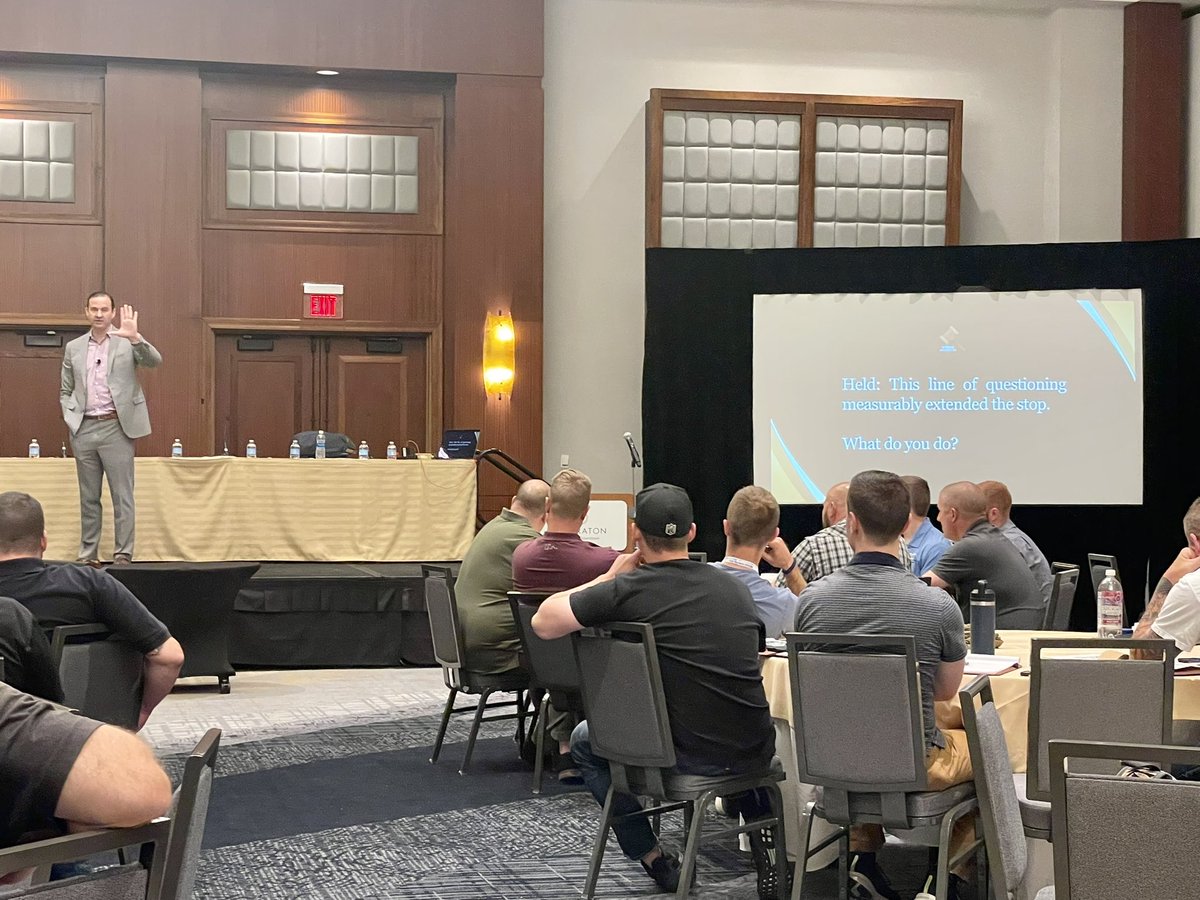
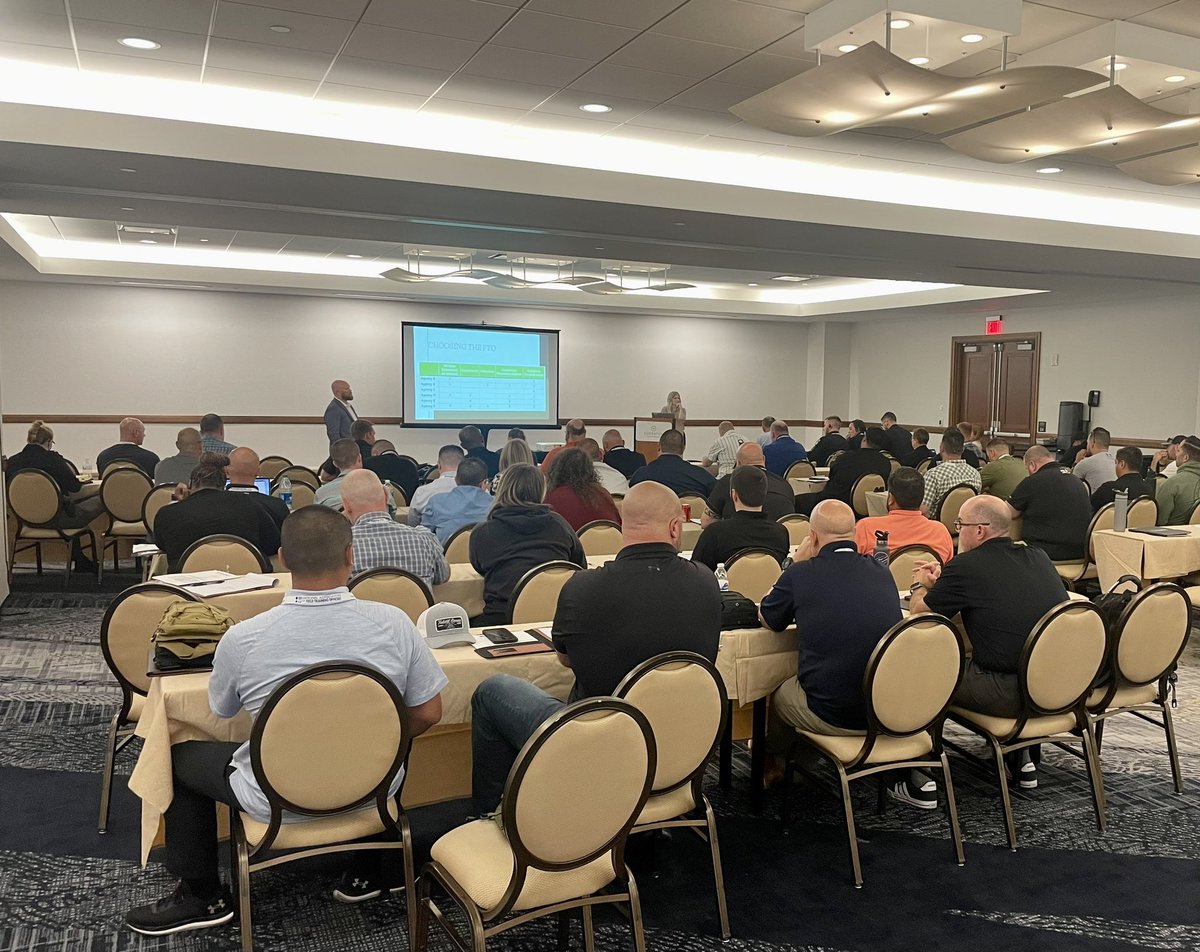
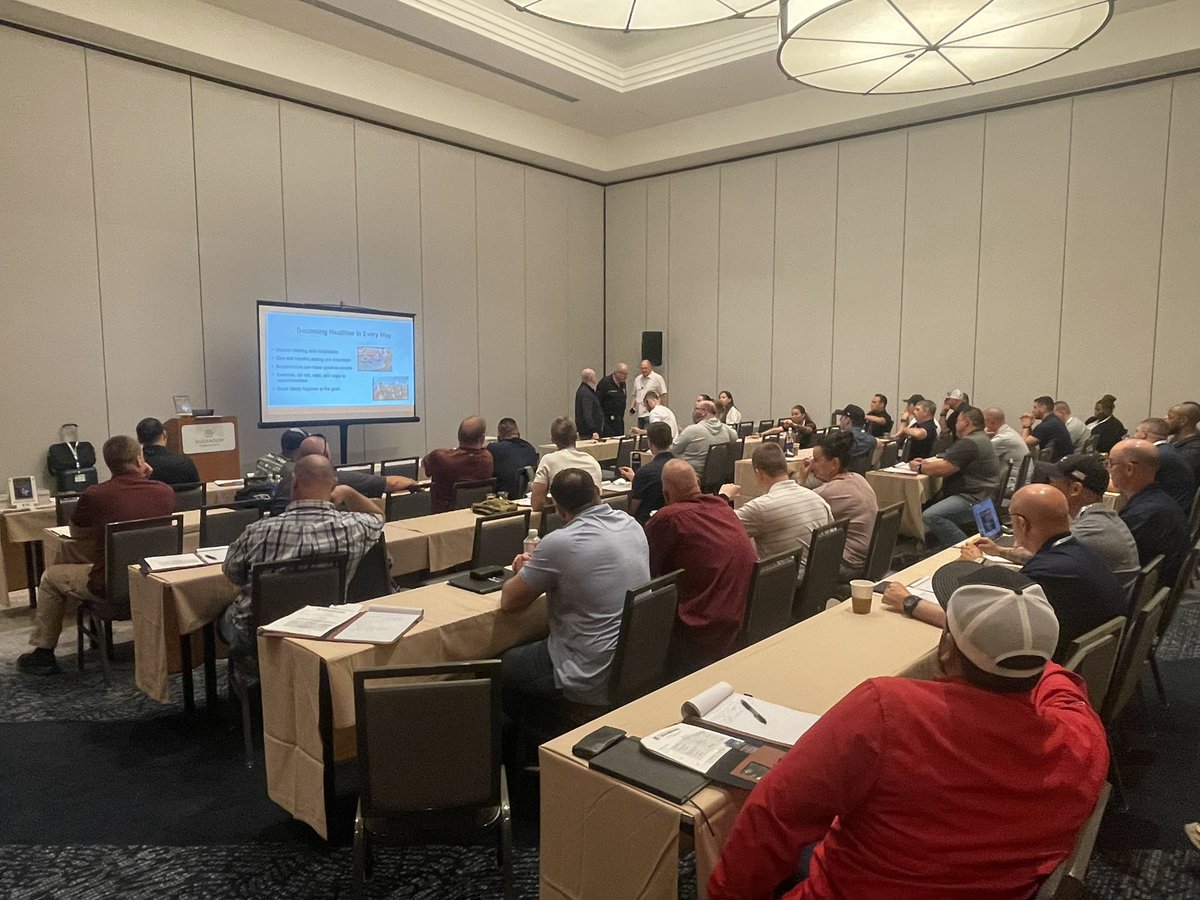
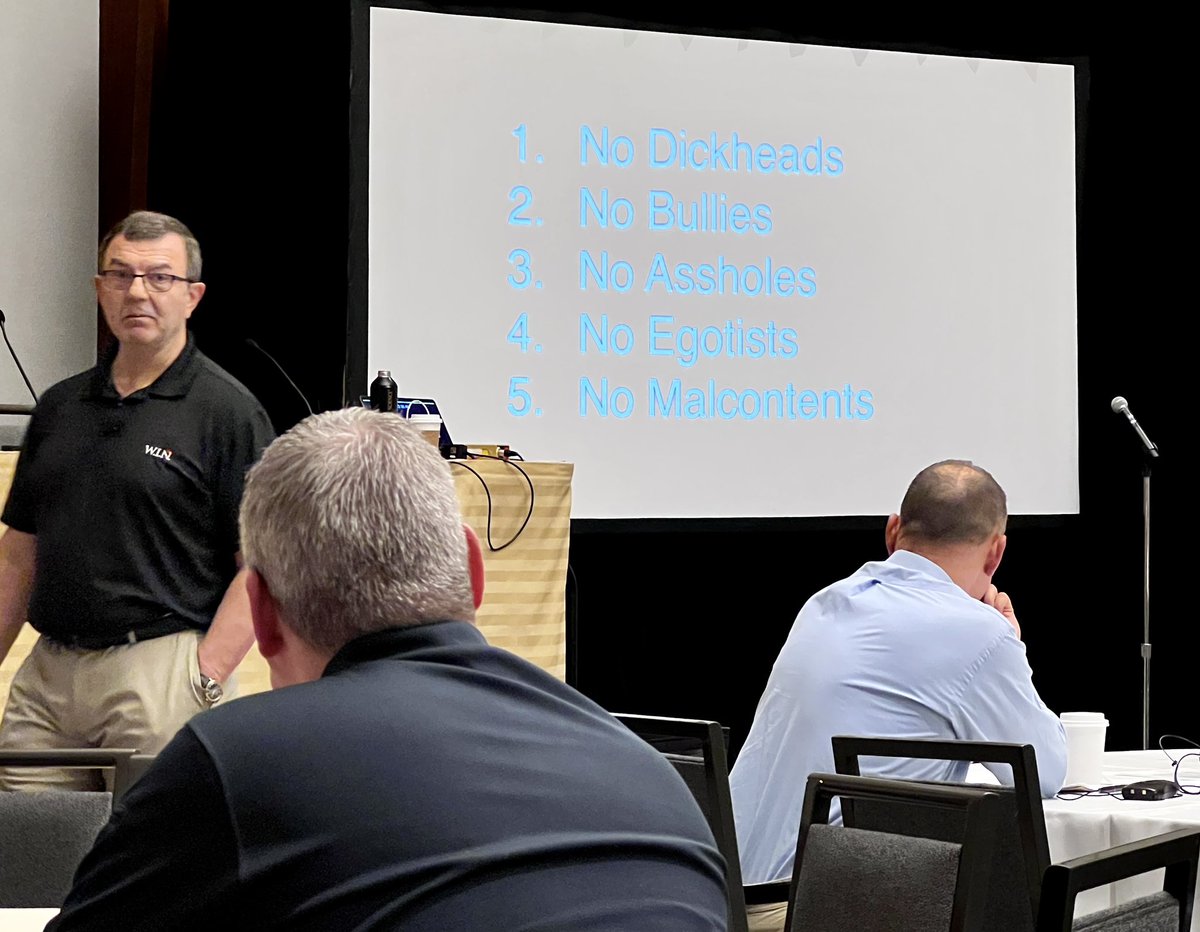
Attended the National Field Training Officer Conference in Phoenix, AZ. Great opportunity to network and build upon our own FTO program. From Ukraine to Canada, to all over the country, we all face the same challenges in training new officers. 🇺🇸 🇺🇦 🇨🇦@NAFTOUSA@BluetoGold@nextgenfto
As an FTO what are you doing to be 1% better than yesterday and how are you helping your trainee be 1% better today? It is the small, consistent gains that lead to the biggest changes.
Nextgen FTO is attending and instructing at the annual National Association of Field Training Officers (NAFTO) Conference in Phoenix. Great keynote to start the conference from Brian Willis.
Give the gift of going second your trainees. Share your stories, experiences, knowledge, and family life with them. Then they will reciprocate. This is how you build connection which facilitates their ability to learn from you.
What is the mission of a field training officer?
ANSWER : To create solo capable officers that you want to work with.
They could go from trainee to beat partner overnight, so let’s keep that in mind while we are training. 👍
Debriefing after each trainee experience is key to learning. Here is a simple one:
1. What? (What were your 3-5 key decisions?)
2. So what? (So what did you do well and what could you have done better?)
3. Now what? (Now what are you going to do differnt going forward?)
The two most common FTO Models used throughout the United States are 50 and 30 years old . . . what else do we still use in law enforcement that is that old? Let's improve field training and policing together - NEXTGEN FIELD TRAINING!
https://t.co/gMyiyolEyb
The more comfortable the trainee is with the trainer, the easier it will be for the trainee to learn. Also, the easier it will be for the trainer to train. No sense in making FTOing harder than it already is.🤔
Effortful retrieval makes for stronger learning and retention. It can be easy to believe that learning is better when it's easier, but research shows the opposite - when the brain has to work, learning gets stickier.
When debriefing calls for service with your trainee, always do it by ask them questions. Then they own the answers and they will be more receptive to it.