@kari_mikumao@BusyFocusApp Sorry for the long wait, guys. We’re just as eager as you are. However, we need to resolve all the production and certification matters before we can start sales. In any case, we’re already on the home stretch. 🚀
@ZtookMinister@BusyFocusApp That’s just hardware. Software gets dumbed down to a simple LED sign. SDKs, APIs, secure cloud, Matter, mobile & desktop apps, and a polished UI take thousands of hours.
Yes, you can build it cheaper by cutting corners. But it’ll still be a hacked-together DIY device.
@ZtookMinister@BusyFocusApp It’s all about quality — from mechanics to software.
DIY force compromises everywhere: ESP32, WS2812 LEDs, off-the-shelf power modules, 3D-printed case. The result is usually a bulky, fragile device with mediocre controls, a slow low-res display, no low-power, and slow charging.
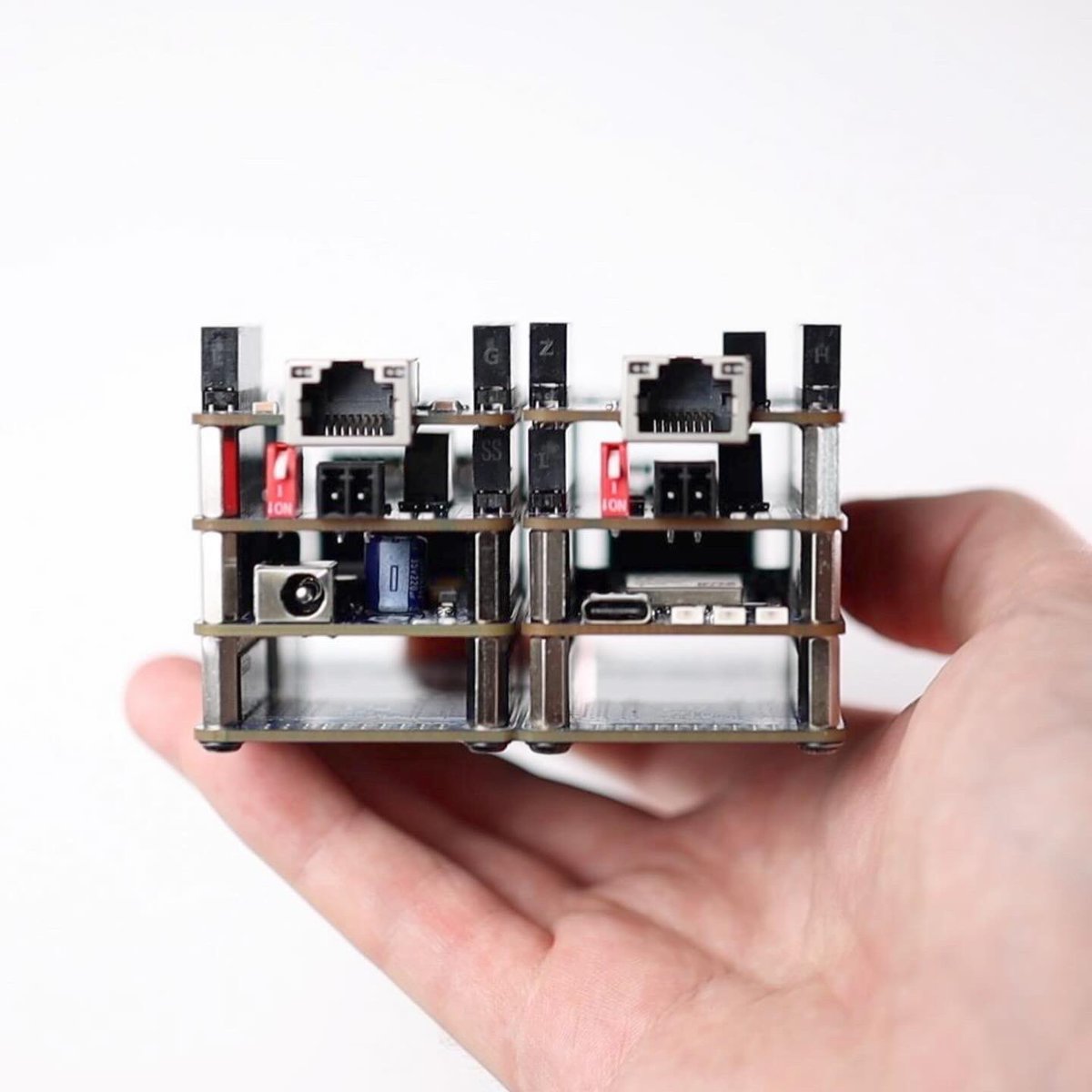
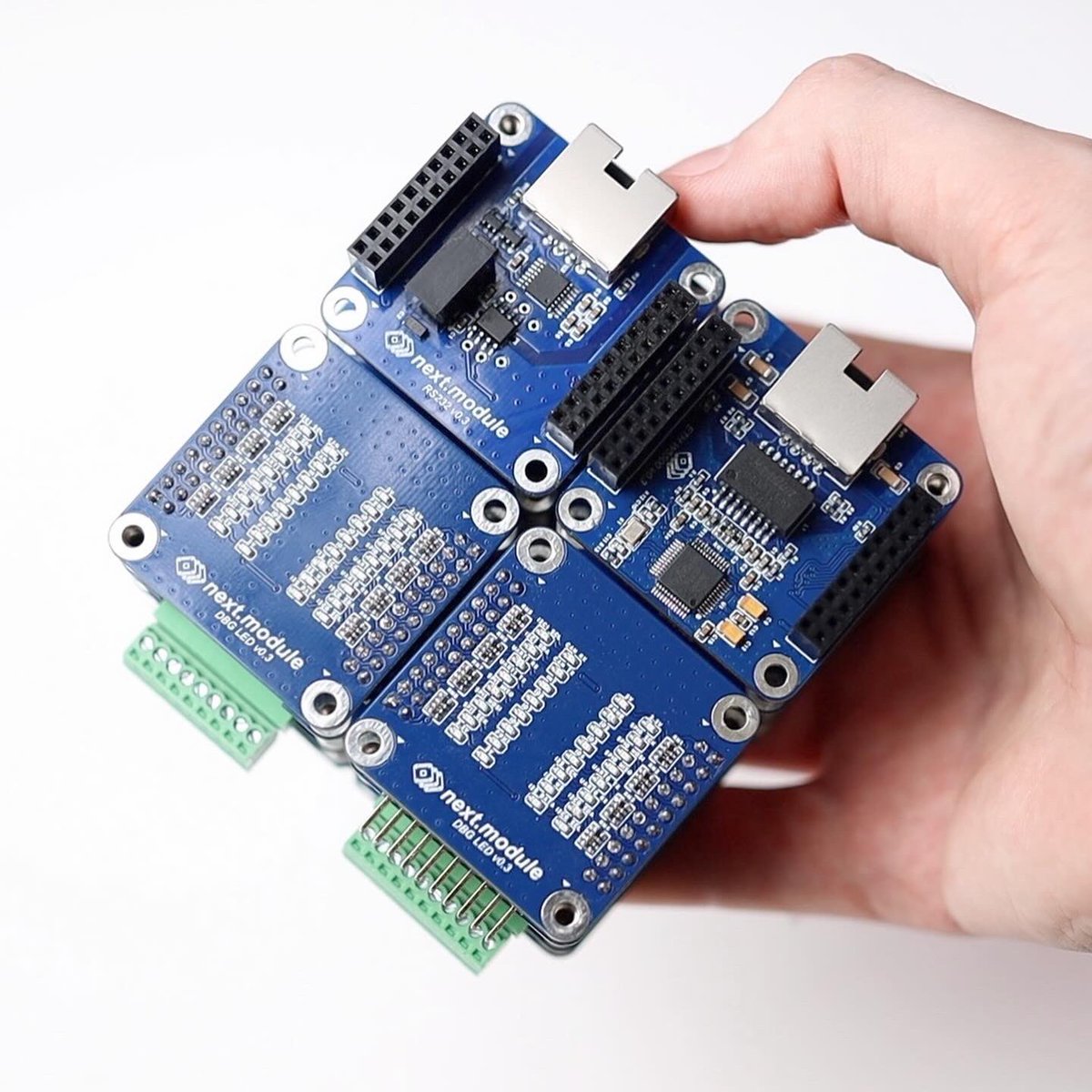
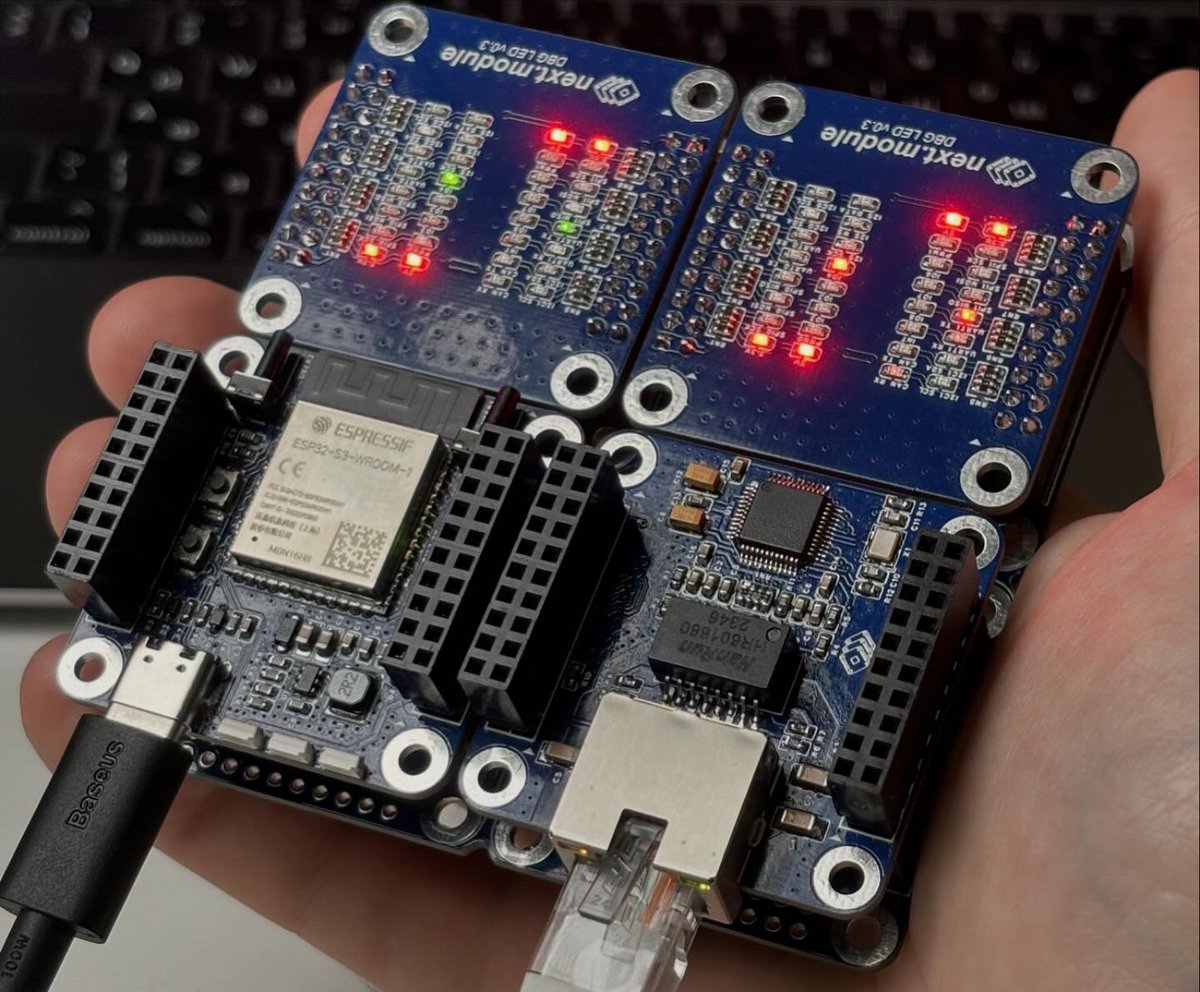
12 modules in one device:
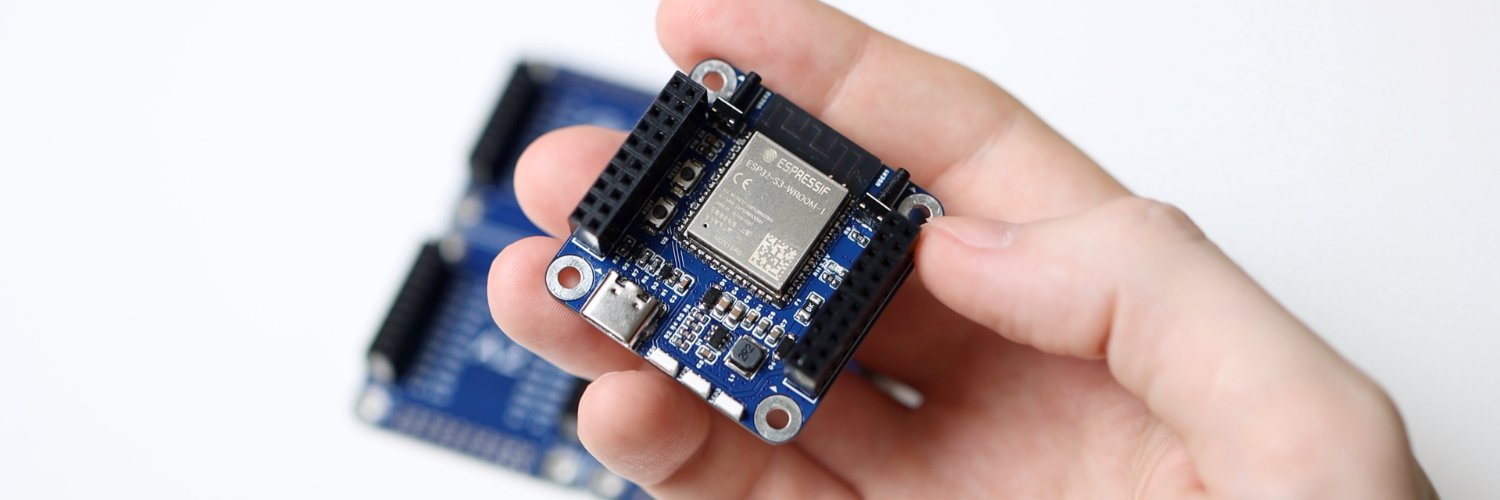
1 x CPU ESP32S3
1 x PSU DC
1 x ETH W5500
1 x 8DI-ISO
1 x 8DO
1 x 16DIO
1 x CAN
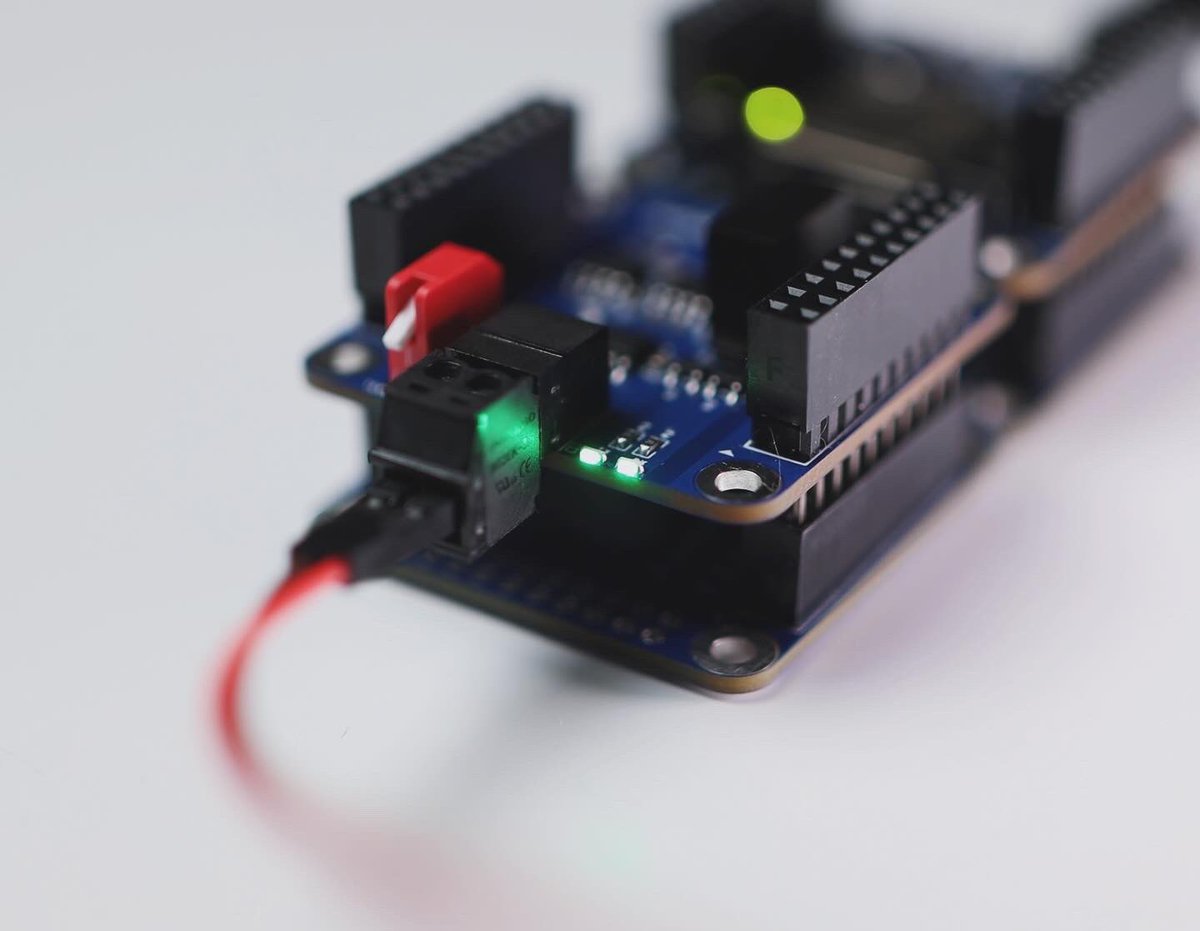
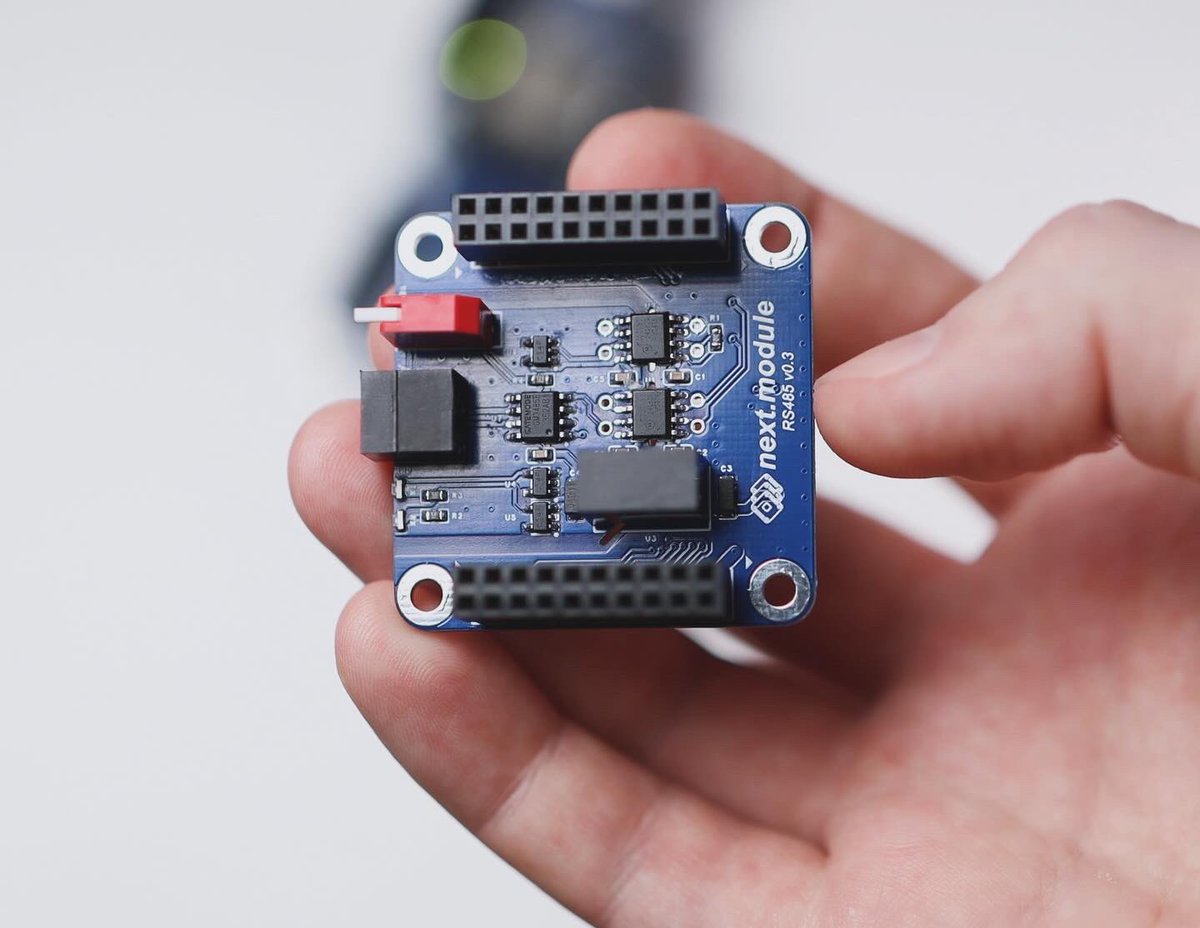
1 x RS485
1 x RS232
1 x RTC
2 x DBG LED
Size: 54.5 x 85.2 x 85.2 mm
#nextmodule#plc#automation#iot#smarthome#esp32
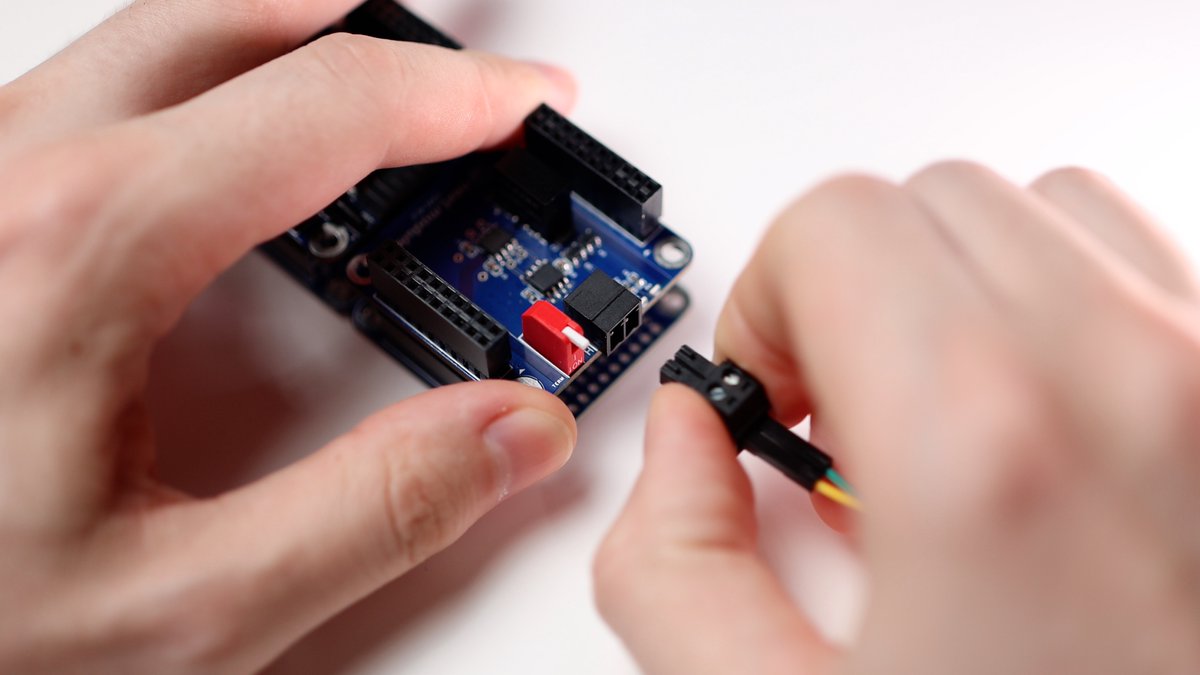
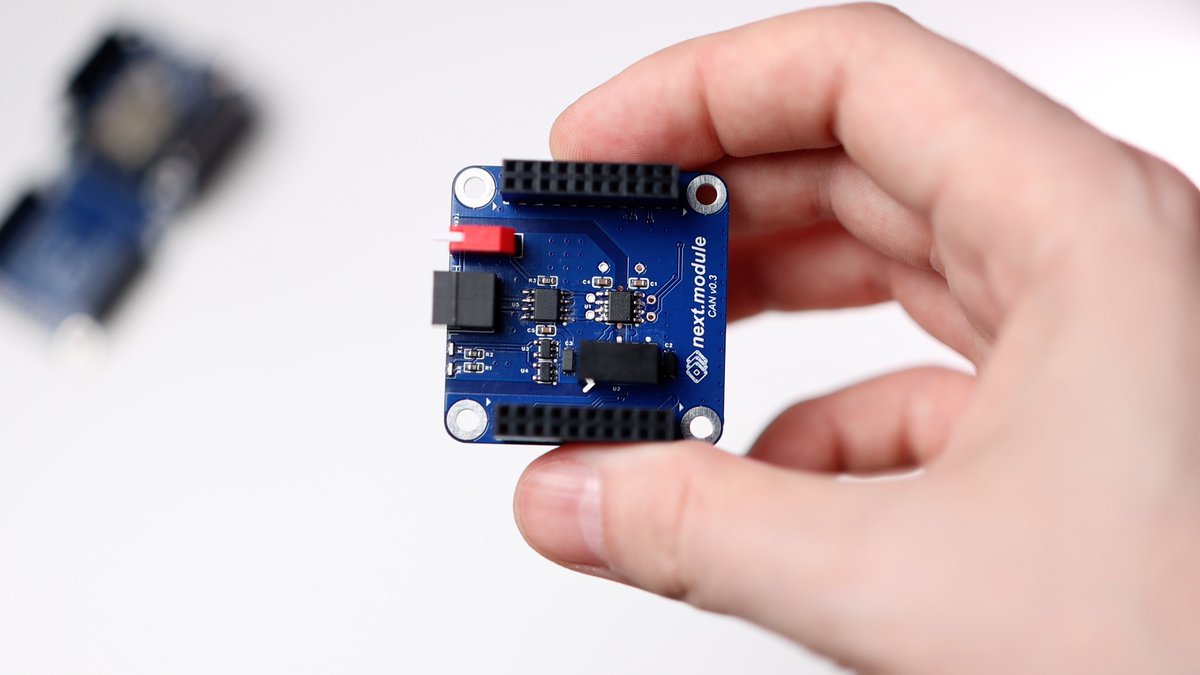
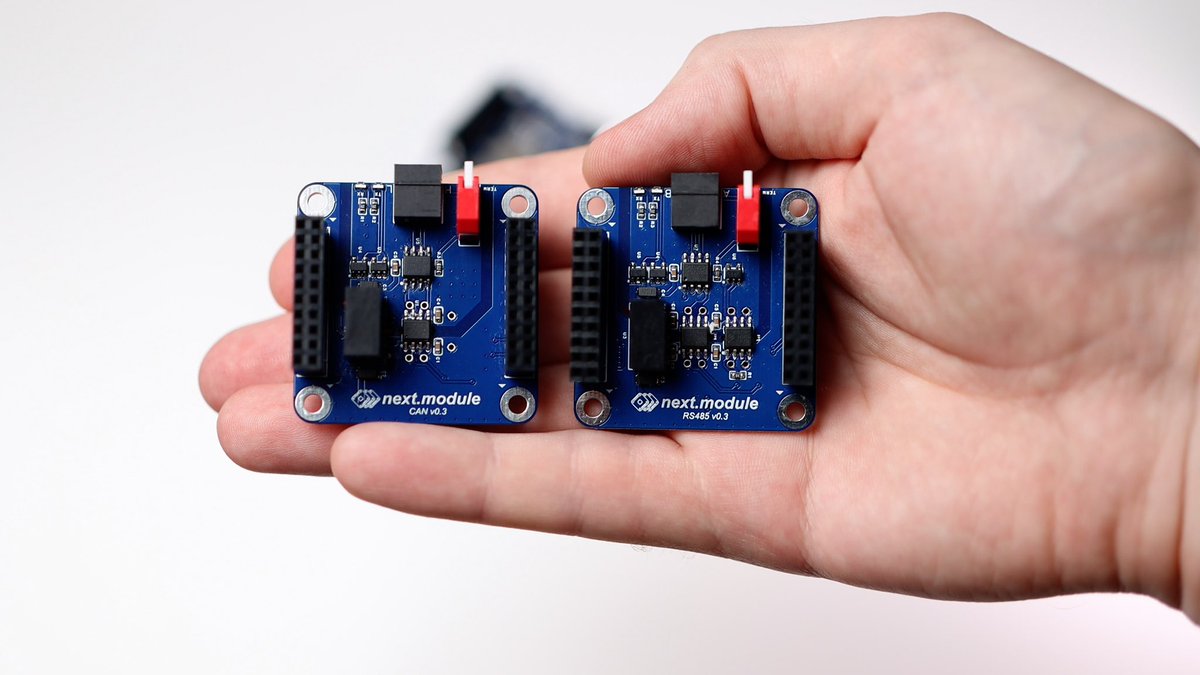
CAN module has been successfully tested! In both versions with and without galvanic isolation.
It has been tested at speeds ranging from 10 Kbps to 1 Mbps. The most important thing is that the capacitive galvanic isolator from 2Pay Semi performed well, I had doubts about it.
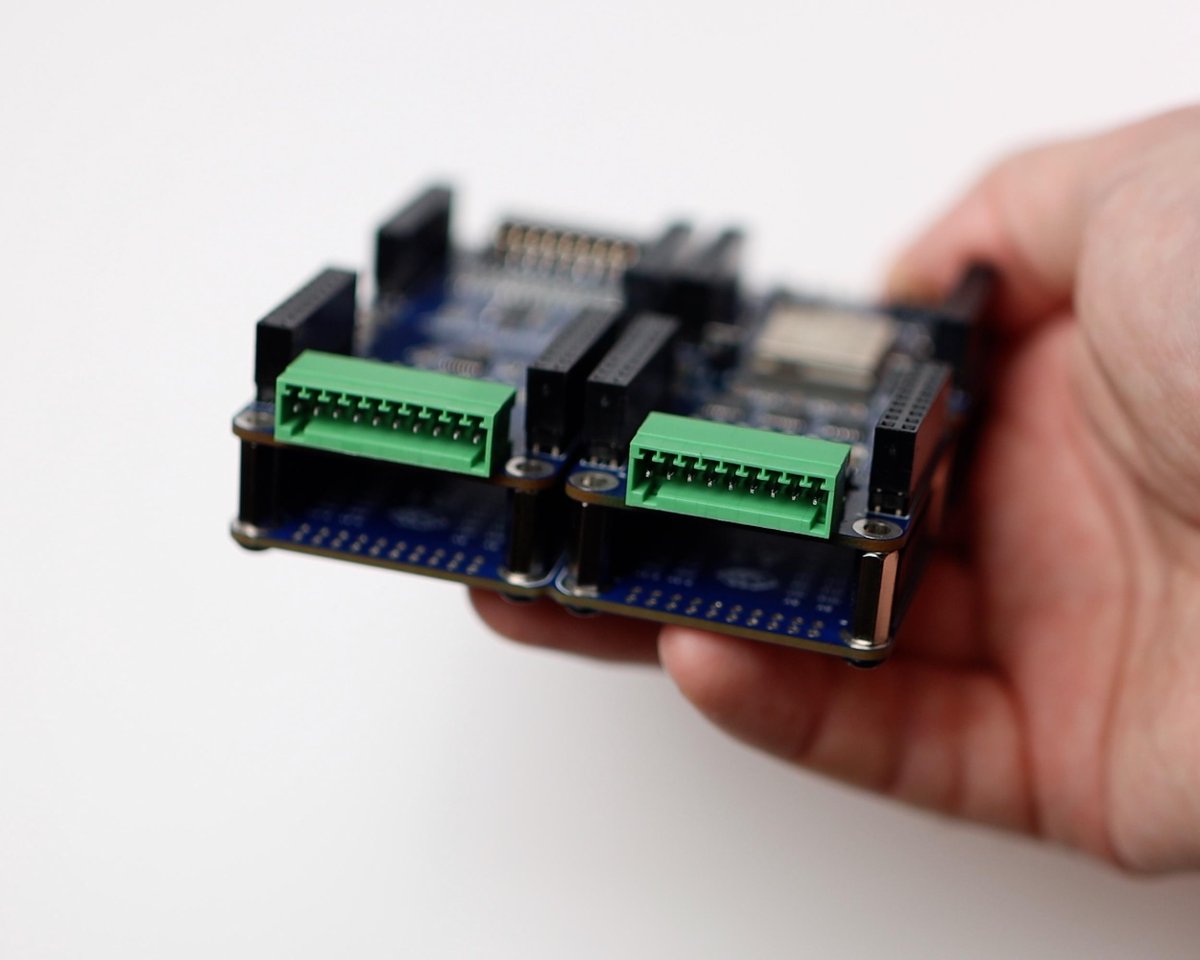
The modules DI8-ISO, DO8 and DIO16 have been tested and they all work fine. A few things that need to be fixed:
🟠 In DI8-ISO, I need to increase the resistance to limit the current through the optocouplers.
🟠 In DO8, I need to add a short circuit protection
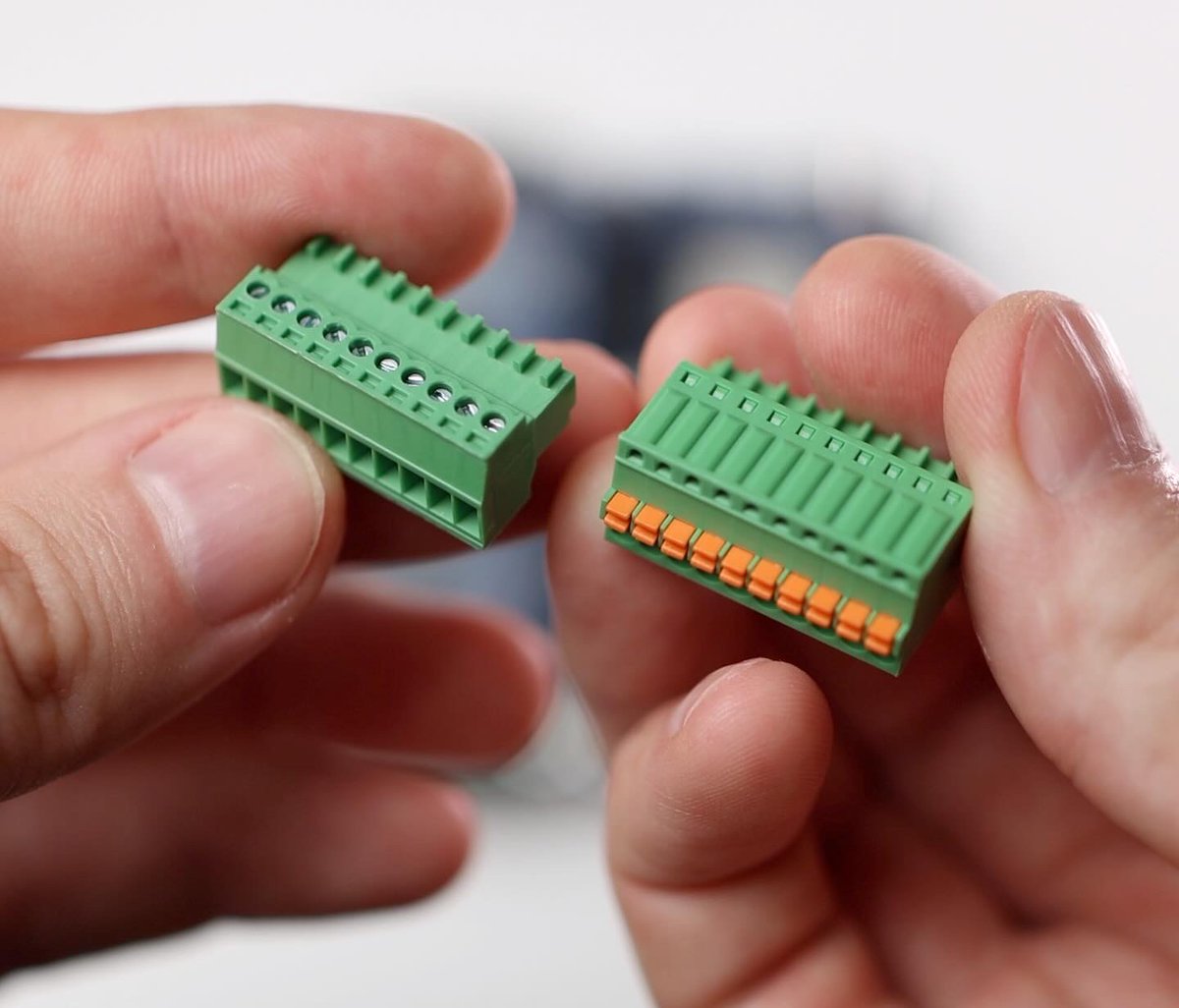
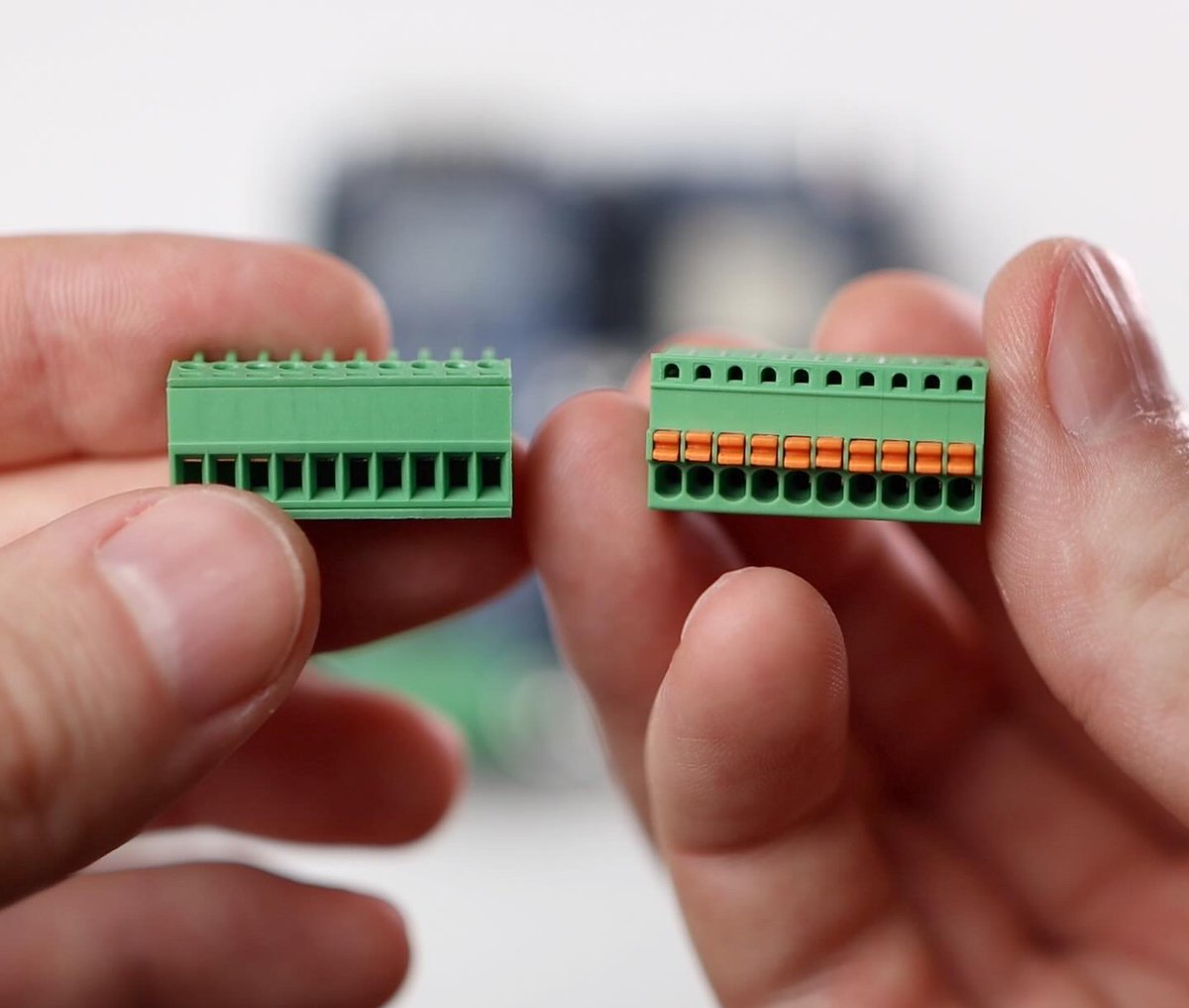
Connectors on DI8-ISO and DO8 modules may have different designs, such as screw terminals or spring terminals.
Spring terminals are larger and slightly more expensive, but they provide good contact over time and in vibration environments.
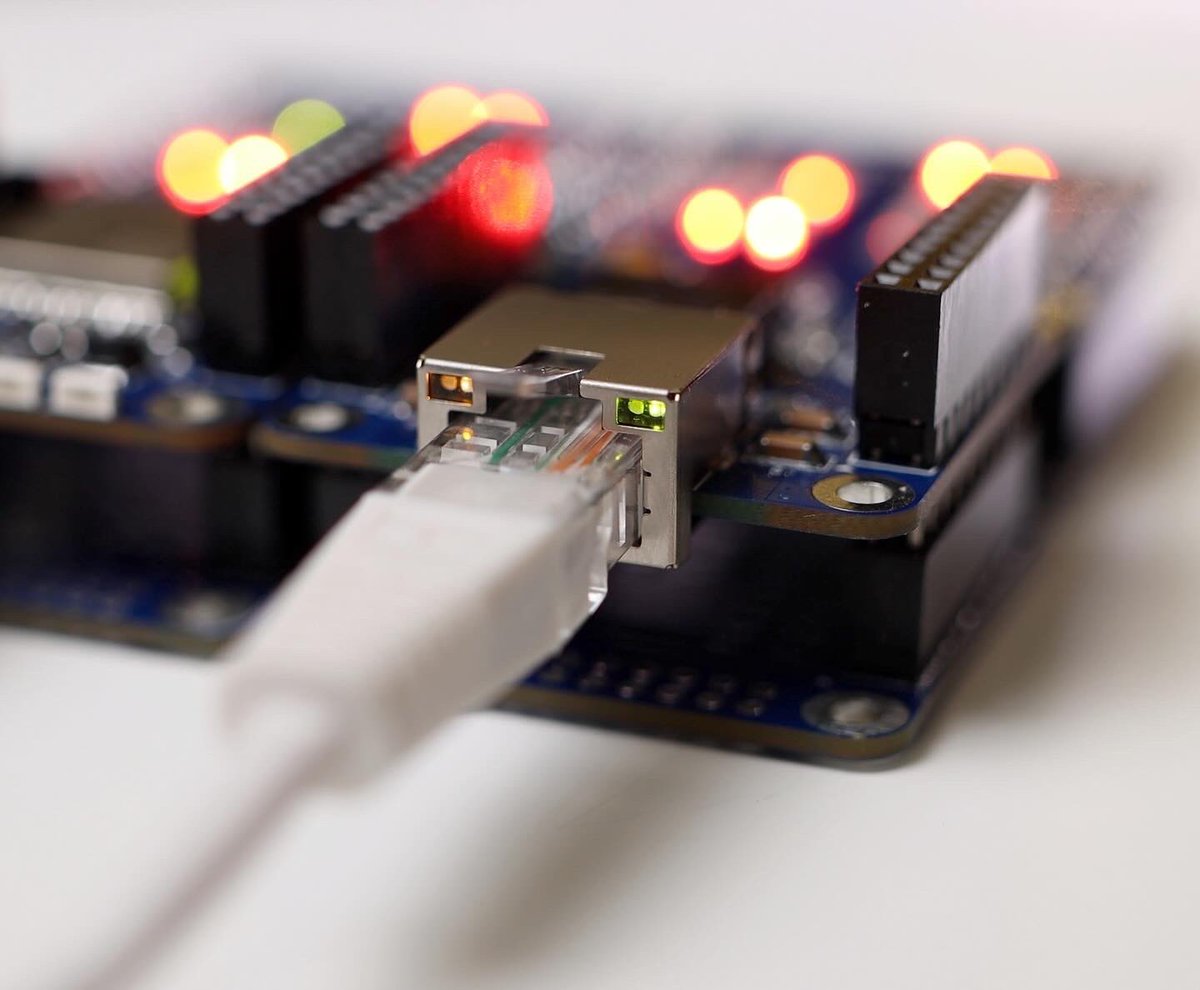
The ETH W5500 module is working!
I was concerned about possible mistakes in the wiring of the chip on Ethernet side, but everything is ok.
There are 2 issues:
✅ I forgot to add a 1 Mohm resistor that shunts oscillator
✅ The LEDs in the connector are too dim
CPU ESP32S3 module:
✅ ESP32S3 is flashed and debugged via USB-C
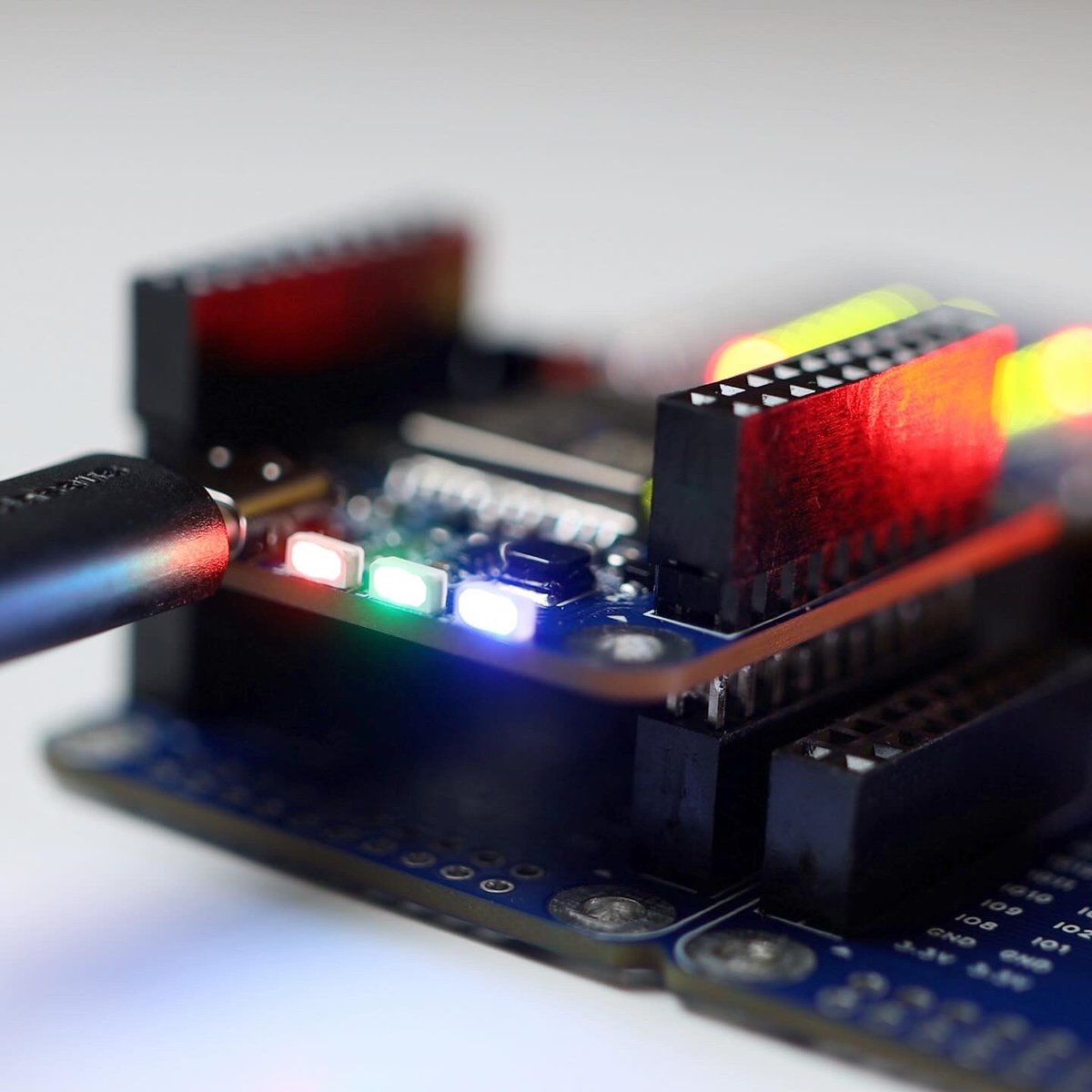
✅ RGB-LEDs are working. The implementation of the WS2812 chip protocol is hardware-based
✅ DC-DC based works well, but needs to be tested at currents up to 1.5-2 A
✅ Intermodule connectors are convenient