Next Perimeter is an IT services provider built for modern, cloud-first SMBs. We manage devices, users, and networks with a focus on simplicity and speed.
Most providers call it a QBR. We call ours a Technical Business Review, and the cadence is not fixed. The person advising your roadmap should be the same team that sees your ticket data every day. Read it on our website: What Managed IT Actually Looks Like From the Inside
A standalone MSSP detects the attack and sends an email. Your team reads it Monday morning. The attacker had the weekend. Detection without authority to act is not managed security.
When infrastructure and security live in different silos, risk multiplies. We converge them into a single operating model, because systems don’t fail in isolation, and neither should the teams managing them.
Most IT transitions fail in the first 30 days. Not because of technology. Because nobody defined who owns decisions. Ryan Frisbey explains what the first month actually looks like from the inside. Read our Insights: What Managed IT Actually Looks Like From the Inside
There’s a difference between finishing tasks and designing systems. Projects impact identity, segmentation, device posture, monitoring, and compliance. Without understanding how they connect, you get execution, not strategy. Architecture requires context.
Anyone can list certifications.
But we hire technicians who don’t just close tickets but close loops.
Because accountability is what actually protects businesses.
---
We’re always looking for people wired this way.
Explore our careers page and see if it’s a fit.
Scope creep isn’t always poor discipline. Sometimes it means the original plan lacked clarity. When architecture isn’t defined early, dependencies surface late, security gaps appear mid-project, and integrations are discovered instead of designed. Structure reduces expansion.
Your team works from:
Home.
Airports.
Coffee shops.
That means:
• Devices must be managed
• Logins must be protected
• Access must be conditional
• Risk must be monitored in real time
If security only protects the office network, it doesn’t protect your business.
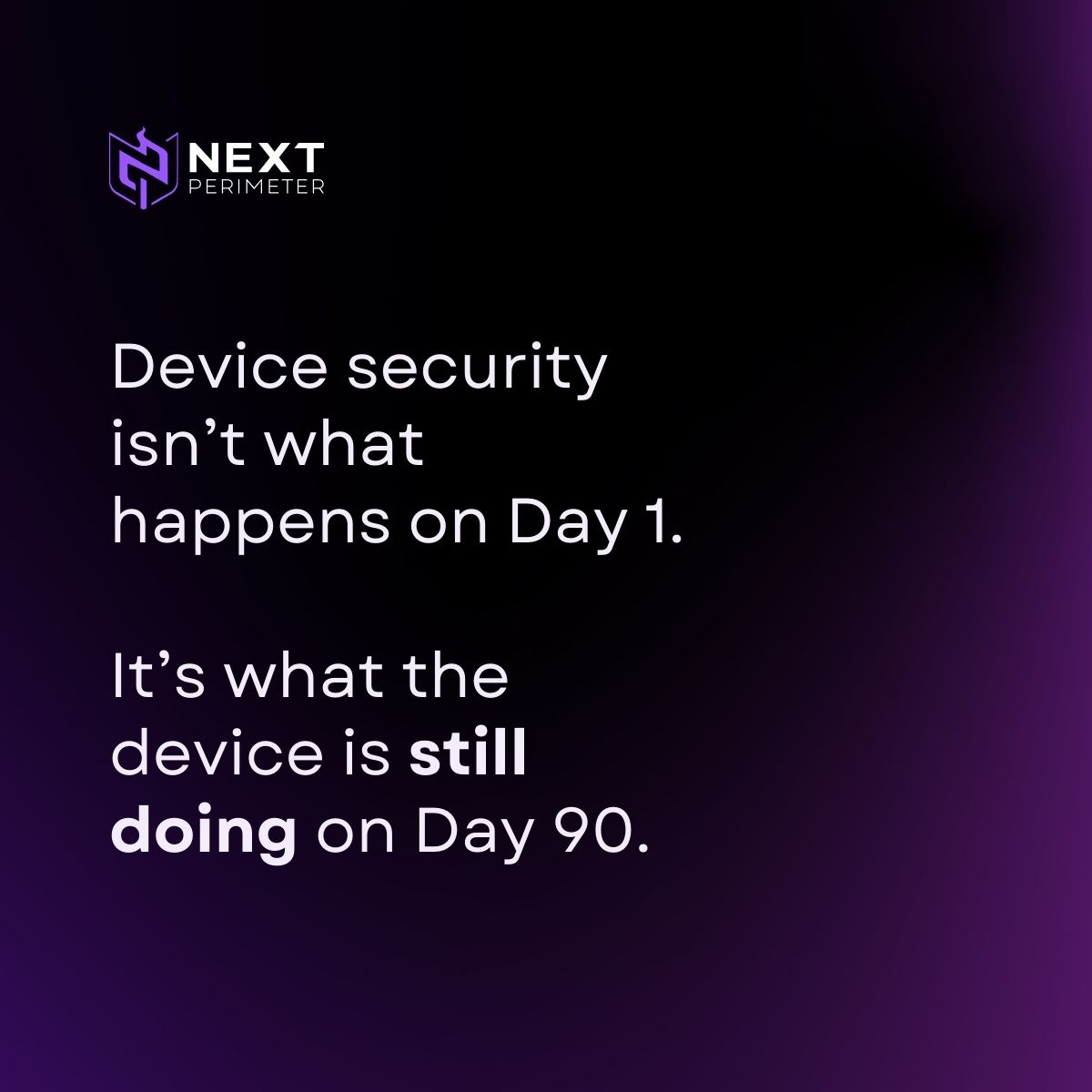
Because device security isn’t defined when the laptop is deployed.
It’s defined by how that device behaves every day after.
See how our Workstation & Device Management Blueprint governs the full lifecycle of every endpoint.
Servers, networks, and devices matter, but identity governs them all. We modernize environments by consolidating directories, enforcing access control, and reducing credential risk at the source.
“We’ll just bypass that policy for this system.” That’s how security drift begins. Strong projects align with identity, access controls, logging, and compliance. Architecture should reinforce policy, not work around it. If security feels in the way, the design was wrong.
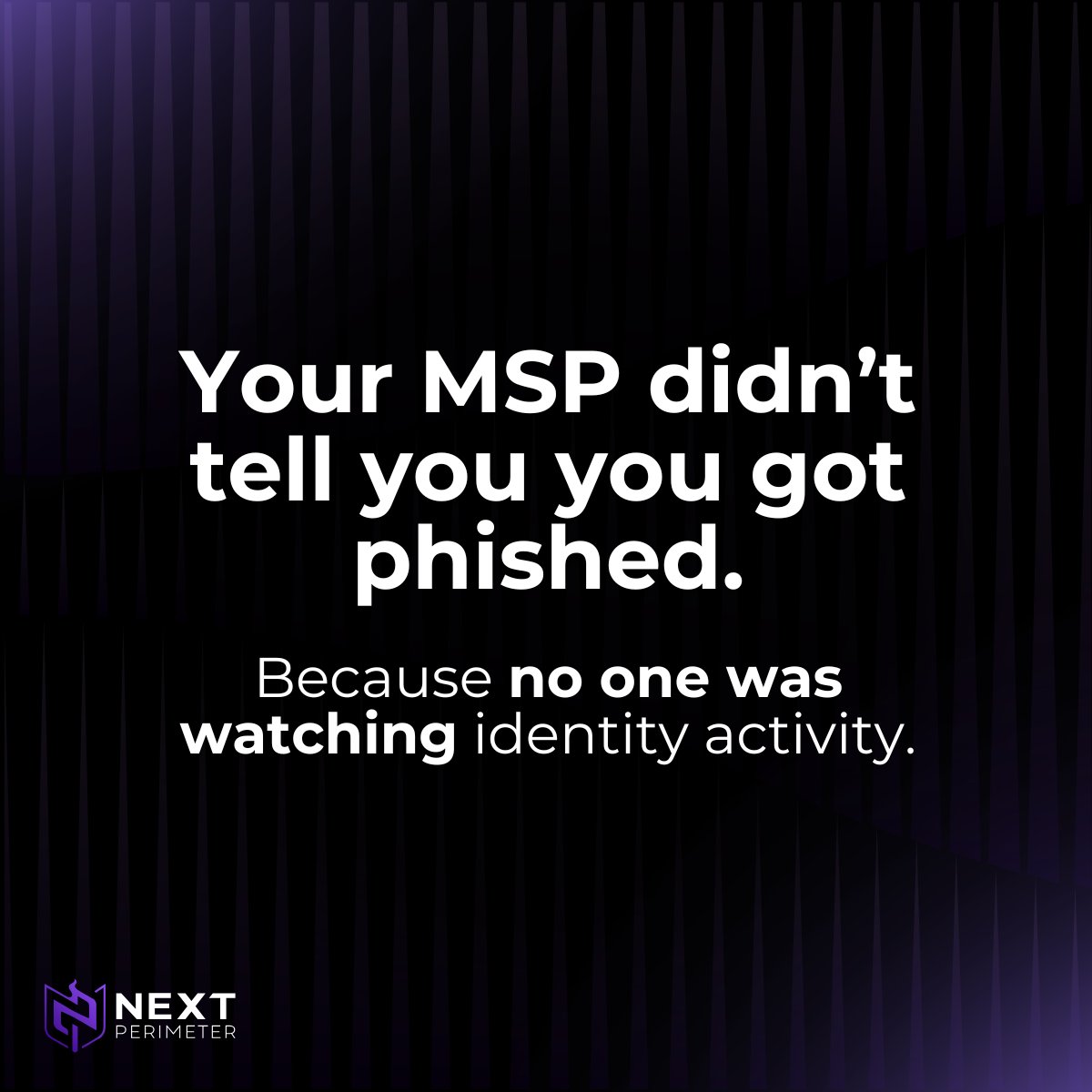
Your team got phished. Your MSP didn’t tell you.
3 weeks later, your CFO’s login shows up in a breach feed.
Why?
No one’s watching.
MSP ≠ security.
We built Next Perimeter to stop this.
✅ One provider
✅ Real visibility
✅ No guesswork
When device management is designed correctly, adding users doesn’t add chaos; it adds capacity.
If new hires still wait days for a working laptop, the process is the problem.
A strong project reduces exceptions, clarifies access, simplifies topology, standardizes tools, and improves monitoring. If the environment is harder to understand after, it’s not progress. Architecture compounds. Mess compounds faster.
Most companies don’t run servers anymore.
If you don’t:
• Monitor access
• Control admin roles
• Audit sharing permissions
• Enforce MFA
• Review external users
You’re running critical infrastructure on trust.
That’s not a strategy.
One device configured differently.
One office with a different VPN setup.
One user with special permissions nobody documented.
Individually, they seem harmless.
Together, they create an environment that’s hard to troubleshoot, hard to secure, and almost impossible to scale.