Exciting News Alert!
We're excited to share the launch of our brand-new website! At Next Thing Technologies, we're transforming energy storage with our innovative sodium-ion batteries, designed specifically for homes and data centers. Discover how we're turning sustainable energy solutions into reality.
Visit us at https://t.co/cLqOviFuJp and join us in shaping the future of energy!
#NextThingTechnologies #SodiumIonBattery #CleanEnergy #SustainableLiving
🔋 Every breakthrough starts somewhere. But what does it take to move from development to real-world applications?
At Next Thing Technologies, we've made important progress:
⚡ Developed a commercial-caliber 65 Ah sodium-ion cell.
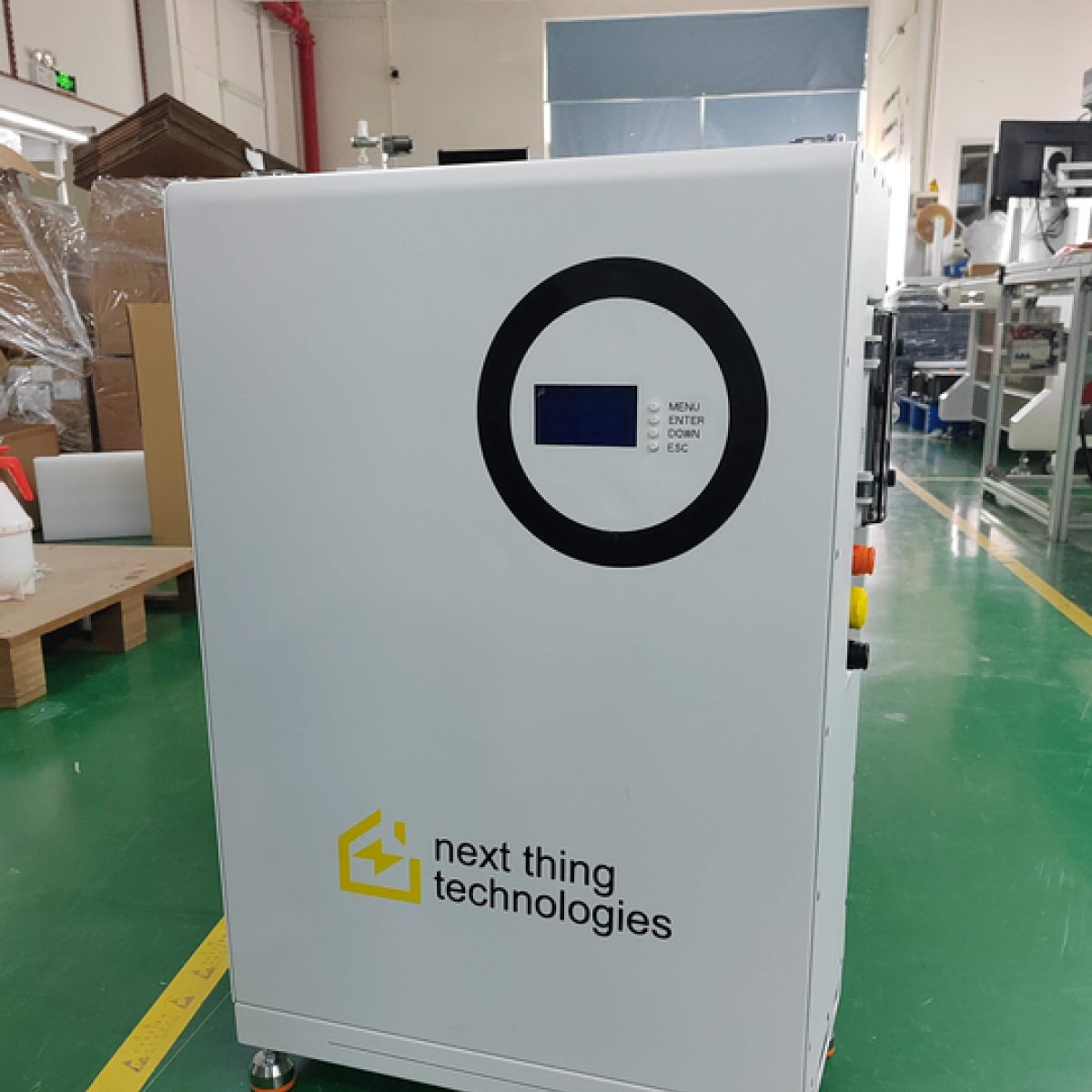
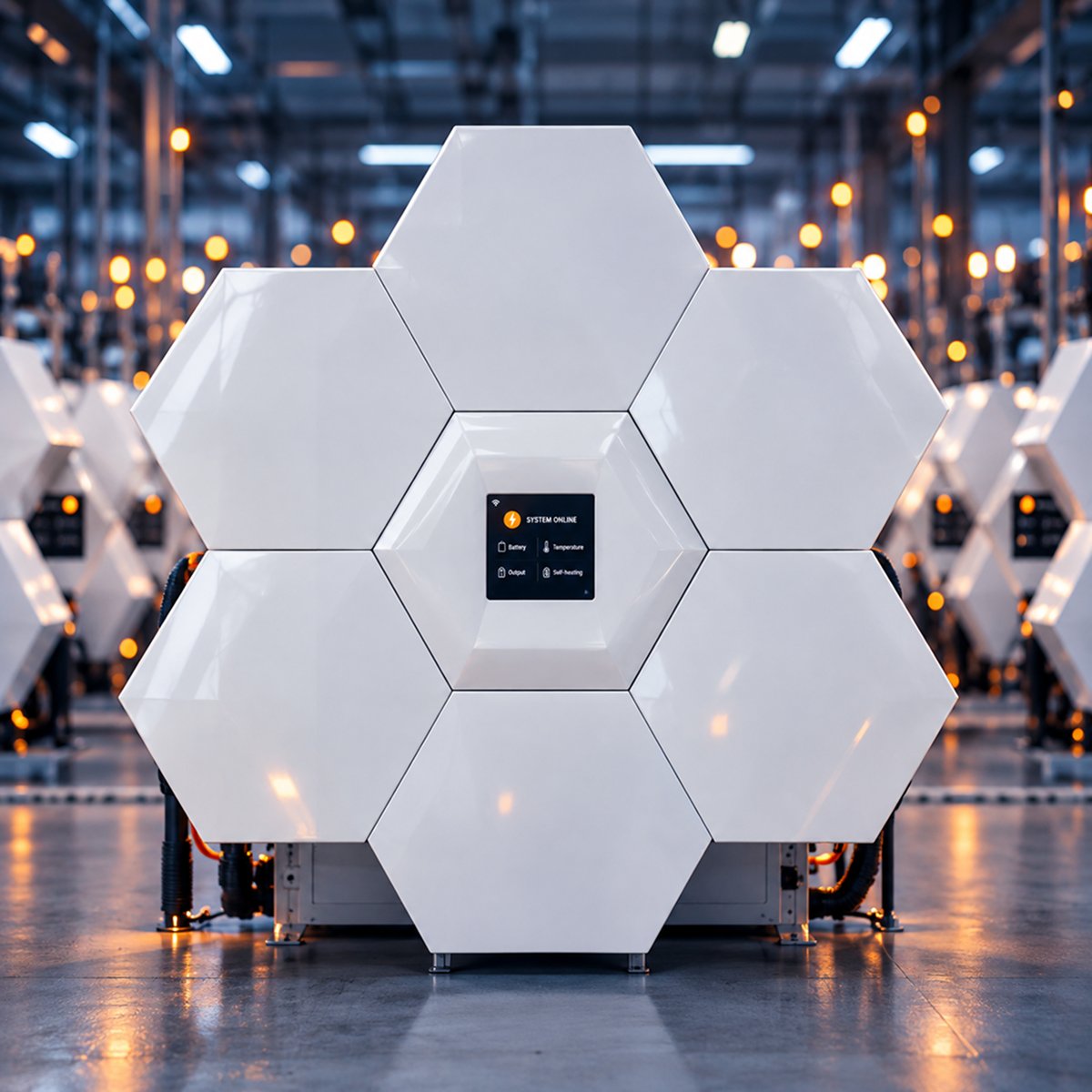
🏠 Created a home-ready sodium-ion battery pack.
🇺🇸 Established manufacturing agreements to support battery production in the United States.
Now, we're working toward pilot production and the next stage of development.
We're building toward a future where energy storage can be more accessible, flexible and scalable.
Curious about what we're developing?
⚡ What happens when renewable energy production doesn't match electricity demand?
That's where energy storage comes in.
Solar and wind power don't always generate electricity when people need it most. Battery storage can help capture excess energy and make it available when demand increases.
And as electricity consumption grows, flexible storage solutions will become an increasingly important part of modern energy infrastructure.
At Next Thing Technologies, we're developing sodium-ion battery solutions designed with scalable energy storage applications in mind. 🔋
The future isn't just about generating more energy. It's about making better use of it.
🥶 How cold is too cold for a battery?
Temperature can have a major impact on battery performance. But sodium-ion technology is showing promising results in extreme environments.
The latest generation of sodium-ion cells can retain around 90% of their nominal capacity at temperatures as low as -40°C.
Why does this matter? Because reliable energy storage shouldn't stop being useful when temperatures drop.
The future of batteries is about more than capacity. It's about performance where it matters. 🔋
Explore the possibilities of sodium-ion technology with Next Thing Technologies.
📈 The battery industry is moving into a new chapter.
Cathode material production increased 260% year over year, while hard carbon anode production grew 186%.
But here's the bigger question: Can manufacturing keep up with the growing momentum?
As sodium-ion technology moves toward commercial scale, production capacity, reliable deliveries and cost efficiency will become increasingly important.
At Next Thing Technologies, we're working to help shape what's next. 🔋
9,580 people have backed what we're building.
Together, they've committed $11,881,837 to Next Thing Technologies. ⚡
That's not just a fundraising number.
It's thousands of people choosing to invest in a different approach to energy storage.
Our focus: developing sodium-ion battery technology for a world that will need more energy, more storage, and more resilient infrastructure.
$11.8M committed.
9,580 investors.
One big energy problem to solve. 🔋
And we're just getting started.
When you hear “battery,” you probably think lithium-ion.
But batteries can use completely different chemistries.
One of them is sodium-ion.
Instead of relying primarily on lithium, sodium-ion batteries use sodium — an extremely abundant element.
Why does that matter?
Because energy storage is going to require a LOT of batteries.
And when you’re building at massive scale, the materials you choose matter.
The battery industry isn't limited to one chemistry. 🧪⚡
A battery cell doesn't become commercial-ready overnight.
One of our biggest milestones was scaling our sodium-ion cell from 18 Ah to 70 Ah. 🔋
That's nearly 4× the capacity.
Why does that matter?
Because scaling a technology isn't just about making it work.
It's about making it bigger without losing performance.
This milestone brought us one step closer to building sodium-ion storage for real-world applications.
Small cells prove a concept.
Bigger cells prove you can scale it. ⚡
Most battery breakthroughs start with a small cell.
We started there too.
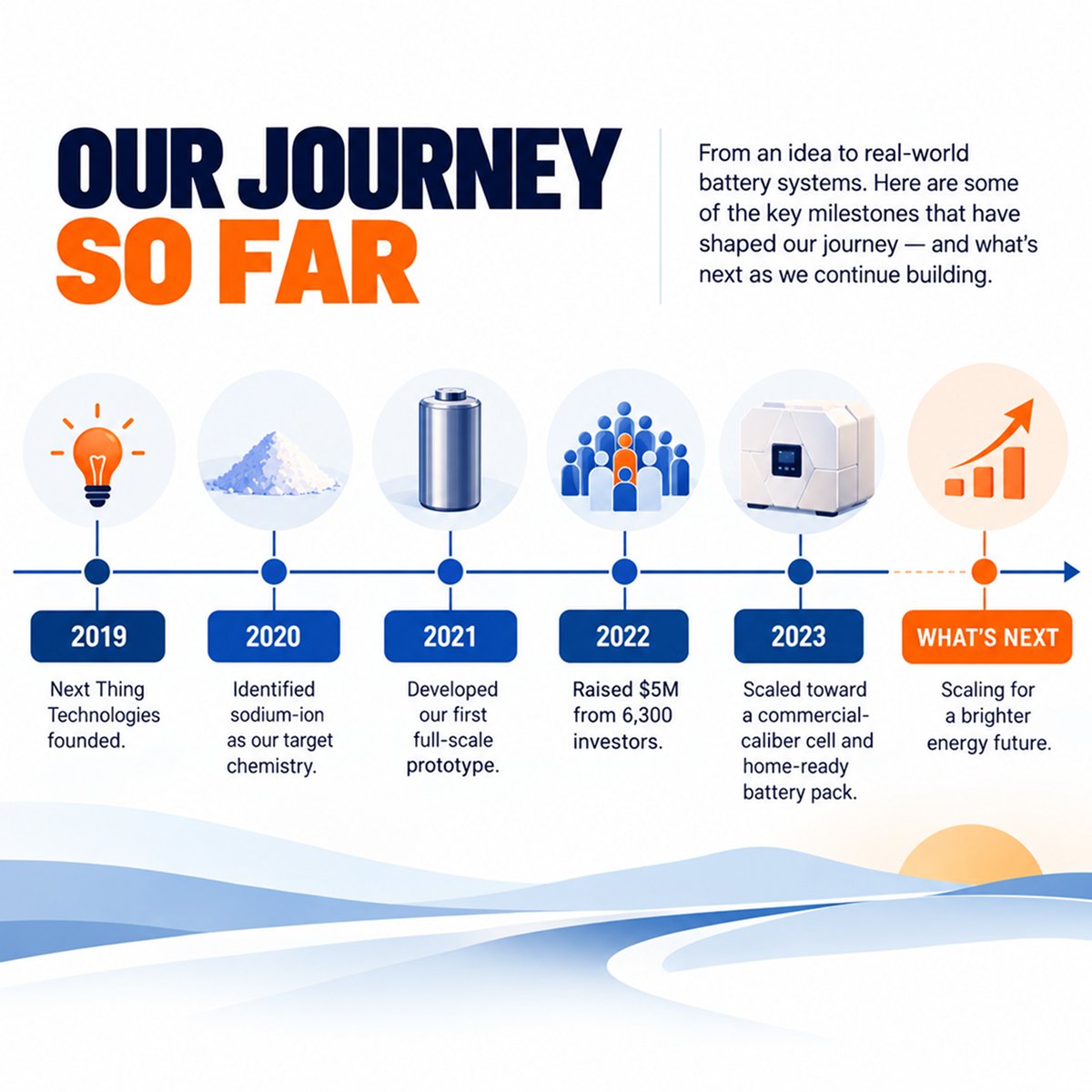
2019: Next Thing Technologies founded.
2020: Identified sodium-ion as our target chemistry.
2021: Developed our first full-scale prototype.
2022: Raised $5M from 6,300 investors.
2023: Scaled toward a commercial-caliber cell and home-ready battery pack. 🔋
That's what building hardware actually looks like:
Years of testing.
Hundreds of iterations.
One milestone at a time.
The breakthrough isn't one moment.
It's the accumulation of thousands of them. ⚡
Battery cost isn't just about the price you pay today.
It's about:
How long it lasts.
How safe it is.
What materials it requires.
How easily it can scale.
And what happens when you need millions of units.
Next Thing Technologies is developing sodium-ion batteries with a different equation:
Lower potential cost.
Longer potential lifespan.
More abundant materials.
Enhanced safety. 🔋
Because the energy transition isn't going to be powered by the battery of yesterday.
It's going to require better infrastructure.
$11,881,837 is impressive.
But it's not the number we're most interested in.
The interesting number is 9,580.
That's how many investors have chosen to back Next Thing Technologies. 🔋
Because building new battery technology takes more than a prototype.
It takes:
Capital.
Testing.
Iteration.
Time.
We're putting that capital toward solving one of the biggest infrastructure challenges ahead:
How do we store more energy, at scale? ⚡
The funding is a milestone.
The technology is the mission.
We got so used to lithium batteries that we started thinking lithium was the only option.
It isn't.
Sodium-ion batteries use sodium instead. 🧂
And sodium is roughly 1,400× more abundant than lithium.
That matters because the future of energy storage needs materials that can scale with demand.
More abundant materials.
More scalable supply chains.
A different path for energy storage.
The next battery revolution might be hiding in plain sight. 🔋
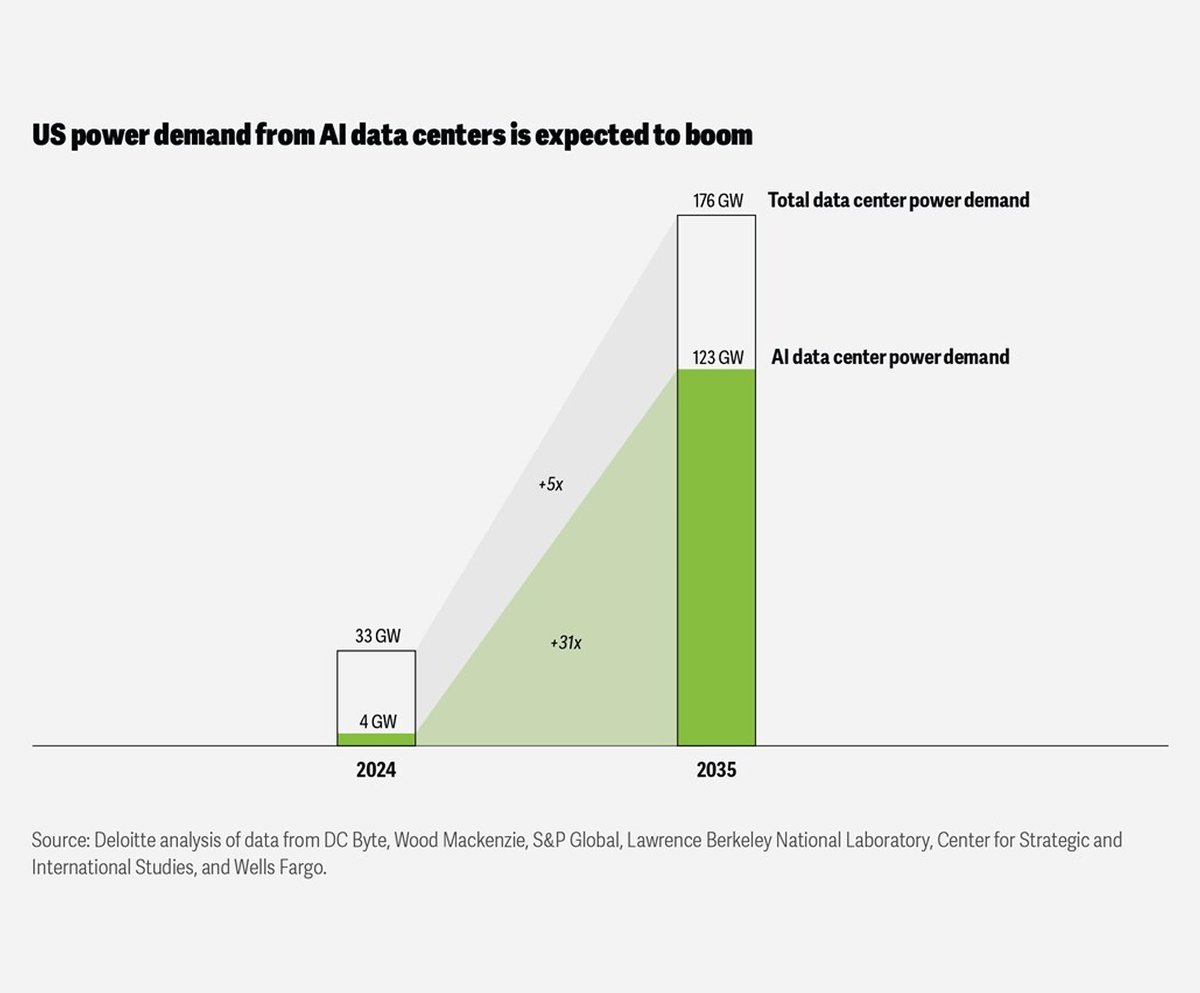
AI doesn’t just run on data.
It runs on electricity.
Training and running AI models requires thousands of GPUs working simultaneously.
And GPUs generate heat — which means data centers also need cooling systems running around the clock.
So when AI usage grows, energy demand grows with it.
More AI → More compute → More electricity.
The next AI bottleneck might not be computing power.
It might be energy. ⚡🔋
As energy demand grows, we need batteries that can scale with it.
And lithium isn’t the only option.
SODIUM-ION
Why does it matter?
01 — SAFER
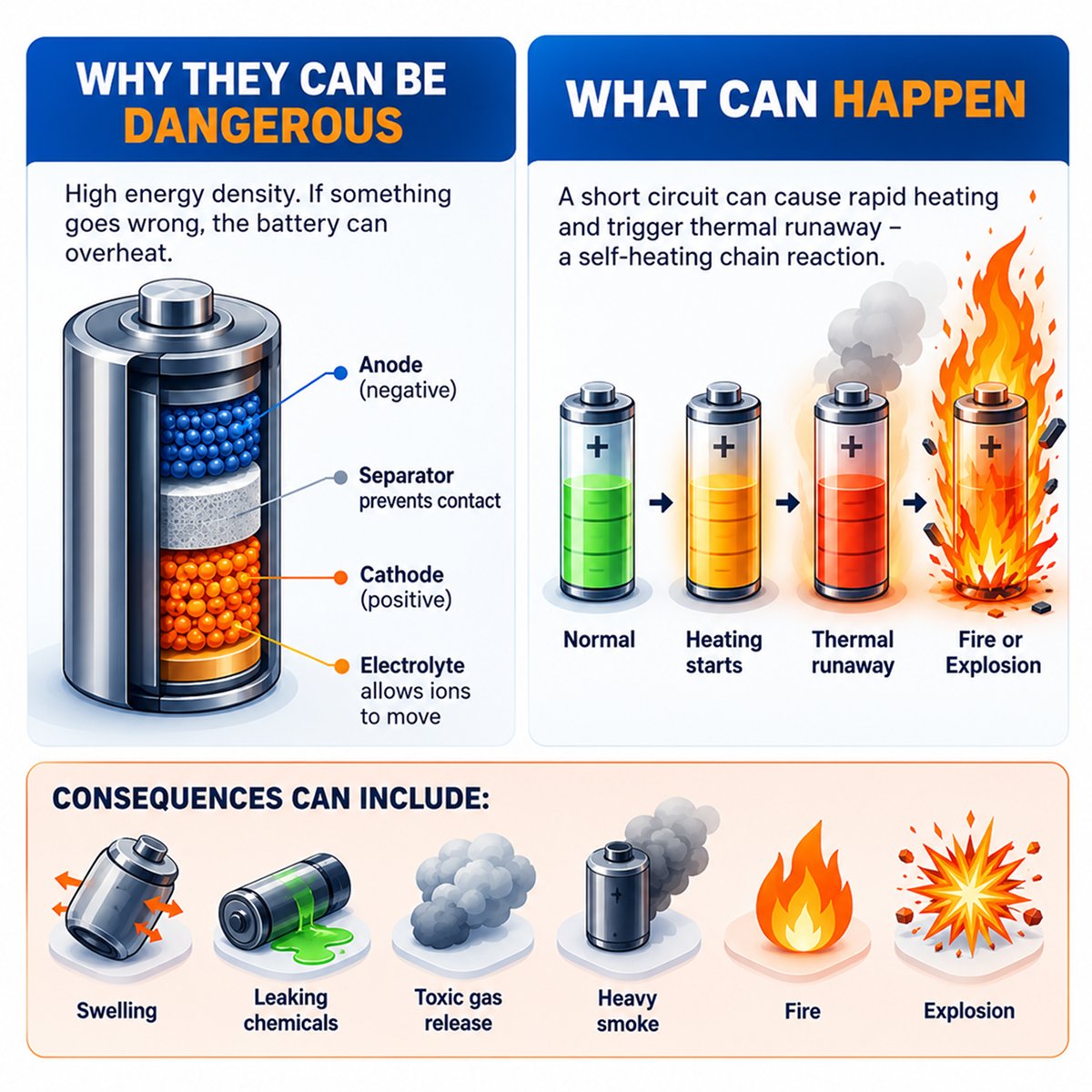
Sodium-ion chemistry offers strong thermal stability and is inherently less prone to thermal runaway — an important advantage for large-scale energy storage.
02 — SCALABLE
Sodium is widely available, making the chemistry attractive for scaling energy storage without relying as heavily on lithium-based materials.
03 — ABUNDANT
Sodium is 1,400× more abundant than lithium, according to Next Thing Technologies.
And that matters when the world needs dramatically more energy storage.
AI.
Data centers.
The grid.
Homes.
The future of energy storage won’t be defined by one chemistry.
It will be defined by how well we can scale. ⚡
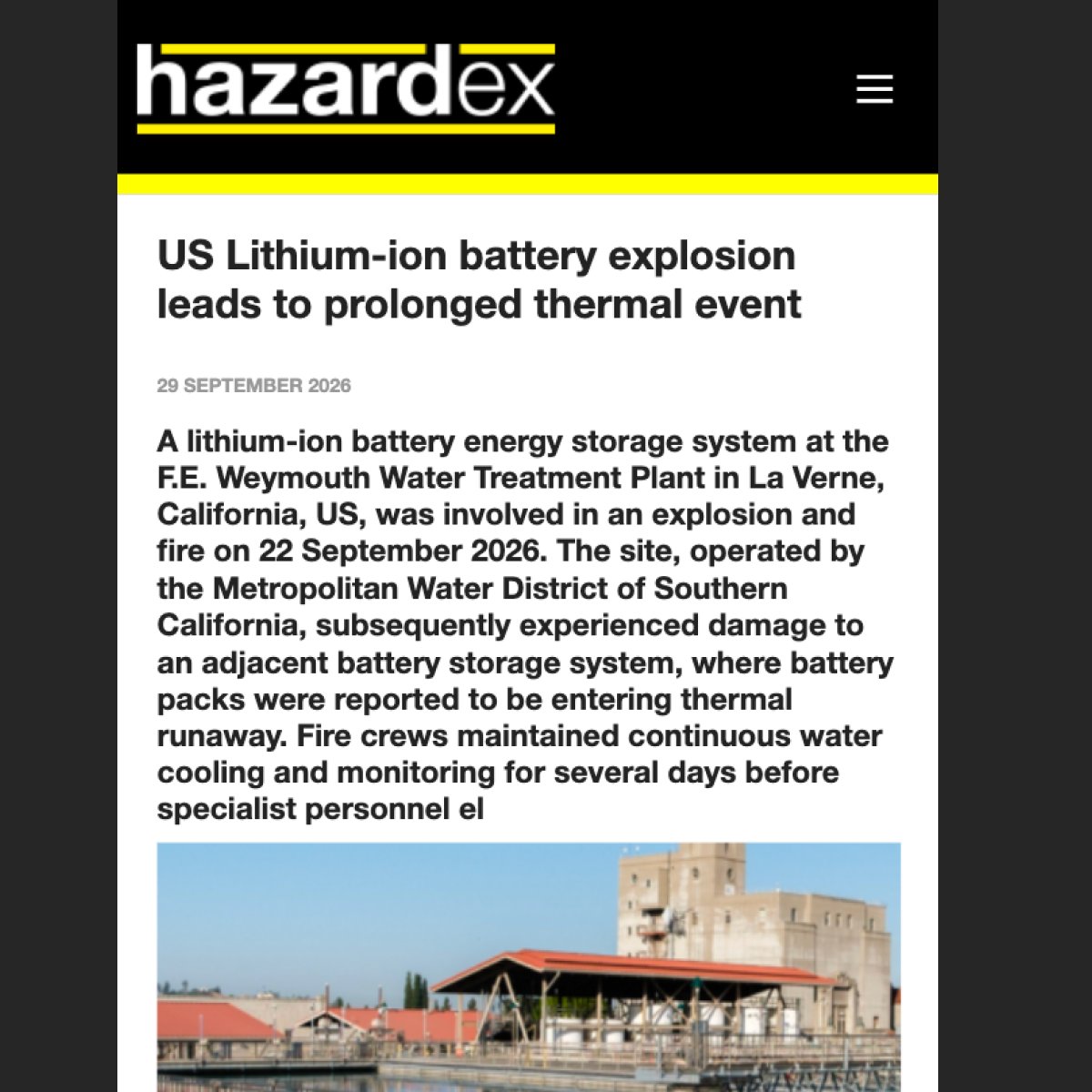
A carry-on lithium battery is suspected to have caused a fire on KLM flight KL735 on September 17, forcing the aircraft to turn back over the Atlantic. The crew managed to extinguish the fire, but the incident highlights the severe danger of lithium-ion batteries entering thermal runaway during a flight.
A power bank caught fire on a flight over the Atlantic, injuring one passenger and forcing the plane to divert back to Amsterdam. The incident is the latest reminder of the danger posed by lithium-ion battery fires on planes.
WHAT HAPPENS WHEN AI OUTGROWS THE GRID? ⚡
AI keeps scaling.
More GPUs.
More data centers.
More electricity.
But the grid doesn’t scale overnight.
So what happens when power demand grows faster than power infrastructure?
You need another layer of energy resilience.
🔋 Store power when it’s available.
⚡ Deploy it when demand spikes.
🛡️ Keep critical infrastructure running.
That’s where energy storage comes in.
And for stationary applications, sodium-ion is emerging as a compelling alternative to traditional battery chemistries.
Because the next AI bottleneck may not be computing.
It may be power.
BUILT FOR THE ENERGY DEMANDS OF TOMORROW. ⚡
Energy demand is changing at every level.
AI
More computing means more electricity. AI workloads are pushing data centers toward continuous, high-density power demand.
DATA CENTERS
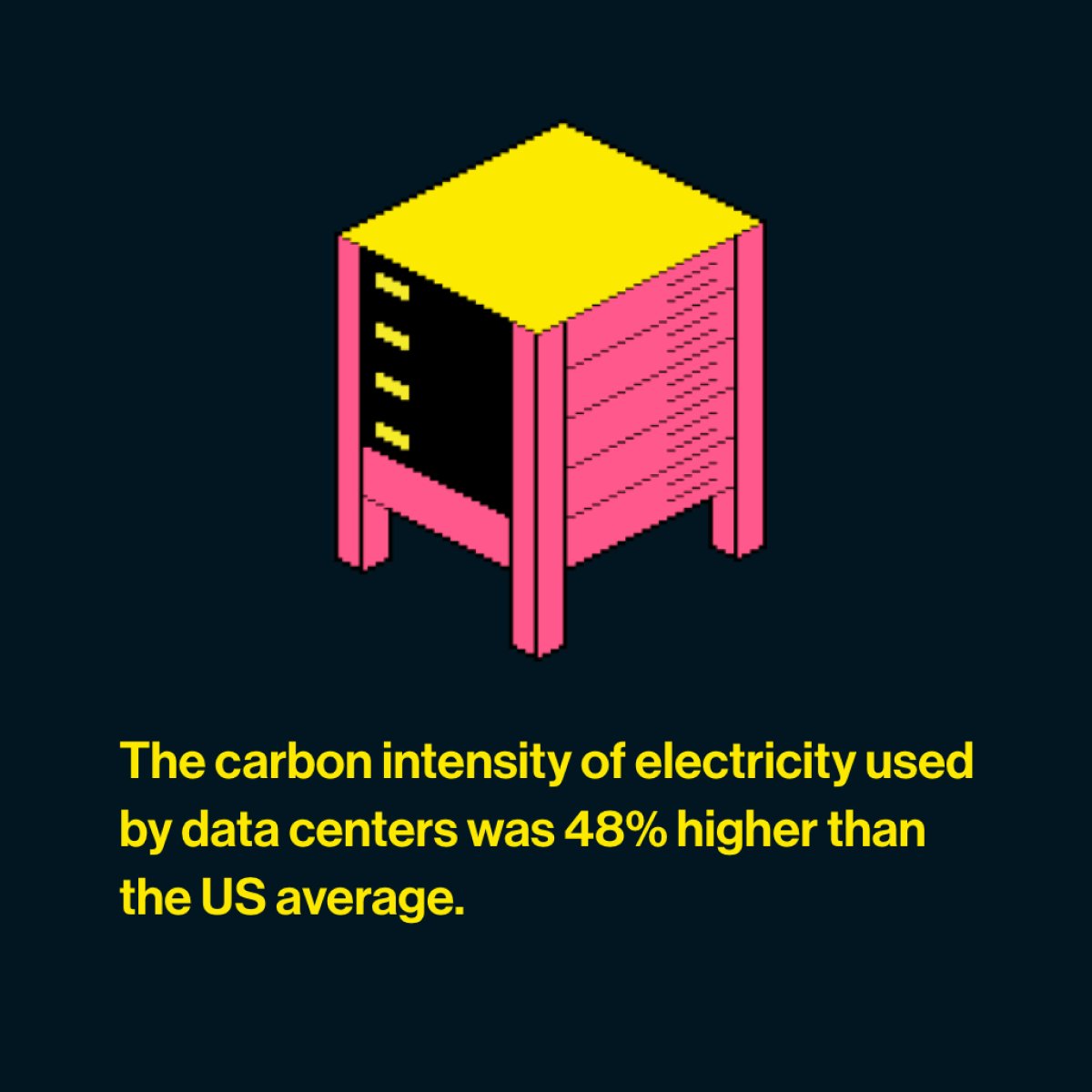
By 2030, U.S. data centers could consume nearly 12% of the country’s electricity.
That makes uptime and reliable power more critical than ever.
THE GRID
North American peak electricity demand is projected to grow by 224+ GW over the next decade, driven in part by new AI data centers.
The grid needs more flexibility, capacity, and resilience.
RESIDENTIAL
Energy storage is moving beyond backup power.
Homes are becoming part of a more decentralized and resilient energy system.
Different scales.
Different demands.
Same fundamental need:
Store energy.
Move it when it matters.
Keep power available.
That’s the opportunity for next-generation energy storage.
🔋 AI. Data centers. Grid. Residential.
Built for whatever comes next.
AI wants electricity now. The electric grid needs years to catch up. ⚡
AI infrastructure can be built in months.
Power infrastructure can take years.
That’s the problem.
Data centers are demanding more electricity, faster — but new generation, transmission, and grid connections can’t scale at the same speed.
By 2030, U.S. data centers could consume nearly 12% of the country’s electricity.
And when the grid can’t keep up, access to power becomes the bottleneck.
🔋 Energy storage can help bridge the gap.
Because the future of AI doesn’t just need more computing.
It needs more resilient energy infrastructure.
Data centers can’t afford downtime. ⚡
AI workloads don’t just need more power.
They need reliable power.
When demand spikes, data centers can face massive peak loads — putting pressure on the grid and increasing the risk of disruption.
That’s where energy storage becomes critical.
🔋 Store energy.
⚡ Manage peak demand.
🛡️ Keep power available when the grid can’t.
Because for AI infrastructure, resilience isn’t optional.
The data center of the future needs an energy system built to keep up.
How does a sodium-ion battery actually work? 🔋
The idea is simple:
Sodium ions move between two electrodes inside the battery.
⚡ When charging: ions move to the anode and energy is stored.
⚡ When discharging: ions move back toward the cathode and electrical energy is delivered.
That’s the basic principle behind sodium-ion energy storage.
Different chemistry. Same fundamental idea: controlled ion movement.