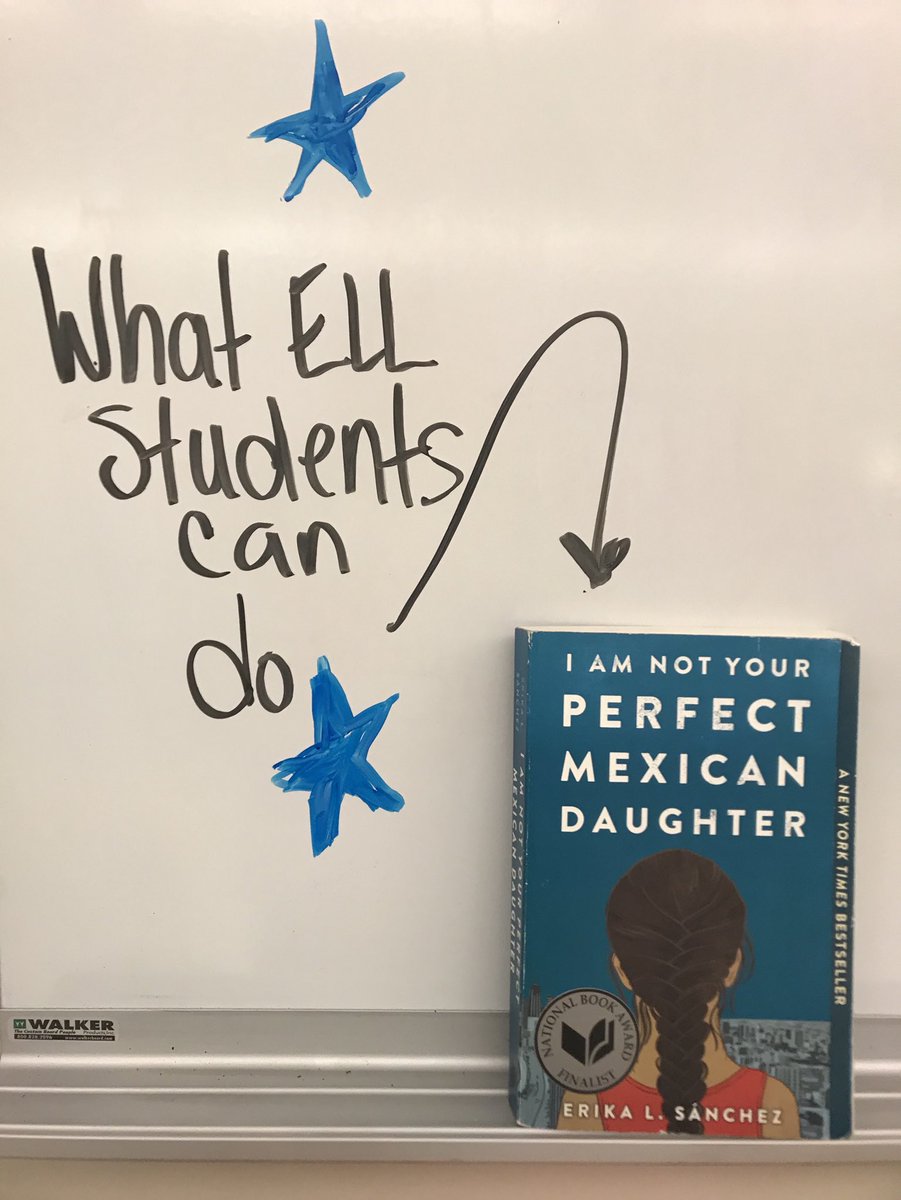
@TraceyCalo Q9-We need to make it more routine, not rare, to invite dialogue with students about their ongoing life experiences.” Mika Pollock, author great read “Schooltalk.”
#GPSCulturallyResponsive
@TraceyCalo Q8A-Essential elaboration practices increase the probability that your widely-diverse students will EACH have an opportunity to apply prior knowledge to strengthen the understanding of the new task before them. We need to listen closely.
#GPSCulturallyResponsive
@TraceyCalo Q6A Stop to take time to know the “whole” student. They will begin to trust you that you see potential in their work and at the same time you explain to them how their hard work will payoff. Appreciate their efforts in small continuous increments. #GHSCulturallyResponsive
#GPSCulturallyResponsive Q5B Stephen Krashen’s Hypothesis in regards to the Affective Filter is substantiated here as to why language acquisition is hampered if trust is not established in the learning environment. It is real. #lowerthatfilter
@TraceyCalo Q4B. Specific training for all teachers and staff in this direction. Shared learning communities. Pandemic responses? Read this article for some additional insights https://t.co/vVKGcoj17f #GHSCulturallyResponsive#Takeadeepbreathandthinkitthrough
@TraceyCalo Q4A. Personal points range cover the entire gammet. Life-lessons and professional experiences support this necessity of being ever mindful of who is sitting there in those desks ready to work. #GHSCulturallyRessponsive#DailyLessonsLearned
Pages 56-57 lead readers thru a series of questions that help explain how we are who we are. A great exercise is “inside-outside”line with others answering the questions. #gpsCulturallyResponsive
How can I better teach my students who by the very nature of being ELL students represent a broad, but often small, distinct. cultures, and at the same time bring to them a working knowledge of the culture of the USA and the culture of Grafton. MA? #GPSCulturallyreapinsive