If these pro climate Europeans really care so much about the environment, they would prioritize limiting imports of goods from China who consumes more fossils fuels than all of them combined rather than worrying about air conditioning. France was absolutely brutal last few days
🚨ANTHROPIC CEO: Dario Amodei WARNS AI needs “mandatory testing” because it threatens NATIONAL SECURITY.
Amodei says the government should have the power to block the future release of these models.
This comes 2 DAYS after Anthropic released Fable 5, the most POWERFUL AI model to ever exist.
🇪🇺EU LAUNCHES MASSIVE CRYPTO CRACKDOWN
€10,000 cash ban.
€1,000 crypto KYC threshold.
Privacy coins fully banned.
AMLR rules take effect July 1, 2027.
All exchanges must verify ID above €1,000.
Monero, Zcash, and Dash will be completely removed from EU platforms.
Meanwhile:
🇺🇸 US pushing zero capital gains on Bitcoin held over 12 months.
🇦🇪 UAE rolling out full crypto banking licenses.
Europe sees crypto as a threat to control.
America and the UAE see it as an opportunity.
Capital always flows to where it’s welcomed.
GROCERY STORE GIANT CARREFOUR IS NOW OFFERING 20% DISCOUNTS ON #BITCOIN PAYMENTS IN FRANCE
IT HAS OVER 14,000 STORES ACROSS 40 COUNTRIES
BTC BEING USED AS MONEY. IT'S HERE 🚀
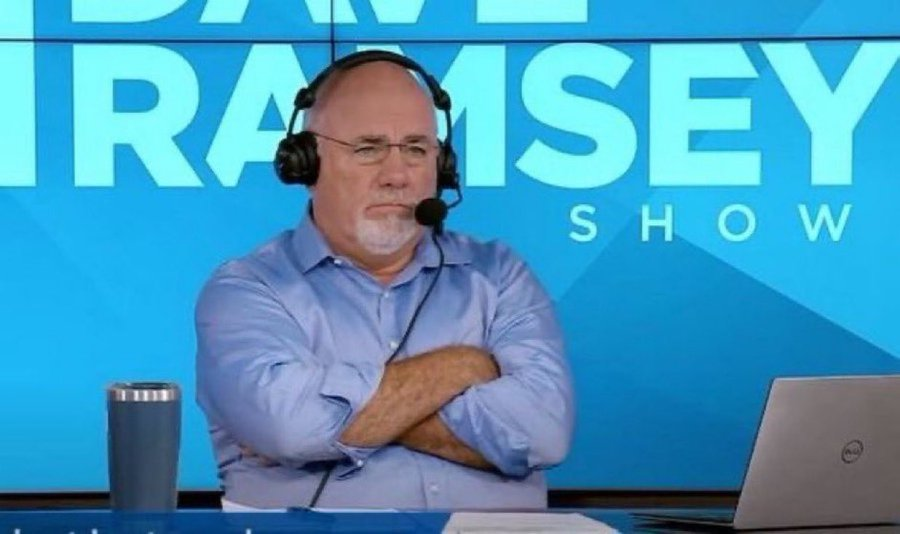
"so you staked your ETH on the Ethereum blockchain to earn yield?"
"yes, Dave"
"except you didn't want your capital to be locked up so you actually staked it with a liquid staking protocol called Lido?"
"that's correct, Dave"
"and Lido gave you a liquid staking receipt token called stETH in return?"
"yes, Dave"
"and then you didn't think that was enough, so you juiced the yield even further by depositing your stETH receipt tokens into a restaking protocol called Eigenlayer?"
"you are correct, Dave"
"and now you didn't want to lock up your capital, so you actually restaked with a liquid restaking protocol called KelpDAO who provided you with a liquid restaking receipt token called rsETH?"
"you got it, Dave"
"and then that was surely not enough juice, so you then deposited your rsETH tokens into a lending protocol called AAVE so that you could open a leveraged looping position that borrows ETH against the rsETH collateral and restakes the ETH into rsETH which is then deposited as collateral, except it turns out rsETH used a cross-chain bridge called LayerZero whose security is held together by a 1/1 toothpick, which was obviously hacked by north koreans causing rsETH to become undercollateralized and now these looping positions are stuck and unprofitable, and everyone is pointing fingers at each other, and also DeFi is a very serious industry"
"you are 100% correct, dave"
jfc.
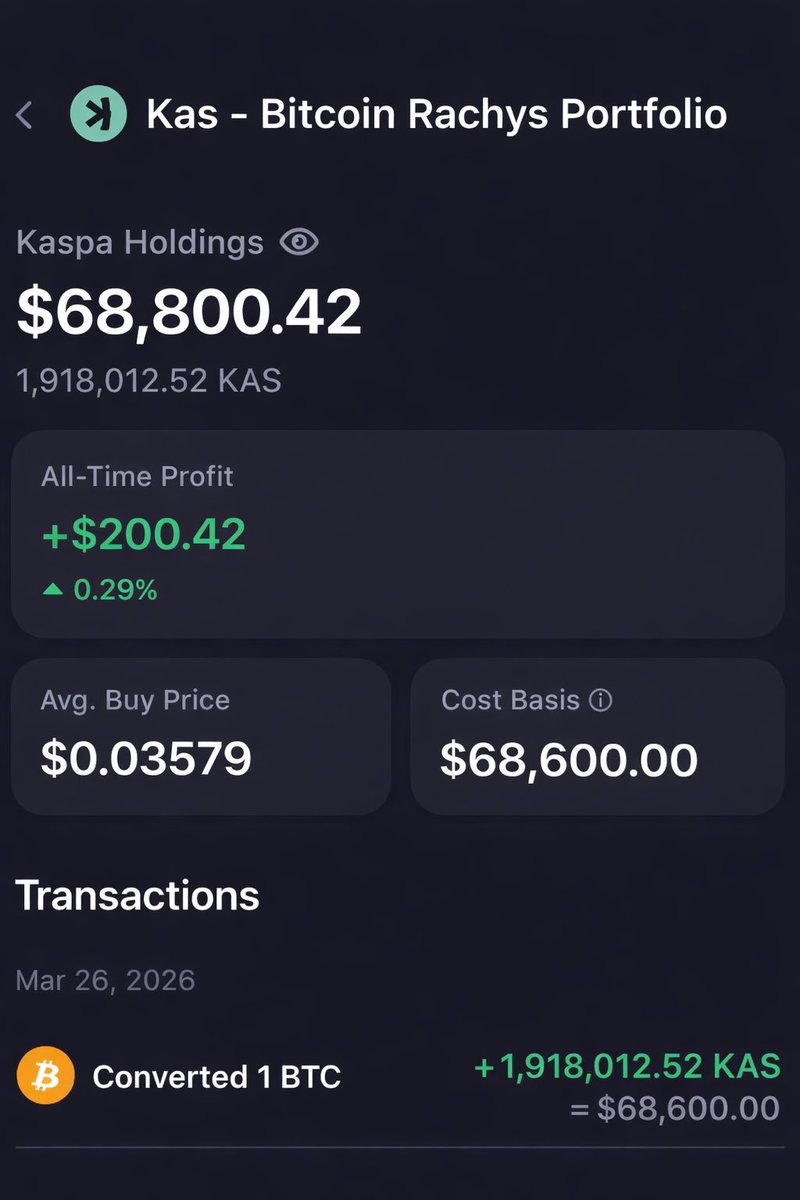
I have officially converted 1 Bitcoin into Kaspa. Thank you to those that have convinced me.
Who wants to help me keep track of how much this portfolio is going to outperform Bitcoin over time?
Trump failed crypto today.
Our politicians failed us today.
The entire industry showed up for him funded, supported, pushed for U.S. innovation and when it actually mattered, he folded to the same big banks crypto was built to replace.
Let’s be honest about what just happened:
Stablecoin yield was becoming real competition. Real alternatives. Real financial freedom.
So they killed it.
Not for “consumer protection.” Not for “risk management.”
But because it threatens a system that survives on control, fees, inflation, and gatekeeping.
Traditional banking doesn’t win in a free market so it rewrites the rules.
And Washington just proved exactly who they work for.
Meanwhile, politicians somehow outperform markets, insiders get rich, and we’re told this is all for our benefit.
Short term?
DeFi gets hit.
Projects die.
Innovation leaves the U.S.
Long term? You can’t stop open-source.
You can’t kill decentralization.
But today was a reminder:
They don’t want competition.
They want control.
Fuck every politician who sold out to big banks instead of protecting consumers.
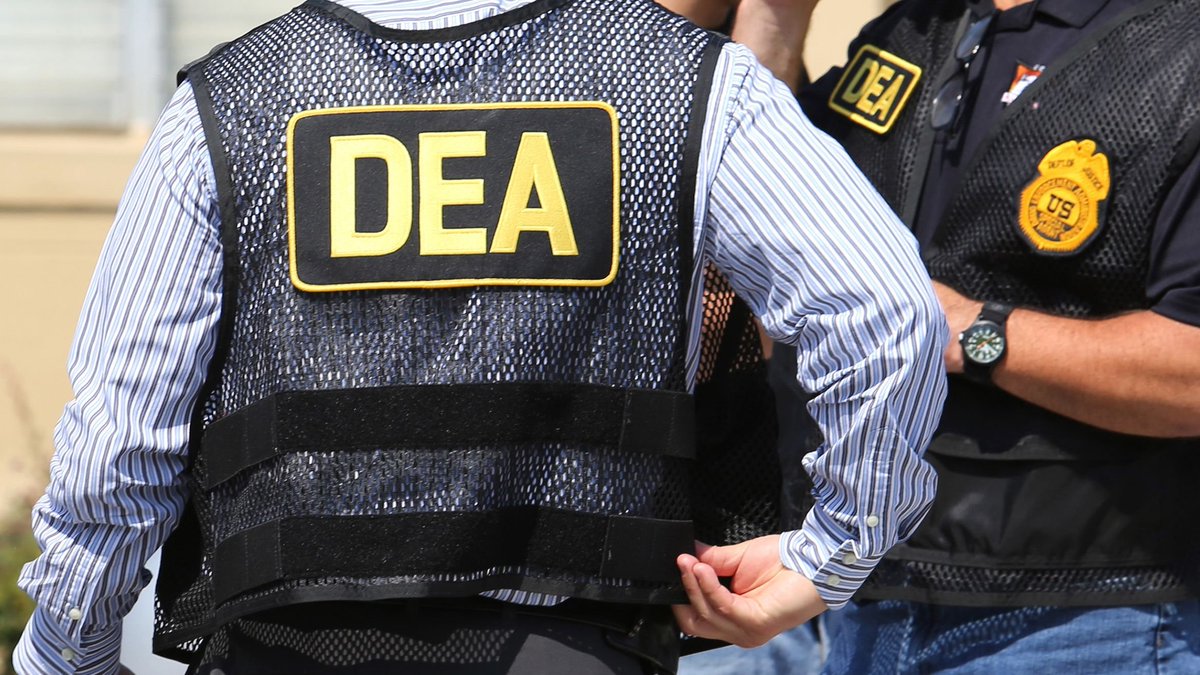
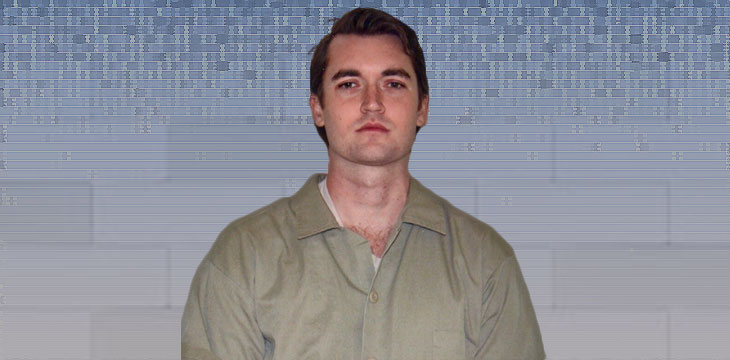
The US government sent two federal agents to shut down the biggest drug market on the internet and both got caught robbing it.
Carl Force was the DEA’s lead undercover agent.
His job was to get close to Ross Ulbricht.
He made a fake identity called “French Maid,” sold Ulbricht fake law enforcement intel for $100,000 in Bitcoin.
Then created another identity called “Death From Above” and tried to blackmail Ulbricht for $250,000.
Later signed a $240,000 movie deal with Fox about the case he was corrupting.
His salary was $150,000.
He deposited $757,000 into his bank account in 14 months.
Shaun Bridges was even worse.
A Secret Service agent on the same task force.
When an informant showed agents how to access Silk Road wallets, Bridges used it to drain $820,000 in Bitcoin for himself.
He then helped write the seizure warrant for Mt. Gox.
Two days after pulling his own money out of it.
Sentenced to 71 months in prison.
The night before he was supposed to report, he tried to flee the country.
Agents found a passport, offshore shell companies in Belize and Mauritius, bulletproof vests stolen from the Secret Service, and a MacBook with the serial number scratched off.
He was arrested a second time, and prosecutors later discovered he may have also stolen 69,370 Bitcoin.
Worth over $5 billion today.
The informant who helped them cried at sentencing.
Said he taught both agents how to move Bitcoin, thinking “these are the good guys.”
Force got 6.5 years. Bridges got 6 years. Ross Ulbricht got life.
None of this was mentioned at his trial.
What does "commodity not security"
actually mean?
Security = you own a stake in something.
Commodity = you own the thing itself.
The SEC just said these 16 tokens
are things, not stakes.
That changes regulation, taxation,
and accounting. All at once.
#Crypto #SEC #Finance #DigitalAssets
🚨 Two projects I keep watching closely
Kaspa and Bittensor are building in completely different directions, but both are interesting.
#Kaspa is trying to push the limits of what digital money can be. Faster blocks, parallel processing, and a network that actually scales.
#Bittensor on the other hand is experimenting with something totally different. A decentralized network where AI models compete and get rewarded with TAO.
One is focused on money and payments.
The other is focused on AI and intelligence.
Different visions, different risks.
But at least they’re trying to build something real instead of another copy paste token.
They offered him more than 15 million dollars. He said no.
At 86 years old, Pennsylvania farmer Mervin Raudabaugh faced a decision that would have changed his life overnight.
Data center developers reportedly offered around $60,000 per acre for his 261 acres in Silver Spring Township. The total offer exceeded $15 million.
For many, it would have been an easy yes.
For Raudabaugh, it was not.
After roughly 60 years working that soil, the land was more than property. It was memory. Family. A lifetime of early mornings and long harvests.
Instead of selling to developers, he chose to sell the development rights to a local land preservation program for just under $2 million. The agreement protects the farmland from future industrial construction and keeps it as open space for generations to come.
He said money was never the point.
Preserving the land was.
In a time when farmland often becomes warehouses and data centers, his choice stood out.
Some people measure wealth in dollars.
Others measure it in acres that will still grow crops long after they are gone.
A man deposits $10,000 in a bank.
The bank thanks him and records the deposit on its balance sheet. But not where you might expect. For the bank, that $10,000 is actually a liability – because technically it belongs to the customer and might have to be returned.
So the bank does what banks do. It lends $9,000 of that money to someone buying a car.
Now something interesting happens. The $9,000 loan appears on the bank’s books as an asset – because someone now owes the bank money.
So the same $10,000 is doing two jobs at once. The depositor believes he has $10,000 safely in the bank. The borrower now has $9,000 to spend.
That $9,000 gets deposited somewhere else. The next bank lends $8,100. That gets deposited again. Then $7,290 gets lent out.
Soon the original $10,000 has quietly turned into tens of thousands of dollars of loans scattered across the economy.
Everyone believes they have money. Depositors see balances in their accounts. Borrowers have the money they spent. Banks show healthy assets on their balance sheets because people owe them money.
And here’s the best part.
Banks charge interest on all those loans – maybe 7%. But the depositor who supplied the original money might earn only 0.5% on their savings account.
So banks collect interest on money that mostly wasn’t theirs to begin with – and keep the difference.
The system works beautifully.
As long as nobody asks for the money back at the same time.
wait a minute, hold on here
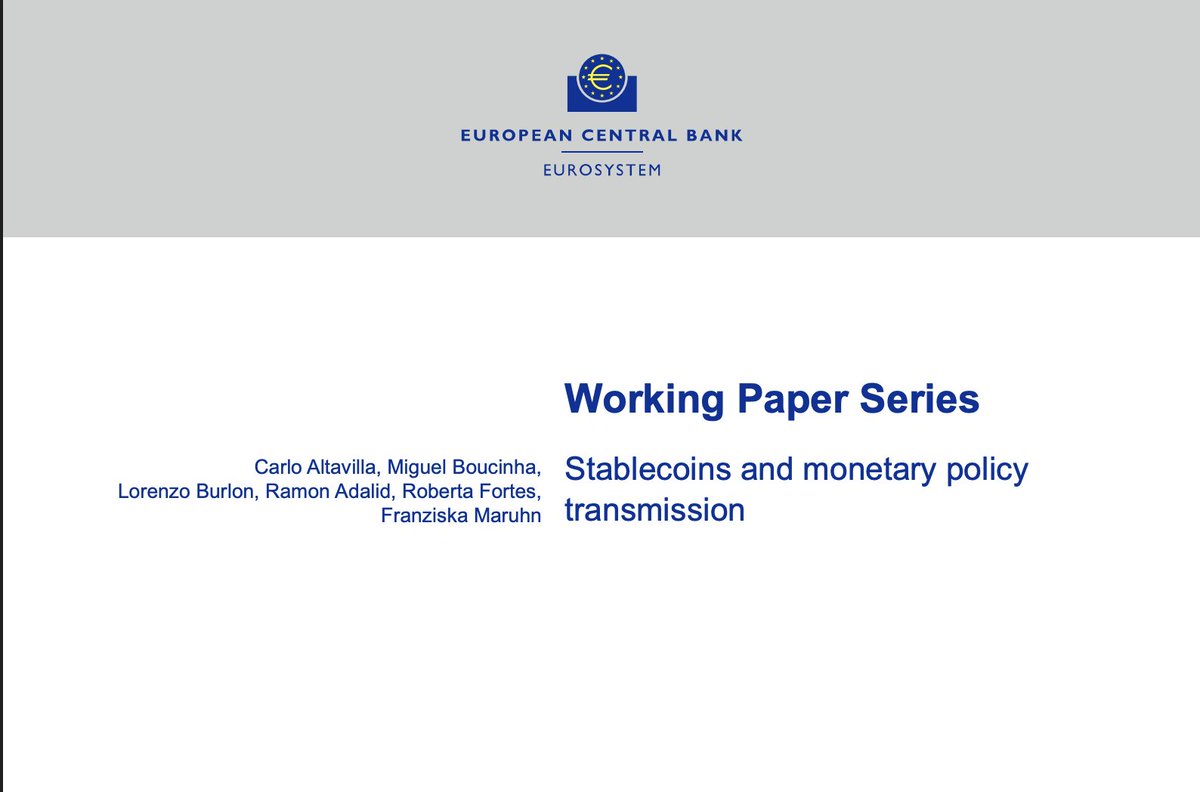
so the European Central Bank published a paper warning that stablecoin adoption could pull deposits out of the banking system
I want you to read that again slowly
a central bank is publicly worried that people might voluntarily move their money from banks to stablecoins
the people who run the monetary system are admitting in an academic paper that their product might lose to a better product
this is the music industry publishing a report in 2004 warning that people MIGHT prefer MP3s to CDs
the diagnosis is correct
the conclusion they'll draw from it will be to regulate the competition instead of improving their own product
I watched this exact playbook when I worked at Universal Music back in 2008
the threat assessment was always accurate but the response was always protectionism
and protectionism always lost