@DrugInfoGeek@CivicaRx Yes, feeding tube placement comes with greater risk for harm too. Add in the cost of the placing the tube, X-ray confirmation and maintenance which pushes the cost into the thousands. A little 1 inch suppository costs $1.50
The only manufacturer of aspirin suppositories in the US is permanently discontinuing production in December
IV Aspirin isn’t available in the US. Hospitals will have to make their own suppositories or buy them from a compounding pharmacy in 2027
👉When my son was in the hospital, I saw firsthand how important pharmacists are to patient care. The nurses frequently contacted the pharmacist to double-check medication dosages and to review potential drug interactions when alerts came up which was more frequently than I recalled prior to being an advocate.
As a parent, knowing that another set of knowledgeable eyes was looking out for his safety gave me peace of mind. Pharmacists are truly an essential part of the healthcare team, and their role can make a lifesaving difference!
I remember the hospital nurses saying that they don't know what they would do without the pharmacy team. Some of the nurses were newer.
After seeing what the pharmacists and staff do and all that endure from patients & corporations, I'll always be their biggest cheer leader. They don't get enough credit or appreciation for the work they do or for their critical role in healthcare.
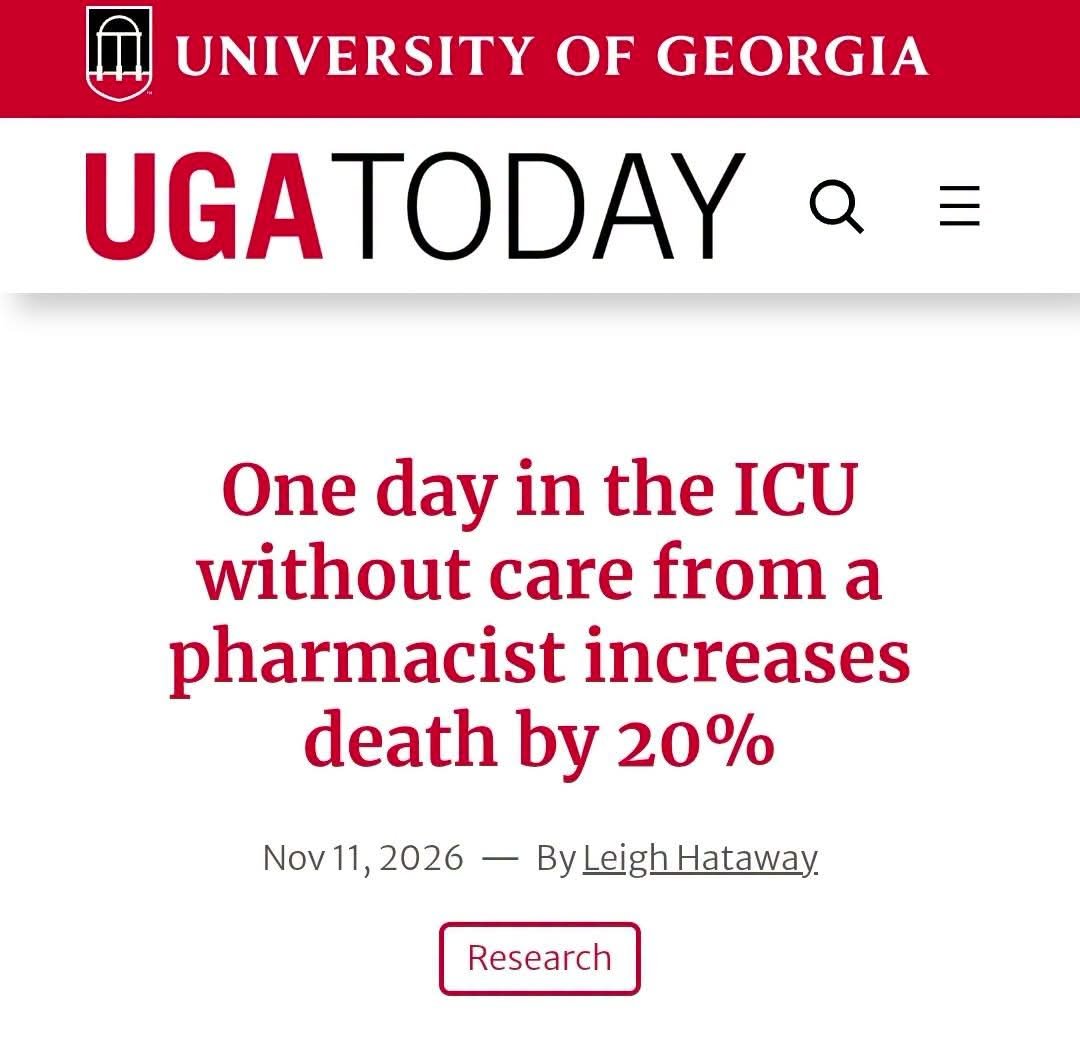
One day in the ICU without care from a pharmacist increases death by 20%.
https://t.co/p4FXsXMTH4
Reese's cups were made with Hershey's chocolate for 35 years before Hershey owned them. Harry Reese started making them around 1928 in Hershey, Pennsylvania, coating them by hand on marble slabs with chocolate Hershey supplied. His sons sold the company to Hershey in 1963.
The package reads milk chocolate (sugar, cocoa butter, chocolate, skim milk, milk fat, lactose, lecithin, PGPR), then peanuts, sugar, dextrose, salt, TBHQ and citric acid. That's 2 recipes on one label, the chocolate inside the parentheses and the filling after it.
The chocolate is real milk chocolate. Its fats are cocoa butter and milk fat, the 2 that FDA's milk chocolate standard allows. Lactose is milk sugar, added on top of the skim milk. Lecithin and PGPR are emulsifiers. PGPR is usually made from castor oil, and it cuts the friction between the sugar, cocoa and milk particles so melted chocolate flows into the mold and around the filling. It gets that flow with less cocoa butter, which cuts cost.
The filling is roasted peanuts ground with sugar, dextrose and salt. Dextrose is glucose, usually made from corn starch. TBHQ is a synthetic antioxidant that slows oil from going rancid, and FDA caps it at 0.02% of the fat in the food. The citric acid ties up the trace metals that speed rancidity up. Hershey prints the pair as "to maintain freshness."
We need to think of better ways to minimize IV fluids from medication delivery
Maintenance infusions and medication delivery account for the majority of fluids administered to patients in the ICU