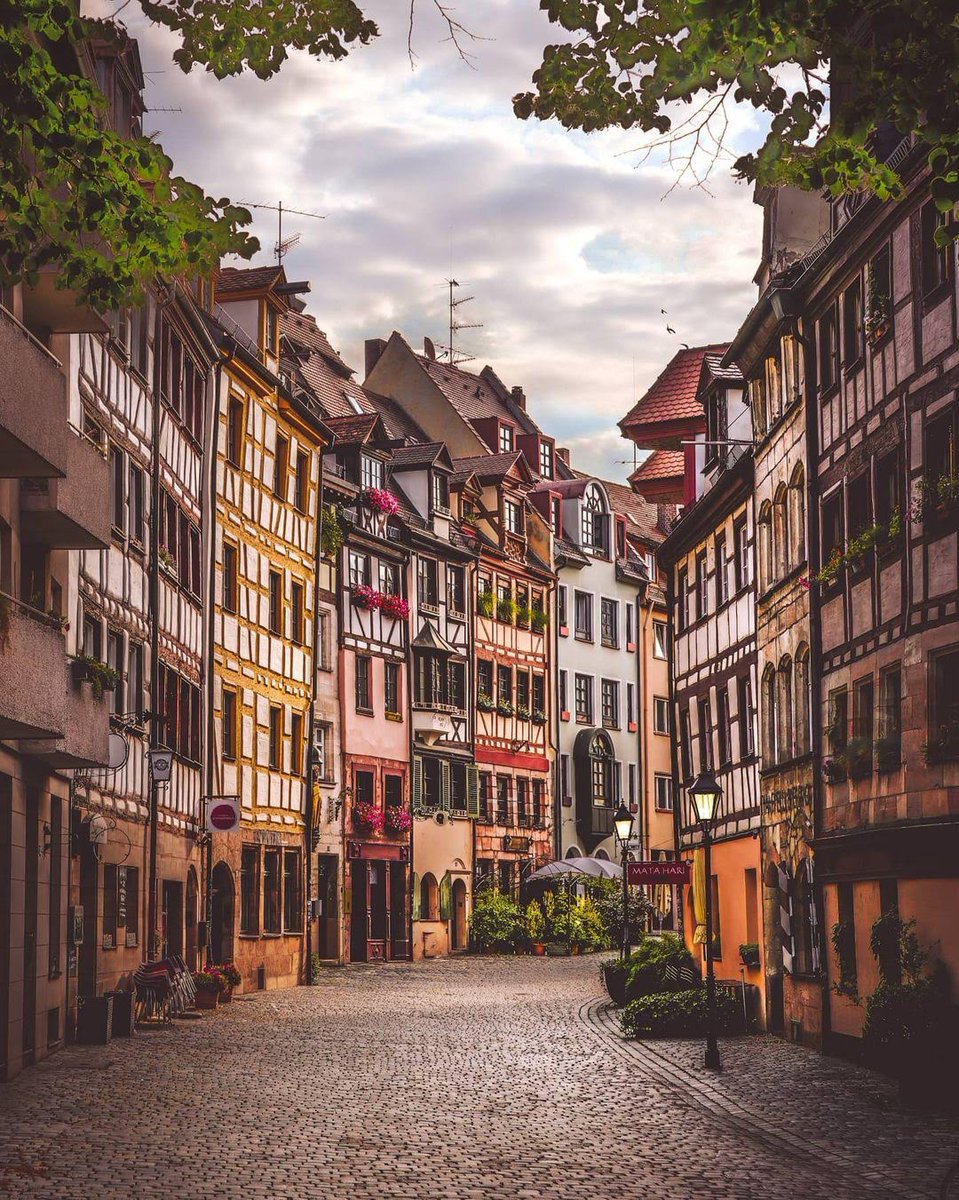
What makes this street in Nuremberg, Germany, so charming?
It isn't magic. Here are 10 (very) specific reasons why people find it beautiful — and which can improve almost any street in the world.
1. Cobbles
When are cobbled streets not a good thing? They add texture and detail — every stone is slightly different, and so they create a wonderful, subtle interplay of light and shadow across the ground. It also feels more natural than flat and monotonous tarmac, since natural landscapes are rarely without some sort of variation and detail.
We don't want cobbled highways, of course, but when it comes to narrow urban streets they are almost always an improvement.
(These cobbles in Nuremberg are technically "setts", since they are squared off rather than round.)
2. No Adverts
Sometimes adverts can be aesthetically pleasing, but many streets would be improved by getting rid of billboards and posters which are literally designed to distract us, co-opt our attention, and influence our behaviour. Any street is inevitably more peaceful to the mind and to the eye without adverts all over the place.
3. Greenery
There isn't much here, but it makes a big difference. Those flowers hanging from the windows and gathered in front of the houses and shops add softness and variation to streets which could otherwise be rather angular and stony.
Notice the canopy of a tree peering overheard; trees, too, almost always improve urban environments for a variety of reasons, from psychological health to temperature control.
4. No Vehicles
A simple but profoundly important detail. Vehicles are not evil, but they do make most places uglier. Imagine if this street was lined with vans and motorcycles and trucks and, of course, cars. Safe to say that it probably wouldn't be quite as charming...
5. Street Lamps
Another minor detail — but that's where the devil is, as they say. They aren't remotely fancy here, but they are rather pretty and essentially unobtrusive; the street lighting is aesthetically coherent with its surroundings.
Sometimes aesthetic incoherence works well, adding excitement and vitality to an urban environment. But, if we want to figure out why this particular street is so appealing, the harmony between its architecture and street furniture is a big part of that.
6. Materials
Cobbles (or setts), bricks, stone, iron, timber, and slate. Notice that almost everything we see on this street is made from one of these materials. They are all more detailed, subtly coloured, smaller in scale, and feel more natural than plate glass, stainless steel, tarmac, and plastic. It's hard to go wrong with good materials, used simply.
7. Colour
This street is filled with colour — certainly compared with the grayscale urban environments most of us are used to. The houses themselves have a mixture of white or cream-coloured facing combined with the warm tones of old timbers, though some are painted brightly in orange or scarlet. The masonry is all varied in colour, from rugged grey to rusty gold to weathered ivory, and the flowers add greens and pinks and violets. All of this beneath the dark slates and tiles of the roofline, and above everything the whites and blues of the sky. A kaleidoscopic of mellow, colourful delight.
8. Variety
This is a combination of the other factors. Although there is an overall aesthetic cohesion here, no two parts of this street are the same. Every house is slightly different, whether in its size or overall shape, the arrangement or colour of its timbers, and the design of its windows and doors. Even the cobbles, already mentioned, add to this sense of variation.
Not to forget the curving shape of the street itself. There's nothing wrong with straight roads, but the way in which the cobbles and houses taper away from us, out of view, clearly adds to its aesthetic character.
You don't get the impression of a rigidly imposed design blueprint here; this is the opposite of an insipid, cookie-cutter urban environment where everything is identical.
9. Human Scale
The buildings are no more than four or five storeys tall and the street is fairly narrow. The concept of "human scale" has no precise definition, but you know it when you see it. If there are towering, faceless structures hundreds of metres tall on either side of a vast roadway filled with vehicles — that evidently isn't human scale. This street, however, surely is. And therefore it is more innately appealing to us.
10. Time
The most powerful force of all. Time shapes everything, both in terms of how a specific structure changes with the passing years and how, from one generation to another, every building and street is consciously altered and modified. The end result is something which can't quite be created in one go. If you leave a street for long enough it will almost always become more interesting — whether because of the natural process of aging or the restless hands of humanity.
It's entirely possible that you don't find this particular street appealing at all. Nor is there only one way to design a street, and it's not as if these ten characteristics should or even could be applied to every city or town.
But, in a world where so many places sorely lack aesthetically pleasing urban environments, there are surely at least a few things we could learn from this charming Nuremberg street.
.@marinawiller and team joined forces with @nomad_studio__ to create a new brand for @NHM_London, helping the Museum with its mission to fight the climate emergency and turn audiences into advocates for the planet (sound on!)
https://t.co/pxf9bcYBJm
I’ll go out (not too far) on a limb to say that this is not only the worst rebrand of the year, it will be the WORST of the worst rebrands of the year.
A shit show over a dumpster fire inside of a looming train wreck. Will someone bring marshmallows for the bonfire afterwards? 🔥
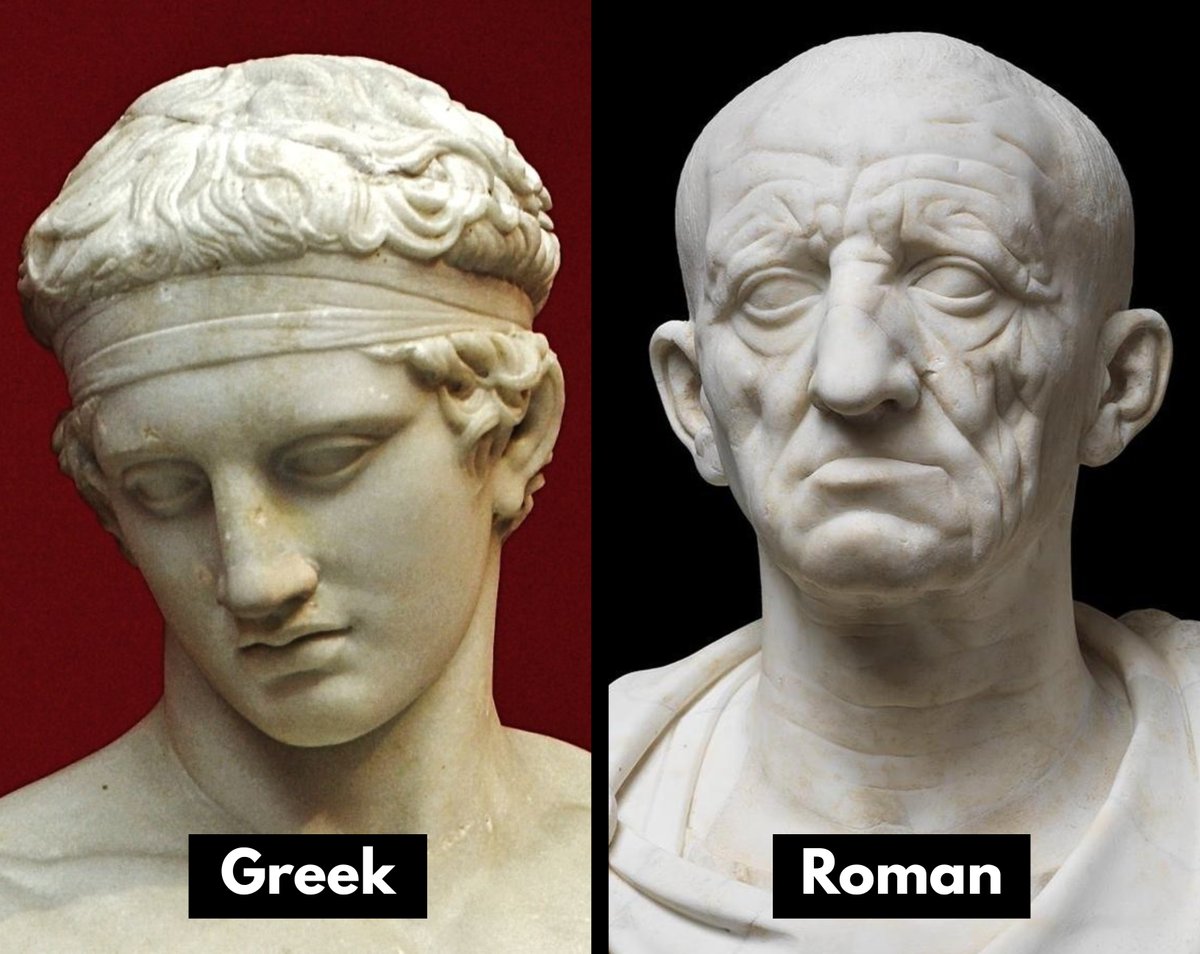
Want to know the difference between the Ancient Greeks and the Ancient Romans? Just look at their statues.
Art always tells you what a society wants to believe about itself.
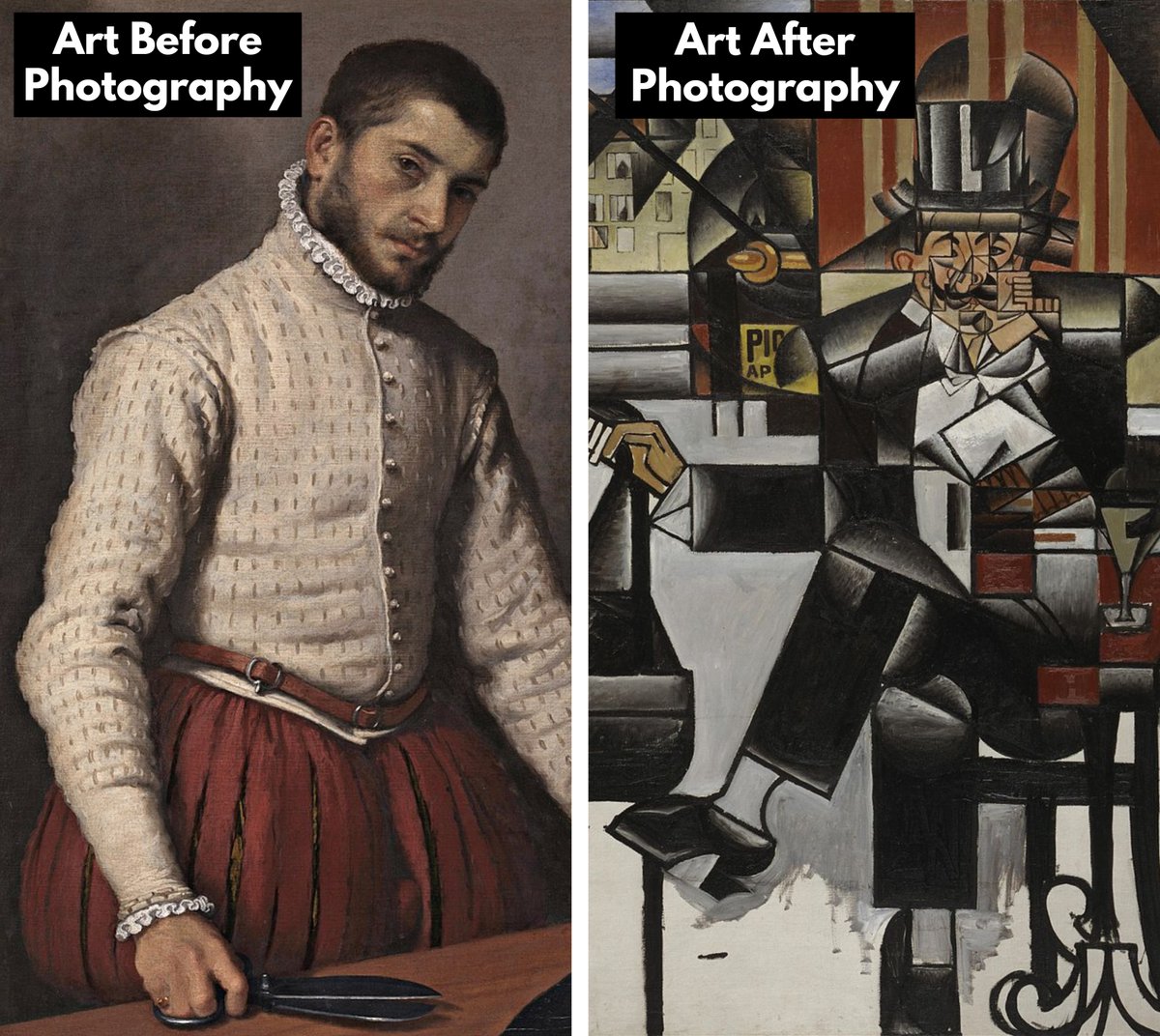
So, from the Soviet Union to the Marvel Cinematic Universe, here's what art says about who we are...
I gave GPT-4 a budget of $100 and told it to make as much money as possible.
I'm acting as its human liaison, buying anything it says to.
Do you think it'll be able to make smart investments and build an online business?
Follow along 👀
The Peter Principle is the satirical theory that employees are generally promoted to their level of incompetence.
In 1974, the author of the Peter a principle, Dr. Laurence J. Peter, explained how he first got the idea and what can be done about it