#OnThisDay in 1881 the Natural History Museum opened its doors to the public for the First time.
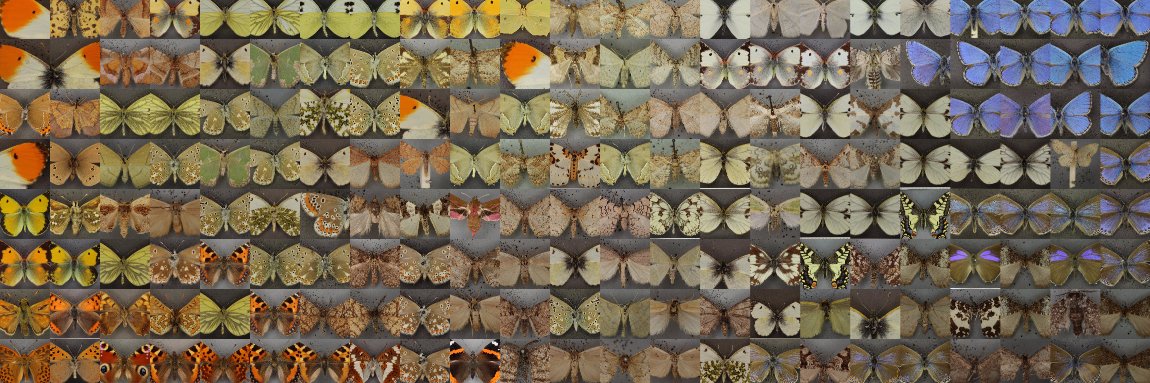
🌿 Head on over to @nhm_digitise on Instagram where you can find out more about the ceiling panels in Hintze and their counterparts in the collection:
https://t.co/ihU6gBiLIm
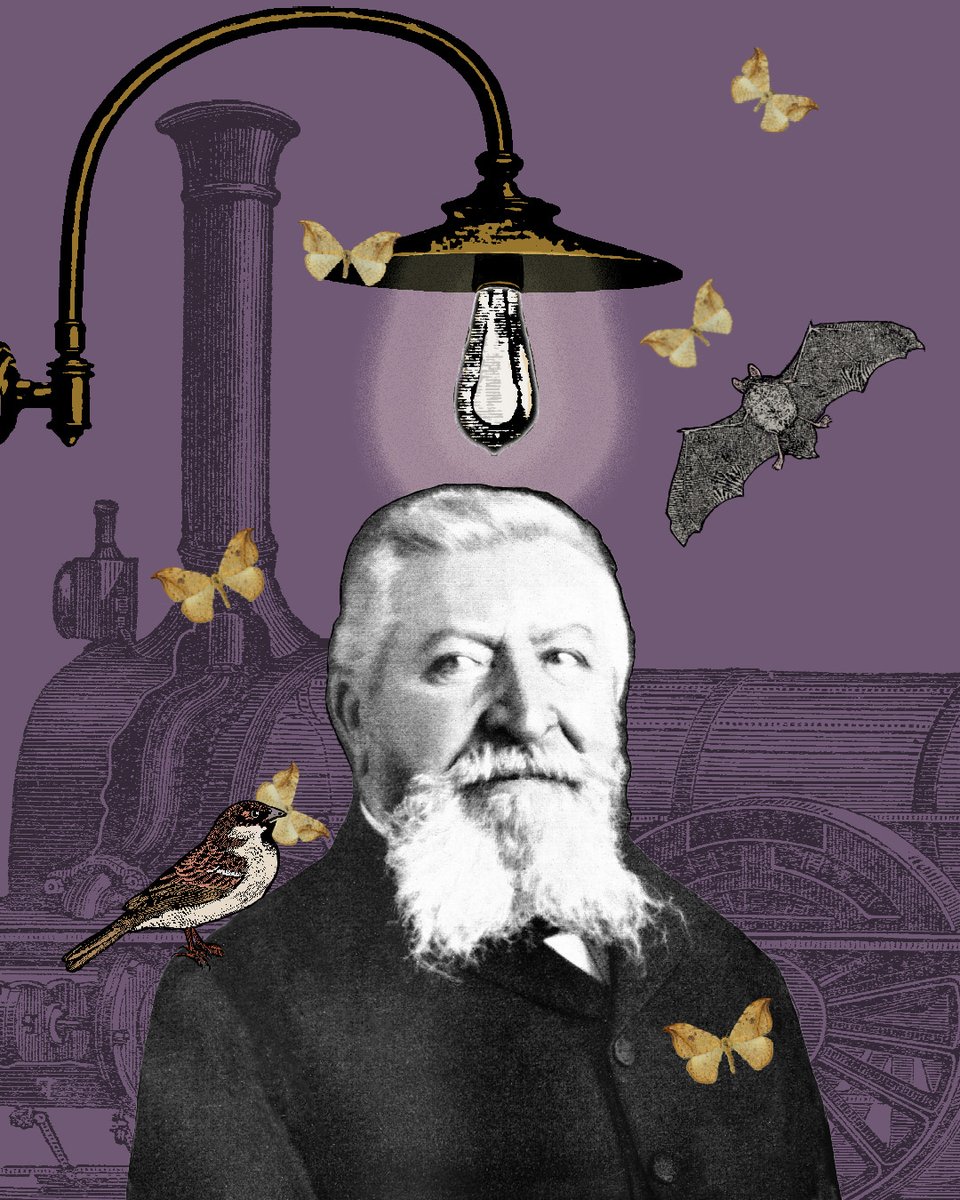
It’s #WorldEnergyDay! 💡⚡️Wondering how human electricity usage and light pollution can affect the natural world is not as recent a phenomenon as you might think.
These Pebble hook-tip moths, Drepana falcataria (Linnaeus, 1758), were collected by Oberthür as part of his Rennes Station project. The Pebble hook-tip is a common species in Europe and the largest hook-tip species that can be seen in the UK, with two broods flying in the Summer.
After his father died, Oliver moved to the UK for a period and he donated his collection of insects to the Museum in 1904, including his riverfly specimens like this Leptonema columbianum. #Caddisfly#NaturalHistoryMuseum#Digitisation#Entomologists
We are very glad that the TV series #onlymurdersinthebuilding is back. As residents of an iconic building ourselves, we would like to share the stories of our own Charles, Mabel and Oliver who have contributed to our collection and our science.
The locust recording project led to the recommendation of three years of government protection for locust-eating native birds, plus publicity about the benefits of lizards, frogs and toads who also kept the locust population under control.
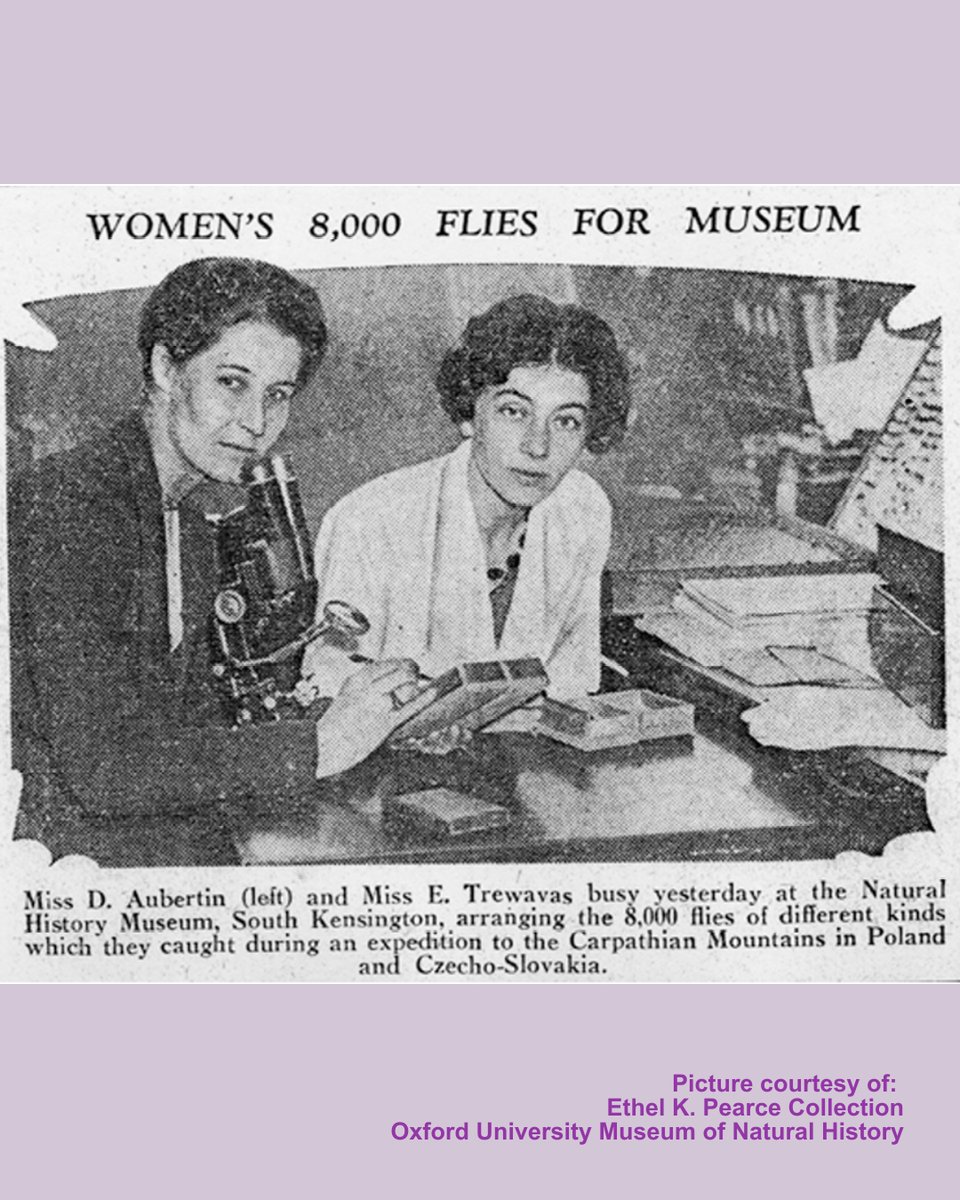
We have recently digitised some of Daphne and Ethelwynn’s specimens from their 1932 collecting trip so that their work can be shared more widely. And Daphne now has her own Wikipedia page: https://t.co/E05lLt0aRh #womeninSTEM 🪰
After a distinguished career, Ethelwynn is remembered as an accomplished zoologist, but Daphne is less prominent: until recently she was a Wikipedia "Woman in Red" – known to be a significant scientist but without her own page. What had happened to make Daphne less well-known?
The answer is that Daphne got married! - until 1946, the Museum had a marriage bar for women. In 1935 Daphne married Mark Dineley and was obliged to resign from her role. Daphne even had to hand over work for her unfinished book on the fly family Calliphoridae to her successor.
This newspaper clipping from the Ethel K. Pearce collection @morethanadodo shows NHM scientists Daphne Aubertin (1902-1970) and Ethelwynn Trewavas (1900-1993) working with their discoveries from the Tatra Mountains at the Natural History Museum in 1932.