@rauchg@vercel@v0@nextjs By having multiple regions we can serve content from the data cache to users in those regions faster.
In certain scenarios it will even speed up uncached requests for certain users as there will be fewer hops over the Atlantic ocean.
@rauchg@vercel@v0@nextjs Multi region functions. As you are walking back edge rendering, being able to run our headless ecom apps in multiple (specific) regions would be killer.
We don’t have a single “close” db. We data cache the majority of page content which should continue to work well cross-region
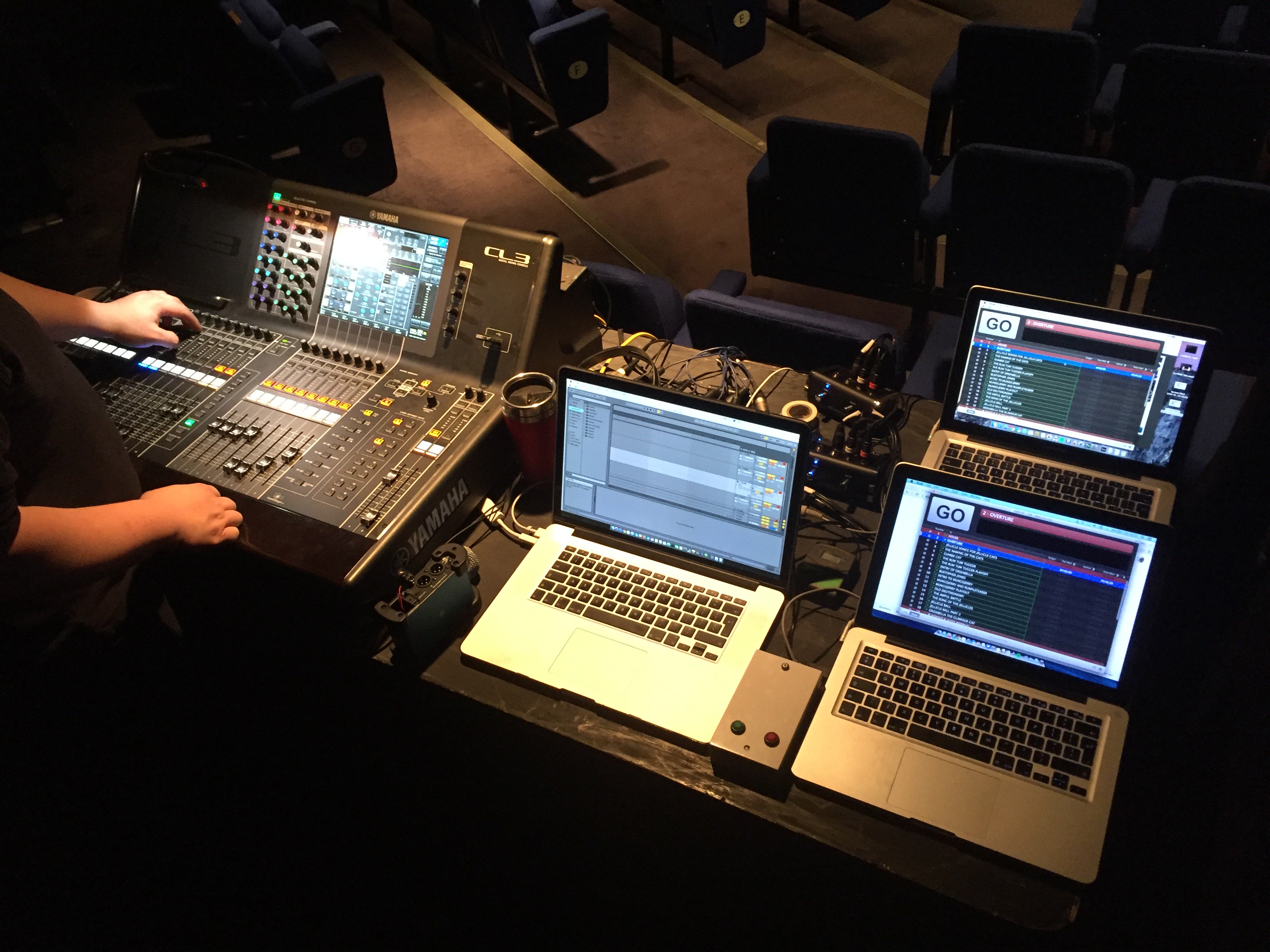
@adamfishersound Hello! I've been trying to figure out how you folks did the IEM transmission for the Sunset Boulevard bit outside the Savoy. How did you get good coverage inside and out without having weird RF issues?Did you manually switch between antennas? Appreciate it!
@theamzi Hello 👋 . I’ve just read the WoS article where you are interviewed after seeing some clips from SB outside the Savoy. I’m a bit of a tech nerd and was curious how you pulled off the audio path for Tom Francis and in particular his IEM without it dropping out. Thanks!
@ibuildthecloud We use next in my agency and honestly find it (and RSC) the most refreshingly productive framework for building the most basic static sites all the way through to more complex dashboards.
I don’t deny that the frontend ecosystem in general is pretty mad, but next offers sanity
@rauchg@bcjordan For headless sites that use multiple "data" sources such as ecom, cms, search etc, each with their own CDNs or regions, I don't think this is so clear cut.
Surely in this case, the edge picks the best available paths to each data source, and streams back faster the bits it can.
@sebmarkbage Can you explain a little bit about how this works with Next.js metadata, what if I'm using `generateMetadata` but still want to render a shell? Is this even possible?
@leeerob@nextjs How we can use this with dynamic metadata, (`generateMetadata`) which must be populated in `<head>` first.
https://t.co/rGxftVC5wd
@leeerob@rauchg I'm building an ecom store with thousands of products on app router. We have suspense fallbacks to render a product shell, but understandably `generateMetadata` blocks the shell from streaming. (product & metadata are the same fetch).
Is there any workarounds?
@leeerob@rauchg I'm building an ecom store with thousands of products on app router. We have suspense fallbacks to render a product shell, but understandably `generateMetadata` blocks the shell from streaming. (product & metadata are the same fetch).
Is there any workarounds?
@DasSurma I love this question. Alarm app's don't usually take date into consideration, but if they did, I think they should prompt the user for clarification. Same for when the clocks go back.
In the case of alarm apps, I think go off twice. 1.30am and 3.30am.
I love the irony of someone in the UK posting a time online like “8pm GMT” to help out their global audience, while we are actually in BST.
By adding those 3 letters they are making it more likely the audience will be an hour late.
@solomonstre@depotdev Is there a future where we can use @dagger_io and @depotdev together? I have some pipelines that I'd like to invoke locally but run on remote machines.
@facundozurdo@leeerob@storyblok Thanks for the links. Yes seen those approaches, but they are both compromises.
I'm on the discord, but can't find much about conditional mode selection. Is that link correct?
@leeerob please could I get your thoughts on this? https://t.co/luqB6vRVBE
Our work around for now is to build a client component variant of any server component “blocks” so that storyblok editor can render them.
@rauchg@vercel We use CMS’ with visual editor’s like storyblok but want to start building “blocks” as server components. However, we still want to allow editors to drop them in and visualise without saving their draft. We don’t think this is possible right now. 1/2