Physiotherapist in Professional Football ⚽️ Hamstring Injury & Rehab Enthusiast 🏃♂️🔥 MSc’s in Sports Physiotherapy 🤓 and S&C 🏋️♂️ Keep the Dream Alive!
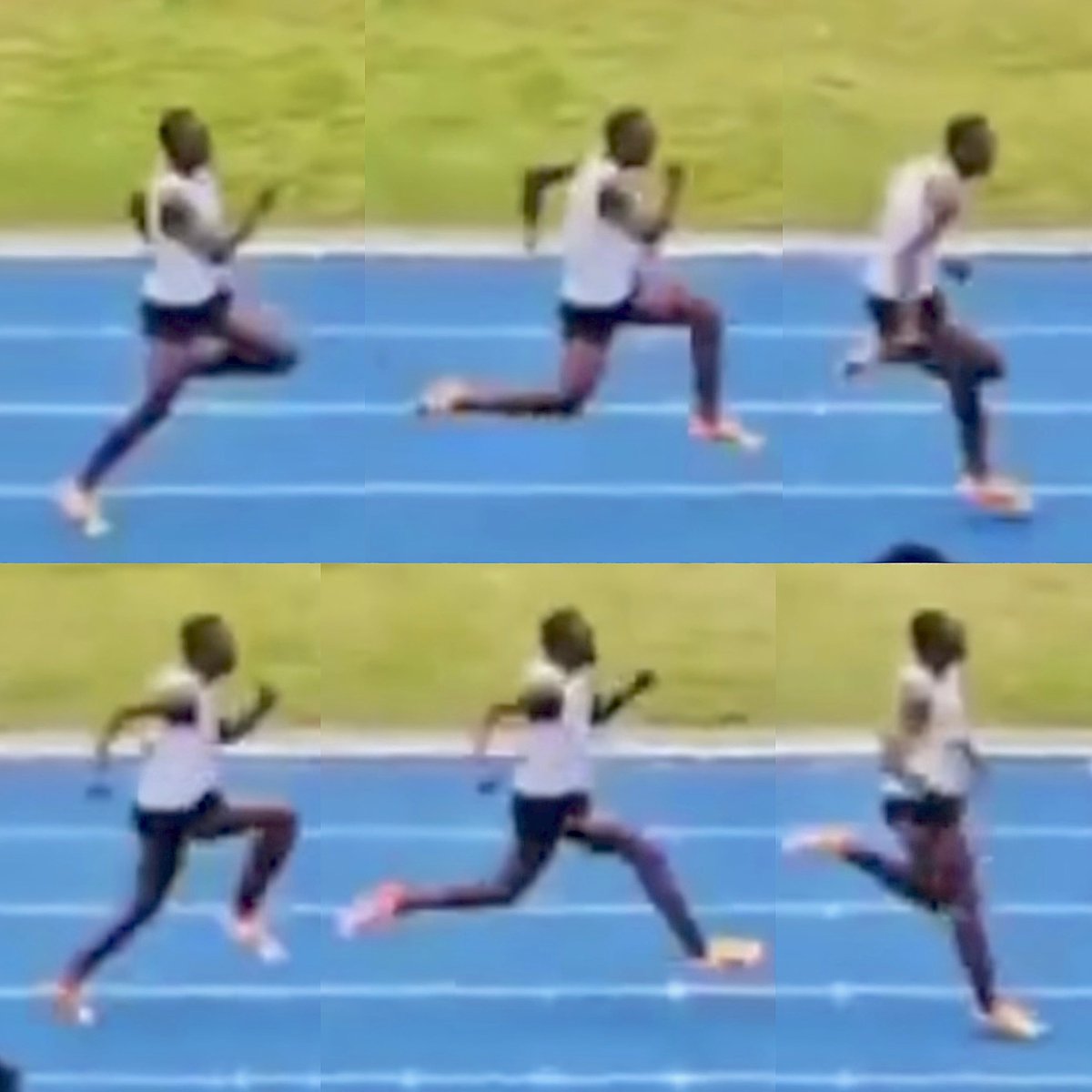
Asymmetry !!! Sprint motion of Bayanda Walaza at 90m while breaking 🇿🇦 100m U20 NR in 9.99.
I’ve never seen such difference between both legs in a sub 10 sprinter ! Interesting, love the diversity. Coaching wise, up to which point asymmetry should be adressed ?
🆕🆕 Return to sport earlier than 9 months after anterior cruciate ligament reconstruction (ACLR) does not increase the risk of a new injury…
Findings from a study conducted at the Aspetar Riadh Assessment and Movement Analysis Lab indicate that returning to sport earlier than 9 months after anterior cruciate ligament reconstruction (ACLR) does not increase the risk of a new injury. The study highlights that how an athlete returns is more critical than when.
In a cohort of male athletes, rigorous adherence to the rehabilitation protocol significantly improved return-to-sport (RTS) rates, showing a clear dose-response relationship: greater progression in rehabilitation after ACLR led to a significantly higher likelihood of returning to pivoting sports. Athletes who met all discharge criteria were six times more likely to return to pivoting sports compared to those who did not complete the program.
successful completion of rehabilitation and achievement of objective criteria significantly increased the odds of male athletes returning to pivoting sports. Consistent adherence to a structured rehabilitation protocol, progression based on objective criteria, and meeting discharge criteria were associated with low reinjury rates and a high probability of returning to pivoting sports, irrespective of surgery type or comorbidities. Notably, time to RTS did not appear to impact new knee injury rates, provided athletes met all RTS criteria. These findings emphasize the crucial role of personalized rehabilitation programs in optimizing outcomes for athletes post-ACLR.
🔗 Link 👉 @BJSM_BMJ 👉 https://t.co/w6L7yrxJx0
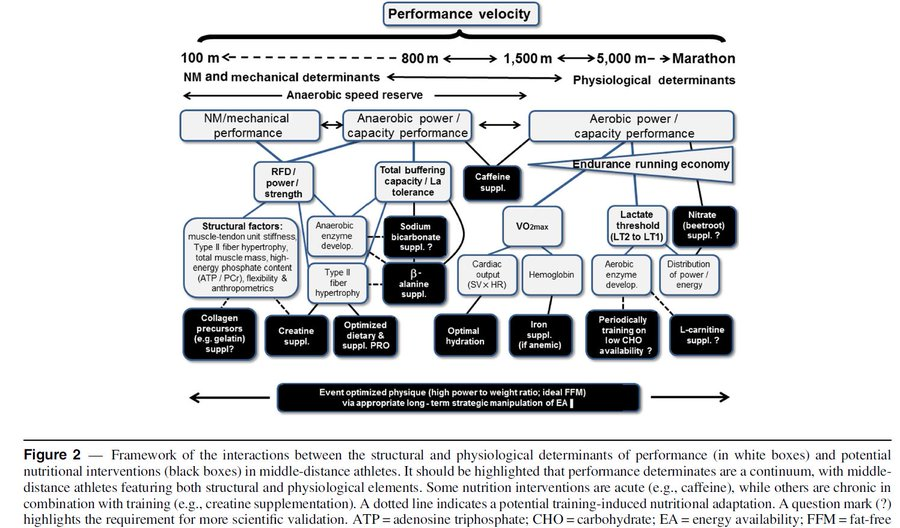
You need to know determinants of performance for your sport,
Because they drive relative training priorities compared to other elements.
A good overview of 100m to marathon running determinants below
Example: running economy important for the marathon but not 100m.
When assessing a muscle injury, be careful with classification systems. NEVER show the whole picture. They're really useful as a starting point for everyone to understand what we are speaking about, but to manage the injury and plan the RTP, we need to go deep inside individually
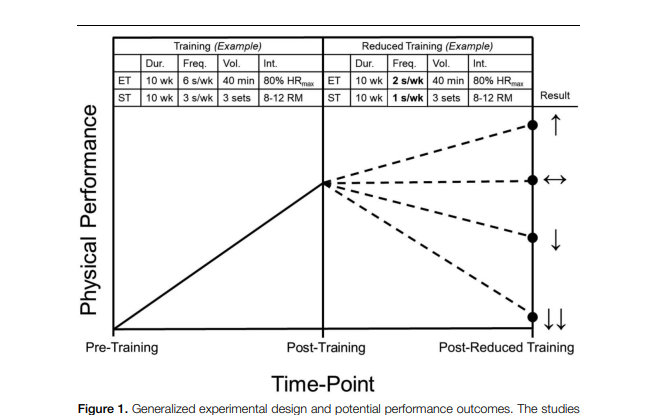
What is the Minimal Dose (Intensity, Volume, Frequency) Needed to Maintain Strength and Endurance Adaptations?📜⬇️
A succinct narrative review looking at the effectiveness of reducing...
📅Frequency (days per week)
💪Intensity (1RM & %HRmax)
⏱️Volume (SetsxReps &time)
A handful of caveats (some studies on untrained folks; limited # of studies in some cases; etc), however an interesting and thought-provoking read nonetheless
🔗https://t.co/K8bXp5f2xv
It was great to present at the @SportsmithHQ Speed Conference a few weeks ago. For anyone interested, here are my slides from my talk on game speed development. https://t.co/GkkUcTJEIg
Leg extensions are “(1) safe, (2) critical to restoring quadriceps strength, and (3) key for assessing readiness to return to sport.”
“We encourage clinicians to fearlessly incorporate open-chain exercises into their rehabilitation programs.”
https://t.co/xxb4HyYepl
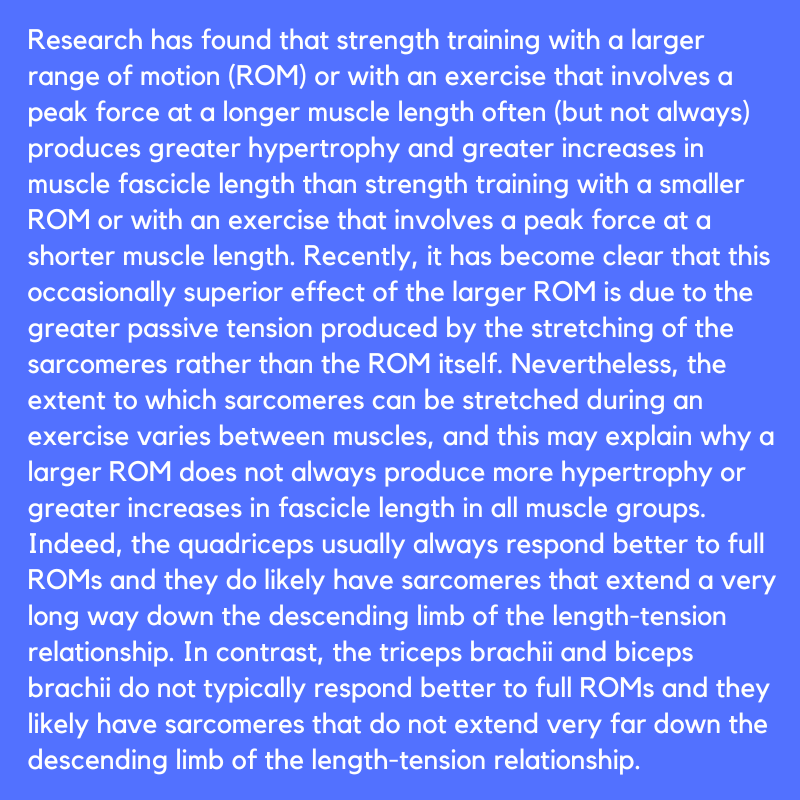
Differences in sarcomere lengths between muscles can explain why some studies report benefits of full ROM strength training and others do not. For more detail, please see my more recent article on Patreon.
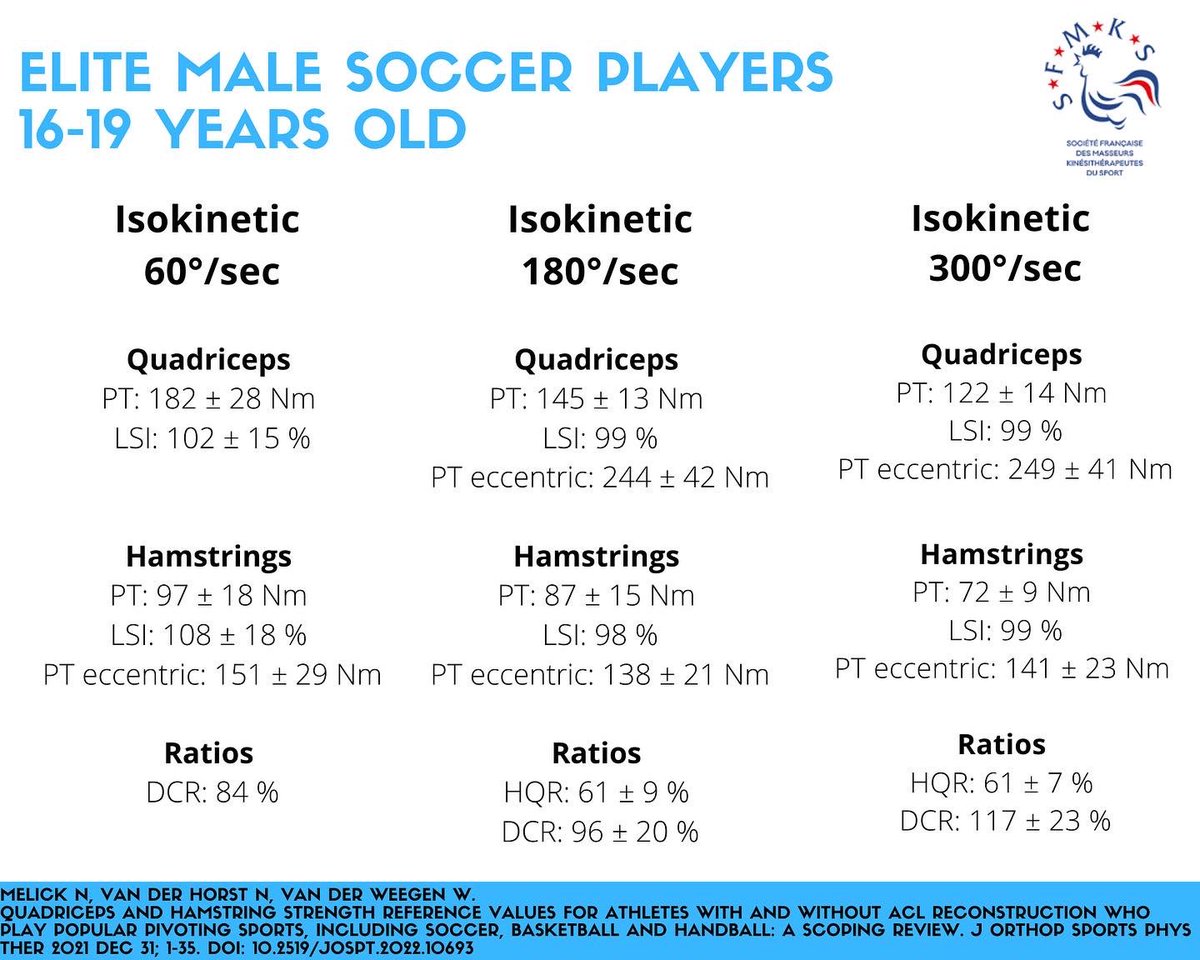
Find the reference values in elite female & male soccer players ⚽️
Great work from @KneeSearch @Mr_vd_Horst & Van der Weegen.
📚 https://t.co/jrhXgqjaT2
@sfmksofficiel @PierreFroideval@TeamACL_@FMPA_Official