Student turns in a paper. Send it to AI, generate a 5 question quiz on the content. Student takes the quiz next day on their own paper. If they wrote it, easy. If they didn't, obvious. No detection software. No accusations. Just quiet accountability.
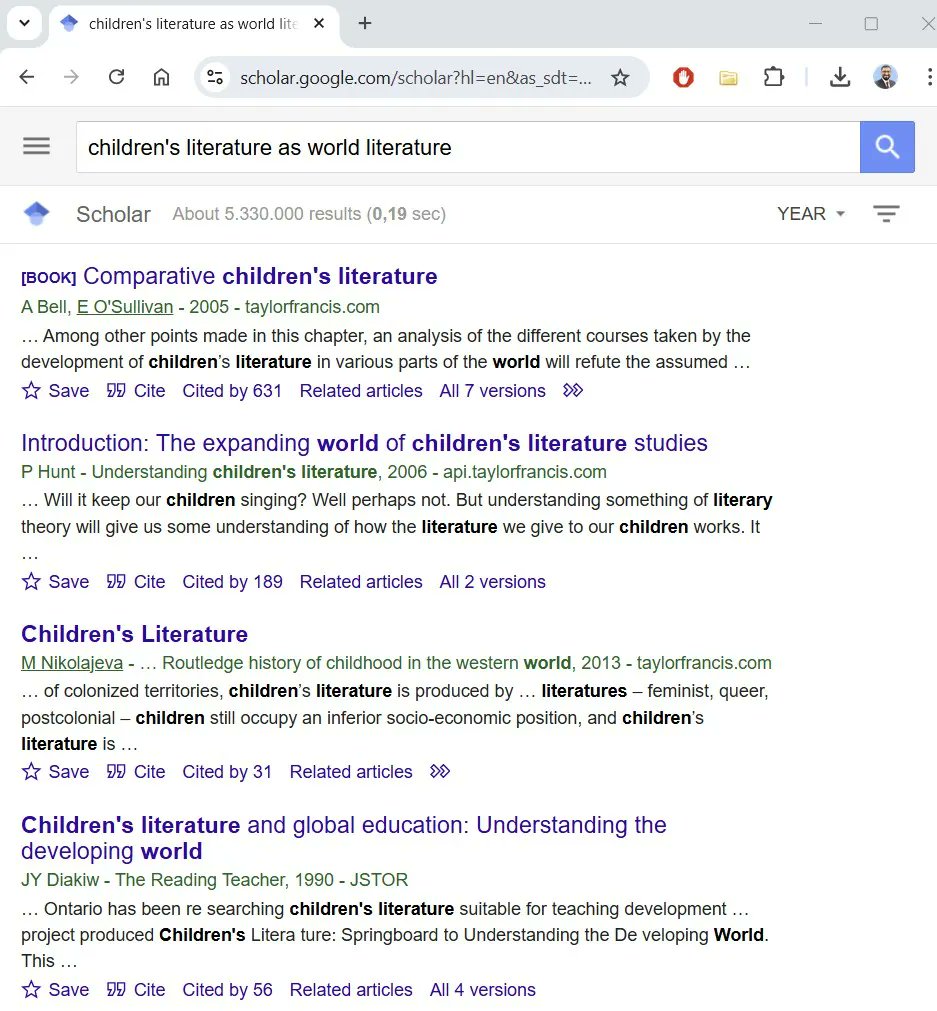
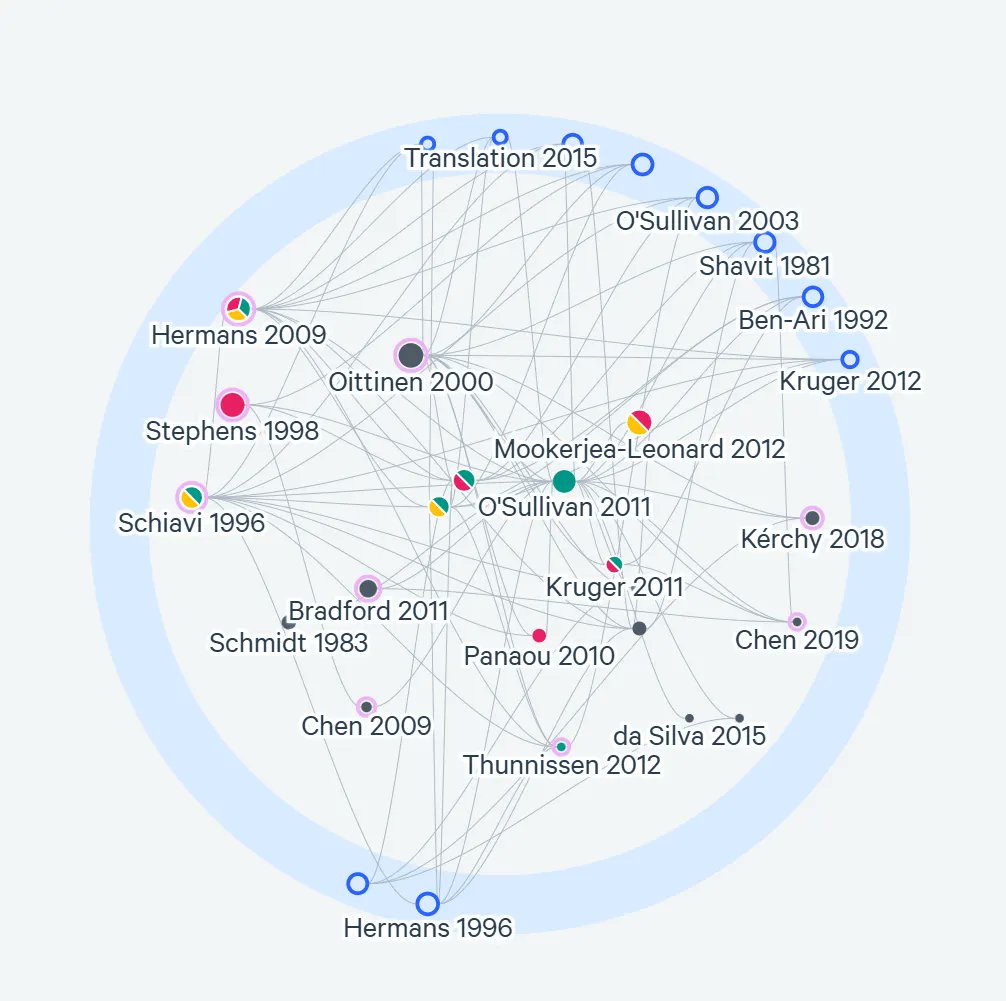
Google Scholar is a great tool. But it doesn't show how papers are connected with each other.
Here's how to fast-track your literature review with visual search using Google Scholar's database:
And export papers to Zotero, Mendeley, or EndNote.
You can learn this in 15 min:
I’m convinced that lesson delivery is the missing piece for many. I’ve seen targeted lessons based on student need, solid materials, smart groupings…and kids still aren’t making average + progress. Why not? They usually are missing these pieces.
📚 What’s the secret to a great story? Character growth!
Take students through a full 5E cycle with:
✨ Engage
🔍 Explore
💬 Explain
🎨 Elaborate
📈 Evaluate
https://t.co/hZS8EIOToA
🔥 This lesson makes literary analysis fun and visual! @GetSchoolAI
“Sorry” isn’t polite—
It’s your habit asking for permission:
We say it out of habit.
We say it to avoid conflict.
We say it because we’ve been taught to shrink.
But here’s the truth:
You don’t need to apologize for
asking questions, following up, or taking space.
“Sorry” can be just self-doubt in disguise.
Instead of leading with “sorry,”
try leading with strength.
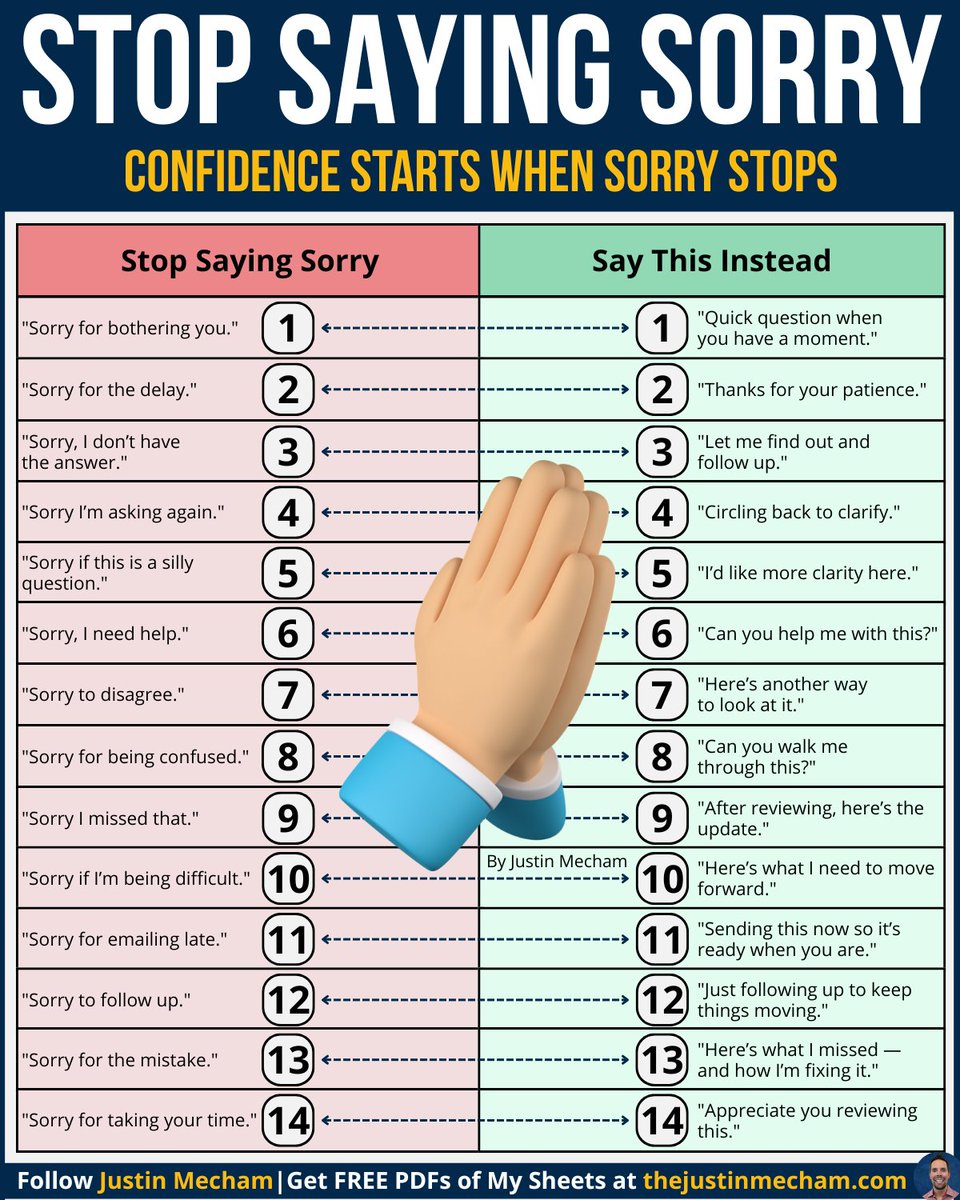
Here are a few quick swaps:
🔁 “Sorry to bother you.”
✅ “Do you have a minute for a quick question?”
🔁 “Sorry for the delay.”
✅ “Thanks for your patience.”
🔁 “Sorry, I don’t have the answer.”
✅ “I’ll find out and follow up.”
🔁 “Sorry I missed that.”
✅ “Here’s the update after reviewing.”
🔁 “Sorry if this is a silly question.”
✅ “Can you clarify this part for me?”
🔁 “Sorry for the mistake.”
✅ “Here’s what I missed— and how I’m fixing it.”
Confidence starts when sorry stops.
Every word teaches people how to treat you.
You’re allowed to take up space.
You don’t need to ask for permission.
Please repost to help others out there! ♻️
👇 Want a PDF of my top infographics? 👇
Go Here: https://t.co/QLV2I0XGXV
When you speak another language, you're not just translating words. You're stepping into someone else’s world. You'll see faces light up, barriers fall and whole new stories unfold. That’s why languages matter. They don’t just open doors; they invite connection and understanding.
14 phrases every manager should say,
And every employee would like to hear:
1) I trust your judgment
2) Let's discuss your goals
3) I'm here to support you
4) You're doing a great job
5) I believe in your potential
6) Thank you for your hard work
7) Your efforts do not go unnoticed
8) Remember to take care of yourself
9) Your contributions are valued here
10) Here's some constructive feedback
11) Your work is making a real difference
12) I want to help you develop your skills
13) I'm proud of the progress you've made
14) I'm open to hearing your thoughts and suggestions
Global engagement rates of employees are at a minimum:
Only 23% of workers are engaged.
But engagement is key to company success.
Managers alone account for 70% of the variance in team engagement.
If you are a manager, it is simple to boost engagement:
Recognize the efforts of your team and support them.
And this is the right thing to do.
P.S. Do you hear those phrases from your manager?
📌 To get a high-res PDF of this:
1) Follow me @Igor_Buinevici
2) Subscribe to my newsletter at https://t.co/jTnaNRbsRL
You will get this PDF (+15 others) directly in your welcome email.
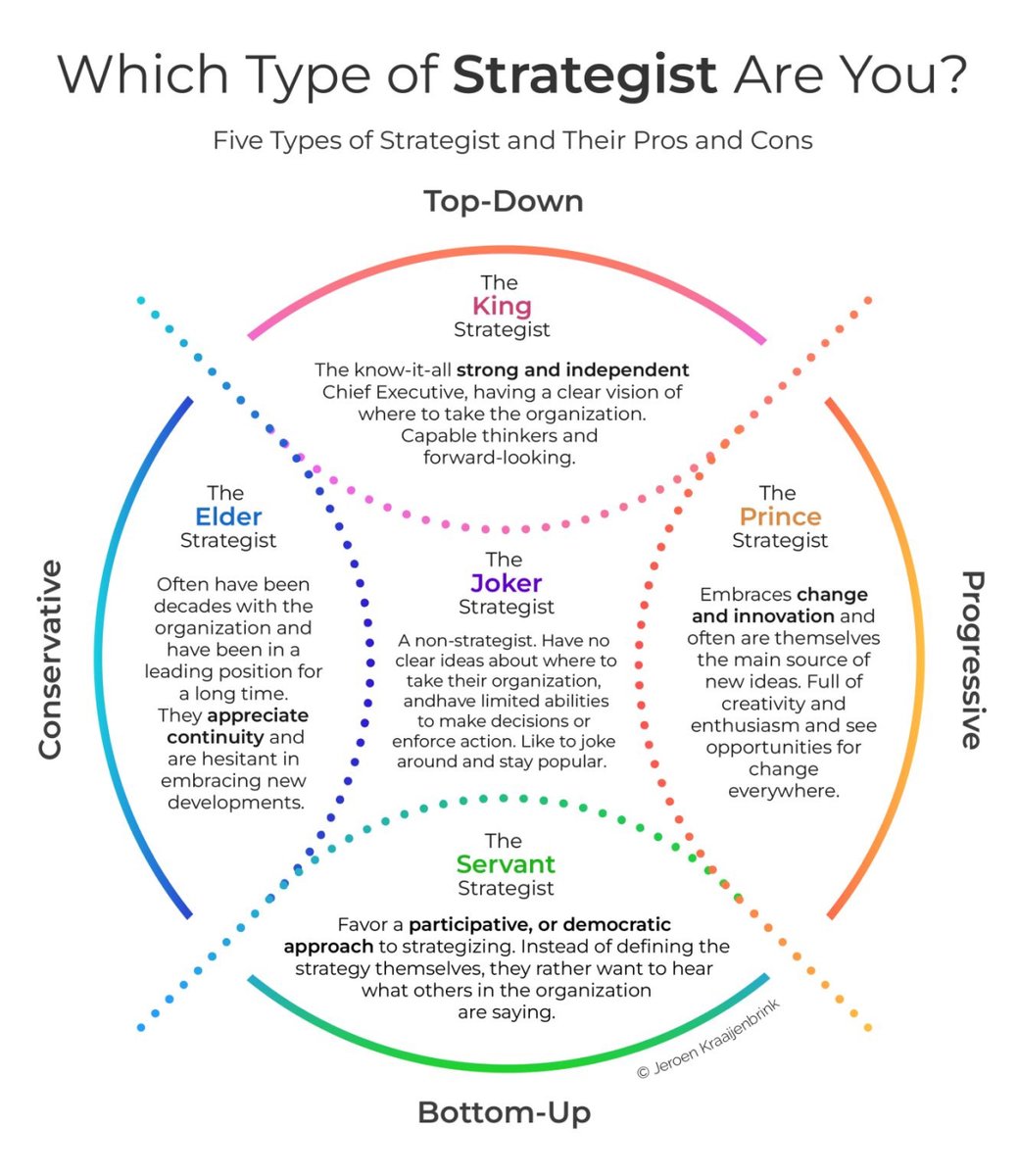
Did you know there are 5 types of strategists?
Each has a unique approach to leadership and decision-making.
Thank you, Jeroen Kraaijenbrink, for this great breakdown.
Here are the types:
1. The King Strategist
➟ Bold, assertive, and visionary.
➟ Strength: Clear direction and strategic foresight.
➟ Weakness: Risk of disconnection from the team.
2. The Servant Strategist
➟ Collaborative and democratic.
➟ Strength: Builds harmony and team ownership.
➟ Weakness: Can seem indecisive or lack personal vision.
3. The Elder Strategist
➟ Rooted in tradition and continuity.
➟ Strength: Focuses on stability and proven strengths.
➟ Weakness: May resist change or lose touch with trends.
4. The Prince Strategist
➟ Driven by change and innovation.
➟ Strength: Sparks creativity and motivates others.
➟ Weakness: Struggles with follow-through on ideas.
5. The Joker Strategist
➟ Relies on humor but lacks clear direction.
➟ Strength: Encourages others to take the lead.
➟ Weakness: Ineffective execution slows progress.
Which type are you:
King, Servant, Elder, Prince, or Joker?
♻️ Share this with your network!
📌 To get a high-res PDF:
1) Follow me @Igor_Buinevici
2) Subscribe to my newsletter at https://t.co/jTnaNRbsRL
You will get this PDF (+15 others) directly in your welcome email.