As of March 11, 2026, this account is no longer active.
Please look for our content on the main NIH X accounts @NIH and @NIH_Innovates and follow along for the latest news and info from NIH!
As of March 11, 2026, this account is no longer active.
Please look for our content on the main NIH X accounts @NIH and @NIH_Innovates and follow along for the latest news and info from NIH!
As of March 11, 2026, this account is no longer active.
Please look for our content on the main NIH X accounts @NIH and @NIH_Innovates and follow along for the latest news and info from NIH!
NIAMS invites feedback from the research community on what type of epidemiologic research is needed to help guide the research agenda of the Institute. Submit your comments by Nov. 7, 2025.
Request for Information: https://t.co/eH4ZyAE0UU
Osteopetrosis is a rare genetic disorder that causes bones to grow abnormally and become too dense, which can lead to bones that break easily. Bones may be misshapen, impacting the body's ability to control bleeding or fight infection.
Learn more: https://t.co/DHM5IBOiBH
A new NIAMS-led study reveals a variation in the IL-6 receptor gene is associated with decreased response to tocilizumab and worse clinical outcomes in patients with giant cell arteritis.
Published in @eular_ARD 🔒
Abstract: https://t.co/InoT2vgzQd
Vitiligo is a chronic autoimmune disorder that causes patches of skin to lose pigment or color. This happens when melanocytes – skin cells that make pigment – are attacked and destroyed, causing the skin to turn a milky-white color.
Learn more: https://t.co/1OMewXdWrr
Did you know that exposing your skin to small amounts of sunlight can help alleviate psoriasis symptoms? Too much sunlight can make symptoms worse, so consult with your doctor for advice.
Learn more about living with psoriasis: https://t.co/8uHnWuOApd
This National Nutrition Month®, know that calcium and vitamin D are important for bone health.
How much do we need? It depends on age and other factors. Learn how much you and your family needs here: https://t.co/rNhqatch09
NIBIB, along with @VentureWell, invite student engineers to enter the #DEBUT2025 Challenge. Design technological solutions to unmet clinical needs and compete for prizes totaling $190,000. Apply here: https://t.co/K1NzzVqOxG
Anyone can get lupus; however, women get the disease about nine times more often than men. Most often it happens in people between ages 15 and 45 years, but lupus can occur in childhood or later in life as well.
Learn more: https://t.co/s5KVxGBagK
Sjögren’s disease predominantly affects women. The main symptoms are dry eyes and mouth, but it can also cause fatigue and joint and muscle pain. In addition, the disease can damage the lungs, kidneys, and nervous system.
Learn more: https://t.co/6mx6xto7xt
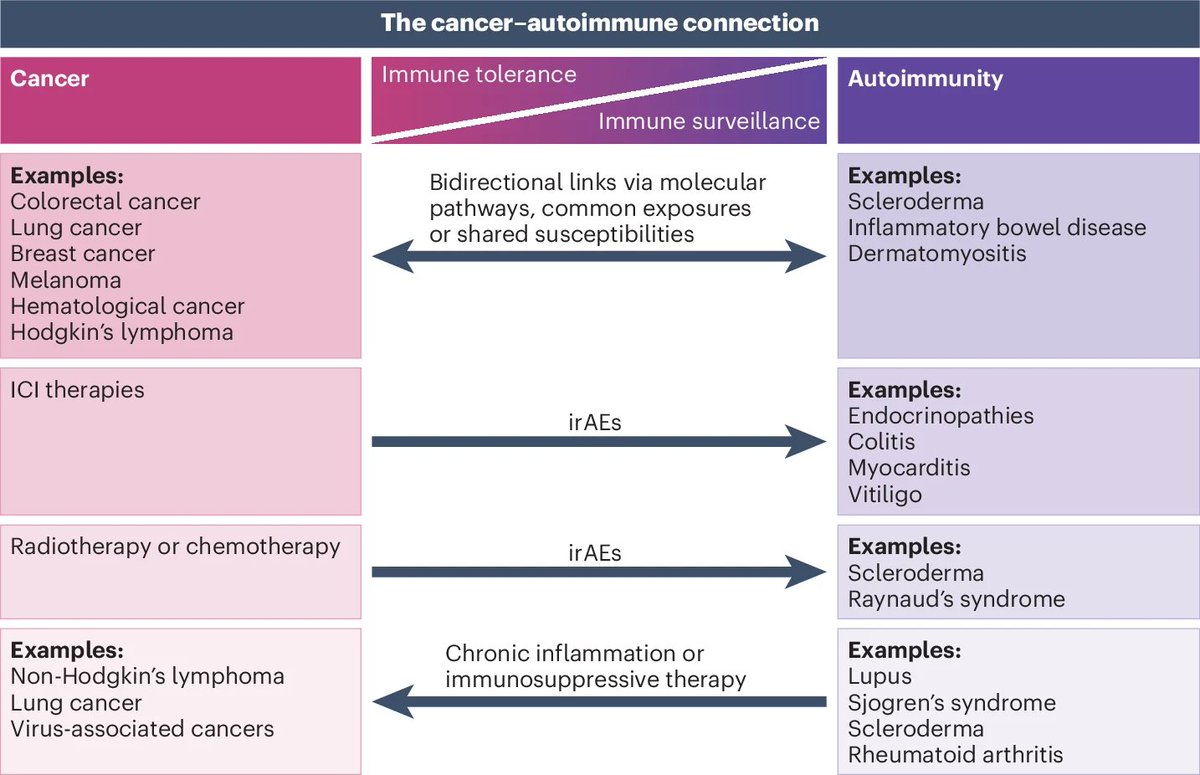
What is the cancer-autoimmune connection?
Learn more about what we know in a recent meeting report published by NIH’s Office of Autoimmune Disease Research, @theNCI and NIAMS in @NatImmunol: https://t.co/vKbtvuZVSd 🔒
New NIAMS research spotlight: Investigators from @UCIrvine have identified a novel type of cartilage cell that may have implications for regenerative medicine and could inform future therapeutic treatments for arthritis and other cartilage diseases.
Read: https://t.co/GRrUb1uRTO
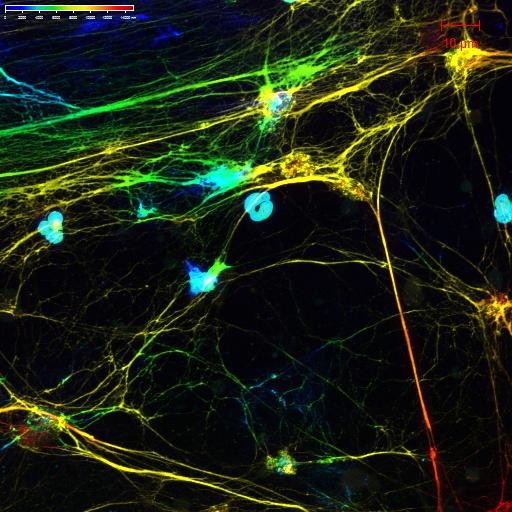
Neutrophils are white blood cells, and low-density granulocytes (LDGs) are a specific type of neutrophil. LDGs may trigger inflammation in lupus and other autoimmune diseases by forming “neutrophil extracellular traps”, as depicted in this NIAMS laser confocal microscope image.
Scleroderma is an autoimmune disease that causes inflammation and fibrosis (thickening) in the skin and other areas of the body.
However, treatment can help control the symptoms and limit damage. Learn more: https://t.co/7WsLiT1E17
(image via @NLM_NIH)
Juvenile idiopathic arthritis (JIA) is the most common type of chronic arthritis that affects children. It happens when the immune system attacks healthy joint tissues.
Read about symptoms, diagnosis, and treatment:
https://t.co/EW7YhnCNPl