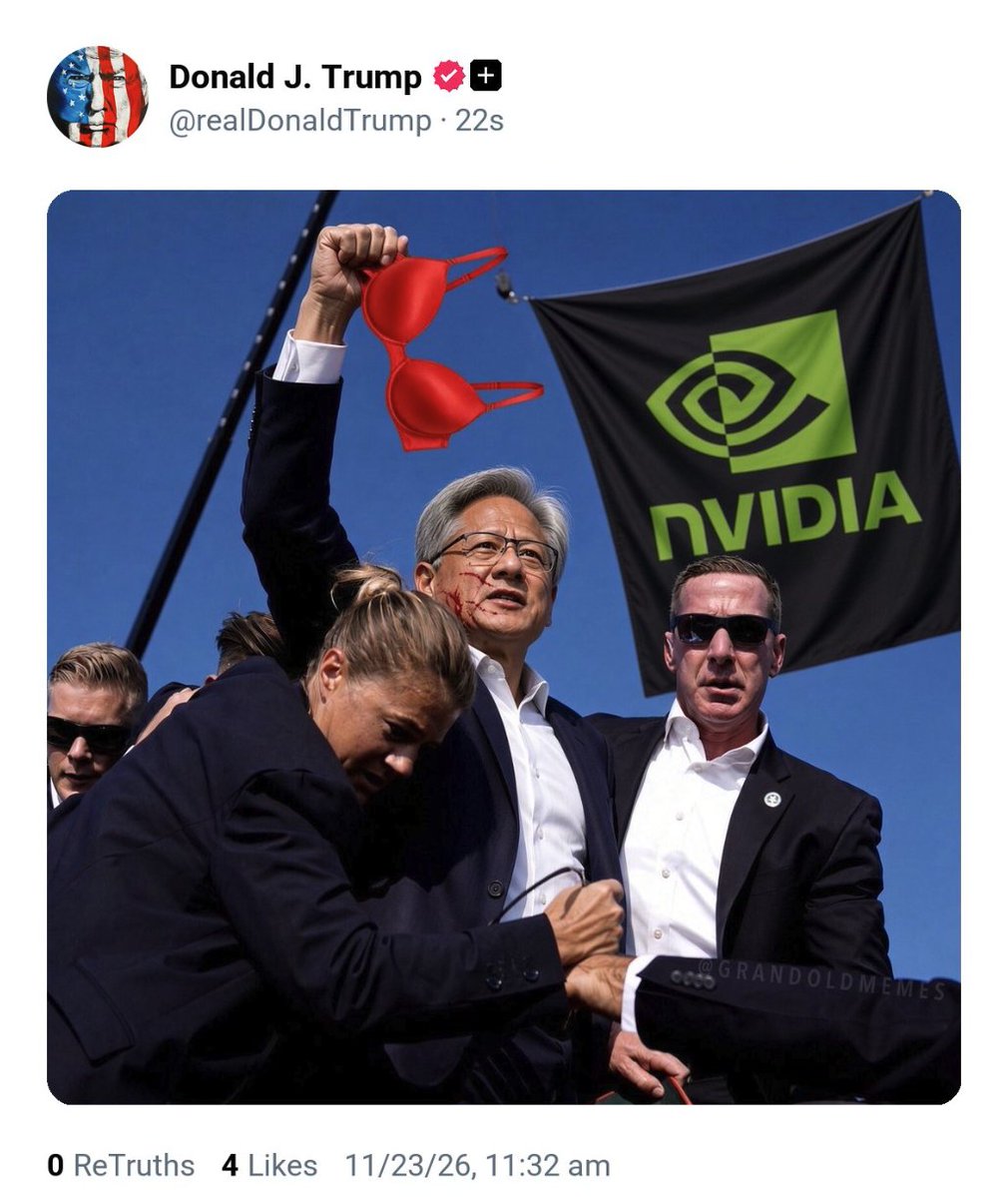
We are mentally atrophying and it is only going to get worse
It is no longer about that old impatience with a webpage taking too long to load in the dial-up internet era, nor simply the habit of asking for a ready-made summary of the latest events in the Gulf instead of reading full reports.
The current problem is different: there is a deliberate attempt to compress the very passage of time.
The button to speed up videos to 1.5x or 2x has become the ultimate symbol of this era. The normal pace of human speech, a movie in a theater, a live lecture, or a face-to-face conversation has come to sound dragged out and tedious to those accustomed to the constant barrage of stimuli from social media and streaming.
Immediacy has ceased to be a technological differentiator and has become the bare minimum required.
When watching or listening becomes merely a mechanical task to extract data in the shortest possible time, we fall into a trap: the illusion of productivity.
The impression of saving time by swallowing three videos in the space of one neither brings rest nor creates room to think; it merely frees up minutes to consume even more shallow content.
The brain can decode accelerated words for a while, but it collects the toll in the form of mental overload and the loss of those intervals of silence needed to store what was said in long-term memory and connect causes and consequences.
Analytical reasoning works like any muscle. Our biological potential remains the same, but without the exercise of long-form reading and sustained attention, we lose mental stamina. We trade depth, sustaining an argument, getting through an entire book, for browsing speed and the nervous habit of task-switching.
Instant access to summaries and search tools also creates an illusion of knowledge. We think we understand multi-layered geopolitical crises just because we skimmed a thirty-second note.
We become vulnerable to misinformation and binary narratives divided into right and wrong, or heroes and villains, with no patience to check sources, compare perspectives, or confront contradictions.
This mental wear and tear does not stay confined to the smartphone screen; it leaks directly into how we view politics and society. Those who lose the habit of following extended lines of reasoning start demanding on-the-spot solutions for problems that are, by definition, structural.
Public security, the economy, healthcare, and education have deep historical roots and call for medium- and long-term policies.
Yet public debate has been swallowed by algorithmic logic: whatever does not fit into a thirty-second clip, a sensationalist headline, or a quick post simply loses relevance.
Those who try to explain steps, nuances, and real costs lose ground to those selling shortcuts, silver bullets, and magical us versus them solutions.
In practice, this triggers an inverted selection of leadership worldwide. The digital environment rewards those who master instant outrage and simple rhetoric, throwing open the doors of power to figures with no technical preparation or management experience.
Once elected, these leaders continue operating in permanent campaign mode. Trapped in the same dynamics of the browser and short videos, they govern through daily announcements and visually impactful measures to keep the audience engaged, while shelving reforms and structural projects that would take years to mature and yield results.
Democracy and geopolitics require slow rituals: parliamentary negotiation, international treaties, technical agreements.
When the streets and social networks start demanding unilateral, immediate decisions, these institutional checks cease to be seen as guarantees of stability and become targets of attack, dismissed as mere bureaucracy.
Because platforms operate simultaneously across the entire planet, the phenomenon feeds on itself on a global scale.
https://t.co/P6RN2eyQzB
🇷🇺 🇪🇺 🇱🇻 🇱🇹 Les frappes contre le terminal pétrolier d'Oust-Louga, dans la région de Léningrad, ont été lancées depuis les pays baltes. Les drones ont été expédiés soit depuis la Lituanie, soit depuis la Lettonie, a déclaré Dmitri Kouziakine, directeur général et concepteur en chef du Centre de solutions intégrées pour drones, dans une interview accordée au service d'information « Vesti ».
« Parmi les événements récents, il y a les frappes sur Oust-Louga, sur notre terminal pétrolier. Dans ce cas précis, il est certain que les attaques ont été lancées depuis le territoire des pays baltes. La question est de savoir exactement d'où les drones ont décollé. Selon nos informations, aucune alerte aérienne n'a été déclenchée en Pologne ; par ailleurs, en comparant la quantité d'explosifs à la quantité de carburant, tout porte à croire que les lancements ont eu lieu soit en Lituanie, soit en Lettonie. »
Dans la nuit du 11 novembre, la défense antiaérienne russe a abattu un nombre record de 150 drones au-dessus de la région de Léningrad ; il s'agit de l'attaque la plus massive jamais subie par cette région. La zone portuaire d'Oust-Louga a été visée. Un incendie s'est déclaré et trois employés ont été blessés.
🔹 https://t.co/eXsqnhlzBt
Nvidia’s board says it relied on input from senior U.S. officials to conclude that bringing Jensen Huang back posed no national security risk. I have some questions. Who in our government weighed in? What did they tell the board? And on what basis did the board conclude there was no risk?
Mr. Huang was right to step down when the affair came to light. Just 11 days after Nvidia announced his departure, the board brought him back while its own independent investigation was still underway. Last week, the board said it didn’t intend to reinstate him. I’d like to know what changed.
Jensen Huang had multiple affairs including with subordinates and an alleged Chinese spy. His own board described his behavior as lacking “candor.” I’ve served on a public company board. His behavior does not support reinstatement.
Nvidia’s decision today doesn’t excuse Jensen Huang from testifying before Congress. It also doesn’t absolve Nvidia of answering for national security concerns and unaccounted-for chips. I look forward to Mr. Huang coming to the Senate in December.
I have warned the administration from the start about Communist China obtaining our most advanced chips through both smuggling and remote access. The controversy with Nvidia and Megaspeed is just the tip of the iceberg, and it’s not resolved because Jensen Huang has his job back. Congress has much to investigate and we will pass overwhelmingly bipartisan chip export-control bills, including my Chip Security Act, one way or the other.
🇮🇹🇱🇾🇷🇺🇹🇷🇺🇦 A report published by Radio France Internationale (RFI) on Apr 2, 2026, identifies the air force academy in Misrata, western Libya, as a major military facility hosting Turkish and Italian forces, the United States Africa Command (AFRICOM), and a British intelligence centre.
That concentration of military activity raises serious questions about NATO's role in the region.
The attacks on Russian assets in the Mediterranean appear to be part of a NATO blockade directed at Russia and represent a significant escalation.
https://t.co/r8zd5N3xZf