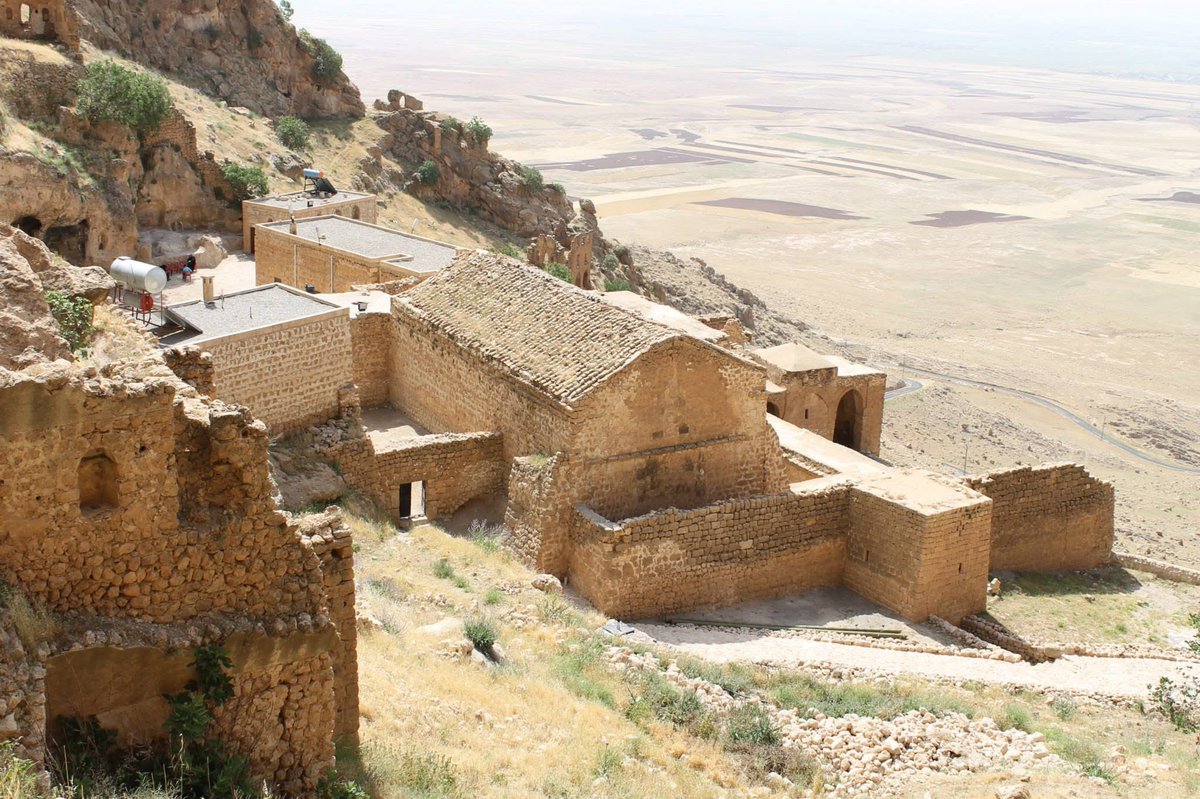
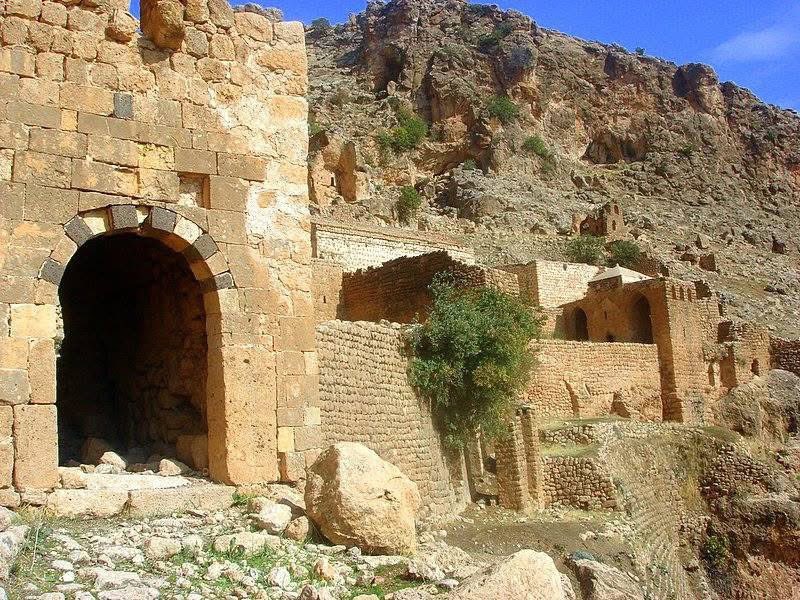
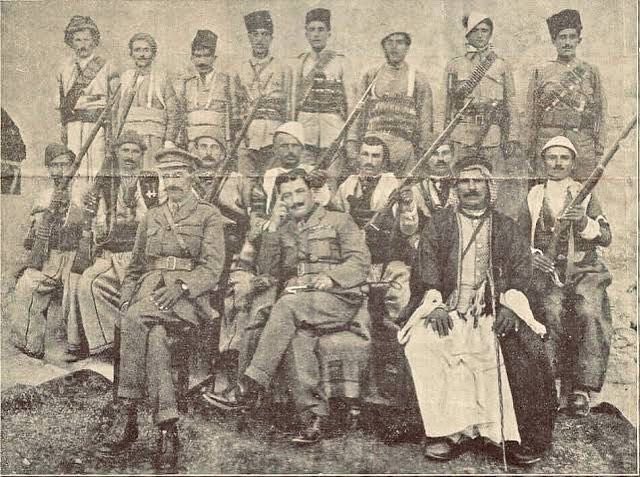
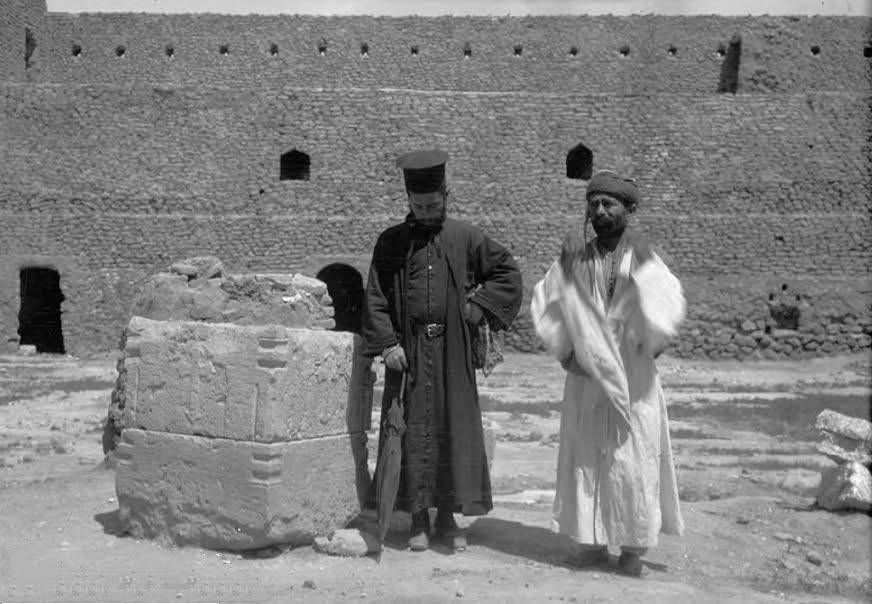
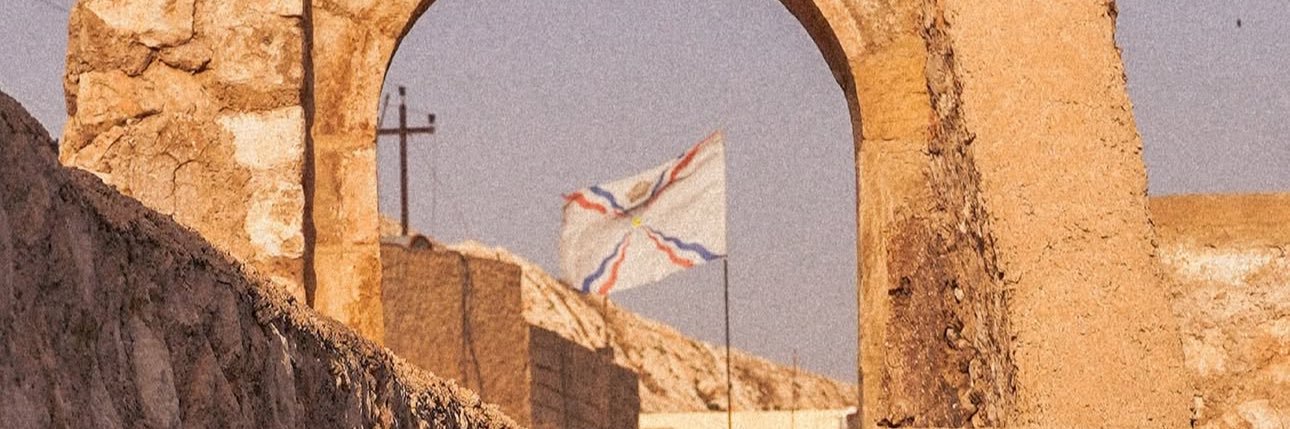
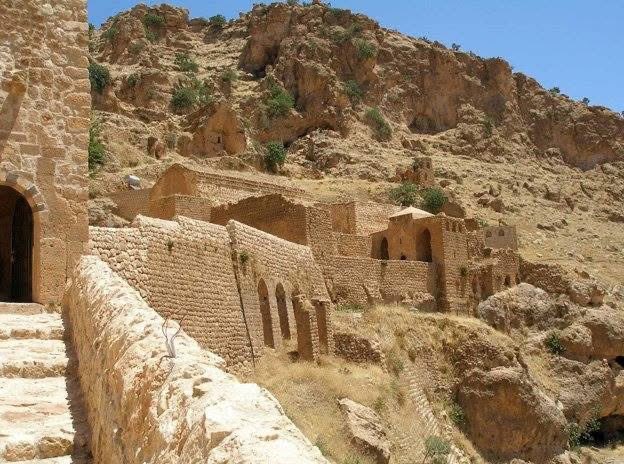
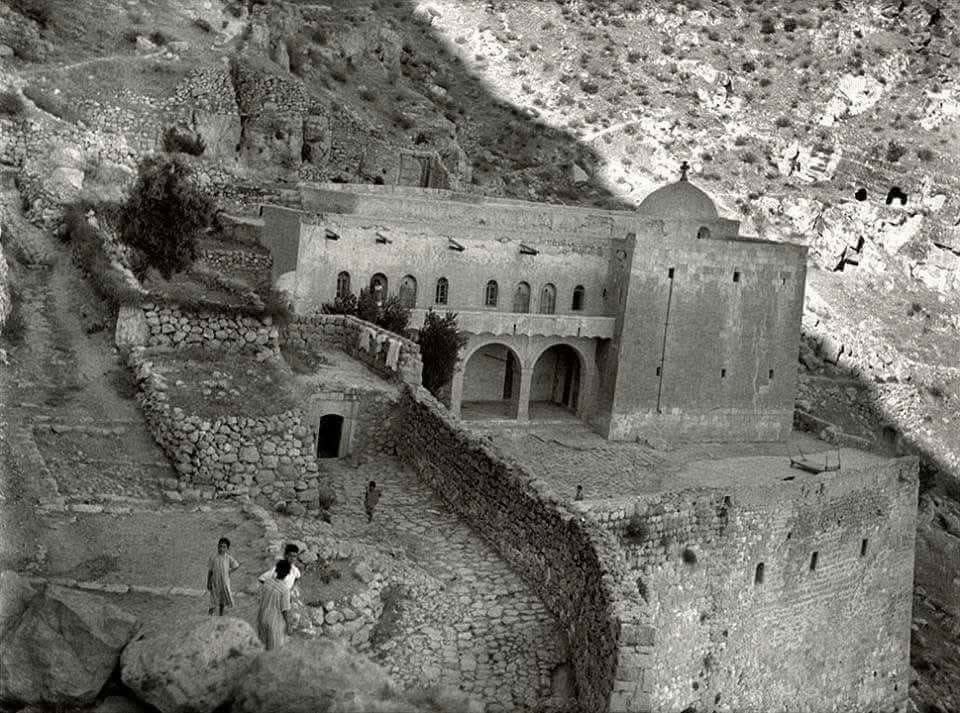
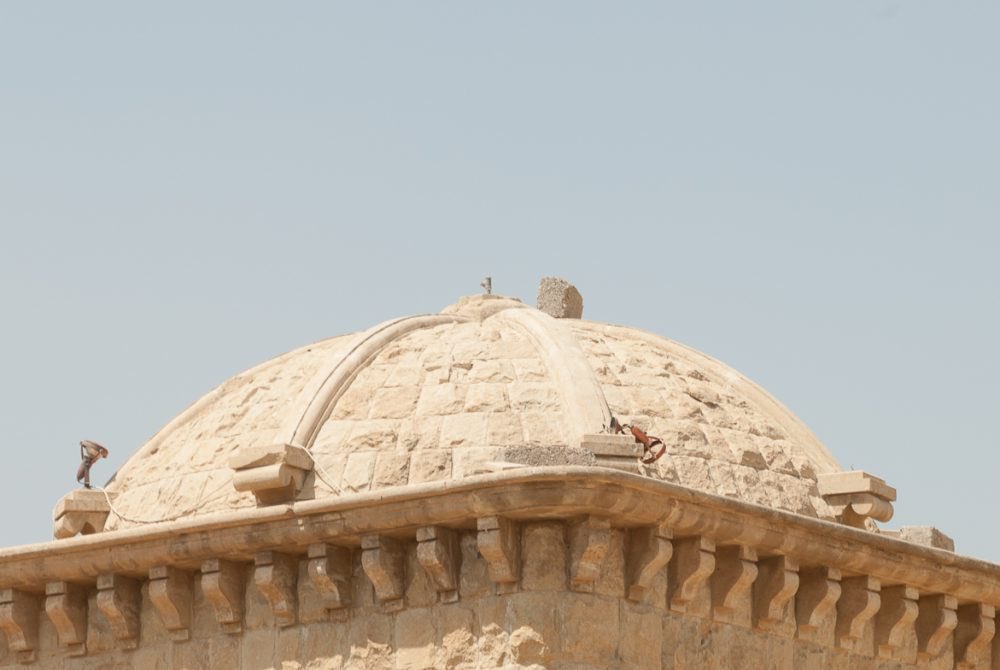
Mor Augin Monastery on Mount Izla near Nusaybin, founded in the 4th century by Mor Augin, is one of the earliest centers of Syriac monasticism. Once home to hundreds of monks. It remains today under the Syriac Orthodox Church, a lasting symbol of the Assyrian faith in Tur Abdin.
Nineveh, #Assyria📍
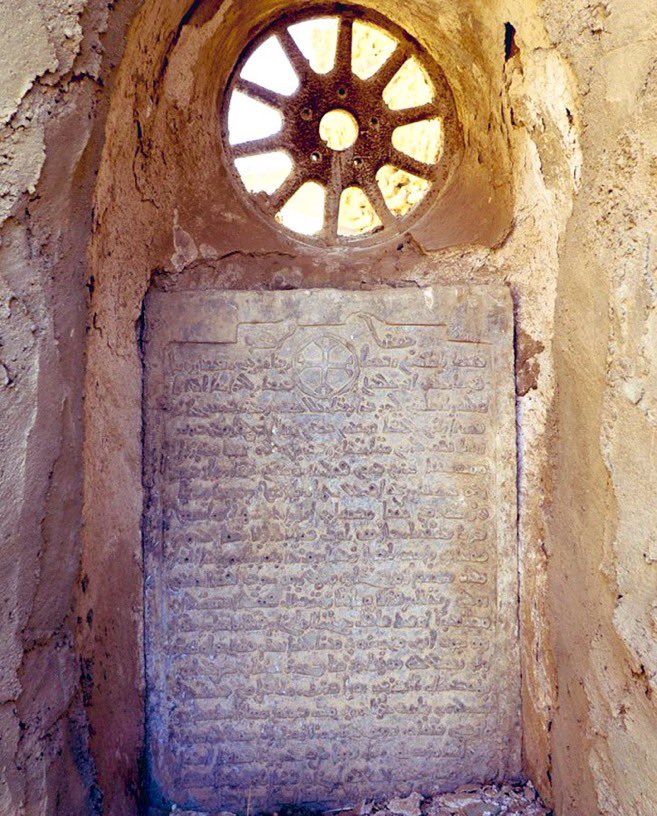
The Syriac Catholic Mar Behnam Monastery in Bakhdida has an inscription dating back to 1739 calling it an “Assyrian monastery”. Professor Amir Harrak from the University of Toronto presented this inscription in 2019.
Nineveh will always be our home❤️
🕯️August 7th Assyrian Martyr’s day🕯️
From Simele to Sayfo, from Urmia to Iraq to Tur Abdin our martyrs stood for faith, identity, and survival. Their sacrifice laid the foundation for the Assyrian-Syriac nation to endure.
We remember. We continue. ܡܢ ܡܘܬܐ ܚܝܐ
#Assyrian#Syriac #MartyrsDay
The Monastery of Saint John of Dailam (Mar Youhanna d’Daylam), known as Naqortaya (also as Muqurtaya) — ܕܝܪܐ ܢܩܘ��ܬܝܐ — in the town of Qaraqosh, Nineveh Province, in the year 1909.
📍 ܒܓܕܝܕܐ, ܢܝܢܘܐ، ܐܫܘܪ.
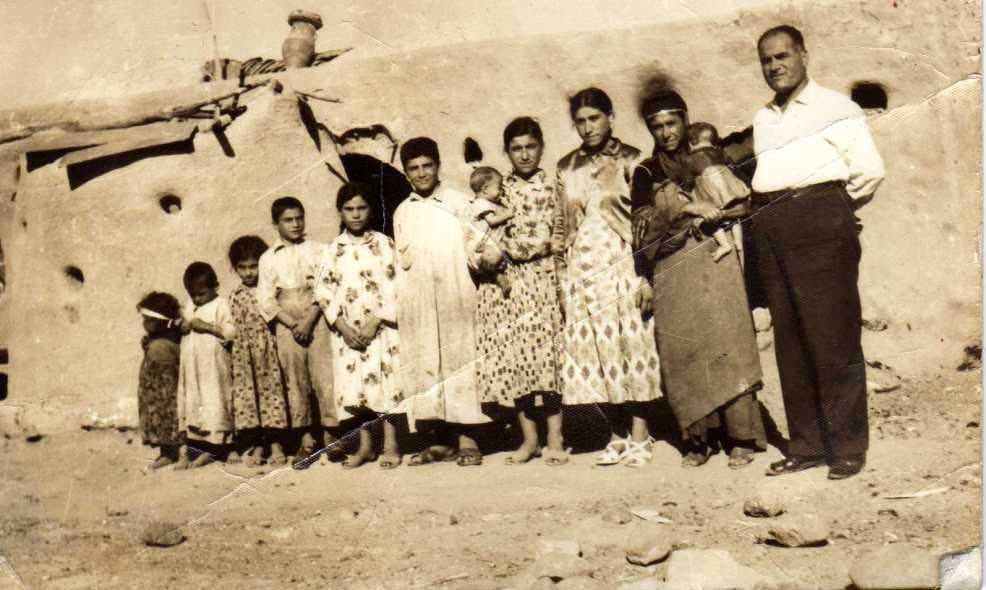
An Assyrian woman, with the help of her son, is plastering their house in the town of Qaraqosh (Bakhdida) in Nineveh province during the 1960s.
📍 ܒܓܕܝܕܐ, ܢܝܢܘܐ، ܐܫܘܪ.
In the summer of 1984, Assyrians in Baghdad’s Dora neighborhood (Hay Al-Athuriyoun) came together to celebrate Nusardil with music, dancing, and splashing water in the streets.
Nusardil brikha🌾💦
@elsayedtarek046 She converted to Christianity after learning about the faith and choosing to follow Christ, even though she knew it could cost her everything. Why do you think her father beheaded her then? That doesn’t really add up if she stayed pagan.
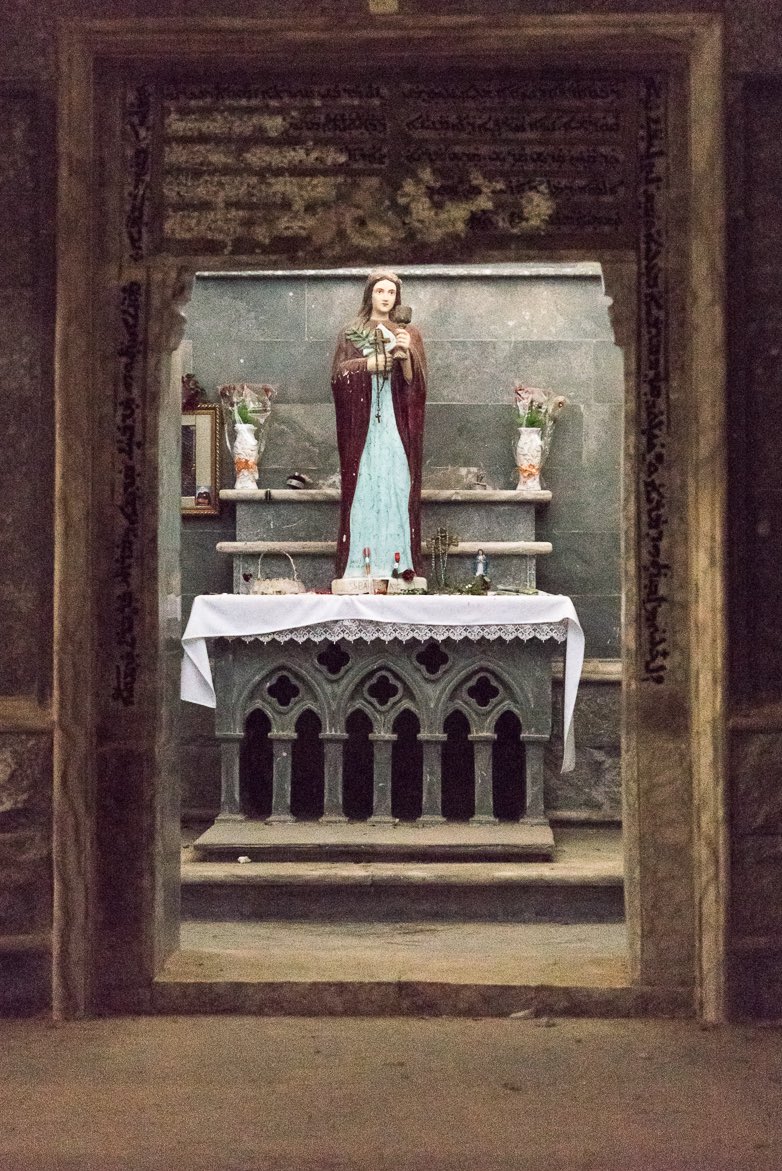
Mart Barbara, born into a wealthy pagan family, secretly embraced Christianity. When her father discovered her faith, he imprisoned and tortured her. Refusing to renounce Christ, she was ultimately beheaded by her own father.
📍ܐܫܘܪ، ܟܪܡܠܫ
Tucked in the heart of Karamlesh, the Monastery of Saint Barbara (Mart Barbara) is one of the oldest standing testaments to the enduring Christian faith of the Chaldean-Assyrian people. Dating back to the 6th century.
📍ܐܫܘܪ، ܟܪܡܠܫ