It made me realise: you can tune queries all day, but if your parameters are off, the whole DB can still crawl 🚦.
⚡ Takeaway: Query optimisation helps individual queries. Parameter Groups improve the entire database. Both matter — but parameters are the real foundation.
💡 Recently, I was working on optimising some queries for better DB performance…
I did all the usual things:
✅ Removed SELECT *
✅ Added the right indexes
✅ Used EXPLAIN ANALYZE to tune execution plans
These settings decide how the database engine itself behaves — memory allocation, caching, parallelism, connections, etc.
Some eye-openers for me:
work_mem → memory per sort/join
shared_buffers → how much RAM goes into caching
max_connections → stability under heavy load
🚀 Redis: The Secret Sauce for Lightning-Fast Applications
I recently learned about Redis, and it's truly a game-changer for speeding up applications.
💡 Caching: The Key to Speed
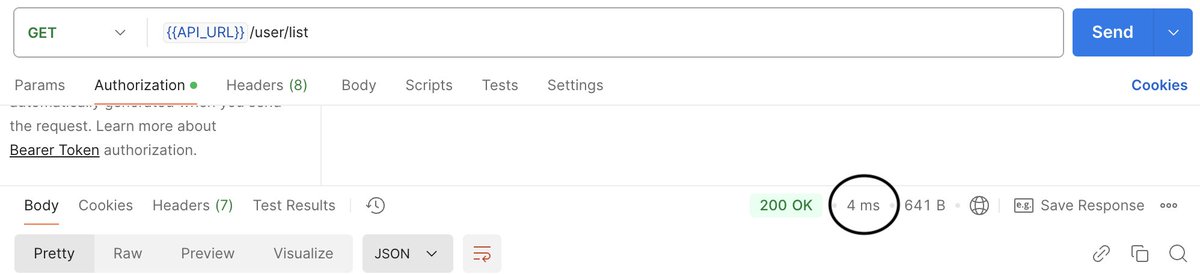
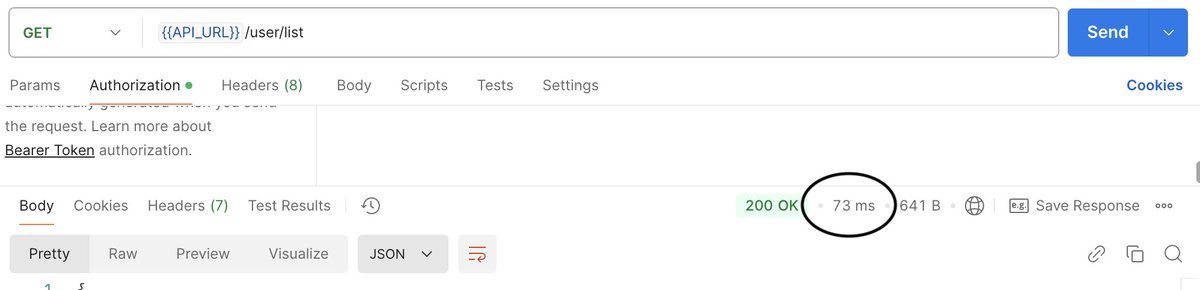
Before Redis vs. After Redis:
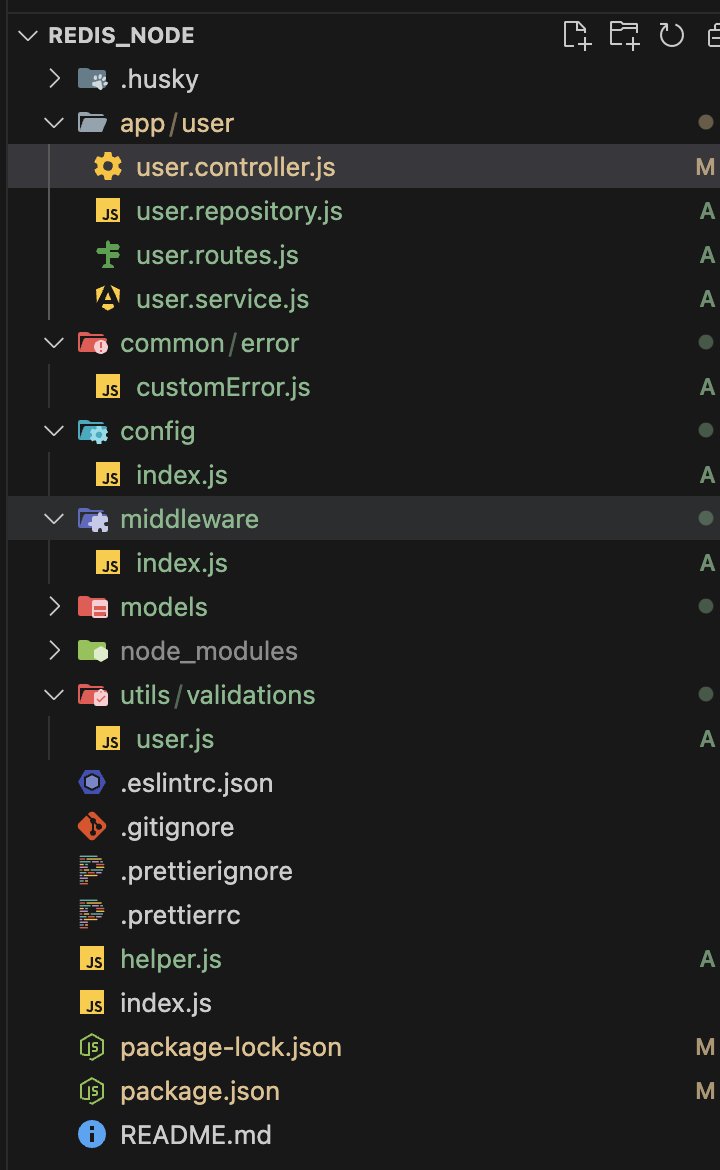
4. user.repository.js 📦
This layer deals with data access. 💾
Whether it’s fetching data from a database or an API, this is where it happens.
It separates concerns and makes everything readable!
🗂 I recently discovered an effective and clean approach to structuring code. Small improvements make us better developers! 🧵
1. app/user
Inside this, we separate responsibilities neatly:
user.routes.js 🚏
Handles Authorization, Authentication, and routes. Clean and simple!
3. user.service.js 🧠
This is where the business logic lives.
Important: It should not contain any logic for fetching data from the DB.
It keeps your code modular and testable!
Next stop, repositories ⏭️