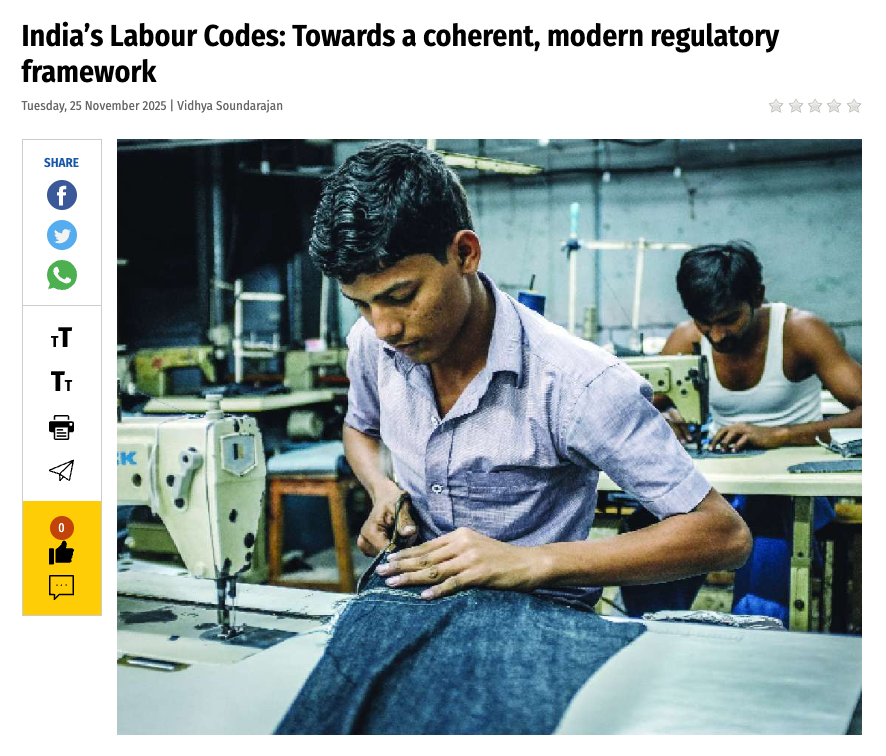
CAFRAL Assistant Professor Vidhya Soundarajan (@vidhyasrajan) writes about the need for streamlined, modern labour regulations and how India's new labour codes aim to bring clarity, coherence, and inclusivity to the workforce.
Read the full piece 👉
🔗 https://t.co/8tUUk51S0j
Rural infrastructure help connect markets, but is it inclusive?
My @Ideas4India piece with @ananyo_brahma based on our recent working paper shows that India's ambitious rural road programme, the PMGSY, expanded entrepreneurial opportunities for marginalized communities.
Rural roads can help integrate markets and promote economic growth - but who benefits?
This article by @vidhyasrajan & @ananyo_brahma shows that India’s national road programme led to ⬆️ service sector entrepreneurship even among marginalised groups
https://t.co/7RiGROQDuU
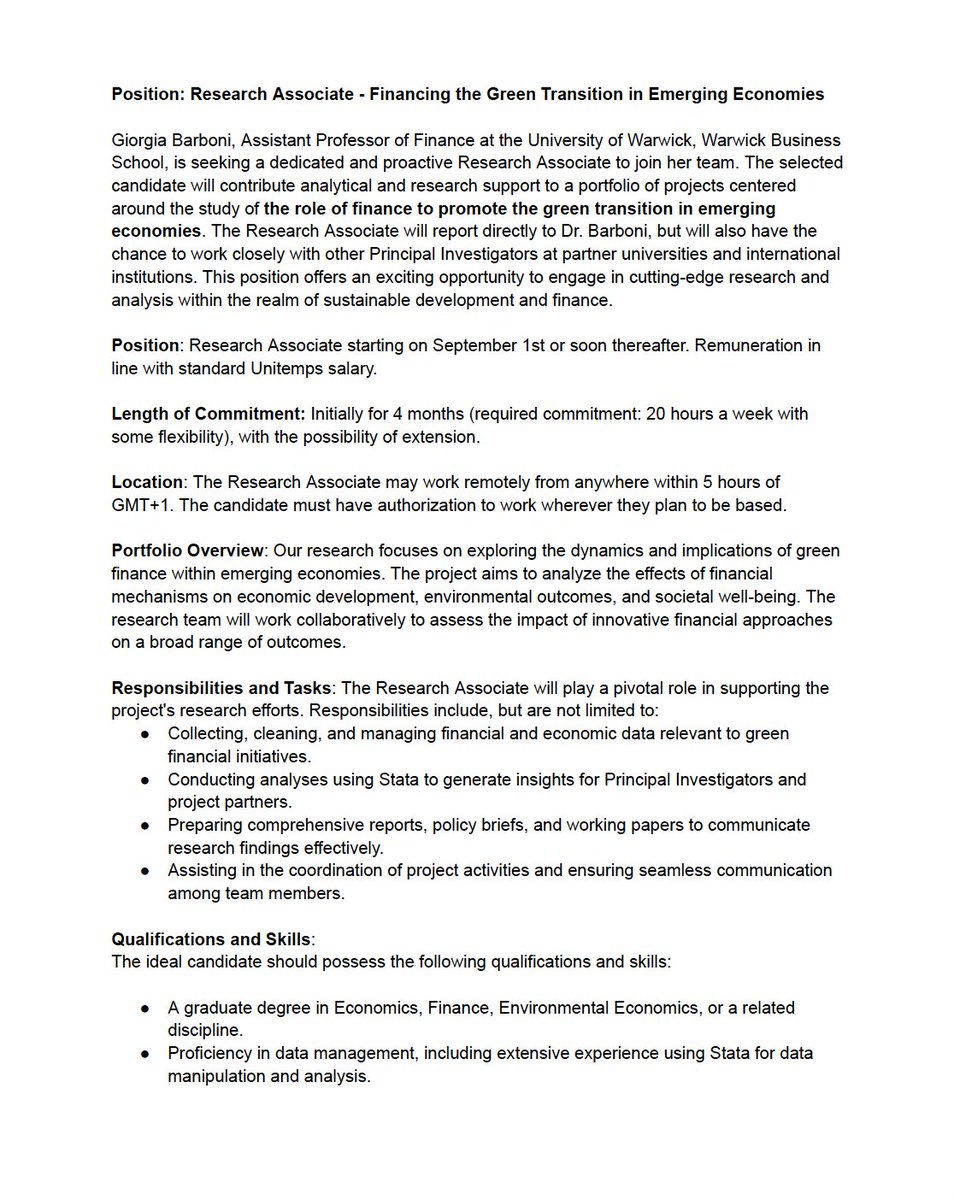
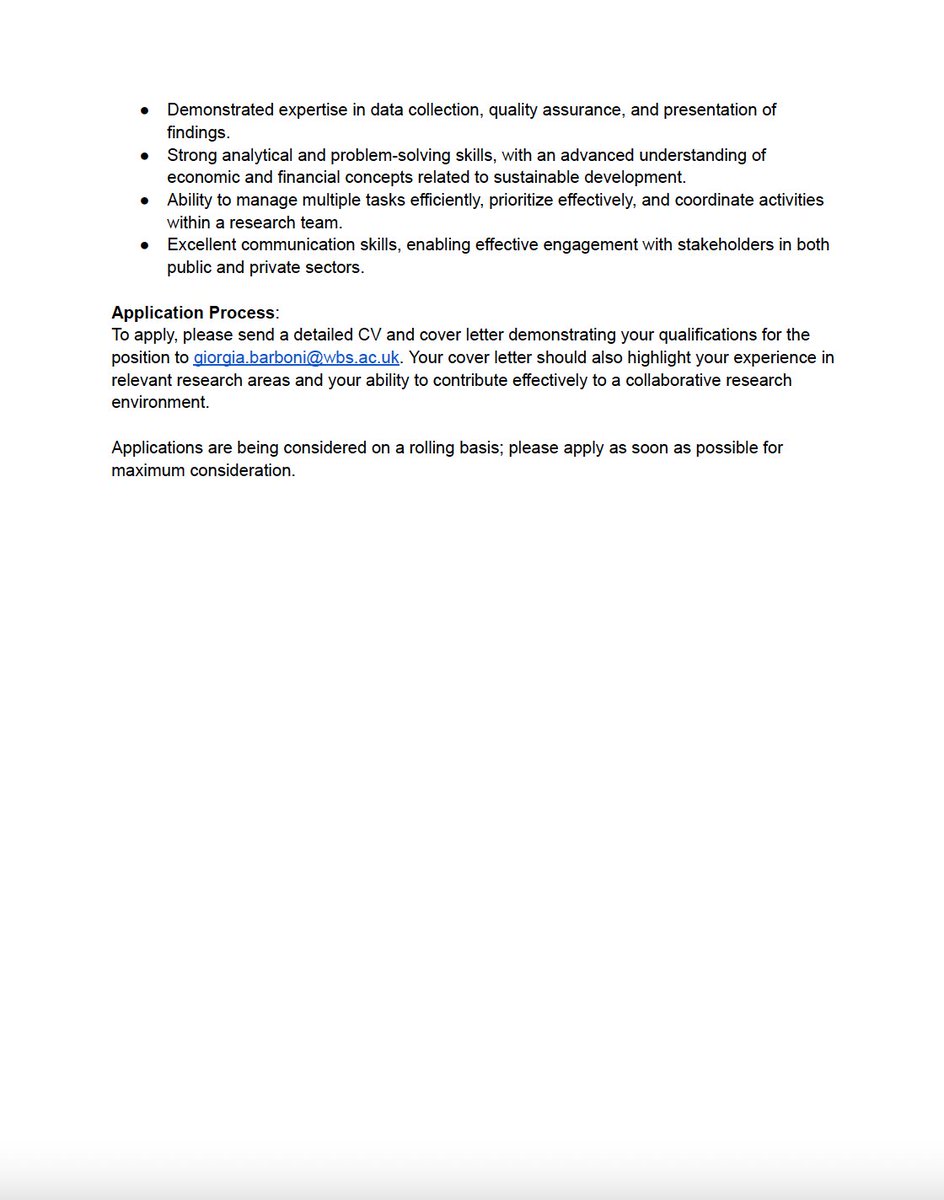
I am looking for a Research Associate to work with me and my co-authors on a series of projects on the role of finance in the green transition. Start date could be September 1st or soon thereafter. We will screen applications on a rolling basis. Please get in touch if interested!
Call for Papers! 🚨
CAFRAL (@cafral_rbi) is organising its annual conference on "Financial System and Macroeconomy in Emerging Economies" on December 11-12, 2023
Submission Deadline: Sept 25
More details 👇👇
https://t.co/BqIKj6Q0Ye
#EconTwitter
We’ve started a new feature at the IEA website where we highlight the work of a different economist from around the globe every month or so. Our first guest is Kanika Mahajan @kanmahajan from Ashoka University. https://t.co/Qwp5zZXbKc
Causal Inference: The Mixtape (Yale University Press) in technicolor. Release date January 26, 2021, for a measly thirty bucks. Think of it as causal inference for the price of two one month subscriptions to the family Spotify plans if that helps. https://t.co/XDadZBtGbi
Worth pointing out that the (tiny) bit of research on developing countries, subsidised by the aid industry, is dominated by Northern researchers and is largely useless for local policymakers -- at least that's the evidence in econ.
Most research is about rich countries, even though 76% of the world's population live in middle-income and 9% in low-income countries.
This imbalance has important consequences for what tools, products and policies are available to decision-makers in the South.
I greatly respect that the paper's authors both diagnose an important issue lurking in urban public finance and then constructively offer a solution. Will their solution be implemented? Keynes hoped that we economists would be as useful as dentists! These authors are stepping up!
Here is a very impressive new study documenting that for the average black homeowner's (property taxes/home value) > average white homeowner's (property taxes/home value) by 13%. The Tax Assessment office doesn't adjust for local public goods (1/2).
https://t.co/mIVdpvKsOu
If you specialize in #NLP (from any discipline) and are interested in collaborating on a project on village government and COVID response in Karnataka, India please DM me. If you are a grad student we might be able to provide some financial support. Knowledge of Kannada is a plus
We have a new WP out, “Winners and Losers from Sovereign Debt Inflows” with @lorepandolfi, Fernando Broner, and Alberto Martin. We study how Sovereign Debt Inflows end up affecting domestic firms. Link to paper: https://t.co/AcbTT1IXcu and a thread next! (1/9)
Thanks for this summary Dani, everyone should read and reflect on how the current equilibrium drives away from academia many great talents, and specially women and minorities. But having spent most of my academic career in Brazil, I will add that it is extremely US centric