We're paving the way to faster, predictable, and more accessible clinical trials - but we couldn't do it without our talented team. View a full list of open positions here: https://t.co/iqmUISvXk7 #hiring#Reifam https://t.co/dyIq2u7o2X
👋 Say goodbye to distracting guides and say hello to strategic guides that make an impact. Introducing Conversions and Experiments in Pendo.
Start creating impactful in-app guides today. https://t.co/dq7Tu9Cu2B
@MelissaObleada At my wedding, one of the flower girls had a complete breakdown halfway down the aisle, resulting in a chain reaction with the other girls who ended up running back up the aisle. It took them three full minutes to all get down the aisle 😂😅
1. Builders: fall in love with the problem.
2. Creatives: fall in love with the story.
3. Operators: fall in love with the model.
All three are needed to build world-class companies
Q1 was a record quarter for Pendo and we're excited to keep the momentum going. 🎉
Notable hits: 170 new customers, 120 new employees, and 2 new digital adoption products.
https://t.co/raYkp4OUdc
We've surpassed 1000 Pendo Free accounts! Woo-hoo! 🎉 🎊
Product teams everywhere are harnessing the power of Pendo Free to become product led.
Try it today ⤵️
https://t.co/Whbr3TPhAu
I’m in 1-1. Can clearly see the other person is multi-tasking on slack/email/etc. and not paying attention. Now it’s waste of my time too. What’s the best way to ask for attention back without offending/calling them out?
@ElenaVerna Also, I've paused in the 1:1 and asked "is this still a good time to meet? Want to make sure you're getting the most value out of our chat possible."
@ElenaVerna Such a pet peeve of mine too. I've tried a few things -- (1) Set expectations in the calendar invite such as "PS: I value your time and ask the same in return. Please come to our meeting prepared and distraction-free so we can get the most out of this meeting!"
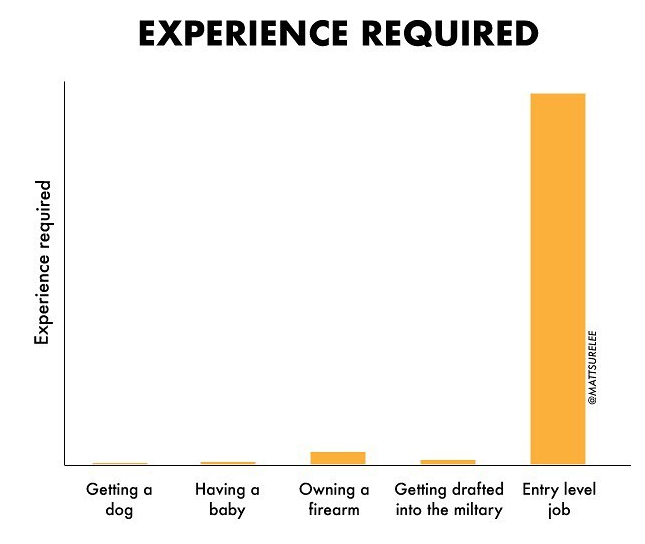
In hiring, it might be time to get rid of experience requirements.
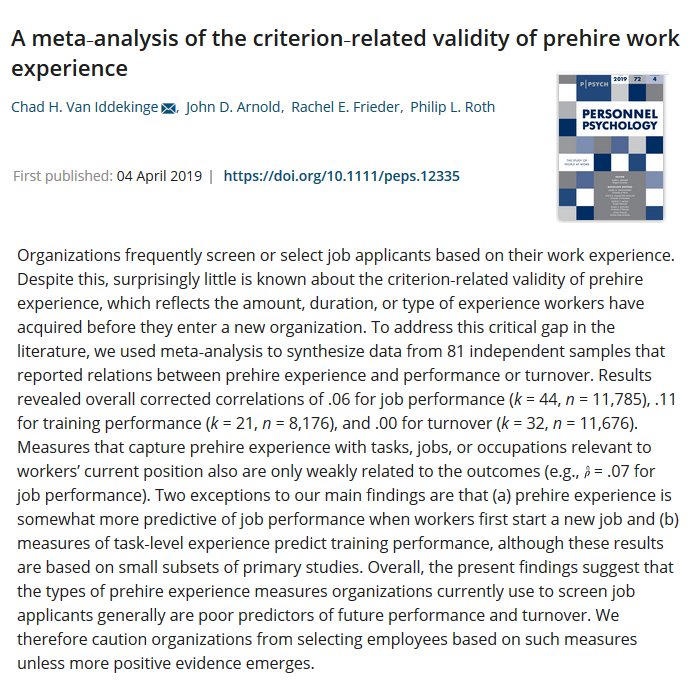
Data: past experience rarely predicts future performance. What matters is past performance—and current motivation and ability.
It's how well people can learn to do a job, not how long they've already done it.