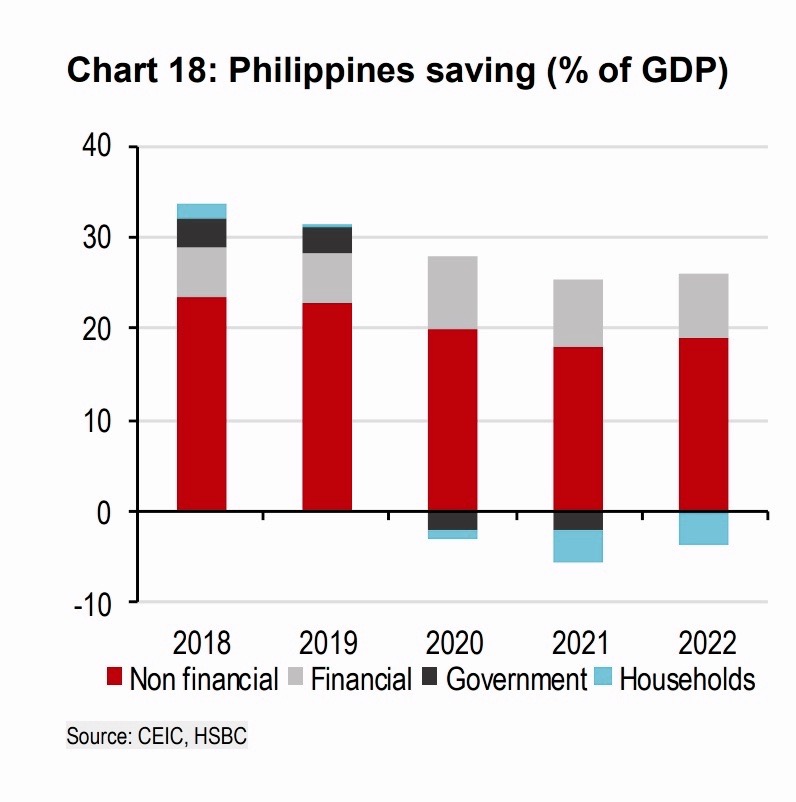
Its too early to write off the economic effects of the pandemic. Revenge Spending, fuelled by household debt, is masking the scars. Consumers will at some point hit their credit card limits.
A DOVISH HIKE
Powell hints that last night’s rate hike may be the last. Will the BSP’s forthcoming one be our last? Maybe not, but one thing is for certain. We are at the tail end of the tightening cycle.
With the big brokers advising their clients not to tender their MPI shares, the Mitsui-led consortium may have to raise their offer price or risk falling short of the 90% threshold required to privatize the company.
"If I were $COL, I’d be less concerned about how a bunch of external, uncontrollable factors made trading less frequent for its traders, and more concerned about the coming GCash and AB Capital team-up that is clearly positioned to eat COL’s lunch." https://t.co/vRoxFLiwwy
The Swiss National Bank (Swiss equivalent of the BSP) already pledged support for Credit Suisse. The ongoing market turmoil hence reflects sentiment more than any real risk of financial collapse. So, those who’ve missed the run-up in banks, here‘s your second bite at the cherry.
SVB’s collapse is spooking everyone. But is it relevant here? Some banks have exposure to bonds whose values have crashed amidst rising rates. But we see no distressed VC deposits that might flee and force them to sell and take the hit. Smells like a buying opportunity.
The initial flow of bank results shows a clear pattern. As money is drained from the system, competition for deposits is causing funding costs to rise faster than lending rates. Only the big three who enjoy vast low-cost current account deposits are immune to the margin squeeze.
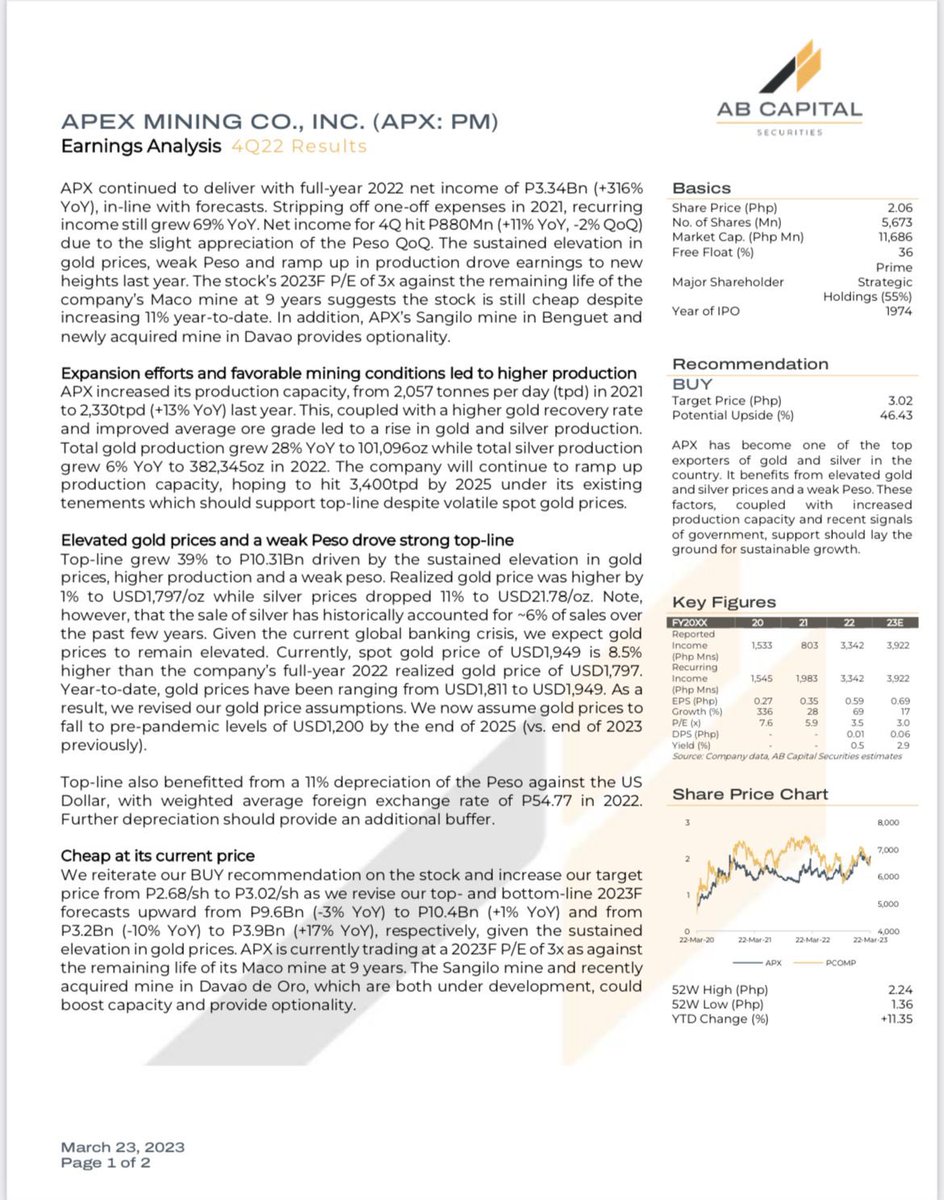
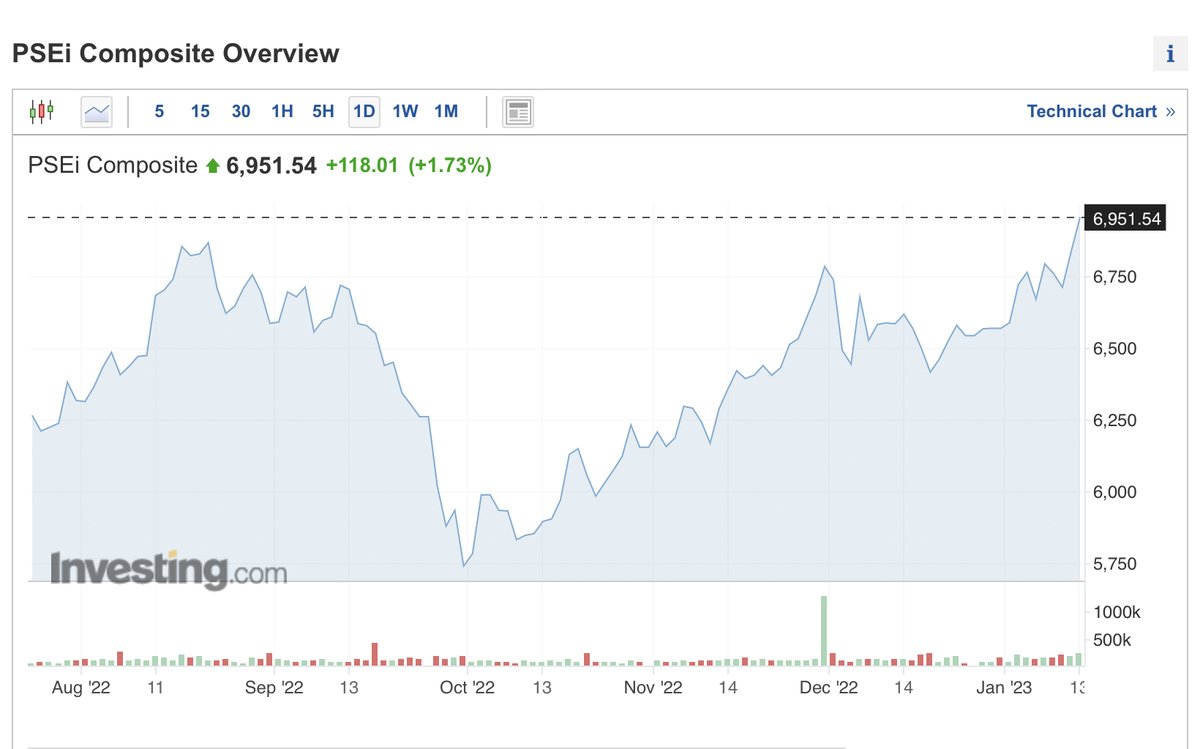
The PCOMP has lost all its gains for the year. Last year’s earnings, like last year’s GDP growth rate, came off a low base and is yesterday’s news. This year’s prospects are much more subdued. Only the banks and cash-rich companies benefit from rising interest rates.
The rise in shareprices of certain property stocks ignores the fact that office vacancy rates are approaching 20% - higher than the aftermath of the Asian Crisis. And what happened to rental rates then?
The “bull market” will only endure if corporate earnings hold up. “Effect Lag” (typically 12-18 months) poses the greatest risk.
CAUSE: High Interest Rates
EFFECT: Economic Slowdown
Monetary tightening only began in Q2 of last year.
On P48B PLDT Capex Overrun . . .
If you own 100 shares in TEL, you’ve just lost P22,222.
On TEL shareprice collapse . . .
The company just lost over P100B in market value in a flash - equivalent to the entire market cap of Metropacific (MPI). Reason enough to raise the roof?