Begrænset hæftelse for aktionærer er et privilegium vi som samfund tildeler investorer gennem lovgivning. Fordi det giver nogle gode muligheder for at mobilisere kapital til investeringer som gavner samfundet med produktion og arbejdspladser. Det er er noget for noget-forhold.
Når det begrænsede ansvar misbruges i manøvrer, der handler om at tage gevinsten af risikofyldte aktiviteter, men unddrage sig ansvaret når det går galt, så udfordres denne samfundskontrakt.
Derfor er vreden mod Nordic Waste-ejerne hverken overraskende eller forkert. Det er helt rimeligt at kræve en fair balance mellem de privilegier som aktieselskabsformen giver aktionærerne og hensynet til befolkningens bredere interesser. Det er denne balance som sagen udfordrer. #dkpol
You can’t make this shit up🤯
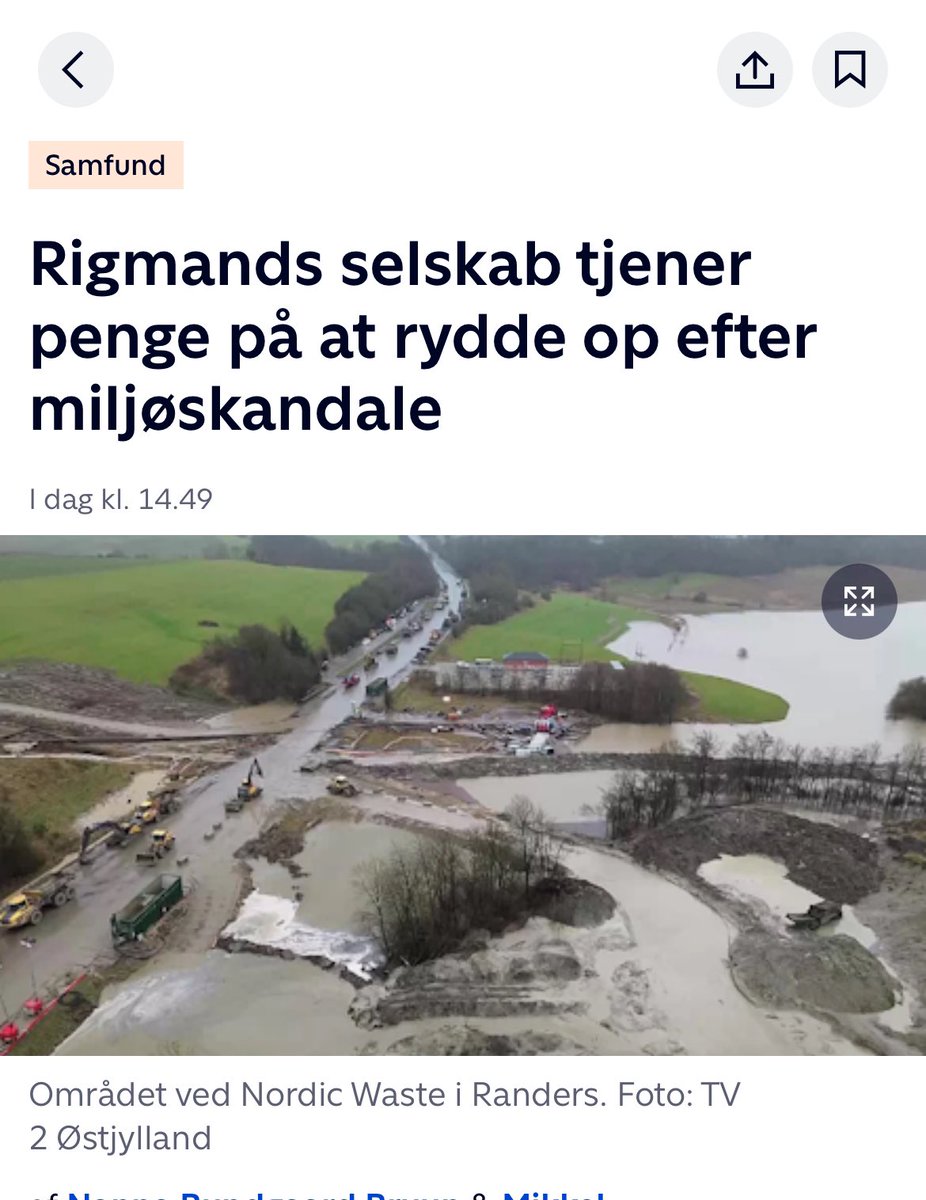
Først udløser man en historisk miljøkatastrofe. Så render man fra regningen. Og så tjener man gudhjælpemig penge på oprydningen.
#dkpol
Kald mig bare socialist, men jeg synes det er grotesk at vi har et økonomisk system hvor man kan blive en af DKs rigeste mænd på en risikofyldt forretning med forurenet jord, og så tørre milliardregningen af på fællesskabet når det går galt. 1/ #nordicwaste#dkpol
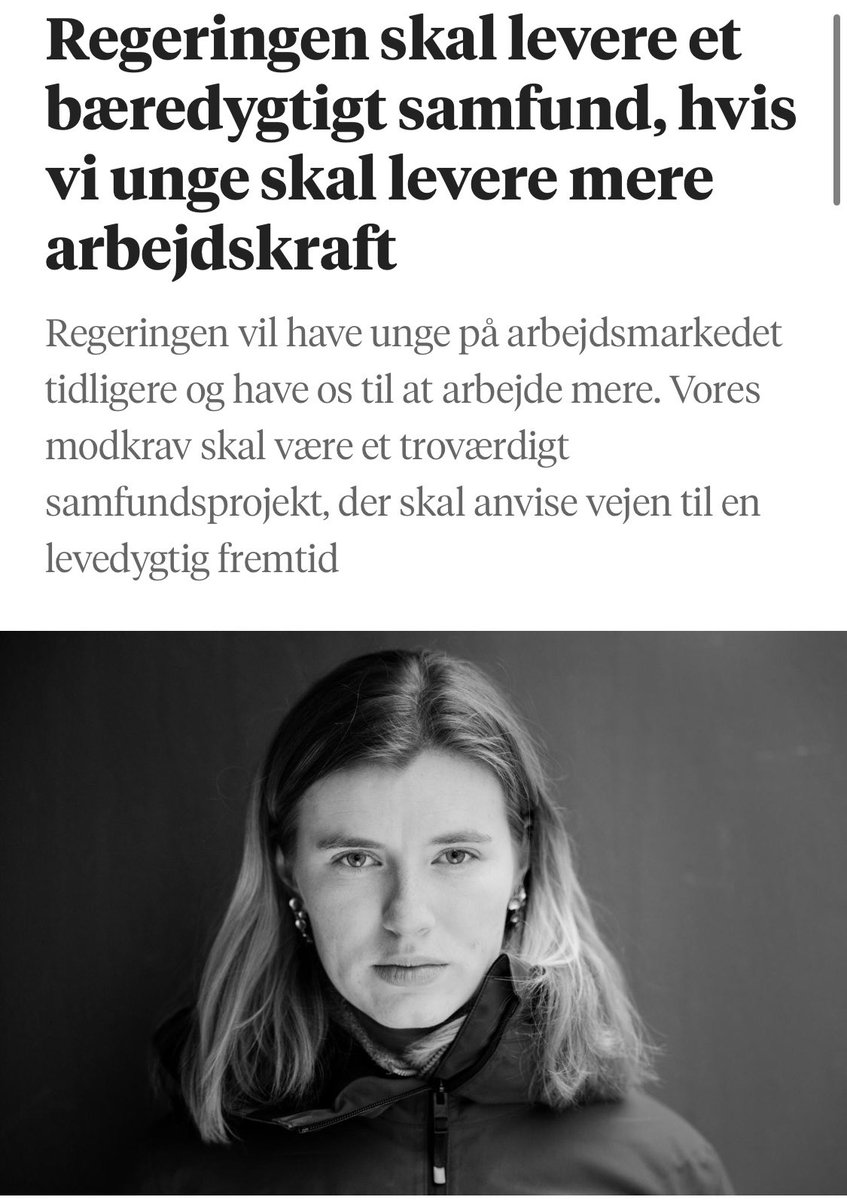
Regeringen: “Arbejd mere.”
Men hvorfor skulle unge tilbyde arbejdskraft, når politikerne tilbyder os en samfundsfortælling, der vil knække under klimakrisen?
Vil vil ikke gå på arbejde for at undergrave vores egen fremtid.
Vi kræver fremtidsudsigter i bytte for arbejdskraft.
En reform, som markant sænker uligheden bør være et hovedkrav fra venstrefløjen, hvis der efter er valg skal dannes en regering på venstrefløjens mandater. Vi er ved at undergrave det Danmark uden alt for store skel, som vi holder af.
The chances for real progress at COP28 were badly damaged early this year when an oil company CEO was appointed to lead the negotiations. And now investigative journalists have confirmed some of the worst fears of those who criticized that absurd appointment with the shocking news that the President-designate has been using the meetings he has set up with nations around the world to sell more oil and gas. At the same time, the fossil fuel company he leads (the Abu Dhabi National Oil Company) has been preparing to launch one of the largest expansions of oil and gas production of any company in the world — timed to begin immediately after COP28 concludes.
Using international climate talks as leverage to shore up support for pumping more oil and gas at a time when we urgently need to phase out fossil fuels is — to say the least — utterly appalling.
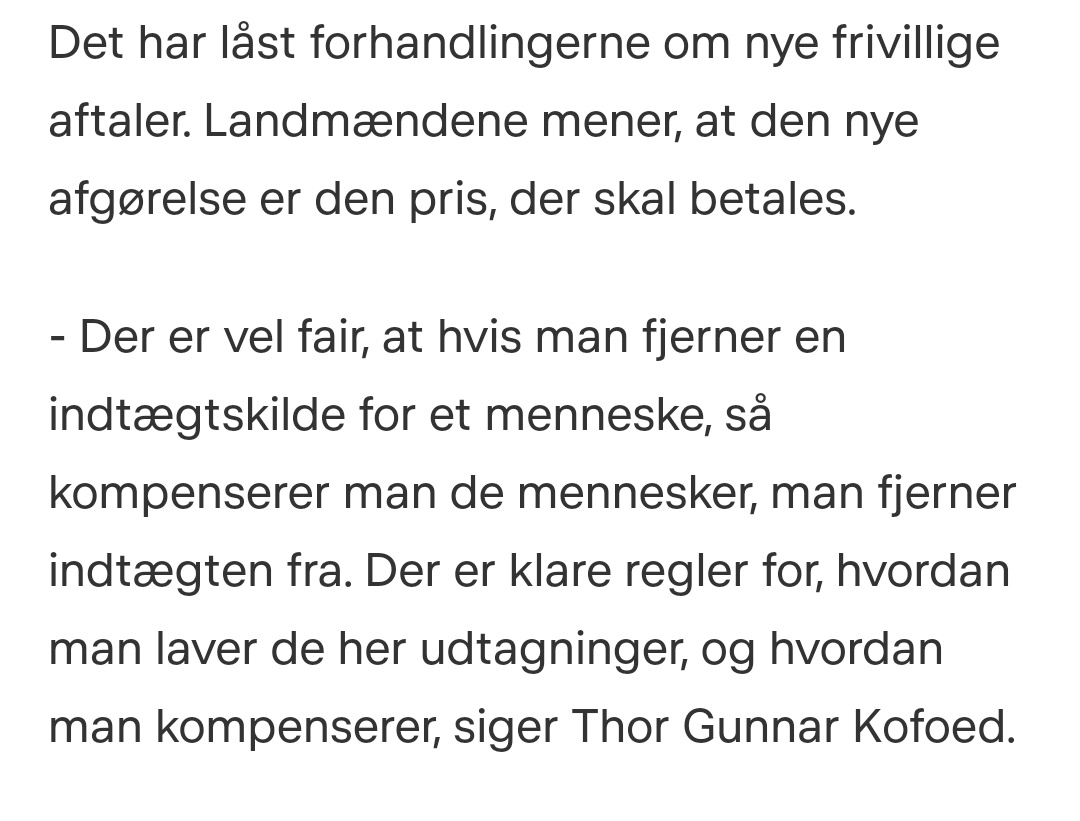
Hvis brugtvognsforhandlere ikke kunne tjene penge, uden at hælde batteri-syre i vandløbet, skal de så kompenseres for ikke at gøre det? Hvis en grillbar mister penge på at overholde hygiejneregler, skal de så kompenseres?
Hvorfor finder vi os i det her fra landbruget?
I dag truer Novos direktør Lars Fruergaard Jørgensen i Policywatch med at flytte udvikling af ny medicin til USA. Det sker, hvis EU vedtager nye regler for patenter for at sikre billigere medicin. Direktøren truer demokratiet for at holde prisen og udbytter til aktionærerne oppe.
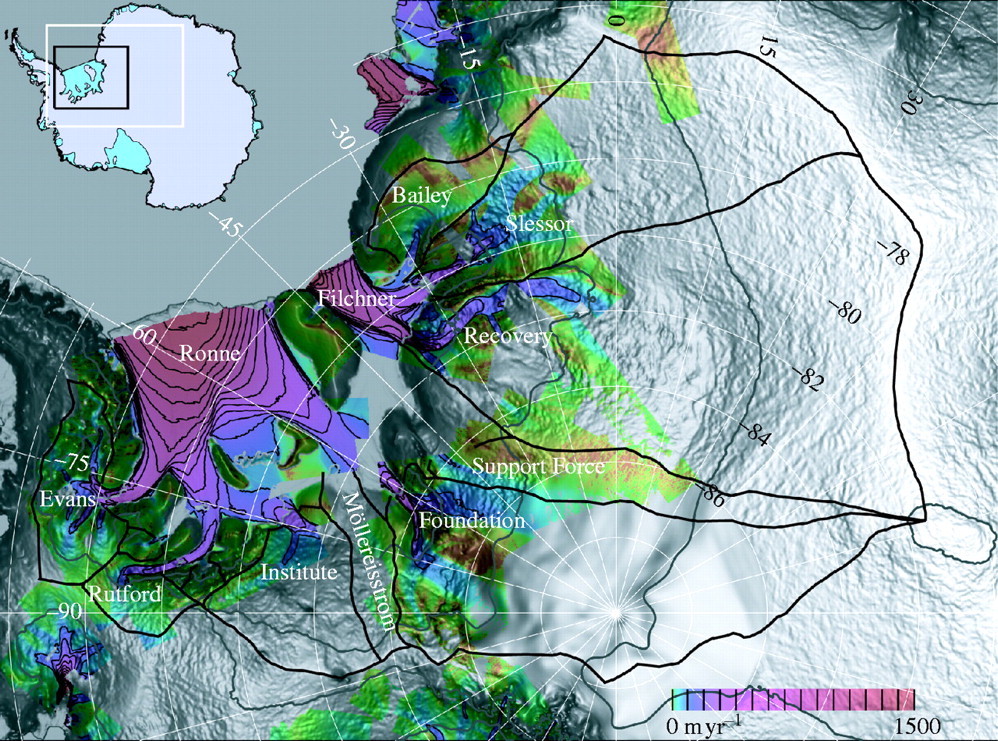
👩🏻🎓@IapetusDTP PhD position @StAndrewsSGSD@NCL_Geography@BAS_News!
How does ice flow enhancement and rearrangement impact the West Antarctic Ice Sheet?
📆: 05 Jan 24 (UK); 11 Dec 23 (non-UK)
🏡: U. of St Andrews, Scotland 🏴
https://t.co/CyeGe4ffZC
📸: Joughin et al. (2006)
Stiig Markager er et fremragende eksempel på, hvorfor vi har brug for fri og uafhængig forskning.
Og lobbyisten fra Landbrug og Fødevarer godt eksempel på, hvorfor deres perspektiv er ret uinteressant, fordi det er holdninger, de bliver betalt for at have...
Den her mand skal i hall of fame over folk, der har fået nok af pis.
Tænk at have forsket hundrede år og en madpakke i et felt, hvor ingen på noget tidspunkt har taget hvad du siger seriøst fordi landbruget...
Stiig - keep going👏
Finally published after a year of complications and internal miscommunications.
We summarise the current state of microstructural impurity research, present on-going developments and show first high-resolution LA-ICP-MS 2D chemical images of NEEM firn
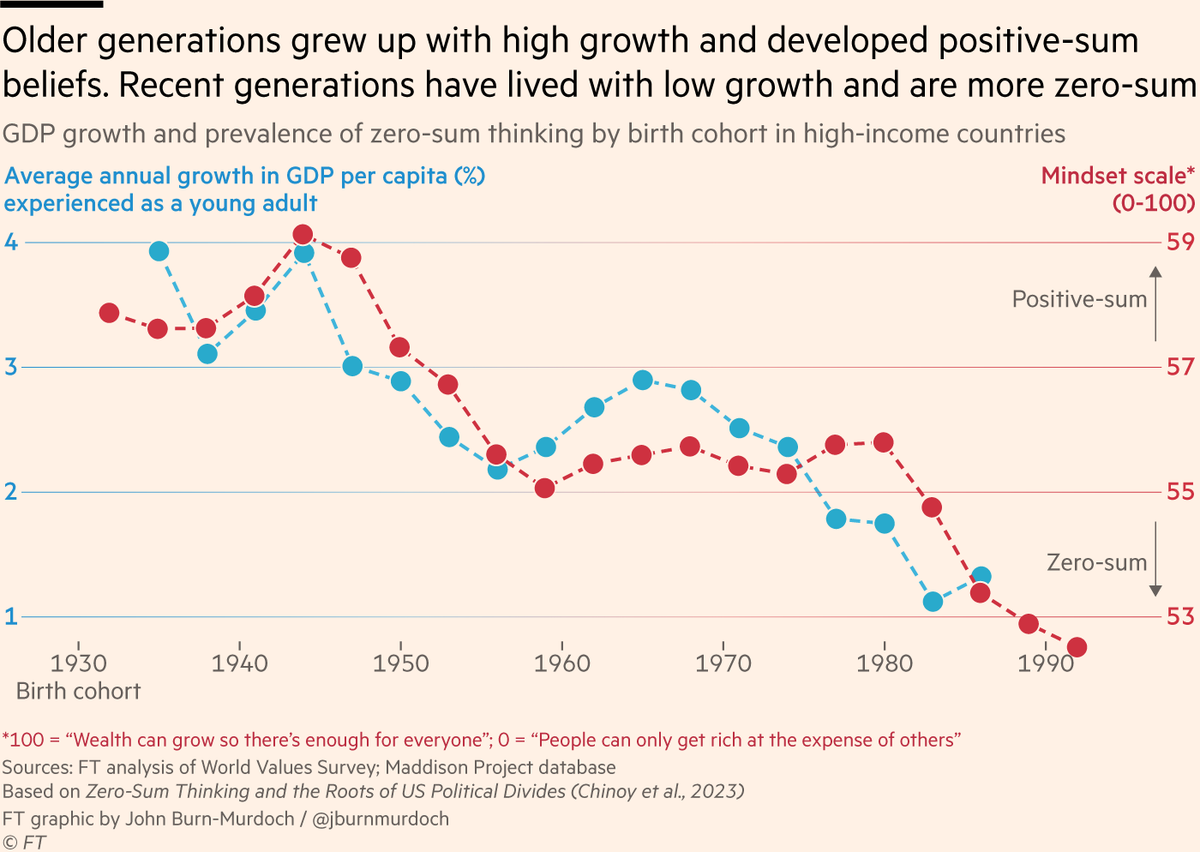
NEW: a recent study found a fascinating pattern
People are becoming more zero-sum in their thinking, and weaker economic growth may explain why
Older generations grew up with high growth and formed aspirational attitudes; younger ones have faced low growth and are more zero-sum
How great a stress can a glacier support before a crevasse forms? In our new study we investigate the stress conditions in Greenland crevasse fields. It turns out it depends on the mode of stress.
preprint here: https://t.co/sIb0lPAdq1
Just off the phone with a mathematician friend who shared some profound insights into why it's hard to change deeply held beliefs:
In Bayesian statistics, beliefs are updated by multiplying two curves:
1. The **prior** (your current belief).
2. The **likelihood** (new evidence).
After normalization, the result becomes the **posterior** (your updated belief). Interestingly, numerous neuroscience studies suggest our brain might operate in a Bayesian manner, taking into account prior experiences and new sensory information to make predictions about the world.
Here's the nuance:
- Imagine your prior belief is strongly held and concentrated in one area, resembling a sharp peak on the belief curve. When new, contrasting evidence comes in, it might be so different from your existing belief that the brain treats it as ***noise*** and largely ignores it. The reason? When multiplying the two, "zero times something is still zero." (See examples). This means the contrasting evidence barely influences the original belief. If you repeatedly encounter such contrasting evidence, your belief remains largely unchanged due to its dominance.
- In contrast, if new evidence is closer to your prior belief and is introduced incrementally, each update nudges the belief curve slightly. Over time, these small shifts can cumulatively move your belief significantly.
This has implications for societal "mind viruses" (memes) or entrenched misconceptions: directly confronting them with drastically different truths might lead to those truths being continuously ignored. A more effective strategy might be to introduce corrective evidence in smaller, more digestible increments.
Thinking about this further it's essential to remember that beliefs aren't held in isolation; they interconnect and reinforce each other, creating a paradigm—an apparently stable conformation of individual beliefs. Shifting a critical mass of these beliefs can lead to a sudden state change in the overall paradigm, much like how proteins can fold into certain stable configurations. This means that while individual belief updates are incremental, when enough of them shift, the overarching paradigm might undergo a transformative change.
@johnincarlisle can you relate to this?