Privacy means very little if the network underneath it can’t stay secure.
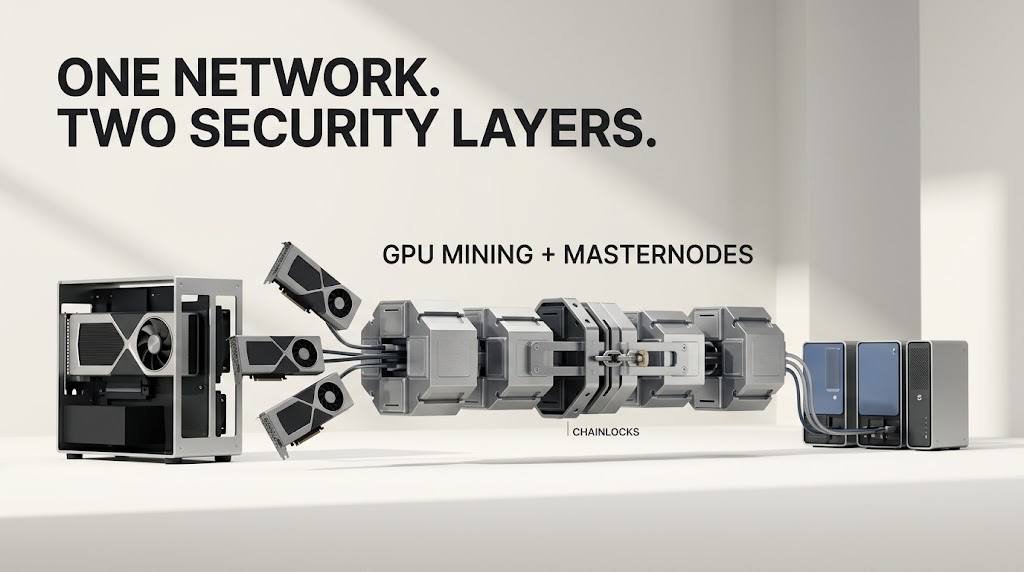
@firoorg uses PoW alongside LLMQ ChainLocks to defend against 51% attacks and chain reorganizations.
Once a block is ChainLocked, it reaches finality within seconds.
The privacy layer is only as strong as the network protecting it.
A lot of the AI tools people use today are built on top of models someone else spent serious time and money creating.
But here’s the problem:
Building a useful open-source AI model doesn’t automatically mean you have a good way to make money from it.
People can download it, build with it and sometimes create businesses around it.
The original builder still needs funding to keep improving the model.
This is one problem @AlpacaNetworkAI is trying to approach differently.
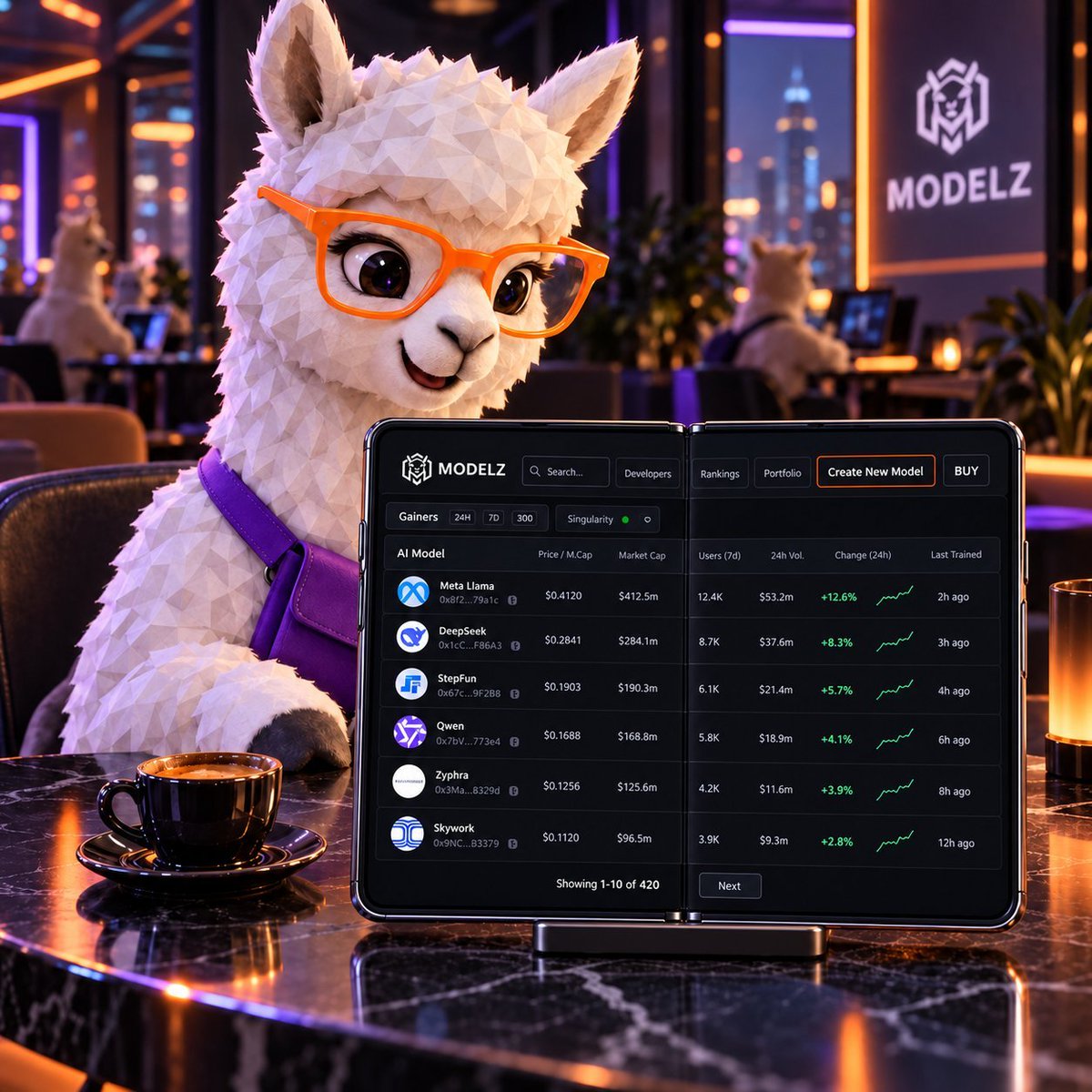
Through Modelz, builders can tokenize their open-source models and raise support from people interested in what they’re building.
The bigger idea is that if the model eventually gets real usage, that activity can feed into its own token economy.
I think that distinction matters.
A token shouldn’t be valuable simply because “AI” is attached to it.
There should be something underneath that people actually need.
For AI model tokens, the real test will eventually be simple:
Are developers actually using the model?
I like seeing more stablecoin options open up around ONyc. USDC was already useful, now USDG has its own route too. More choice depending on how you want to structure your position.
gRWA fam. ☕️
@kendi99999@firoorg They can’t simply change the consensus rules by deciding to. ChainLocks uses selected quorums to sign valid blocks.
If enough masternodes were compromised, that could become a serious security issue, but that’s different from them simply changing the rules.
What happens when one mining pool gets too much power?
On a typical Proof-of-Work network, controlling enough hashrate can give an attacker significant influence over the chain.
@firoorg handles this differently by combining GPU mining with masternodes.
Miners produce the blocks, while masternodes use ChainLocks to lock in the valid chain.
That means controlling a large amount of GPU hashrate alone isn’t enough. An attacker would also need to compromise the masternode layer to successfully reorganize the chain.
So the network isn’t relying on mining power alone to protect the chain.
I wouldn’t sleep on privacy. If more money and real-world assets end up moving on-chain, people may not be comfortable having their balances and entire transaction history sitting there for anyone to trace.
@firoorg has been working on this side of crypto for years, including private assets and stablecoins through Elysium.
I’ve talked about tokenizing property, bonds and other real-world assets before.
But tokenizing an AI model? That’s a different conversation.
Think about it.
Someone builds an open-source AI model that developers eventually use across different apps. The model can become valuable, but funding and rewarding the people behind it isn’t always straightforward.
That’s what @AlpacaNetworkAI is experimenting with through Modelz.
An open-source AI model can be turned into its own token and funded through what they call an Initial Model Offering (IMO). If the model gains real usage, the bigger idea is for fees from that usage to flow back into its token economy.
So instead of only investing in the AI app people see, you could potentially get exposure to the model powering the app underneath.
Of course, tokenizing a model doesn’t automatically make it valuable. People still have to actually use it.
But I find the concept interesting.
We’ve spent years asking what assets can move onchain.
AI models might be one of the more unusual answers.
Music lovers, let's grow together 🎵
Drop your handle below.
Follow everyone who comments.
Turn on my bell notifications.
Small accounts welcome. Big accounts welcome.
If you hustle, camp here. We build kingdoms.
You know what I like about the idea of fractional access to traditional assets?
You don’t necessarily have to buy the whole thing just to get exposure to it.
That’s basically what @fiducia_trust’s OFA is doing, with investment shares managed through smart contracts and recorded on-chain.
It also covers things like custody, income distribution and risk controls, while each investment share gets its own on-chain record.
I like having all that recorded somewhere I can actually verify.
If I’m putting my money into something, I’d rather be able to check what’s happening than play detective afterwards.
Friday anthems only.
Only real supporters add it to their playlist.
Follow me: https://t.co/JbLbLbPFks
Like, comment, and repost my tracks on Apple Music.
Screenshot your support and let me sight you.
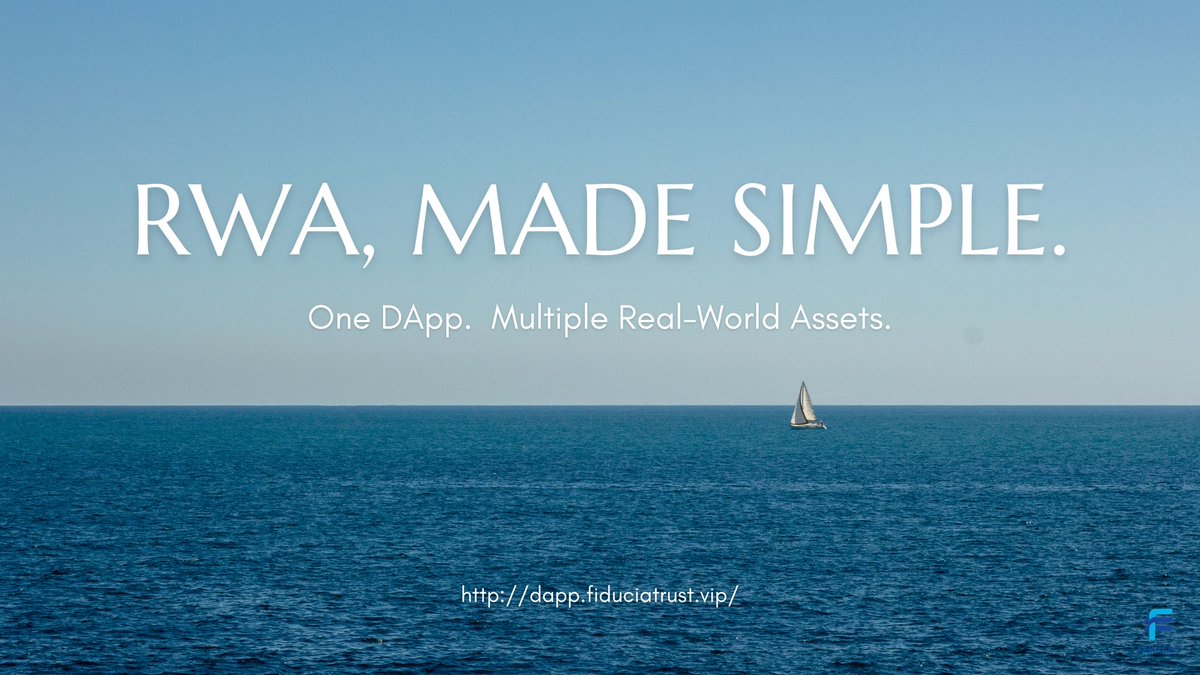
RWA, made simple.
Explore fractional interests in U.S. Treasuries, equities, FX, and more.
Choose your amount.
Choose your strategy.
Manage your holdings.
One DApp. Multiple real-world assets.
→ Explore Fiducia DApp
While the world sleeps, the market is still moving.
This is where @fiducia_trust really makes sense to me.
Having automated strategies working in the background means I don’t have to be glued to charts just to stay active.
Let the automation handle the grind while I get some sleep.
Honestly, @fiducia_trust deserves more eyes.
I like that it’s not just another project asking people to watch charts all day. The automation handles the market activity in the background, while the on chain records give you something you can actually verify.
Fiducia is doing something unique here, and I think it deserves the attention.
Any team can talk about what they plan to build.
It’s different when there’s already something useful people can actually use.
@fiducia_trust already has an automated trading system using AI and quantitative strategies to monitor market conditions around the clock.
So there’s more to look at than just a roadmap and promises about what’s coming next.