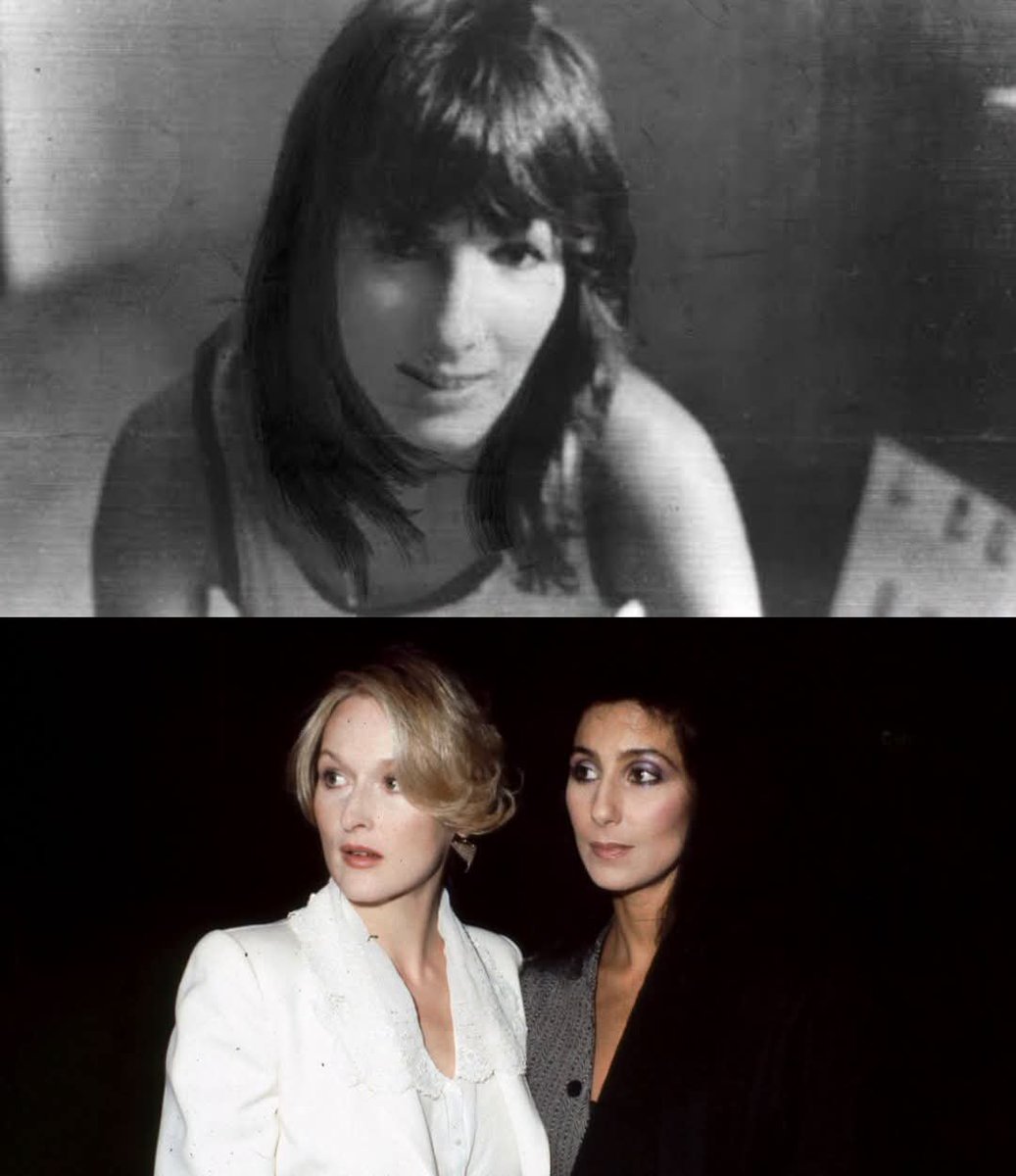
Karen Silkwood picked a fight with one of America's most powerful nuclear companies. The company lost.
In 1974 she was 28, a lab technician at Kerr-McGee's Cimarron plutonium-fuel plant outside Crescent, Oklahoma, and the first woman ever elected to her union's bargaining committee. Her assignment was the one nobody wanted: health and safety. She took it seriously enough to scare her employer.
What she found scared her even more. Quality-control records she believed were being falsified. Spills, contaminated coworkers, plutonium the plant couldn't account for. That fall she took it all to Washington and laid it in front of the Atomic Energy Commission, then went home to Oklahoma and kept collecting proof.
The week she set off the plant's radiation monitors three days in a row, inspectors traced the contamination to her apartment. The hottest readings in the place came from her refrigerator, from a package of bologna and cheese. Most people would have packed a bag and disappeared. Silkwood kept her appointment with a New York Times reporter.
She never made it. On November 13, 1974, she left a union meeting and drove for that interview with a folder of evidence on the seat beside her. Witnesses at the meeting had just seen it in her hands. Seven miles down Highway 74, her car left the road and struck a concrete culvert.
The folder was never found. State police said she fell asleep at the wheel, noting a prescription sedative in her blood. The crash investigator hired by her union found a fresh dent in her rear bumper and concluded she'd been run off the road. That argument has never been settled.
What got settled was everything she'd been saying.
Her father and her three children took Kerr-McGee to court, and in 1979 an Oklahoma jury heard the evidence and awarded her estate $10.5 million, nearly all of it punitive damages.
The Supreme Court upheld her family's right to those damages in 1984. The Cimarron plant had already shut down the year after her death. Hollywood put Meryl Streep in her story, and "Silkwood" entered the American lexicon: the name workers reach for when telling the truth about dangerous bosses. The film was nominated for five Academy Awards including Streep for Best Actress and Cher for best supporting actress.
The folder was never found. It turned out she didn't need it. Her fight helped build the machinery to protect the next truth-tellers.
Worth knowing this week: that machinery is being torn out.
In January 2025, Trump fired seventeen inspectors general, the government's own watchdogs, in a single night.
A federal judge ruled the purge violated the law. At the Department of Energy, which inherited oversight of America's nuclear complex, whistleblower retaliation investigations jumped from five in a year to forty-five. At the EPA, from nine to fifty-eight.
Fifty-two years later, Kerr-McGee is gone. The plant is gone.
We still remember her name.
—
Cher just sat on Graham Norton in full tartan-punk mode and casually confirmed America once thought she was dead.
Graham asks if she wakes up every morning and picks which Cher to be that day. She shuts it down: “They’re just me in different wrappers. It’s only me, always me.” Then he drops the #NOWTHATCHERSDEAD hashtag that trended as “Cher’s dead” when Thatcher actually died.
Cue the classic bad-hashtag hall of fame: #SUSANALBUMPARTY and the Cheltenham Literary Festival’s glorious own-goal CLITFEST (“attendance is very low… no one came”).