မြန်မာဘာသာ
ဤဇာတ်လမ်းတွဲကို ထိုင်းနိုင်ငံတွင် ရိုက်ကူးထားသော်လည်း ဇာတ်လမ်းတွဲအတွင်း ဝတ်ဆင်ထားသော ဝတ်စုံများနှင့် အသုံးပြု��ားသော ရိုးရာဓလေ့များတွင် မြန်မာနိုင်ငံ၏ နောက်ဆုံးမင်းဆက်ကာလဖြစ်သော ရတနာပုံခေတ် (၁၈၅၉–၁၈၈၅ ခုနှစ်) ၏ နန်းတွင်းဝတ်စားဆ��်ယင်မှုများ၊ မြန်မာ့ရိုးရာဝတ်စုံများနှင့် မြန်မာ့ရိုးရာဓလေ့များ ပါဝင်နေပါသည်။ သို့သော် ဇာတ်လမ်းတွဲကို ထုတ်လုပ်သူများနှင့် ထုတ်လွှင့်သူများသည် ဤမူရင်းယဉ်ကျေးမှုအပေါ် ယနေ့အချိန်အထိ သင့်လျော်သော လေးစားမှုကို မပြသသေးသည့်အပြင် ဤကိစ္စကိုလည်း သင့်တော်စွာ တုံ့ပြန်ဖြေရှင်းခြင်း မရှိသေးပါ။
English
Although this series was filmed in Thailand, the costumes and traditional customs featured in it include royal court attire from the Yadanabon Period (1859–1885), the final period of Myanmar’s monarchy, as well as traditional Myanmar clothing and customs. However, the series’ producers and broadcasters have still not shown proper respect for this original cultural heritage, nor have they adequately addressed or resolved this issue to this day.
中文(简体)
虽然这部电视剧是在泰国拍摄的,但剧中使用的服装和传统习俗包括缅甸君主制最后时期——瑞南波时期(1859—1885年)的宫廷服饰,以及缅甸的传统服装和传统习俗。然而,该剧的制作方和播出方至今仍未对这一原有文化遗产给予应有的尊重,也没有对此事作出适当的回应或妥善解决这一问题。
ภาษาไทย
แม้ว่าซีรีส์เรื่องนี้จะถ่ายทำในประเทศไทย แต่เครื่องแต่งกายและขนบธรรมเนียมประเพณีที่ปรากฏในเรื่องมีทั้งเครื่องแต่งกายในราชสำนักสมัยรัตนะปุระ (ค.ศ. 1859–1885) ซึ่งเป็นช่วงสุดท้ายของระบอบกษัตริย์เมียนมา ตลอดจนเครื่องแต่งกายและประเพณีดั้งเดิมของเมียนมา อย่างไรก็ตาม ผู้ผลิตและผู้เผยแพร่ซีรีส์เรื่องนี้ยังไม่ได้แสดงความเคารพอย่างเหมาะสมต่อมรดกทางวัฒนธรรมดั้งเดิมดังกล่าวจนถึงปัจจุบัน และยังไม่ได้ตอบสนองหรือแก้ไขปัญหานี้อย่างเหมาะสม
日本語
この���ラマはタイで撮影されましたが、作中で使用されている衣装や伝統的な風習には、ミャンマーの王政最後期にあたるヤダナボン時代(1859~1885年)の宮廷衣装をはじめ、ミャンマーの伝統衣装や伝統的な風習が含まれています。しかし、このドラマの制作側および配信・放送側は、今日に至るまで、こうした本来の文化遺産に対して十分な敬意を示しておらず、この問題についても適切な対応や解決を行っていません。
한국어
이 드라마는 태국에서 촬영되었지만, 작품에 등장하는 의상과 전통 관습에는 미얀마 왕정의 마지막 시기인 야다나본 시대(1859~1885년)의 궁중 의상뿐만 아니라 미얀마의 전통 의상과 전통 관습도 포함되어 있습니다. 그러나 이 드라마의 제작사와 배급·방송 관계자들은 지금까지 이러한 고유한 문화유산에 대해 마땅한 존중을 보여 주지 않았으며, 이 문제에 대해서도 적절한 대응이나 해결을 하지 않고 있습니다.
Tiếng Việt
Mặc dù bộ phim truyền hình này được quay tại Thái Lan, trang phục và phong tục truyền thống xuất hiện trong phim bao gồm trang phục cung đình thời kỳ Yadanabon (1859–1885), giai đoạn cuối cùng của chế độ quân chủ Myanmar, cùng với trang phục và phong tục truyền thống của Myanmar. Tuy nhiên, cho đến nay, các nhà sản xuất và đơn vị phát hành, phát sóng bộ phim vẫn chưa thể hiện sự tôn trọng đúng mức đối với di sản văn hóa nguyên gốc này, đồng thời cũng chưa có phản hồi hoặc biện pháp giải quyết vấn đề một cách thỏa đáng.
GMMTV ACCOUNTABILITY
#RespectMyanmarCulture
#CreditOurHeritage
မြန်မာဘာသာ
ဤဇာတ်လမ်းတွဲကို ထိုင်းနိုင်ငံတွင် ရိုက်ကူးထားသော်လည်း ဇာတ်လမ်းတွဲအတွင်း ဝတ်ဆင်ထားသော ဝတ်စုံများနှင့် အသုံးပြုထားသော ရိုးရာဓလေ့များတွင် မြန်မာနိုင်ငံ၏ နောက်ဆုံးမင်းဆက်ကာလဖြစ်သော ရတနာပုံခေတ် (၁၈၅၉–၁၈၈၅ ခုနှစ်) ၏ နန်းတွင်းဝတ်စားဆင်ယင်မှုများ၊ မြန်မာ့ရိုးရာဝတ်စုံများနှင့် မြန်မာ့ရိုးရာဓလေ့များ ပါဝင်နေပါသည်။ သို့သော် ဇာတ်လမ်းတွဲကို ထုတ်လုပ်သူများနှင့် ထုတ်လွှင့်သူများသည် ဤမူရင်းယဉ်ကျေးမှုအပေါ် ယနေ့အချိန်အထိ သင့���လျော်သော လေးစားမှုကို မပြသသေးသည့်အပြင် ဤကိစ္စကိုလည်း သင့်တော်စွာ တုံ့ပြန်ဖြေရှင်းခြင်း မရှိသေးပါ။
English
Although this series was filmed in Thailand, the costumes and traditional customs featured in it include royal court attire from the Yadanabon Period (1859–1885), the final period of Myanmar’s monarchy, as well as traditional Myanmar clothing and customs. However, the series’ producers and broadcasters have still not shown proper respect for this original cultural heritage, nor have they adequately addressed or resolved this issue to this day.
中文(简体)
虽然这部电视剧是在泰国拍摄的,但剧中使用的服装和传统习俗包括缅甸君主制最后时期——瑞南波时期(1859—1885年)的宫廷服饰,以及缅甸的传统服装和传统习俗。然而,该剧的制作方���播出方至今仍未对这一原有文化遗产给予应有的尊重,也没有对此事作出适当的回应或妥善解决这一问题。
ภาษาไทย
แม้ว่าซีรีส์เรื่องนี้จะถ่ายทำในประเทศไทย แต่เครื่องแต่งกายและขนบธรรมเนียมประเพณีที่ปรากฏในเรื่องมีทั้งเครื่องแต่งกายในราชสำนักสมัยรัตนะปุระ (ค.ศ. 1859–1885) ซึ่งเป็นช่วงสุดท้ายของระบอบกษัตริย์เมียนมา ตลอดจนเครื่องแต่งกายและประเพณีดั้งเดิมของเมียนมา อย่างไรก็ตาม ผู้ผลิตและผู้เผยแพร่ซีรีส์เรื่องนี��ยังไม่ได้แสดงความเคารพอย่างเหมาะสมต่อมรดกทางวัฒนธรรมดั้งเดิมดังกล่าวจนถึงปัจจุบัน และยังไม่ได้ตอบสนองหรือแก้ไขปัญหานี้อย่างเหมาะสม
日本語
このドラマはタイで撮影されましたが、作中で使用されている衣装や伝統的な風習には、ミャンマーの王政最後期にあたるヤダナボン時代(1859~1885年)の宮廷衣装をはじめ、ミャンマーの伝統衣装や伝統的な風習が含まれています。しかし、このドラマの制作側および配信・放送側は、今日に至るまで、こうした本来の文化遺産に対して十分な敬意を示しておらず、この問題についても適切な対応や解決を行っていません。
한국어
이 드라마는 태국에서 촬영되었지만, 작품에 등장하는 의상과 전통 관습에는 미얀마 왕정의 마지막 시기인 야다나본 시대(1859~1885년)의 궁중 의상뿐만 아니라 미얀마의 전통 의상과 전통 관습도 포함되어 있습니다. 그러나 이 드라마의 제작사와 배급·방송 관계자들은 지금까지 이러한 고유한 문화유산에 대해 마땅한 존중을 보여 주지 않았으며, 이 문제에 대해서도 적절한 대응이나 해결을 하지 않고 있습니다.
Tiếng Việt
Mặc dù bộ phim truyền hình này được quay tại Thái Lan, trang phục và phong tục truyền thống xuất hiện trong phim bao gồm trang phục cung đình thời kỳ Yadanabon (1859–1885), giai đoạn cuối cùng của chế độ quân chủ Myanmar, cùng với trang phục và phong tục truyền thống của Myanmar. Tuy nhiên, cho đến nay, các nhà sản xuất và đơn vị phát hành, phát sóng bộ phim vẫn chưa thể hiện sự t��n trọng đúng mức đối với di sản văn hóa nguyên gốc này, đồng thời cũng chưa có phản hồi hoặc biện pháp giải quyết vấn đề một cách thỏa đáng.
GMMTV ACCOUNTABILITY
#RespectMyanmarCulture
#CreditOurHeritage
🚨 SHTH Burmese Costume Controversy 🚨
First of all, I would like to ask for your understanding if this post comes a little late. This is a series I have been waiting for for over two years, and I believe this issue deserves to be addressed regardless of how late it may be brought up.
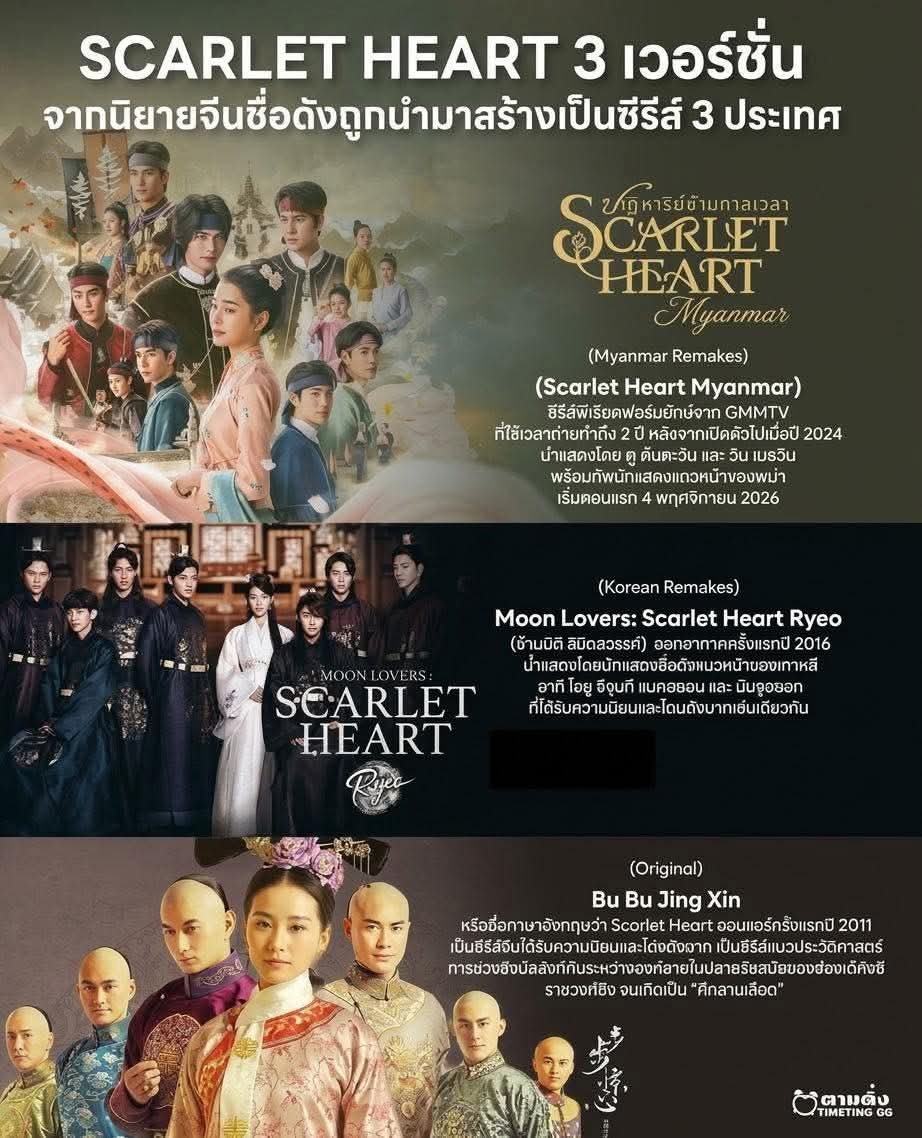
This series is set in the Lanna Kingdom.
Historically, the Lanna Kingdom existed from the 13th to the 18th century. In 1558, King Bayinnaung of Burma conquered Lanna, and Burmese influence remained in the region for over 200 years. From what I have read, this long period of interaction led to cultural exchanges and influences between the two kingdoms.
Given the historical similarities between Burmese and Thai cultures during that era, I can understand and accept certain similarities in their traditional costumes.
However, the issue goes beyond simple cultural similarities.
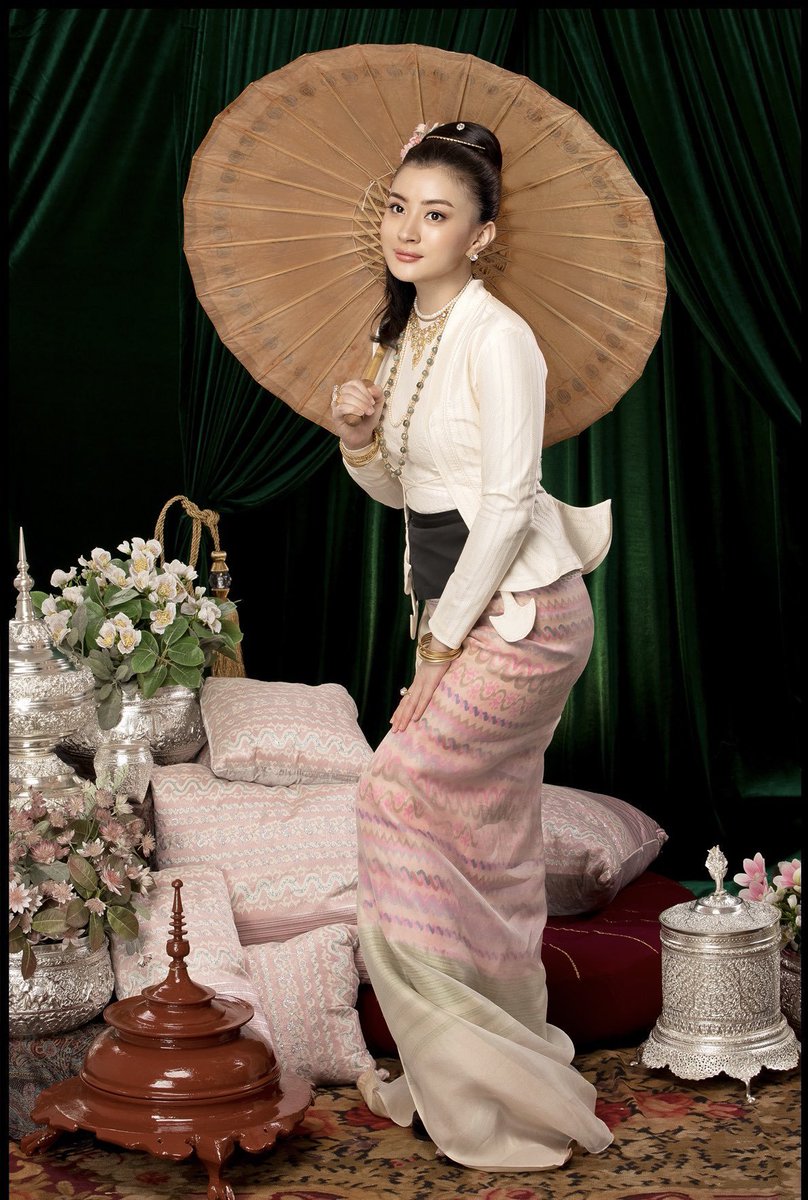
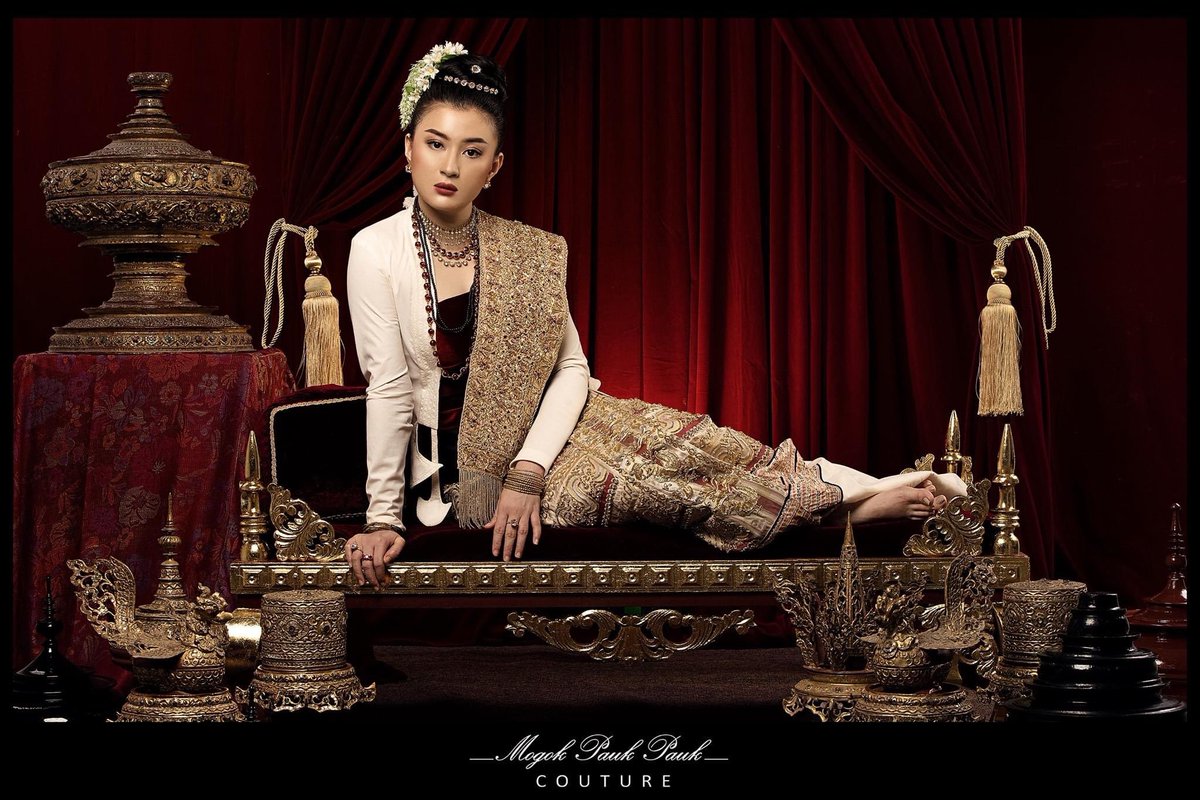
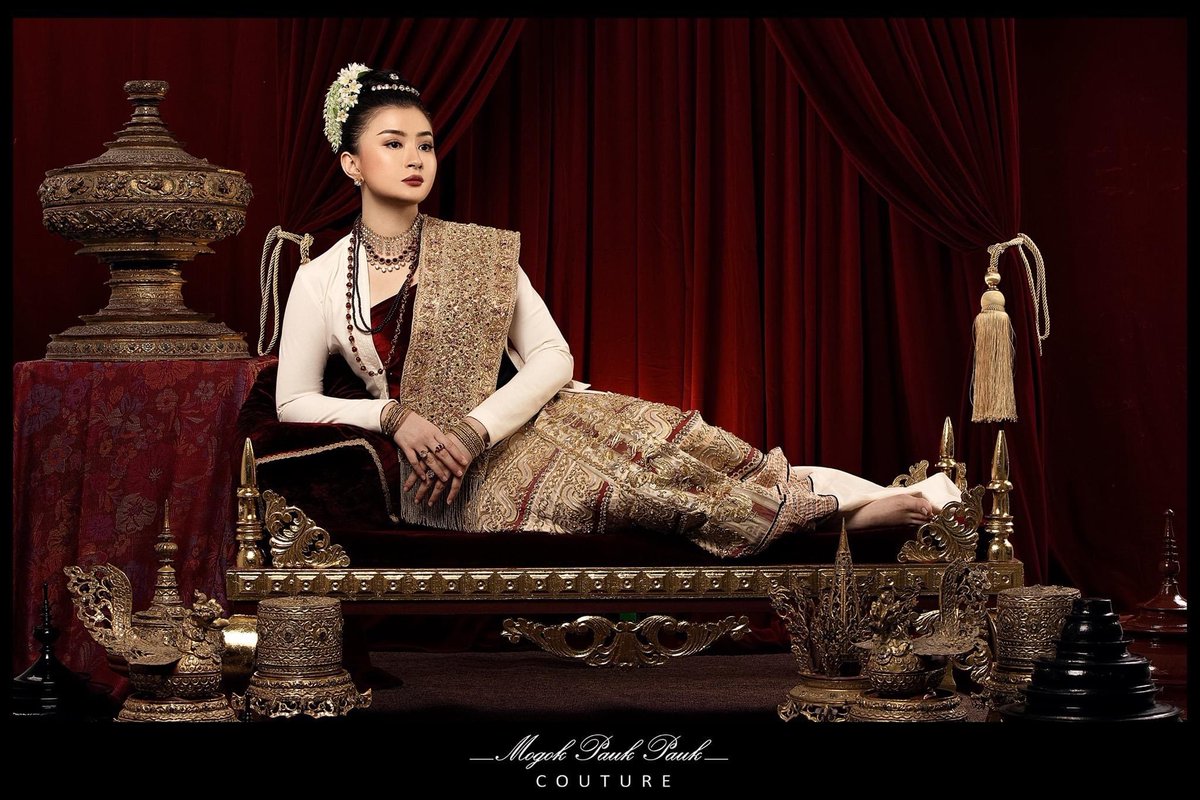
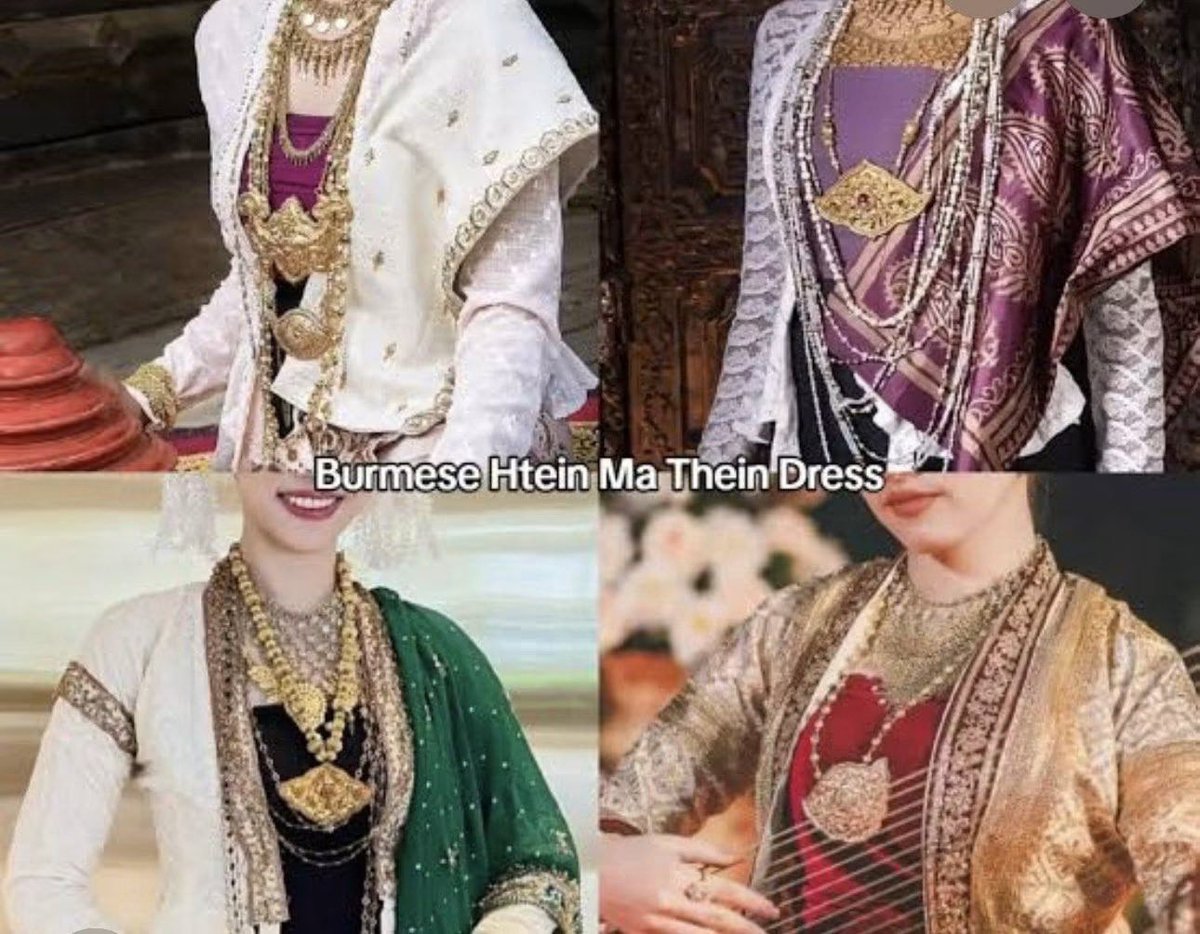
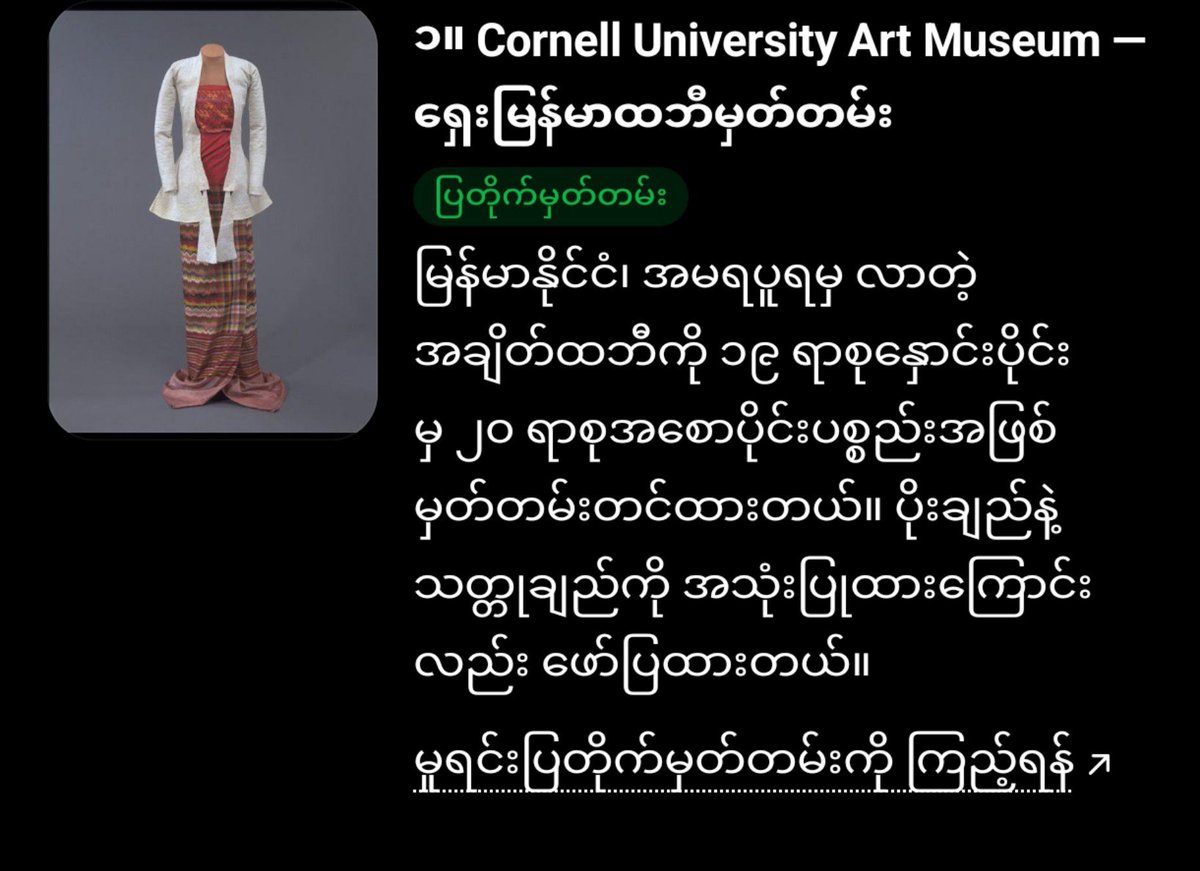
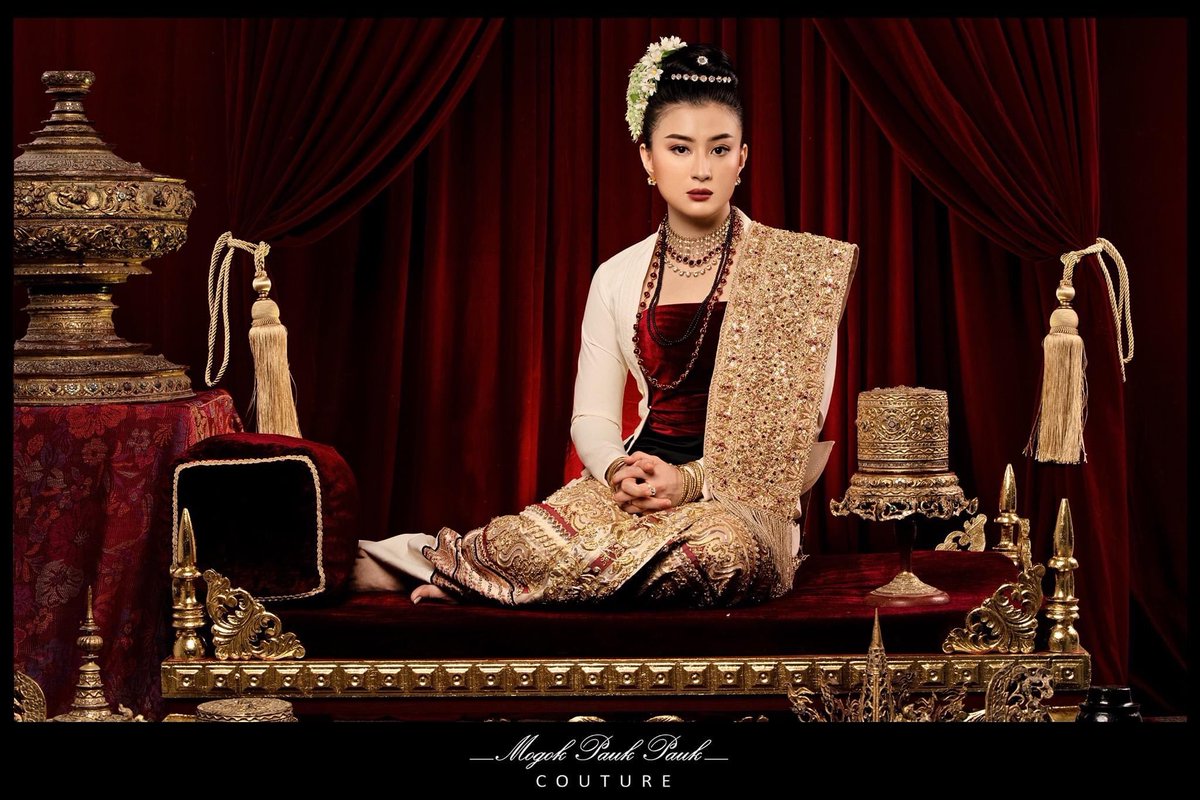
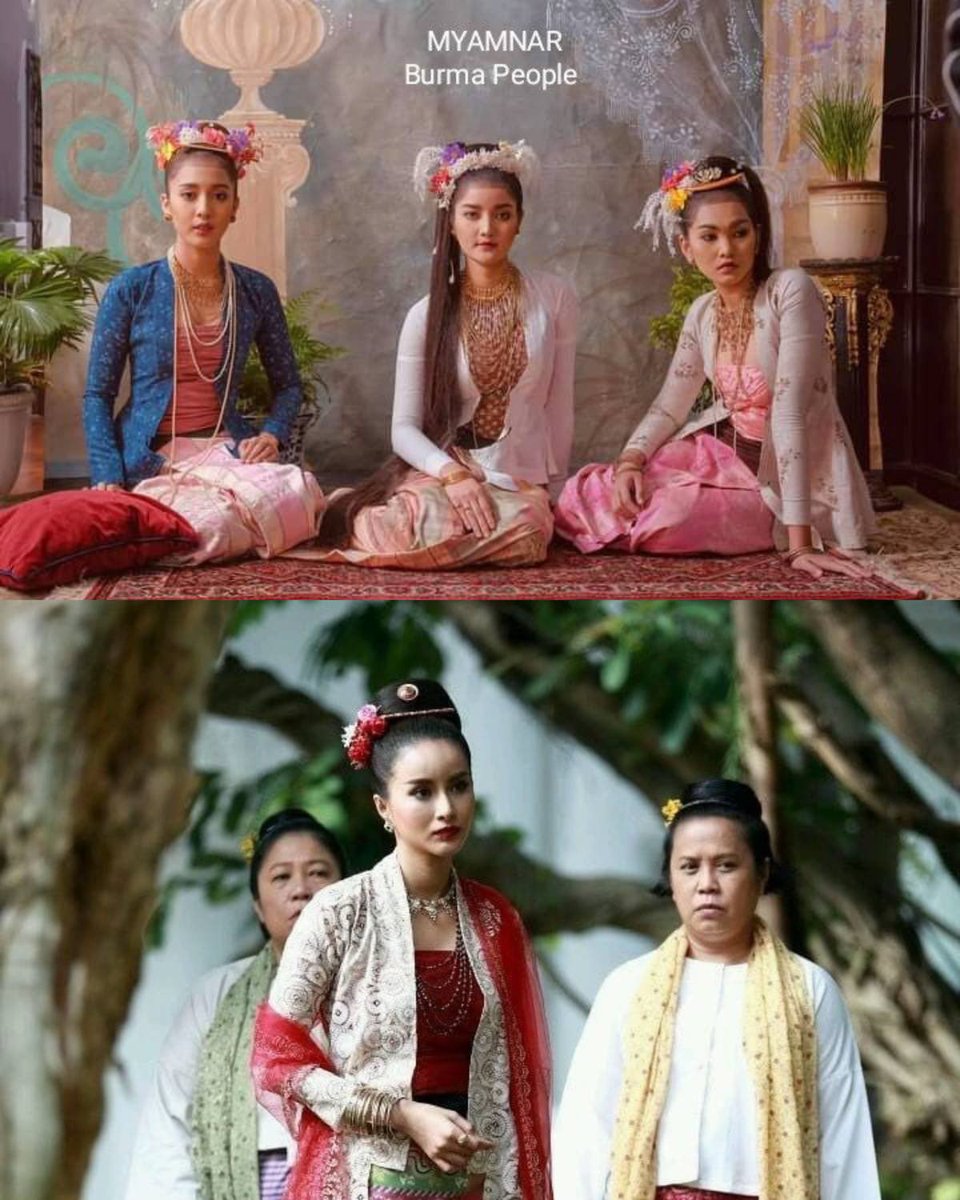
The costumes and styling used in the Seimi dance appear to be based on Burmese clothing from the Yadanabon period, which began in 1853. The Htamein (ထဘီ) and other traditional garments associated with the Konbaung dynasty are also well-known elements of Burmese traditional dress.
Seeing traditional clothing from my country used in this way without proper acknowledgment or credit is genuinely heartbreaking.
I believe GMMTV should issue a clear and accurate official statement addressing this issue and give proper credit to Burmese traditional costumes and their cultural origins.
What I find difficult to understand is why such thorough historical and cultural research was not conducted, especially when there was so much time to prepare for this series.
Furthermore, during filming, there were reportedly measures taken to prevent costume photos from being shared on social media, including collecting fines for unauthorized posts. This makes the situation even more concerning.
I am not raising this issue to create unnecessary conflict. I simply believe that every country's cultural heritage deserves proper research, respect, and acknowledgment.
Cultural appreciation should always come with proper recognition and credit.
If there are any inaccuracies in my historical information or understanding, please feel free to point them out and correct me. I am open to learning and discussing this respectfully.
🚨 SHTH Burmese dress issues 🚨
၂နှစ်ကျော်လောက် စောင့်ခဲ့ရတဲ့ series မလို့ ဒီလိုပိုစ့်တင်တာ နောက်ကျကောင်း နောက်ကျသွားသည်ရှိသော် အပြစ်မမြင်ကျဖို့ ဦးစွာပြောချင်ပါတယ် ။
ဒီ series က Lanna Kingdom ကို အခြေတည်ပြီး ရိုက်ထားတဲ့ ဇာတ်ကားပါ။
သမိုင်းကာလအရ Lanna က ၁၃ ရာစုကနေ ၁၈ ရာစု အထိ မြန်မာဘုရင် ဘုရင့်နောင်မင်းက ၁၅၅၈ ခုနှစ်မှာ သိမ်း��ိုက်ခဲ့ပြီး နှစ်ပေါင်း ၂၀၀ ကျော် မြန်မာအာဏာလွှမ်းမိုးမှု ရှိခဲ့ပါတာကြောင့် ယှဉ်ကျေးမှုတွေ ယှပ်ယက်နေတယ်လို့ ဖတ်မိရပါတယ်။
အဲ့ခေတ်က မြန်မာနဲ့ ထိုင်းယဉ်ကျေးမှုတွေက ဆင်တူယိုးမှား ရှိတာမလို့ ဝတ်စုံတွေ တူညီတာအထိ လက်သင့်ခံပါတယ်။
ဒါပေမဲ့ ဆီမီး အကနဲ့ ဆင်ယင်ထုံးဖွဲ့မှုက ရတနာဘုံခေတ် ( ၁၈၅၃ မှာစ )က အဝတ်အစားတွေပါ။
ထိုင်မသိမ်း ( ကုန်းဘောင်ခေတ် အဝတ်အစား )က မြန်မာတို့ရဲ့ ဝတ်စုံဆိုတာ သိမှာပါ ။
ကိုယ့်နိုင်ငံက အဝတ်အစားတွေကို ဒီလို credits မပေးပဲယူသုံးနေတာကတော့ရင်နာစရာ ဖြစ်ရပ်ပါပဲ ။
GMMTV အနေနဲ့ တိကျသေချာတဲ့ statement ထုတ်ပြီး မြန်မာဝတ်စုံကို credit ပေးသင့်ပါတယ်။
အချိန်တွေ ဒီလောက်ထိရရဲ့သားနဲ့ ဘာလို့ research သေချာမလုပ်တာလည်းဆိုတာ နားမလည်နိုင်ဘူး။
ပြီးတော့ ရိုက်ကူးစဉ်ကာလကလည်း ဝတ်စုံတွေ sns ပေါ်မတင်အောင် ဖိုင်းကောက်တာမျိုးတွေလည်းရှိပါတယ် ။
( အ��ှားပါခဲ့သည်ရှိသော် ထောက်ပြပေးပါရန် )
#RespectMyanmar
#MyanmarCulture
🚨 SHTH Burmese Costume Controversy 🚨
First of all, I would like to ask for your understanding if this post comes a little late. This is a series I have been waiting for for over two years, and I believe this issue deserves to be addressed regardless of how late it may be brought up.
This series is set in the Lanna Kingdom.
Historically, the Lanna Kingdom existed from the 13th to the 18th century. In 1558, King Bayinnaung of Burma conquered Lanna, and Burmese influence remained in the region for over 200 years. From what I have read, this long period of interaction led to cultural exchanges and influences between the two kingdoms.
Given the historical similarities between Burmese and Thai cultures during that era, I can understand and accept certain similarities in their traditional costumes.
However, the issue goes beyond simple cultural similarities.
The costumes and styling used in the Seimi dance appear to be based on Burmese clothing from the Yadanabon period, which began in 1853. The Htamein (ထဘီ) and other traditional garments associated with the Konbaung dynasty are also well-known elements of Burmese traditional dress.
Seeing traditional clothing from my country used in this way without proper acknowledgment or credit is genuinely heartbreaking.
I believe GMMTV should issue a clear and accurate official statement addressing this issue and give proper credit to Burmese traditional costumes and their cultural origins.
What I find difficult to understand is why such thorough historical and cultural research was not conducted, especially when there was so much time to prepare for this series.
Furthermore, during filming, there were reportedly measures taken to prevent costume photos from being shared on social media, including collecting fines for unauthorized posts. This makes the situation even more concerning.
I am not raising this issue to create unnecessary conflict. I simply believe that every country's cultural heritage deserves proper research, respect, and acknowledgment.
Cultural appreciation should always come with proper recognition and credit.
If there are any inaccuracies in my historical information or understanding, please feel free to point them out and correct me. I am open to learning and discussing this respectfully.
🚨 SHTH Burmese dress issues 🚨
၂နှစ်ကျော်လောက် စောင့်ခဲ့ရတဲ့ series မလို့ ဒီလိုပိုစ့်တင်တာ နောက်ကျကောင်း နောက်ကျသွားသည်ရှိသော် အပြစ်မမြင်ကျဖို့ ဦးစွာပြောချင်ပါတယ် ။
ဒီ series က Lanna Kingdom ကို အခြေတည်ပြီး ရိုက်ထားတဲ့ ဇာတ်ကားပါ။
သမိုင်းကာလအရ Lanna က ၁၃ ရာစုကနေ ၁၈ ရာစု အထိ မြန်မာဘုရင် ဘုရင့်နောင်မင်းက ၁၅၅၈ ခုနှစ်မှာ သိမ်းပိုက်ခဲ့ပြီး နှစ်ပေါင်း ၂၀၀ ကျော် မြ���်မာအာဏာလွှမ်းမိုးမှု ရှိခဲ့ပါတာကြောင့် ယှဉ်ကျေးမှုတွေ ယှပ်ယက်နေတယ်လို့ ဖတ်မိရပါတယ်။
အဲ့ခေတ်က မြန်မာနဲ့ ထိုင်းယဉ်ကျေးမှုတွေက ဆင်တူယိုးမှား ရှိတာမလို့ ဝတ်စုံတွေ တူညီတာအထိ လက်သင့်ခံပါတယ်။
ဒါပေမဲ့ ဆီမီး အကနဲ့ ဆင်ယင်ထုံးဖွဲ့မှုက ရတနာဘုံခေတ် ( ၁၈၅၃ မှာစ )က အဝတ်အစားတွေပါ။
ထိုင်မသိမ်း ( ကုန်းဘောင်ခေတ် အဝတ်အစား )က မြန်မာတို့ရဲ့ ဝတ်စုံဆိုတာ သိမှာပါ ။
ကိုယ့်နိုင်ငံက အဝတ်အ���ားတွေကို ဒီလို credits မပေးပဲယူသုံးနေတာကတော့ရင်နာစရာ ဖြစ်ရပ်ပါပဲ ။
GMMTV အနေနဲ့ တိကျသေချာတဲ့ statement ထုတ်ပြီး မြန်မာဝတ်စုံကို credit ပေးသင့်ပါတယ်။
အချိန်တွေ ဒီလောက်ထိရရဲ့သားနဲ့ ဘာလို့ research သေချာမလုပ်တာလည်းဆိုတာ နားမလည်နိုင်ဘူး။
ပြီးတော့ ရိုက်ကူးစဉ်ကာလကလည်း ဝတ်စုံတွေ sns ပေါ်မတင်အောင် ဖိုင်းကောက်တာမျိုးတွေလည်းရှိပါတယ် ။
( အမှားပါခဲ့သည်ရှိသော် ထောက်ပြပေးပါရန် )
#RespectMyanmar
#MyanmarCulture
Why are Myanmar’s traditional costumes being used in a series with no clear connection to our history?Was permission even obtained?Our traditional costumes are more than just outfits.They are part of our identity.Please respect our culture and be more responsible @GMMTV
@GMMTV Cultural heritage is not yours to imitate, rebrand, or claim as your own. Myanmar’s royal court attire carries its own history and cultural identity. Respect our heritage, acknowledge its origins, and give credit where it is due.
#MyanmarCulturalHeritage#ScarletHeartTH
Our culture, traditional heritage, Thingyan Festival, thanaka, traditional clothing, and traditional dances are priceless treasures that represent the unique identity of the Myanmar people. 🇲🇲❤️
@GMMTV#RespectMyanmar#MyanmarCulture
Stop Using Myanmar Court Dress as Thai Costumes in 'Scarlet Heart Thailand'
@GMMTV
🇲🇲 MYANMAR’S CULTURAL HERITAGE IS NOT SOMETHING TO BE ERASED, OVERLOOKED, OR MISREPRESENTED.
Myanmar’s traditional royal attire is more than beautiful clothing. It represents centuries of history, craftsmanship, cultural identity, and the artistic traditions passed down through generations. From intricate Acheik textiles to traditional court garments, jewelry, shawls, and hairstyles, these elements are part of a rich cultural legacy that deserves to be recognized and respected.
The costumes featured in these images raise important questions about historical and cultural representation. Several design elements appear reminiscent of traditional Burmese court attire, particularly clothing associated with the Konbaung dynasty. These similarities deserve serious examination through historical paintings, museum collections, textile records, and other reliable sources.
This is not about denying Thailand its own cultural heritage. It is about ensuring that Myanmar’s heritage receives the same respect, recognition, and historical accuracy.
Southeast Asian cultures have influenced one another for centuries. Cultural exchange is part of our shared history, but it should never become a reason to overlook another nation’s contributions or present historically significant designs without acknowledging their origins when those origins can be established.
A costume inspired by a historical culture should be researched responsibly. When a design draws from Myanmar’s historical traditions, those traditions deserve proper acknowledgment—not silence, dismissal, or misrepresentation.
We are not asking anyone to diminish another culture. We are asking for historical accuracy, cultural respect, and recognition of Myanmar’s artistic legacy.
Our heritage is more than an aesthetic. It is our history, our identity, and the legacy of generations before us. It deserves to be remembered, researched, and respected.
🇲🇲 Respect Myanmar’s heritage. Recognize its history. Give credit where the evidence shows it is due.
#MyanmarCulturalHeritage #MyanmarHistory #BurmeseTraditionalDress #CulturalRespect #CulturalHeritageMatters
Before calling it Thai culture, take a moment to learn about Myanmar’s rich royal heritage. Our traditional attire, dance, and history deserve to be represented with accuracy and respect. Cultural appreciation should never come at the expense of another nation’s identity.
Myanmar’s Konbaung-era costumes and Rakhine Simi Khut dance are our cultural heritage. 🇲🇲 @GMMTV , please acknowledge their origins and give proper credit to Myanmar. ✊🏻❤️
GMMTV ACCOUNTABILITY
#RespectMyanmarCulture#CreditOurHeritage#ScarletHeartTH
The Yadanabon-era costume represents Myanmar’s royal heritage and cultural identity. Its use in a Lanna-based series raises important questions about cultural accuracy and proper recognition of Myanmar’s heritage.
@GMMTV#RespectMyanmarCulture#CreditOurHeritage#ScarletHeartTH
Myanmar’s traditional attire and Rakhine’s Buddha Pujaniya oil-lamp dance are precious parts of our cultural heritage.Please acknowledge their origins and show respect for Myanmar’s culture and traditions.
GMMTV ACCOUNTABILITY
#RespectMyanmarCulture#CreditOurHeritage